Chevy Vega engineers flipped the car nose-down and packed 30 into one railcar to cut shipping costs
Published on Apr 06, 2026 at 6:50 PM (UTC+4)
by Ben Thompson
Last updated on Apr 02, 2026 at 4:16 PM (UTC+4)
Edited by
Emma Matthews
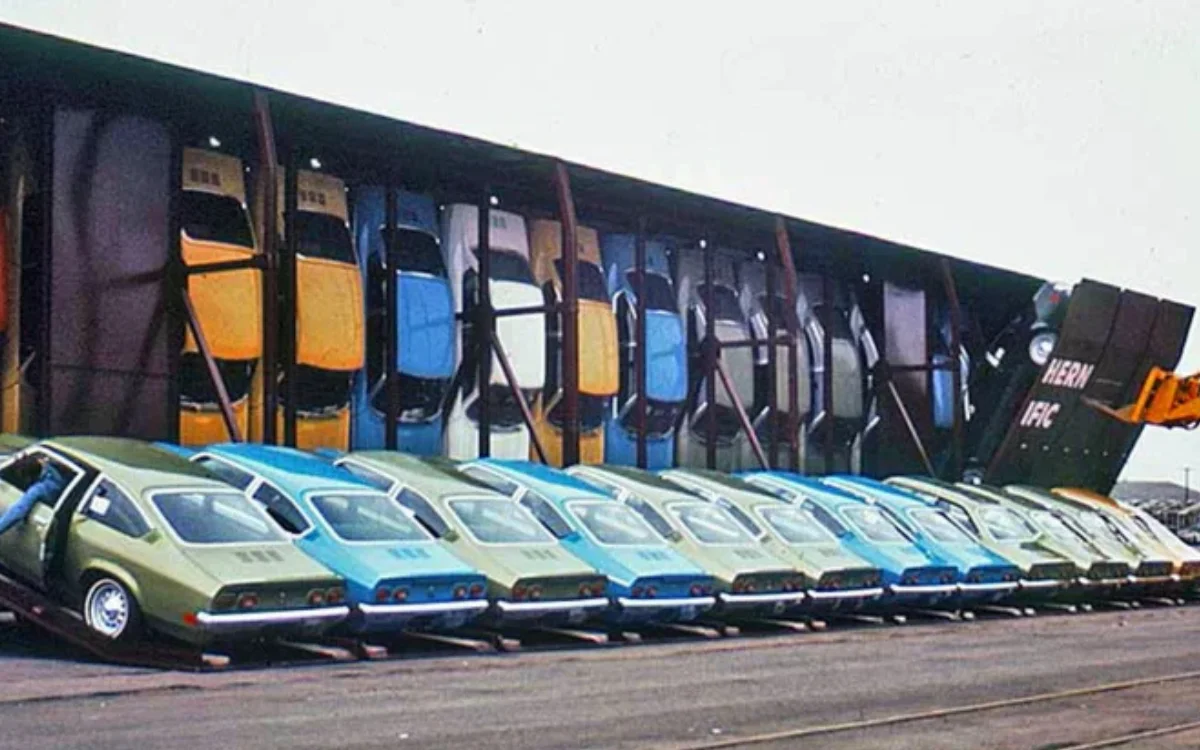

In order to cut shipping costs, Chevy Vega engineers turned the car nose-down in order to pack 30 into one railcar.
It sounds hard to believe, doesn’t it?
But when it comes to running a business, you’ve got to find savings where you can.
And back in the 1970s, the Vert-A-Pac railcars were General Motors’ sincere effort to keep costs down.
How Chevy Vega engineers worked to fit more cars into the Vert-A-Pac railcars
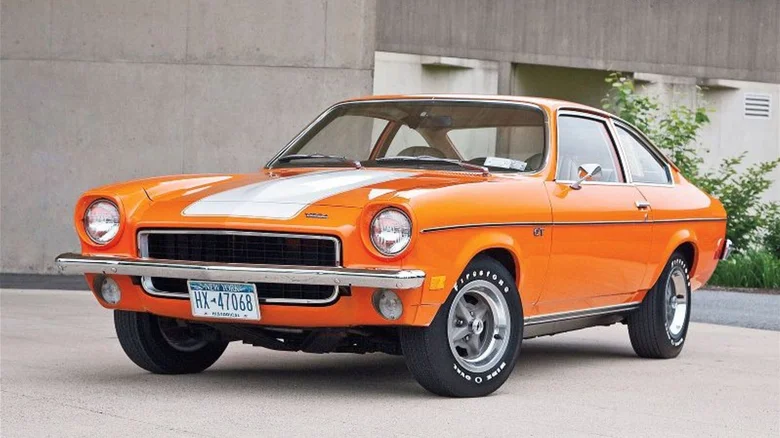
When the Vega debuted back in 1971, GM wanted to keep the price low at around $1 per pound.
But shipping the cars from the factory to far-flung dealerships across the country wouldn’t come cheap.
It was looking like it’d be $300 per car.
And with a standard railcar holding between 15 and 18 compact cars on average, GM was going to have to come up with a solution if it wanted to stick to its price target.
That’s where the Vert-A-Pac railcar came into the picture.
Designed alongside Southern Pacific, this new system allowed the Vega to be shipped nose-down vertically.
With cars standing on their nose, around 30 could fit into one carriage at a time – double what could originally be done.
This method cut shipping costs per vehicle by around 40 percent, so it’s easy to see why it was done.
Shipping a car vertically is just as difficult as it sounds
In order to ensure the cars made it through their vertical trips in working order, GM had to make a few changes.
A special baffle was added to prevent engine oil from leaking into the cylinders, while battery filler caps were relocated to the side to prevent acid from leaking out.
The carburetor and windshield-washer tanks also had to be modified or repositioned.
It sounds like a lot of work – it’s just a shame that the Chevy Vega wasn’t better received in the end.
Despite receiving the distinction of being Motor Trend’s 1971 Car of the Year, it became known for a whole load of problems.
From rust to engine durability and safety concerns, this car was constantly courting bad publicity and being recalled.
In 1977, the car’s production came to a close.
Nowadays, it’s a staple of time capsules and occasionally pops up on Facebook Marketplace.
It might not have the household name recognition of some other Chevys, but it still has an iconic backstory behind it.
DISCOVER SBX CARS: The global premium car auction platform powered by Supercar Blondie
Following stints at LadBible, The Sun, The New York Post, and the Daily Mail, Ben joined the team full-time in February 2025. In his role as Senior Content Writer, his sparkling copy, the ability to sniff out a good story at 100 paces, and a GSOH quickly led to him becoming an integral and invaluable member of the writing staff.