China approves the world's first brain implant for medical patients for commercial use
Published on Mar 16, 2026 at 1:59 PM (UTC+4)
by Daisy Edwards
Last updated on Mar 16, 2026 at 1:59 PM (UTC+4)
Edited by
Emma Matthews
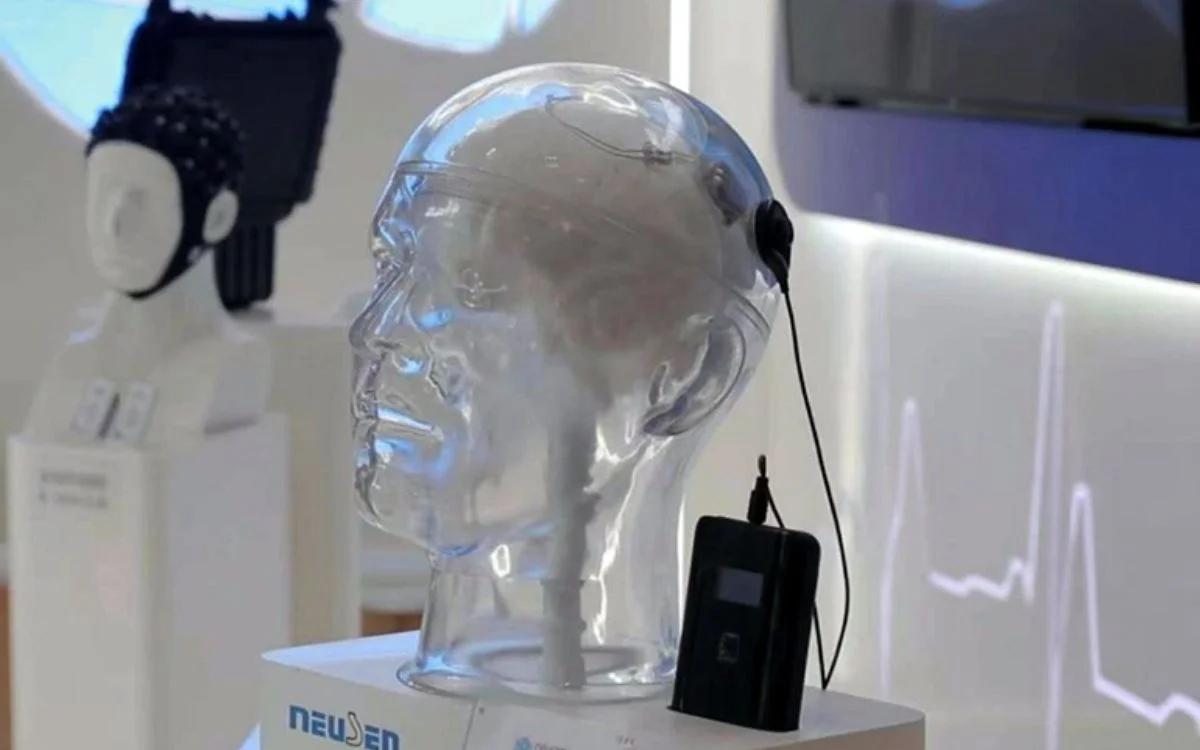
China has approved the world’s first brain implant for medical patients for commercial use, marking a huge step forward for futuristic healthcare.
Move over Neuralink, there’s a new player in town – and it’s already out of trials and in the market.
The new device is a brain-computer interface designed to help people with spinal cord injuries regain movement and independence.
Developed by Shanghai-based company Neuracle Medical Technology, the implant reads brain signals and translates them into actions. It could allow patients to control external devices using nothing but their thoughts.
Click the star icon next to supercarblondie.com in Google Search to stay ahead of the curve on the latest and greatest supercars, hypercars, and ground-breaking technology
China approves the world’s first brain implant
This historic tech approval makes China the first country to allow a brain-computer interface implant to be commercially used in medical patients rather than only in clinical trials.
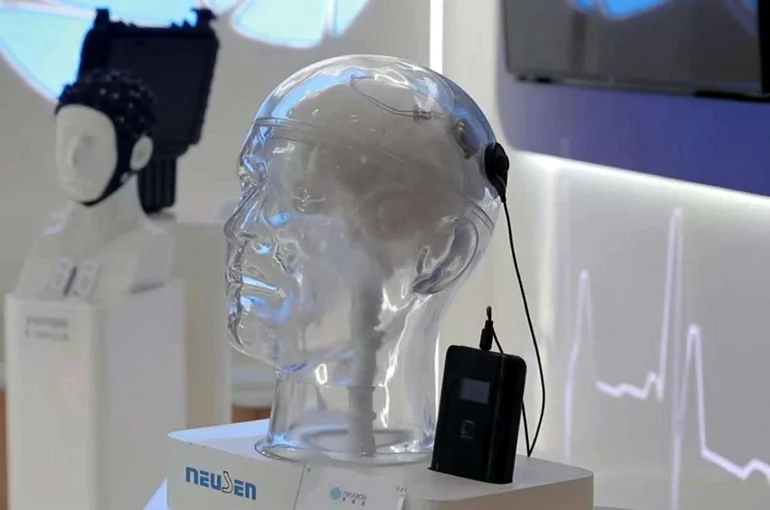
The coin-sized device, created by Neuracle Medical Technology, is surgically placed on the surface of the brain’s outer membrane, where it records electrical signals from neurons.
Those signals are then sent wirelessly to software that decodes the activity and converts it into commands.
Patients can then use those commands to control assistive devices, including robotic gloves designed to help restore hand movement.
The technology is aimed specifically at people with partial spinal cord injuries who still retain some arm function but struggle with hand movement.
By interpreting brain signals directly, the implant can bypass damaged nerve pathways that normally carry messages from the brain to the body.
In early testing, patients were able to use the system to grasp and move objects using a robotic glove.
Researchers hope the technology will eventually help more patients regain independence in everyday tasks.
It has entered commercial use for medical patients
The decision also highlights how quickly the race to develop brain-computer interface technology is accelerating worldwide.
Several companies are developing similar implants, including Neuralink in the United States.
These systems aim to allow people to control computers, prosthetics, or other devices directly through brain activity.
However, brain implants still come with challenges.
Because the technology requires surgery, there are potential risks including infection, implant movement, and scar tissue forming around the electrodes over time.
Even so, the approval signals that brain-computer interfaces are moving beyond experimental trials and closer to real-world medical use.
DISCOVER SBX CARS: The global premium car auction platform powered by Supercar Blondie