Family living in China compares the cost of charging their new EV to shopping at the local market to find out what's cheaper
Published on Nov 29, 2026 at 11:09 AM (UTC-5)
by Ben Thompson
Last updated on Nov 29, 2026 at 11:09 AM (UTC-5)
Edited by
Mason Jones
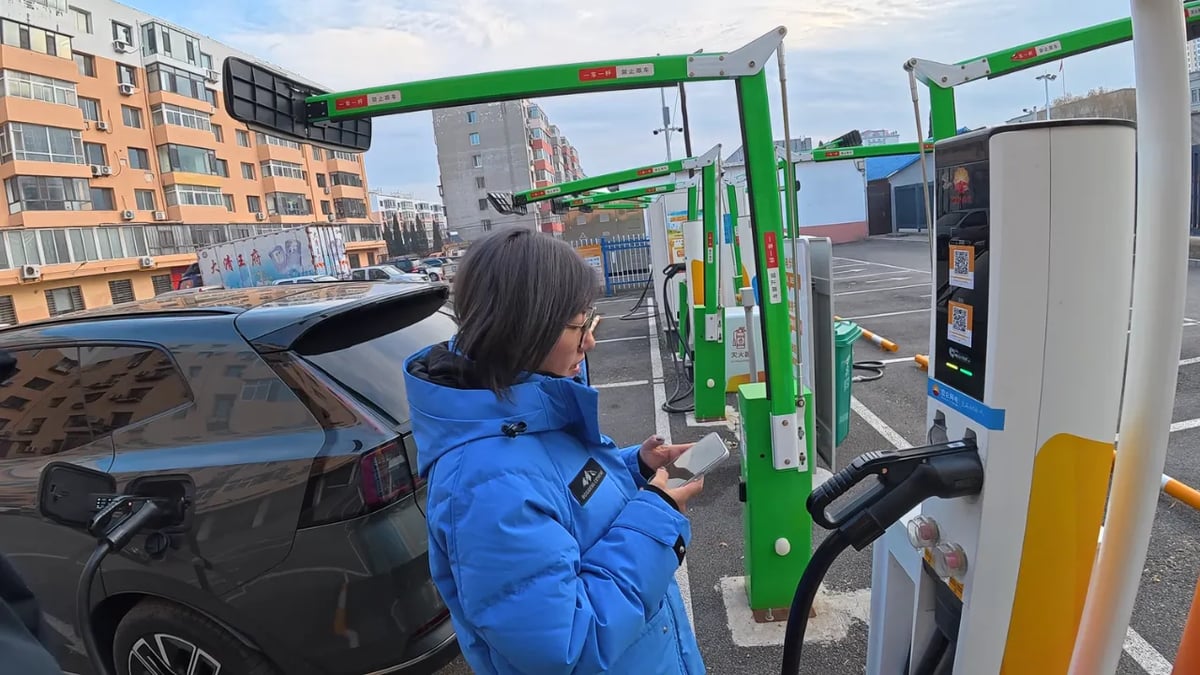

A family that lives in China have compared the cost of charging their EV with shopping for groceries at the local market.
The Fisher-Zhang family are a British-Chinese family living in a small city in China’s North-East.
Dad Tim and mom Nicole had gotten their hands on a new Volvo XC70 plug-in hybrid.
Would charging it prove to be cheaper than a trip to the market? That’s what they wanted to find out.
Now that EVs are mainstream, everyone wants to talk about charging costs
It feels like EVs still have a way to go in winning the approval of the majority, even though they’re now firmly a mainstream option for drivers.
Undoubtedly, the key winning argument for EV advocates is to point toward is the low cost of charging.
One Tesla Model Y owner was keen to share his home charging figures.
Even those relying on public chargers have much to brag about.
And it turns out that people living in China have more to brag about than most.
The Fisher-Zhang family has previously shared its EV charging costs with the internet – and believe us when we say they were low.
The total cost came to just over 15 yuan, or a little over $2.
Yes, you read that correctly.

No, we didn’t miss a zero off the end of that figure.
That’s how much a 20 minute charging session set them back.
Form an orderly queue for a visa over there, thank you.
But this time around, the family wanted to see how their charging costs would compare to a trip to the market.
Charging their EV was a simple process, thanks to a nearby fast charger
The day after collecting their new Volvo XC70 plug-in hybrid, the couple tried a fast charger they’d never used before, tucked outside an old apartment block next to their local water tower park.
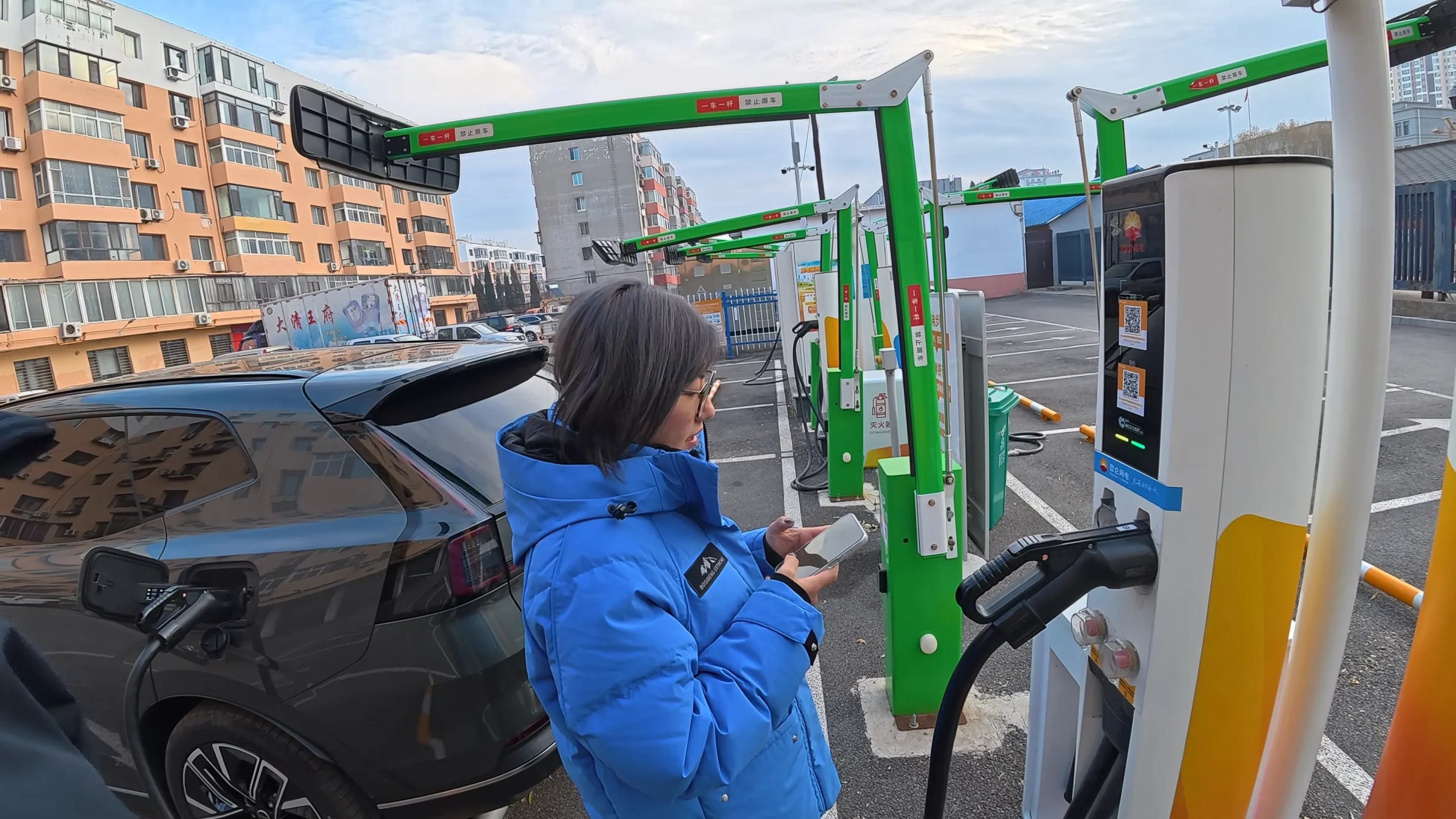
The process itself was as easy as pie – pull the cable out, plug it into the car, scan the QR code and the charging is in process.
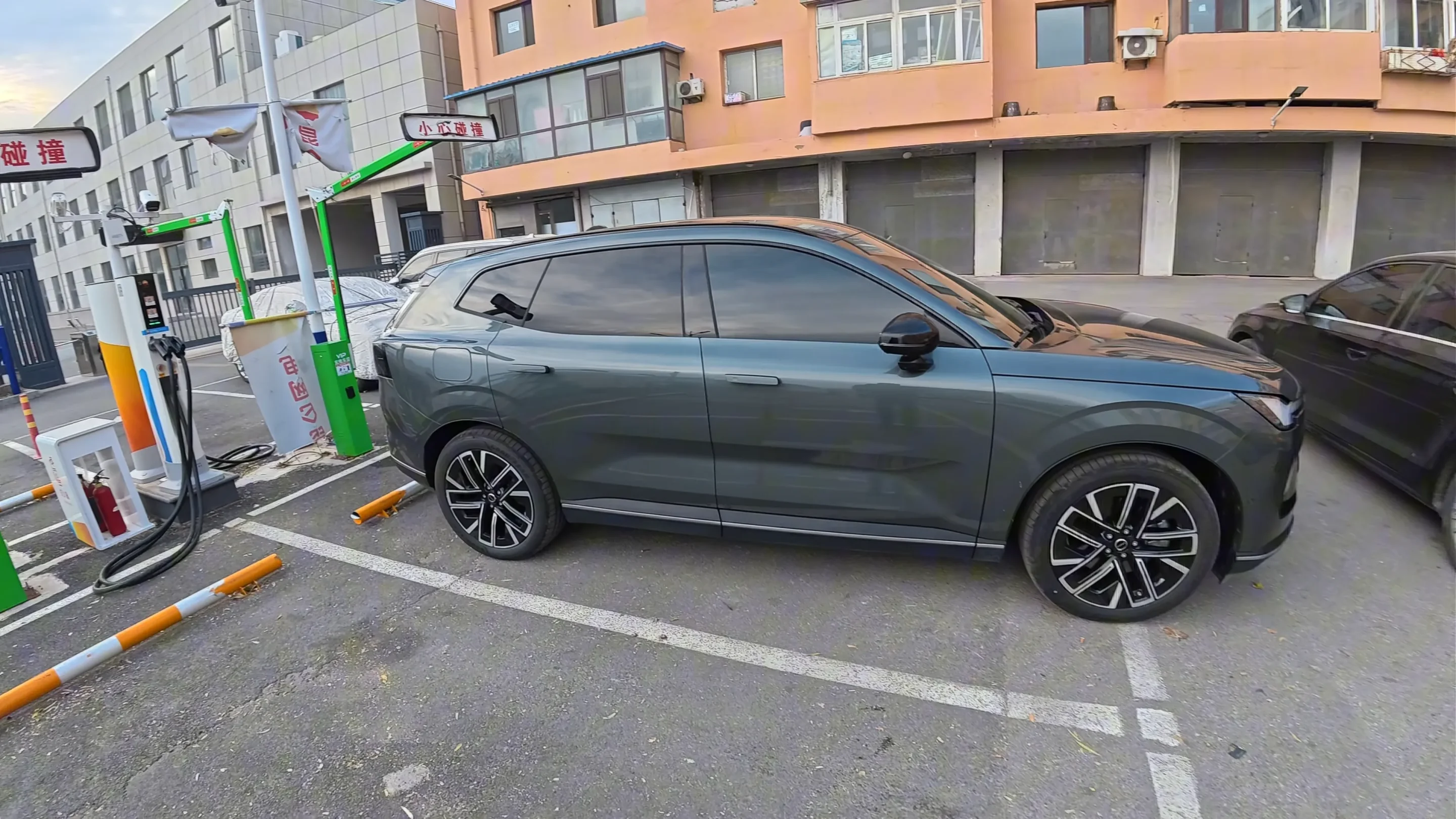
No app is needed, as it all runs through a mini program inside WeChat, a social communication app popular in China.
Ultimately, the bill came to five yuan.
We can already hear you rushing to Google to figure out how much this would be in American Dollars.
Fear not, we have you covered – it’s the equivalent of 75 cents.
Yes, not even a dollar to charge up your car.
Admittedly, this is a very hard mark to beat then when it comes to shopping at the market.
Could it be done?
How much did their trip to the market cost?
In the video, the family didn’t reveal how much their whole shop cost – but here’s what they did disclose.
At a soy milk stall, they purchased a drink flavored with red dates and goji berries, which came to two yuan.
That’s the equivalent of 30 US cents.
Other items included on the shopping trip included mushrooms, eggplants, cauliflower, broccoli, carrots, turnips, and homemade pickles.

Those vegetables came to 40 yuan, which is the equivalent of $6.
They also snacked on some vegetable balls, which were five yuan – which you’ll recall is 75 cents in the US.
While at the market, they also picked up two spicy egg and meat buns – China’s answer to the Egg McMuffin, in their words.

That came to six yuan – 90 cents.
All in all, that trip to the market cost them only just shy of $8.
While that is more than what they spent on charging their car, it’s still a very good deal.

We can’t decide what’s the bigger selling point – cheap EV charging or a trip to the grocery store that doesn’t feel like you’re taking out a mortgage.
For Fisher, these low prices are something he’s gotten used to.
“I’ve been living in China for 16 years now, so I think I’ve become somewhat accustomed to the prices here. It’s usually when I go back to the UK that I’m reminded of just how affordable life in China can be,” he told Supercar Blondie.
“We live in a small city in northeast China, and one of the great things about living here is that you can live very cheaply without necessarily compromising on your quality of life.

“I do find it quite funny that we can drive around in a car packed with all the latest technology, plug it in for next to nothing and then wander around an old-fashioned morning market buying vegetables from local farmers.
“I think that combination of old and new is something I really love about living in China.
“Obviously, you have to take local wages into account, but even having earned a Chinese salary for many years, I’ve always found the cost of everyday life here very reasonable.”
The best of Supercar Blondie, every Sunday
The week's best car stories, straight to your inbox. Free.
Ben joined Supercar Blondie in February 2025 after being published by international organizations including LADbible, The Sun, the New York Post, and the Daily Mail. He covers supercars, rare and collectible vehicles, aviation, luxury assets, and the fascinating people behind them. His reporting has explored everything from seven-figure supercars and historic Ferrari collections to unusual aircraft adventures and extraordinary automotive discoveries from around the world. Ben has also gained first-hand insight into vehicle craftsmanship and customization, including visiting specialist workshops to see bespoke vehicles up close.