China’s new 'fireproof' battery tipped to be the game-changing breakthrough that makes EVs safer than ICE cars
Published on Apr 18, 2026 at 2:03 AM (UTC-4)
by Jason Fan
Last updated on Apr 18, 2026 at 2:03 AM (UTC-4)
Edited by
Mason Jones
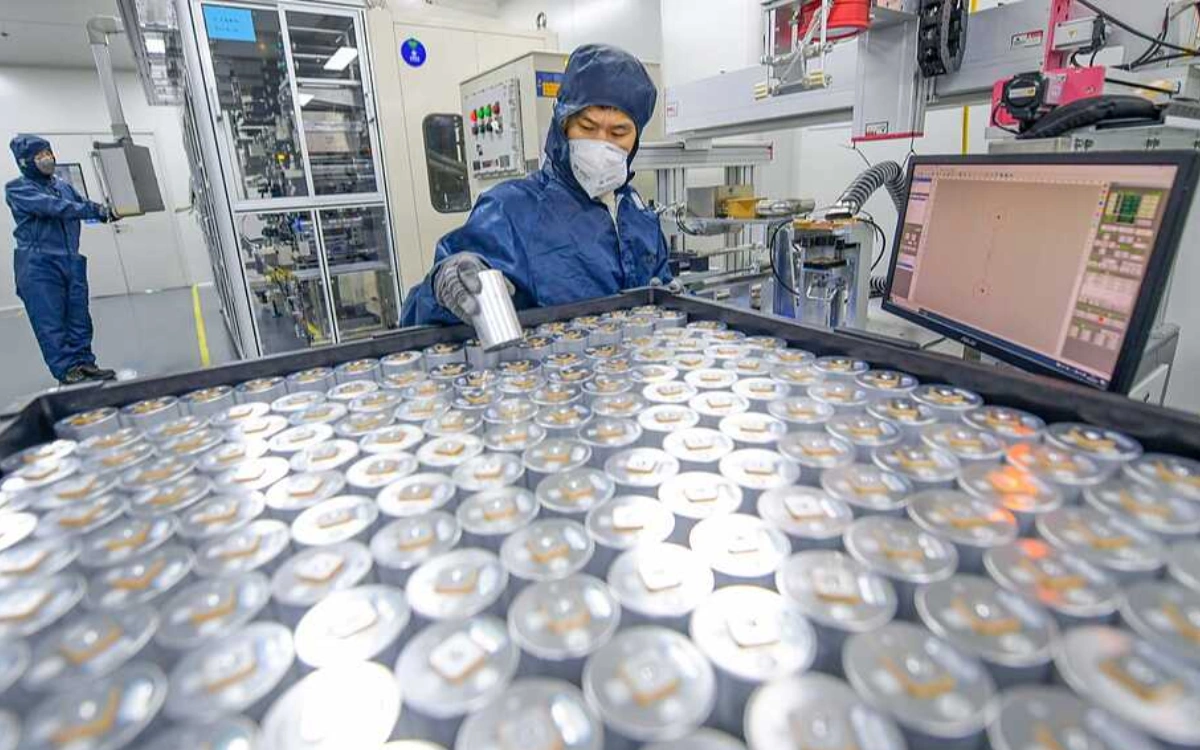

A new fireproof battery developed for Chinese EVs could completely change how we think about electric car safety.
While EV technology has surged forward in recent years, concerns about battery fires have continued to linger in the background.
Now, researchers claim they’ve found a way to stop those fires before they even begin.
If it lives up to the hype, this breakthrough could make EVs safer than traditional petrol and diesel cars.
EV fires are rare, but they do happen
At the heart of the issue is something called thermal runaway: a worst-case scenario where a battery overheats uncontrollably.
In simple terms, once a lithium-ion battery gets too hot, it can trigger a chain reaction where rising temperatures feed into themselves.
This can lead to the release of flammable gases, fires, and in rare cases, explosions.
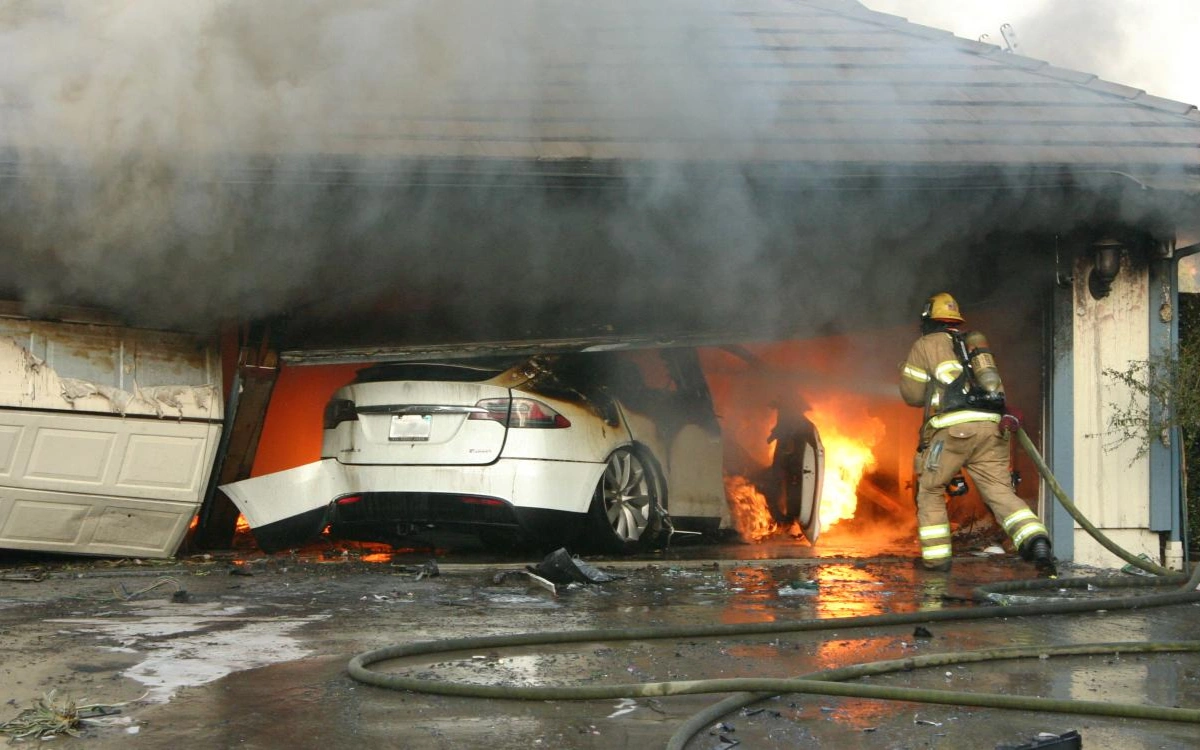
Although such incidents are uncommon, they tend to grab headlines, raising concerns among drivers considering switching to EVs.
That’s where this new sodium-ion battery design comes in.
Developed by scientists at the Chinese Academy of Sciences, the technology introduces a clever internal safety mechanism that activates when temperatures rise.
Instead of allowing heat to spiral out of control, the battery forms a solid internal barrier.
This essentially cuts off the reaction before it can spread.
Basically, think of it like a built-in firewall that kicks in at exactly the right moment.
Related

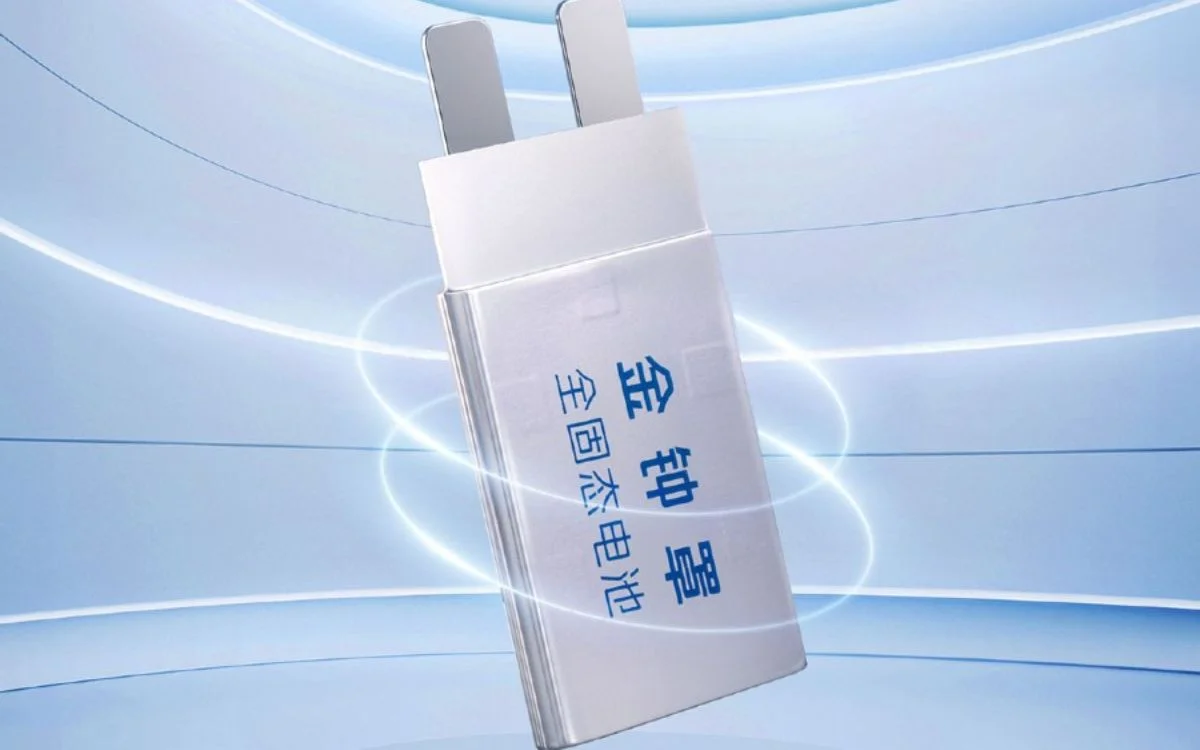
The fireproof battery comes with a three-layer safety system
Each layer is designed to stabilize different parts of the battery.
One manages heat, another protects internal interfaces, and the third physically separates components to stop dangerous reactions from cascading.
This results in a battery that doesn’t simply resist failure, but actively prevents it.
In testing, the results were impressive.
A full-sized 3.5Ah battery cell showed no signs of smoke, fire, or explosion during nail penetration tests, which simulate internal damage.
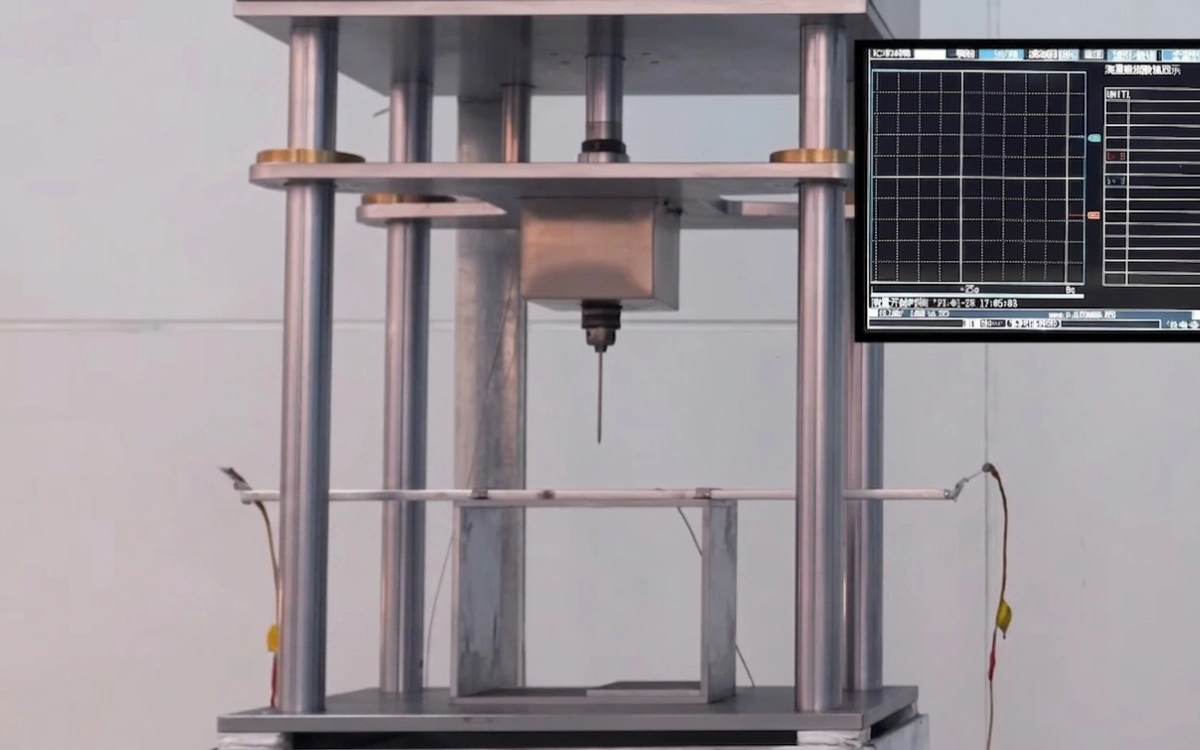
Even when pushed to extreme temperatures as high as 300°C (572°F), the battery remained stable.
That’s a significant leap forward compared to conventional designs.
Crucially, this added safety doesn’t come at the expense of performance.
The battery still delivers competitive energy density, and operates reliably in both freezing cold and scorching heat.
Better yet, the materials used are already common in manufacturing, meaning large-scale production could be more feasible than you might expect.
If these findings hold up in real-world applications, this fireproof battery could make EVs much safer than the ICE cars they’re replacing.
After all, it sounds like a much better solution than ejecting burning batteries from the car.