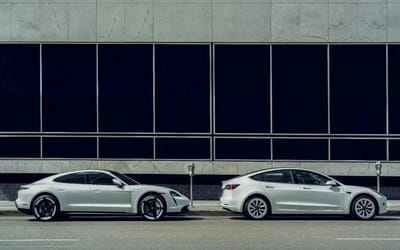
These electric cars will be able to power your home in the case of an emergency
Published on Mar 29, 2026 at 6:38 PM (UTC+4)
by Callum Tokody
Last updated on Mar 26, 2026 at 7:38 PM (UTC+4)
Edited by
Emma Matthews

Your driveway likely holds a massive battery capable of providing life-saving backup power via bidirectional charging during a total grid failure.
This hardware setup allows electric cars to push stored energy back into a home circuit rather than only drawing it from the grid.
That mobile reservoir can then be used to run refrigerators, medical equipment, and basic heating during a blackout.
While a car is primarily a transport tool, current technical developments raise the question of just how long these vehicles can keep a household running.
Enter our competition to win a stunning 2006 Ford GT or $400,000 cash!
The top electric cars for home power
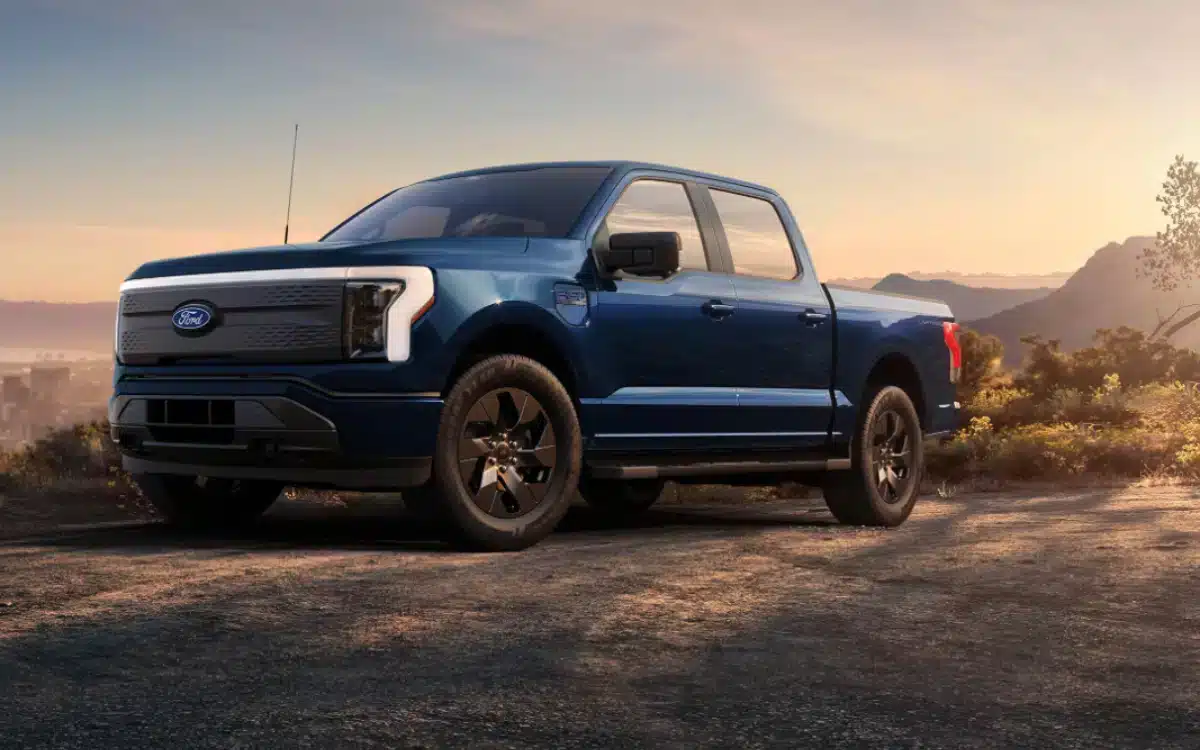
The Ford F-150 Lightning is a great example of a vehicle capable of sustaining a household through a dedicated backup power system.
Ford equipped the truck with an internal inverter that delivers 9.6 kW of electricity.
This output allows a fully charged battery to support an average home for approximately three days without external assistance.
Using this system requires a home integration kit to switch the power source automatically when the grid goes dark.
The truck then functions as a quiet mobile generator and removes the need for petrol-powered units or fuel storage.
General Motors uses the Ultium platform to provide similar utility in the Chevrolet Silverado EV.
This platform supports high-voltage discharge to keep essential appliances running throughout a storm or a prolonged blackout.
In technical demonstrations, the Silverado EV managed the electrical load of a large residence without any interruption to service.
These electric cars represent a shift toward integrating personal transportation into the domestic energy ecosystem.
Having a significant energy reserve parked at home provides a functional safety net for regions with unstable power infrastructure.

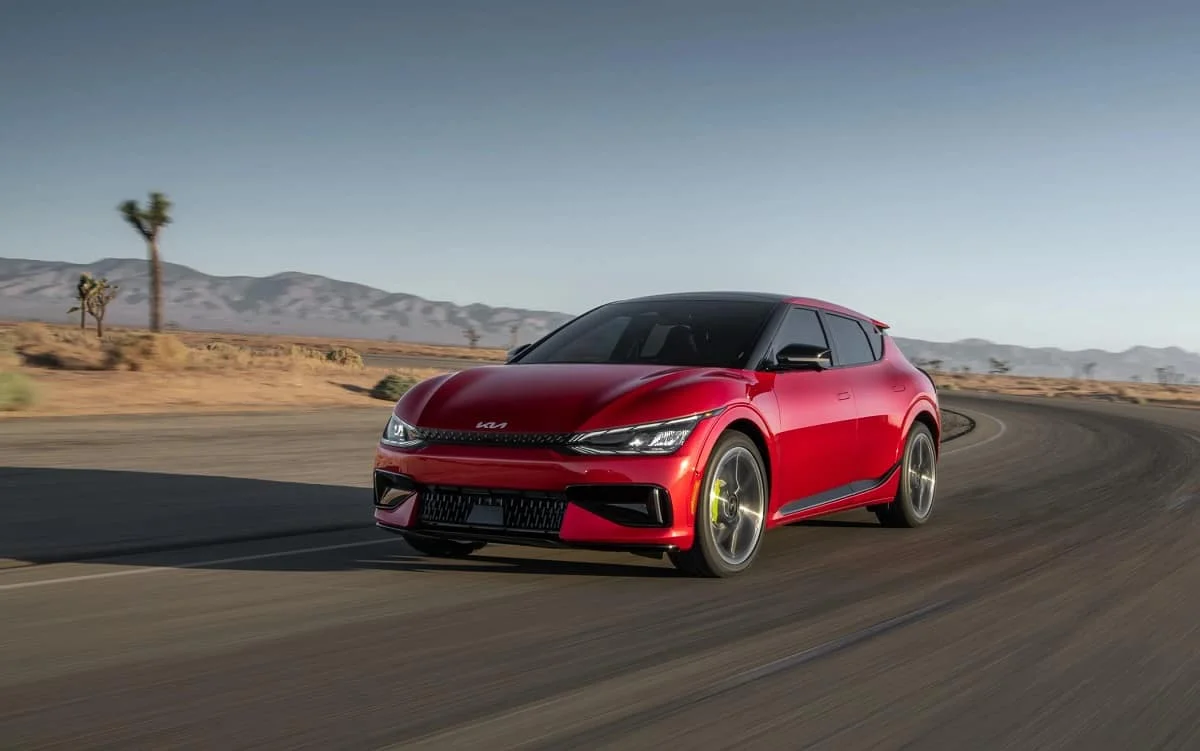
The Hyundai Motor Group also offers bidirectional charging across its E-GMP vehicle lineup.
The Hyundai Ioniq 5 and Kia EV6 feature Vehicle-to-Load technology as standard equipment in most trim levels.
These electric cars provide a discharge rate of 3.6 kW, which is enough to run a single appliance through a simple plug adapter.
While this output is lower than that of full-sized trucks, it remains a practical solution for mobile workstations or emergency heating.
The Kia EV9 further expands this capability with a larger battery volume for even longer periods of backup power.
Grid survival and the future of backup power
Tesla recently enabled bidirectional charging on the Cybertruck through its Powershare system.
This is the first time the manufacturer has officially supported home discharge from one of its vehicles.
The technology allows the truck to interface directly with existing home battery ecosystems for a unified energy solution.
As the market for electric cars grows, these features are becoming a key point of consideration for buyers concerned with grid resilience.
The ability to use a vehicle as a backup power source increases the practical value of an EV purchase.
Newer models, like the Polestar 3, are undergoing trials to integrate with smart grid technologies in several global markets.
These electric cars will eventually support Vehicle-to-Grid systems that allow owners to manage energy costs by selling power back during peak demand.
Regulatory bodies are currently working to standardize connection protocols to ensure safety across different charging networks.
As these standards stabilize, the role of the car in home energy management will become a permanent fixture, and choosing an EV with these capabilities ensures your household remains functional during a blackout.
DISCOVER SBX CARS: The global premium car auction platform powered by Supercar Blondie