New cars with combustion engines will no longer be banned in the EU by 2035
Published on Dec 03, 2025 at 4:46 PM (UTC+4)
by Molly Davidson
Last updated on Dec 03, 2025 at 9:38 PM (UTC+4)
Edited by
Emma Matthews

For years, the EU said it would stop selling brand-new cars with combustion engines by 2035.
Basically, gas cars were meant to be gone for good.
But now they’ve backtracked harder than someone deleting an embarrassing Instagram story.
And suddenly the future of driving in Europe looks a lot less all-electric.
DISCOVER SBX CARS – The global premium auction platform powered by Supercar Blondie
What the EU’s reversal actually means for combustion engines
The EU’s 2035 phase-out of new gas cars has officially been put on pause, after German Chancellor Friedrich Merz sent a letter to European Commission President Ursula von der Leyen asking the Union to rethink the ban.
After 2035, carmakers can still sell combustion engines, but only if they run on super-clean fuels that don’t trash the planet.
So what are these mysterious future fuels?
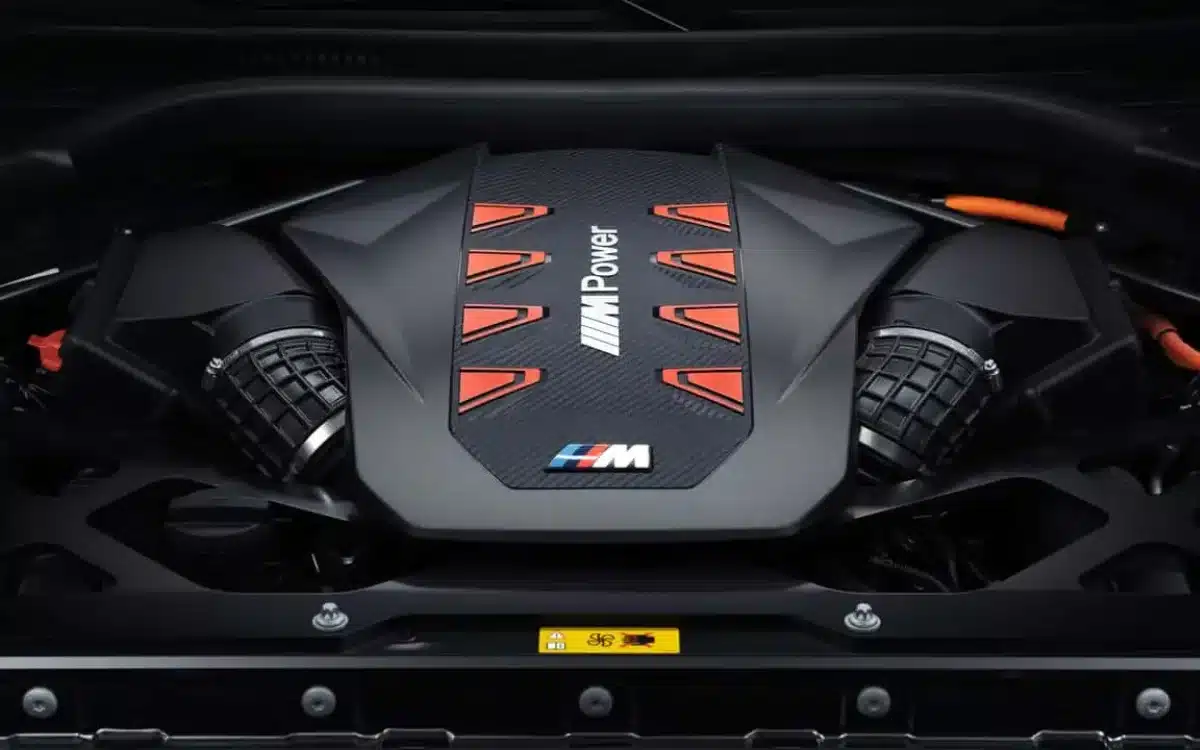
Think of HVO100 as diet diesel – it’s made from vegetable oil and animal fats and can cut emissions by about 90 percent.
BMW already uses it for diesel cars made in Germany.
Then there’s Porsche’s synthetic gasoline, which they brew in Chile using water, captured CO₂, and wind energy.
Basically science-fair fuel, but for million-dollar supercars.
Cool idea, right?
The only problem is that the plan isn’t totally locked in yet.
The EU delayed its ‘car package’ announcement – a set of new rules about how cars will be regulated after 2035.
So it still hasn’t said whether plug-in hybrids or range-extender engines will be allowed.
For now, the rules are changing, but the full picture of Europe’s post-2035 car market is still being drawn.
What the shift means going forward
Car companies have been begging the EU to slow down the all-electric future.
They warned that a hard ban would wreck jobs, overload the charging network, and make cars even more expensive.
And they’re not totally wrong.
EVs are cool, but they’re still pricey, and not every town has chargers everywhere.
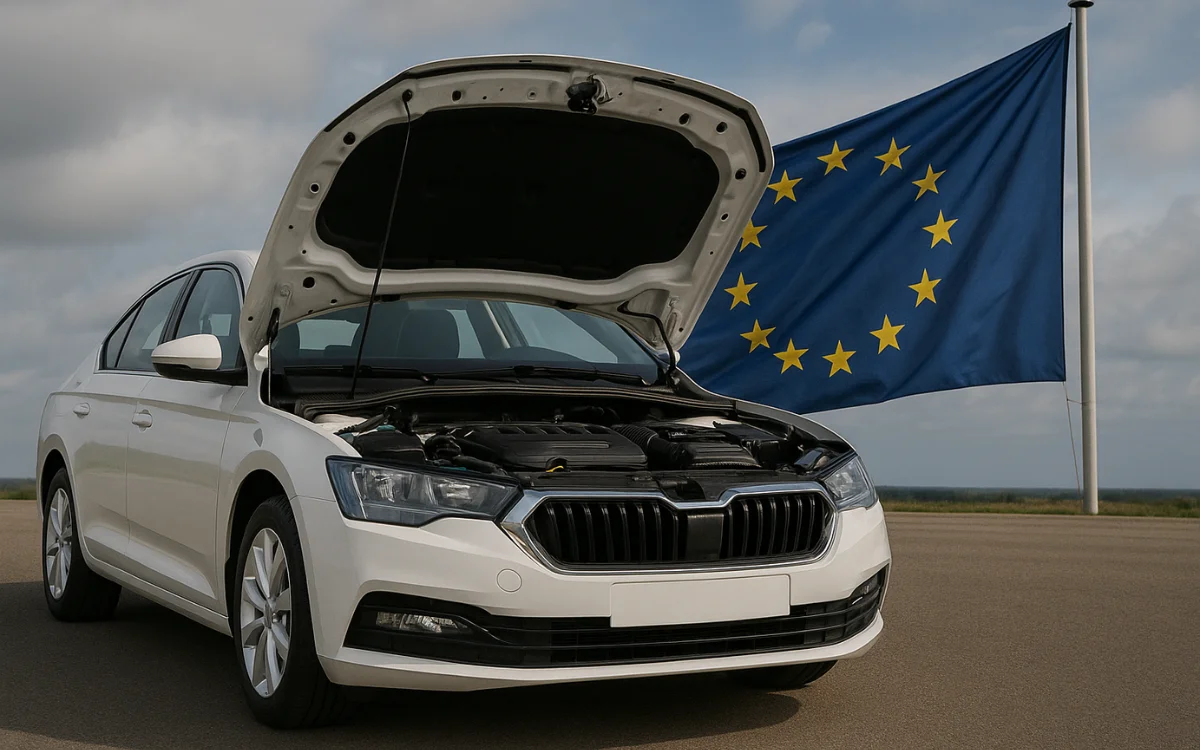
Meanwhile, electric cars are growing but not dominating.
Through October, EVs made up 18.3 percent of new sales, hybrids hit 34.7 percent, and plug-in hybrids climbed to 9.4 percent, finally beating diesels.
But not every car company thinks this reversal is a good idea.
Volvo and Polestar still want the full 2035 ban because they believe going all-electric is the only way to cut emissions fast enough.
The other challenge is that renewable fuels – the very thing keeping gas engines alive – don’t have the infrastructure to support mass use yet.
So even with the rule change, there’s a big question hanging over Europe: can these cleaner fuels scale quickly enough to actually work?
Still, the takeaway is the EU didn’t ditch its climate goals.
It just realized the road to 2035 isn’t straight, it’s more like a roundabout where EVs, biofuels, and synthetic fuels all get a lane.
And the real question now is which one gets us out of the circle first.
DISCOVER SBX CARS: The global premium car auction platform powered by Supercar Blondie
With roles at TEXT Journal, Bowen Street Press, Onya Magazine, and Swine Magazine on her CV, Molly joined Supercar Blondie in June 2025 as a Junior Content Writer. Having experience across copyediting, proofreading, reference checking, and production, she brings accuracy, clarity, and audience focus to her stories spanning automotive, tech, and lifestyle news.