Man refuels his BMW iX5 with hydrogen and the number on the meter is a bit of a shock
- This guy found out the hard way that hydrogen cars aren’t cheap to run
- He ended up spending over $100 to fill up his BMW iX5
- Filling up an equivalent gas X5 would’ve cost nearly the same
Published on Mar 27, 2025 at 5:21 AM (UTC-4)
by Alessandro Renesis
Last updated on Mar 27, 2025 at 1:59 PM (UTC-4)
Edited by
Emma Matthews
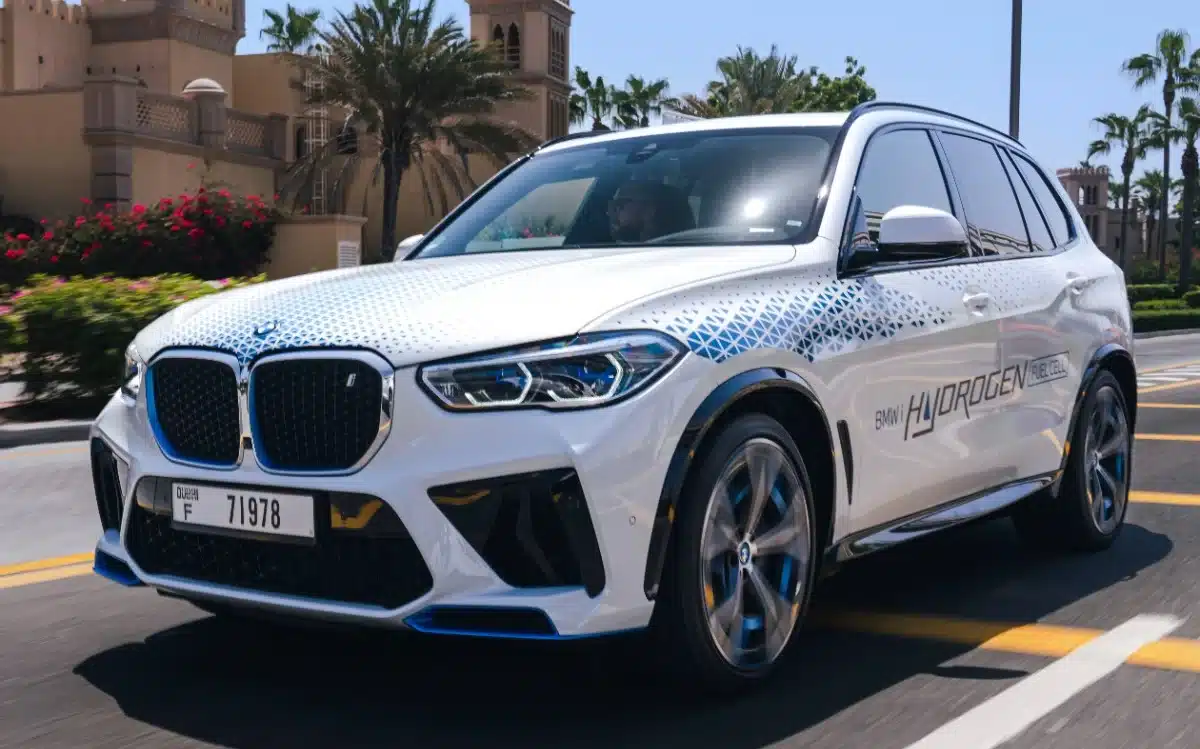

A man in The Netherlands found out the hard way that refueling a hydrogen BMW iX5 isn’t always that cheap.
In the clip, uploaded to YouTube, you can see how the meter is going up a lot faster than anticipated.
This guy ended up spending – nearly – the same amount he would’ve spent refueling a gas car.
But there’s something else worth noting.
DISCOVER SBX CARS – Bid now on supercar auctions powered by Supercar Blondie
Refueling the BMW iX5 costs nearly the same as refueling the ‘normal’ X5
The video, a YouTube short uploaded by BMWBlog, shows a man refueling his BMW iX5, a car that uses fuel cell technology.
This iX5 owner had to fork out €100 ($108) for around 5KG of hydrogen.
For reference, a gas-powered X5 has an 82-liter (21.9 gallons) tank, which means it would’ve cost this guy around $165 to fill up an equivalent X5 in the Netherlands.
So hydrogen is still cheaper than gas, but there are two things worth remembering.
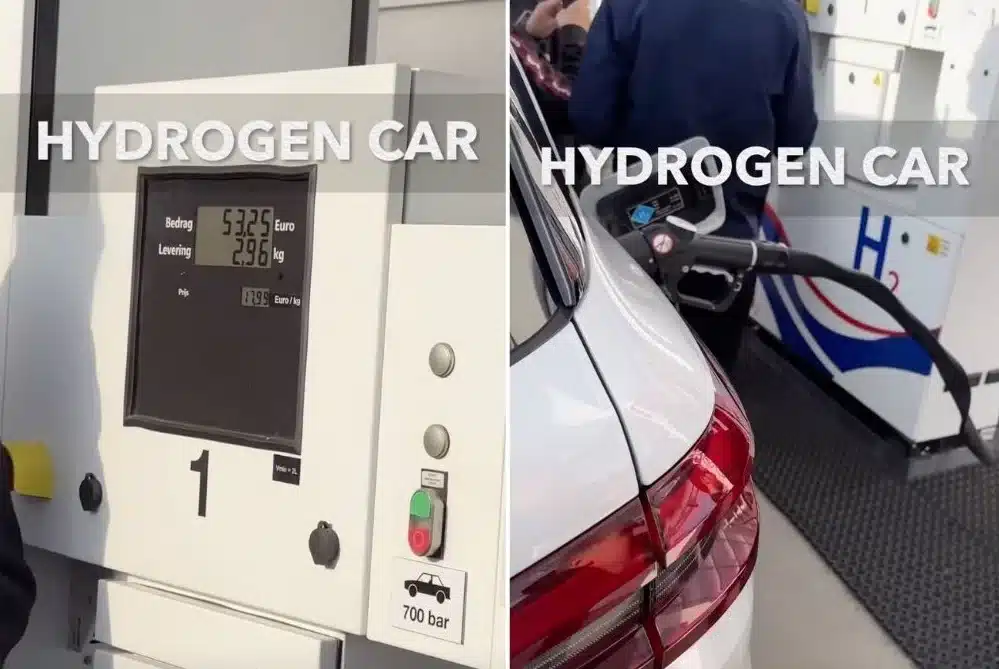
First, the cost of refueling vehicles with hydrogen is going up too quickly.
And second, you can drive a gas X5 from any point A to any point B without having to worry about finding a gas station, but you can’t do that with hydrogen cars.
It is interesting to note that the video also shows a man reassuring hydrogen car owners about the situation.
“We estimate by the end of the year, we’ll go back to normal prices in The Netherlands,” he said.
Fingers crossed.
Why hydrogen cars aren’t catching on
The BMW iX5 is an FCEV, or Fuel Cell Electric Vehicle, is simply an electric car that uses hydrogen fuel cells instead of batteries.
It only takes a few minutes to charge them and, unlike the rare minerals used in batteries, hydrogen doesn’t need to be mined.
Unfortunately, that’s where the list of potential advantages ends.
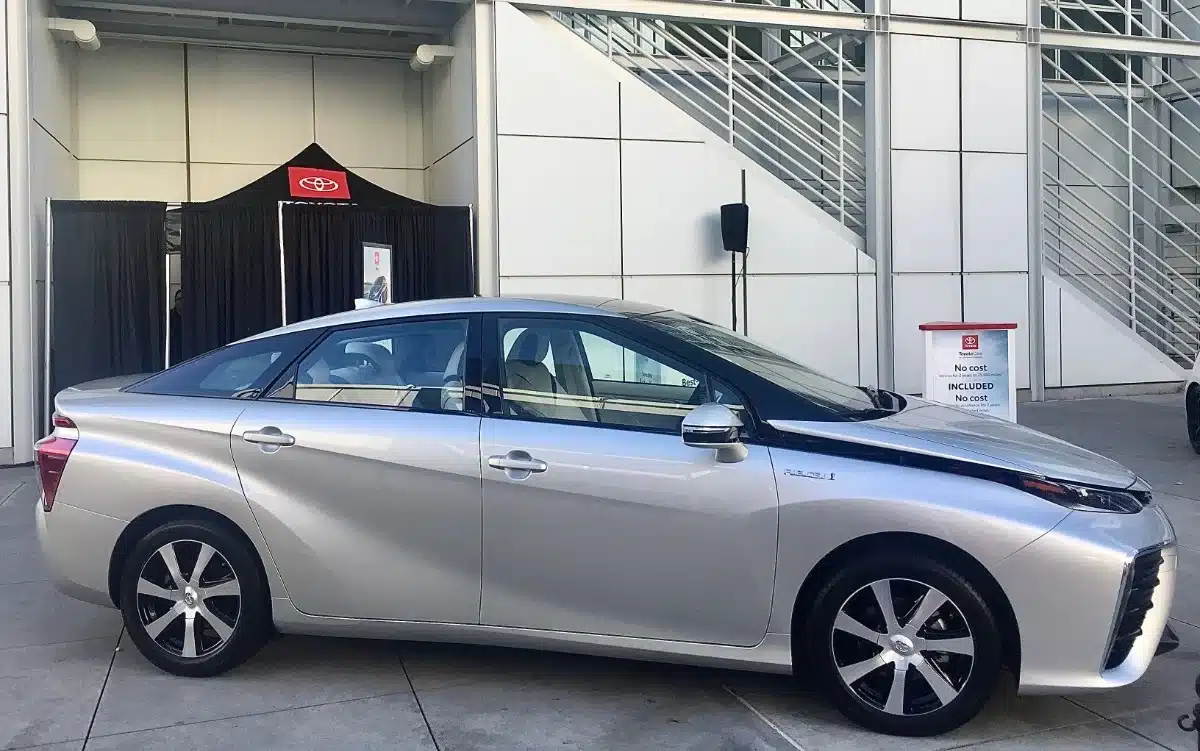
The range isn’t always that great. For example one Toyota Mirai owner said $90 at the ‘pump’ only got him 176 miles, and this certainly doesn’t help.
But here’s the biggest problem. While it’s true that hydrogen is the most abundant element in the universe, it’s actually difficult and expensive to store and turn it into usable fuel.
This probably explains why, apart from various prototypes and concepts, the BMW iX5 is one of only four FCEVs in production, along with the Toyota Mirai, the Honda CR-V e:FCEV, and the Hyundai Nexo.
Alessandro is an automotive journalist with 10 years of experience covering supercars, automotive history, emerging vehicle technology, and luxury transportation. He wrote the first article published on SupercarBlondie.com when the website launched in 2022 and has since built a reputation for insightful reporting across the automotive and transportation industries. His expertise is grounded in hands-on experience. Alessandro has driven every Tesla model ever produced, from the original Roadster to the Cybertruck, and regularly covers the latest developments in electric vehicles and automotive innovation. His passion for transportation extends beyond cars, he has even flown a Boeing 787 Dreamliner simulator in Addis Ababa, Ethiopia. His reporting spans everything from classic American muscle cars and rare automotive discoveries to luxury yachts, private aircraft, high-end watches, and cutting-edge vehicle technology. Known for his deep knowledge of automotive history and ability to uncover the stories behind iconic vehicles, Alessandro brings readers a blend of historical context, technical expertise, and first-hand experience.