Koenigsegg unveils the world's first Sadair's Spear built as a tribute to the founder's father and it's on its way to a special customer in the US
Published on Jul 30, 2026 at 10:32 AM (UTC-4)
by Alessandro Renesis
Last updated on Aug 11, 2026 at 6:53 AM (UTC-4)
Edited by
Kate Bain
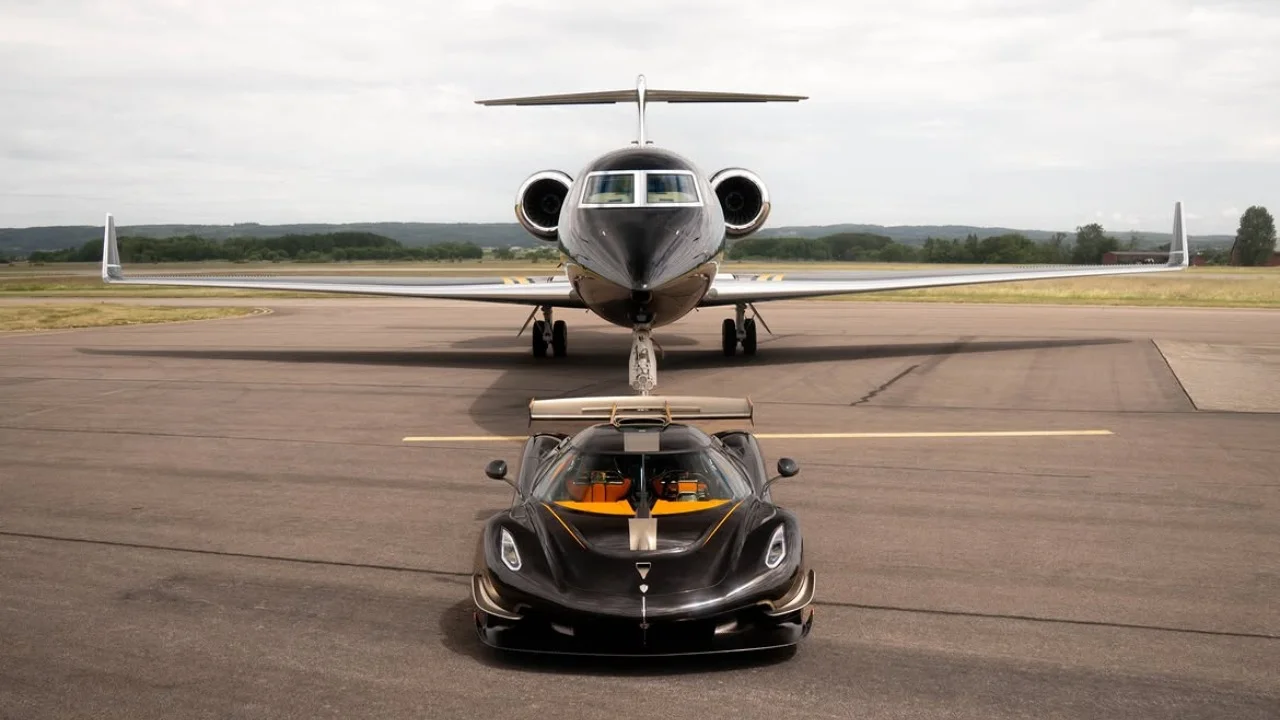

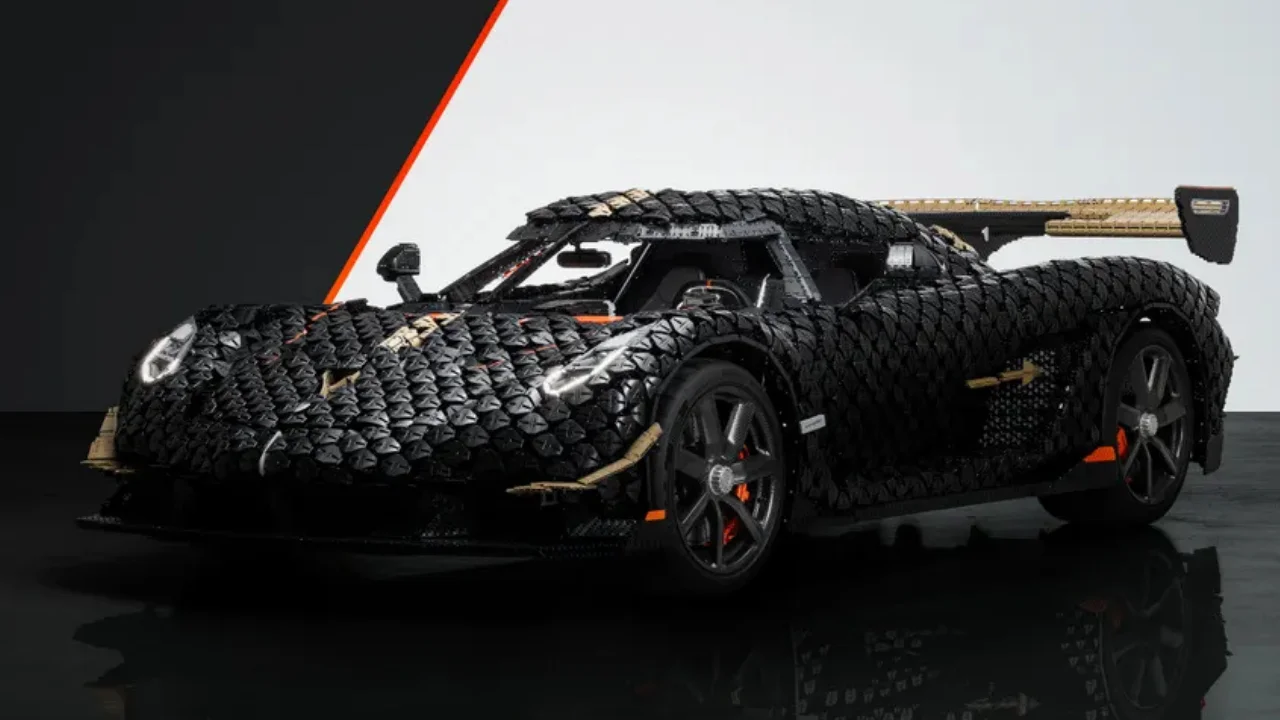
The world’s first Koenigsegg Jesko Sadair’s Spear is ready, and it’s on its way to the US.
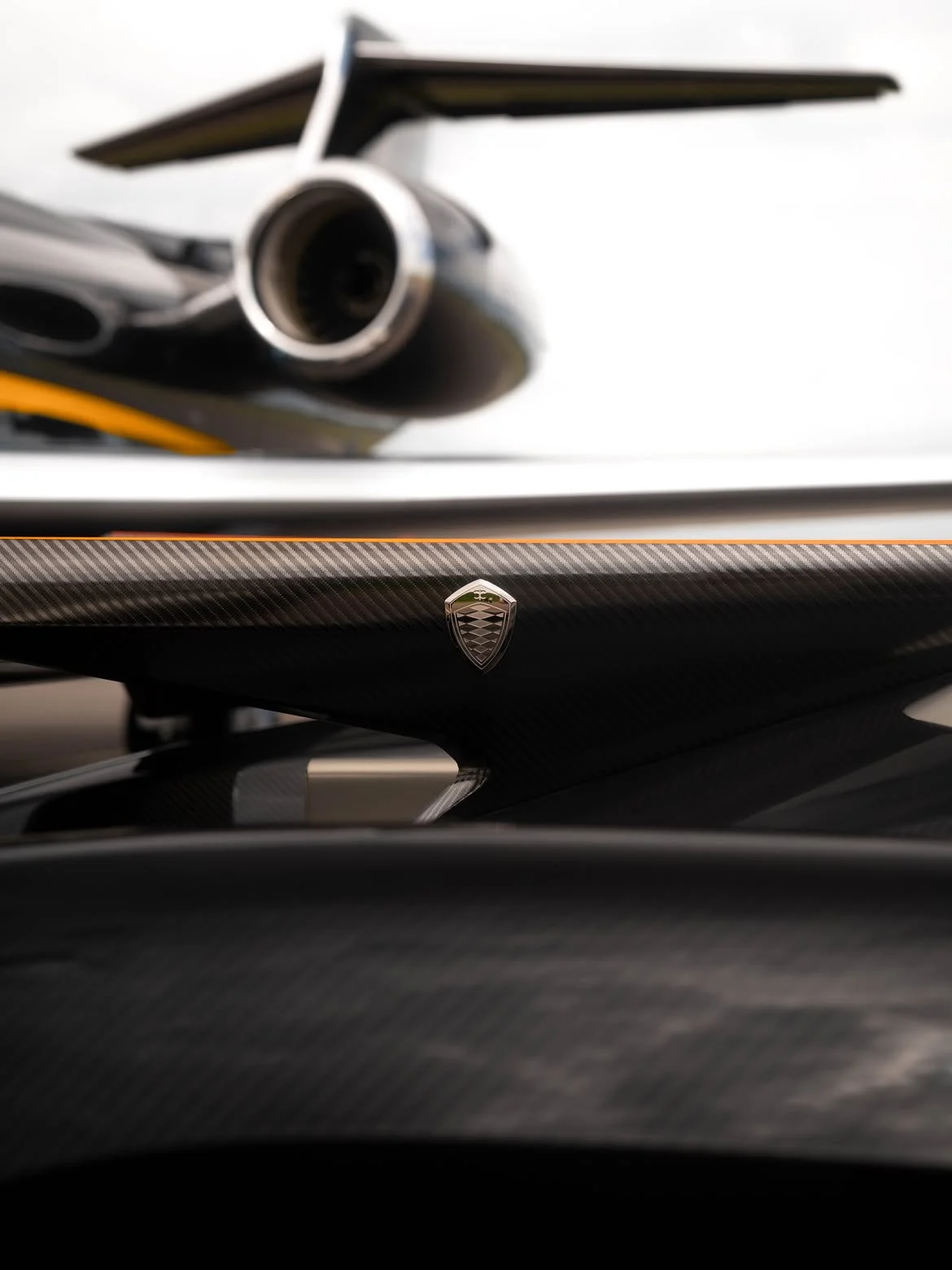
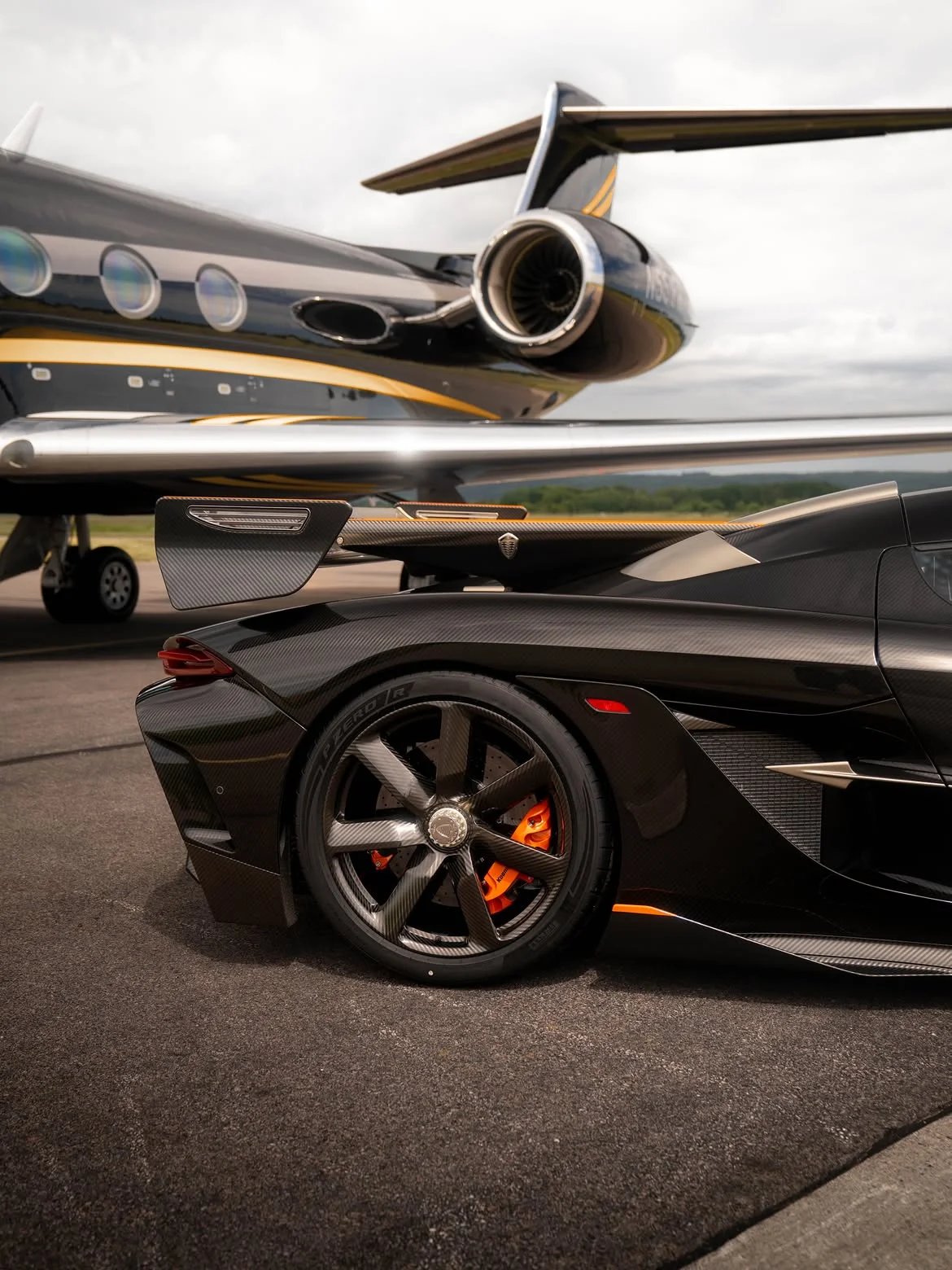
Designed as a tribute to the founder’s father and his 1976 steeplechase horse, Sadair’s Spear sits halfway between a bespoke few-off and an ultra-track-focused variant of the Jesko.
Only 30 units of the hypercar will be built.
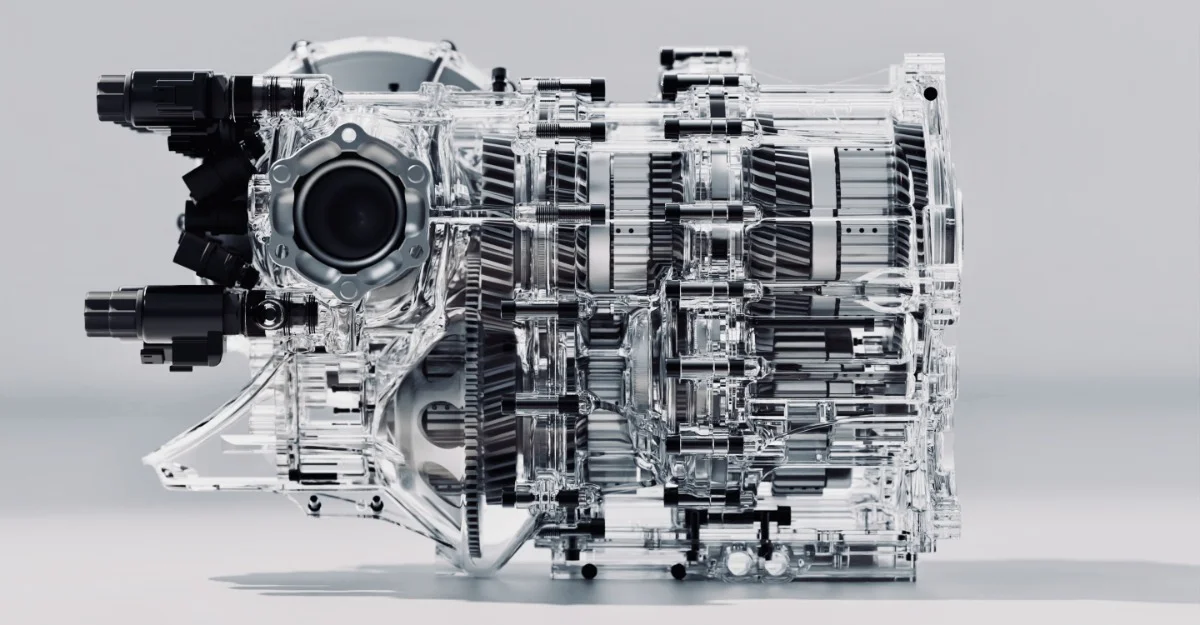
And it features one of the most incredible transmissions ever built.
The Koenigsegg Jesko Sadair’s Spear is a tribute to… a horse
Based on the Jesko Attack, the Koenigsegg Jesko Sadair’s Spear is a tribute to a racehorse ridden by Christian von Koenigsegg’s father, Jesko, in his final 1976 steeplechase.
It is based on the Jesko Attack, but the Sadair’s Spear is even more aggressive.
The engine is a 5.0-liter twin-turbocharged V8, sending 1,300 horsepower (or 1,625 on E85 fuel) to the rear wheels courtesy of the sophisticated 9-speed Light Speed Transmission.
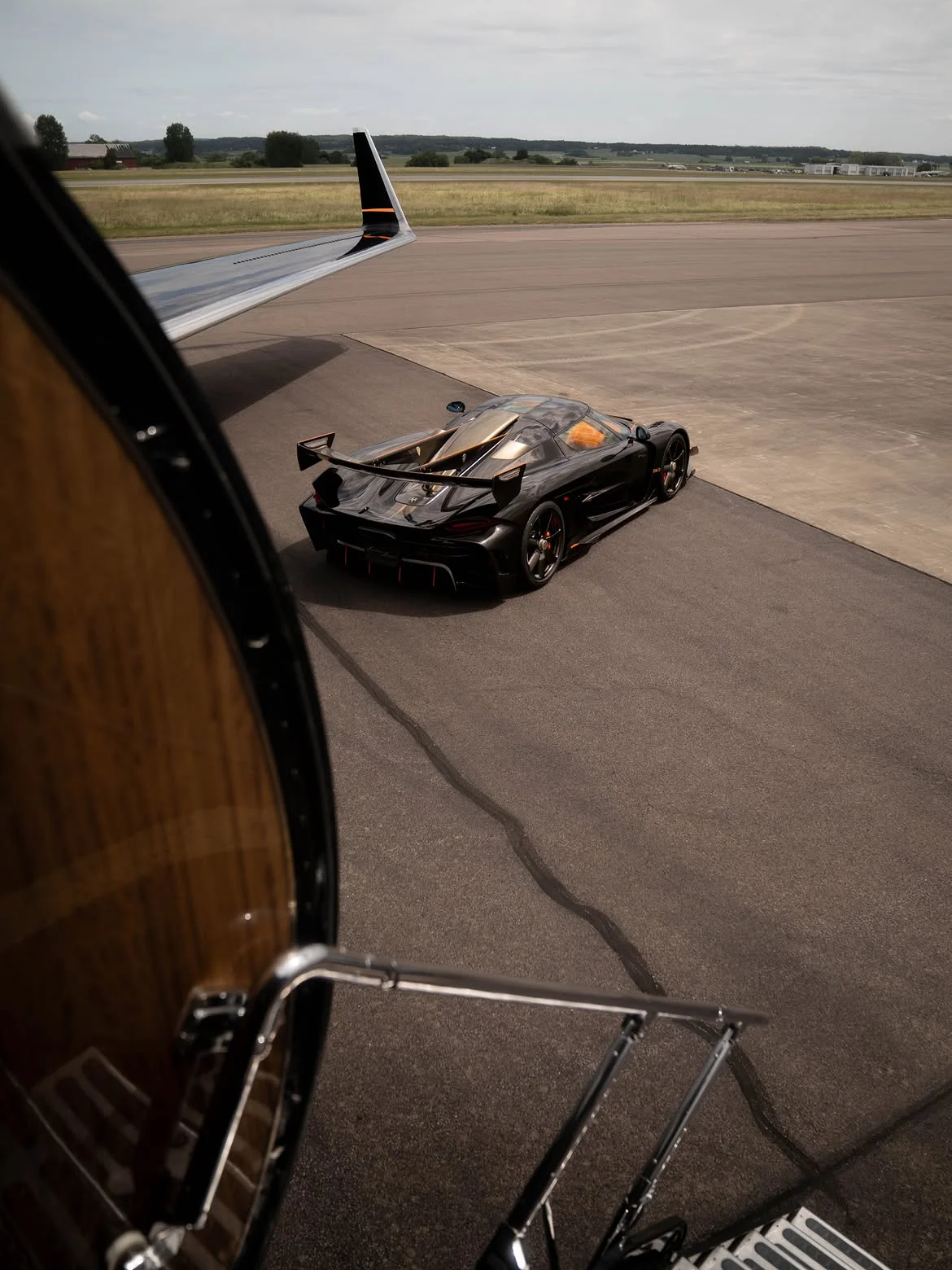
The engineering team managed to shed roughly 35 kg (77 lbs) compared to the standard Jesko Attack.
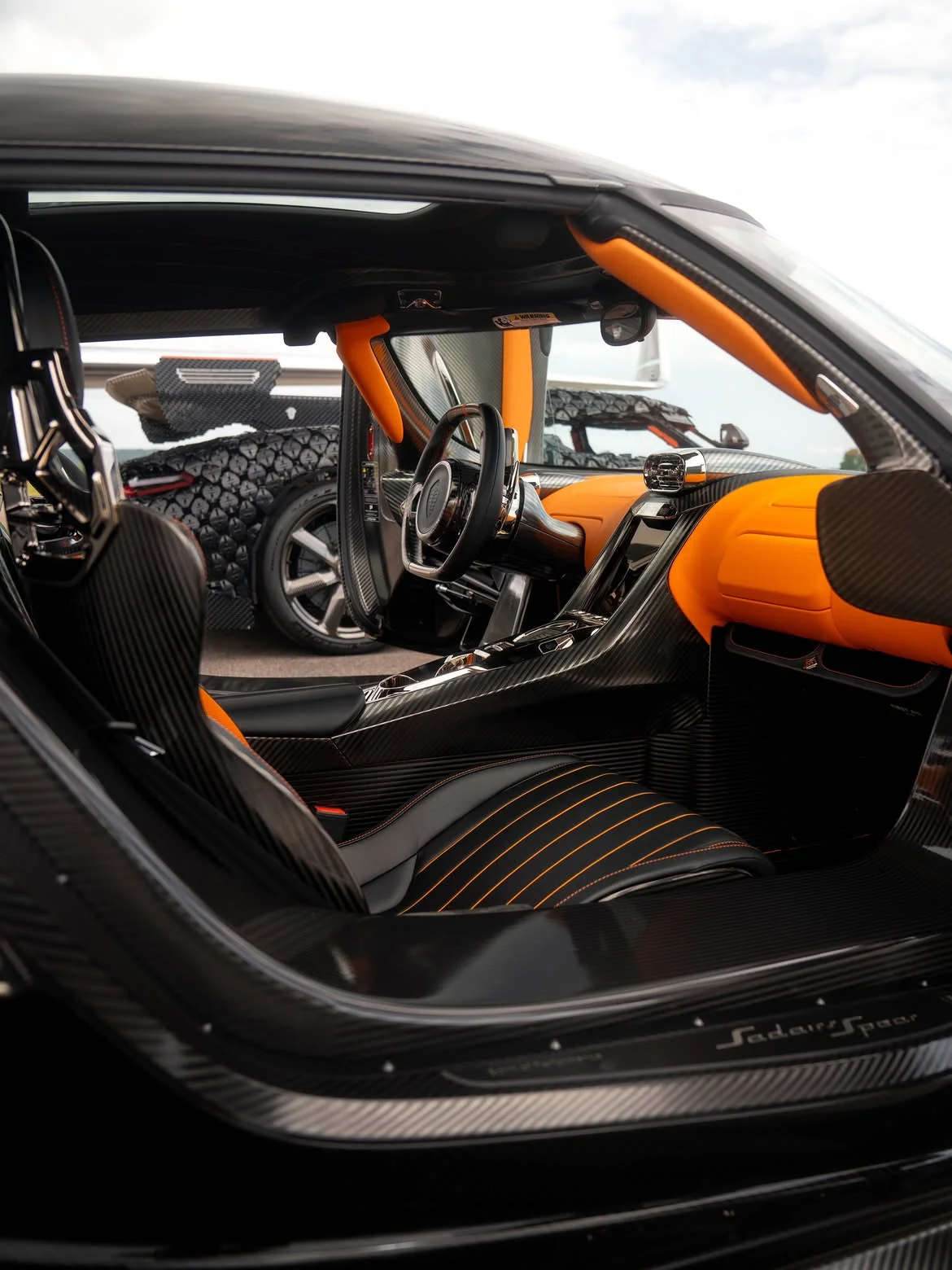
This was accomplished by stripping away excess cabin sound insulation, incorporating even more carbon fiber, and also by adding new bucket seats with 6-point harnesses.
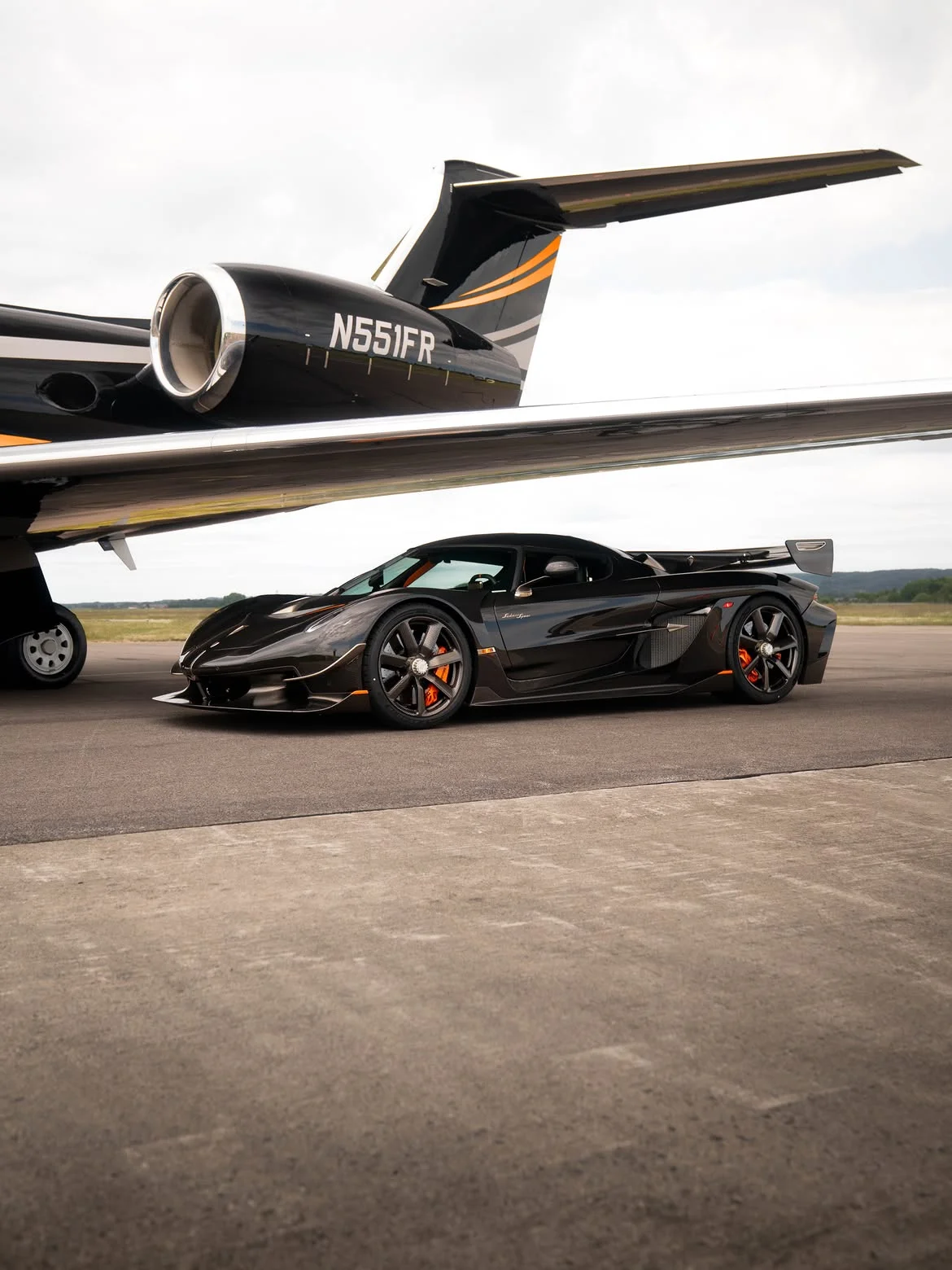
Combined with its upgraded engine output, the reduction enables the hypercar to surpass a 1:1 power-to-weight ratio.
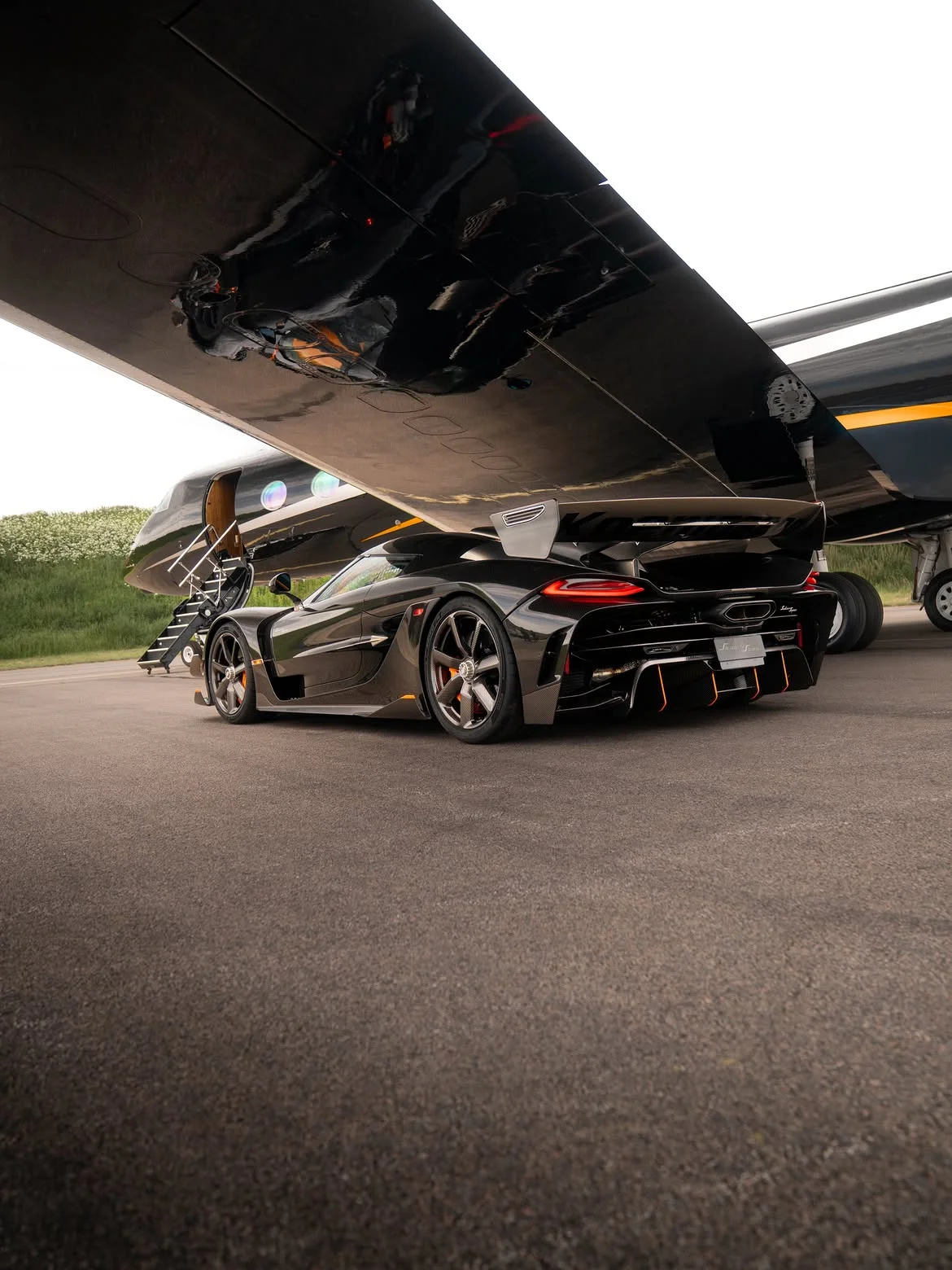
Chassis number 1 is heading to the US, where we fear it may never see the road.
This is a one-of-30 supercar with an MSRP of €3.8 million before taxes – equivalent to $5.2 million.
Related
The transmission is something no one had ever seen before
We shouldn’t be tricked into thinking that these supercars are coveted because they’re flashy, because that’s not the only reason.
The Swedish hypercar brand has pioneered several engineering feats, including the Light Speed Transmission (LST), which works without a main clutch or traditional flywheel.
In a conventional car, a heavy metal flywheel sits between the engine crankshaft and the transmission, and its job is to smooth out engine power pulses and provide a friction surface for the clutch plate.
Koenigsegg eliminated the traditional flywheel and main clutch altogether.
This means the crankshaft is connected directly to the transmission’s shaft, which in turn, means there’s less inertia.
And that means the car can snap from idle to 8,500 RMP in milliseconds.
Translated: it’s faster.
Not only that, it eliminates one of the main disadvantages of a traditional dual-clutch gearbox.

Traditional dual-clutch transmissions can only pre-select adjacent gears – for example 6th and 7th – this means that, if you are cruising in 7th and slam the throttle to drop into 3rd, a DCT must sequentially cycle through 6th, 5th, and 4th first.
With the LST, the system can bypass gears completely.
The third benefit is weight: the LST only weighs 90 kilograms (198 lbs) – that’s about 50 kg lighter than a typical dual-clutch gearbox.
With a bit of luck, all of that will be translated into real-world use, rather than a conversation starter for collectors who never drive their cars.
Are ‘flywheel-less’ powertrains the future?
Koenigsegg did something radical because it prioritized weight reduction and performance but, according to our go-to mechanical engineer Simone Bianconi, the advantages of the flywheel, broadly speaking, still outweigh the cons.
“The only downside [of the flywheel] that comes to mind is weight. You’ve got this heavy disc adding mass to the engine, but the pros easily win out,” he told Supercar Blondie.
“It smooths out the engine’s operation – since it’s a reciprocating engine (meaning it moves back and forth) with power occurring only once every four strokes, it would otherwise vibrate pretty heavily.
“A solid disc has high inertia – inertia being an object’s tendency to stay at rest or keep moving uniformly unless acted on by external forces. This allows it to store enough energy to carry the engine through its non-power strokes when no combustion is taking place.”
In other words, if your main priority is to make the car as lightweight as possible, as fast as possible, and money is no object, Koenigsegg’s LST is a great idea.
Otherwise, a traditional flywheel is probably a more sensible choice for most powertrains.
Alessandro is an automotive journalist with 10 years of experience covering supercars, automotive history, emerging vehicle technology, and luxury transportation. He wrote the first article published on SupercarBlondie.com when the website launched in 2022 and has since built a reputation for insightful reporting across the automotive and transportation industries. His expertise is grounded in hands-on experience. Alessandro has driven every Tesla model ever produced, from the original Roadster to the Cybertruck, and regularly covers the latest developments in electric vehicles and automotive innovation. His passion for transportation extends beyond cars, he has even flown a Boeing 787 Dreamliner simulator in Addis Ababa, Ethiopia. His reporting spans everything from classic American muscle cars and rare automotive discoveries to luxury yachts, private aircraft, high-end watches, and cutting-edge vehicle technology. Known for his deep knowledge of automotive history and ability to uncover the stories behind iconic vehicles, Alessandro brings readers a blend of historical context, technical expertise, and first-hand experience.