Nothing driving itself on the road today is actually fully self-driving and the reasons why are absolutely staggering
Published on Mar 26, 2026 at 4:02 PM (UTC+4)
by Jason Fan
Last updated on Mar 26, 2026 at 4:08 PM (UTC+4)
Edited by
Mason Jones
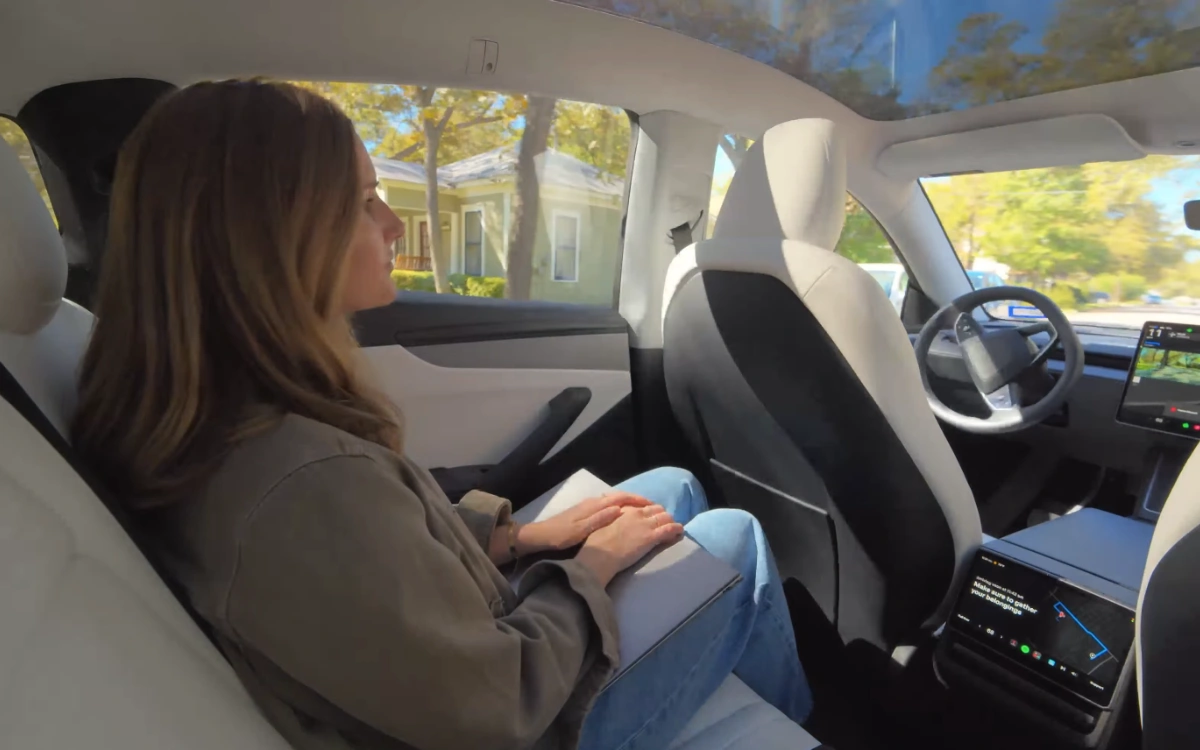

Companies like Tesla and Waymo have been trying to sell the idea of a self-driving robotaxi to the public, but are there truly no humans involved in the process?
You may think you’re sitting in a driverless EV, but there’s a lot going on behind the scenes.
From remote operators to hidden safety systems, there’s a lot more human input than the marketing suggests.
And as it turns out, true autonomy is still much further away than most people think.
Enter our competition to win a stunning 2006 Ford GT or $400,000 cash!
The definition of ‘self-driving’ is tricky
In a deep dive by Business Insider, the reality of today’s ‘self-driving’ tech was laid bare, starting with a simple truth: none of it is actually fully autonomous.
Even the most advanced systems on the road today fall short of Level 5 autonomy, the holy grail where a car can drive anywhere, anytime, without human input.
Instead, most systems sit at Level 2 or Level 4, meaning humans are still very much part of the equation.
Take Waymo, for example.

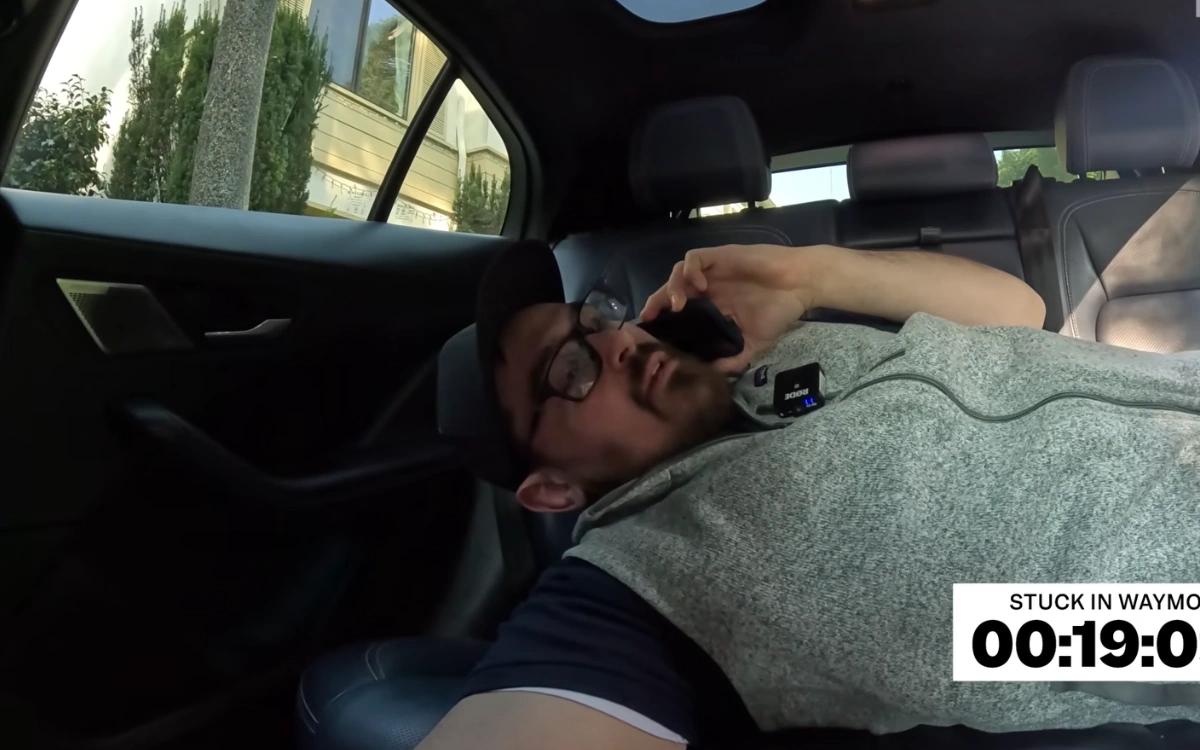
Its robotaxis may not have a driver behind the wheel, but they still rely on a network of remote assistance agents who step in when the car gets confused.
In one case, a simple pickup turned into a 30-minute ordeal because the car couldn’t adapt without human guidance.
Multiply that across an entire fleet, and suddenly the idea of ‘driverless cars’ starts to feel a bit misleading.
The company also received some attention online after it was revealed that the company was paying people $24 just to close the door for passengers who’ve ordered a ride.
There are plenty of humans needed behind the scenes
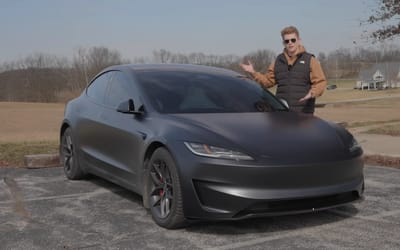
Then there’s Tesla, which takes a completely different approach.
Instead of using lidar and radar like Waymo, Tesla relies solely on cameras and AI.
CEO Elon Musk famously dismissed lidar as unnecessary, but critics argued that relying on cameras alone was like ‘tying one hand behind your back’.
More importantly, Tesla’s Full Self-Driving system still requires constant driver attention, despite its name.
And even when the tech works, edge cases remain a massive hurdle.
Snow can confuse sensors, while unusual scenarios, like a pedestrian behaving unpredictably, can trip up even the most advanced systems.
But perhaps the biggest surprise was how human-heavy the entire ecosystem was.
Behind every robotaxi were teams of engineers, remote operators, maintenance crews, and even safety drivers training the system.
In some cases, there were dozens of people supporting a single fleet of autonomous vehicles.
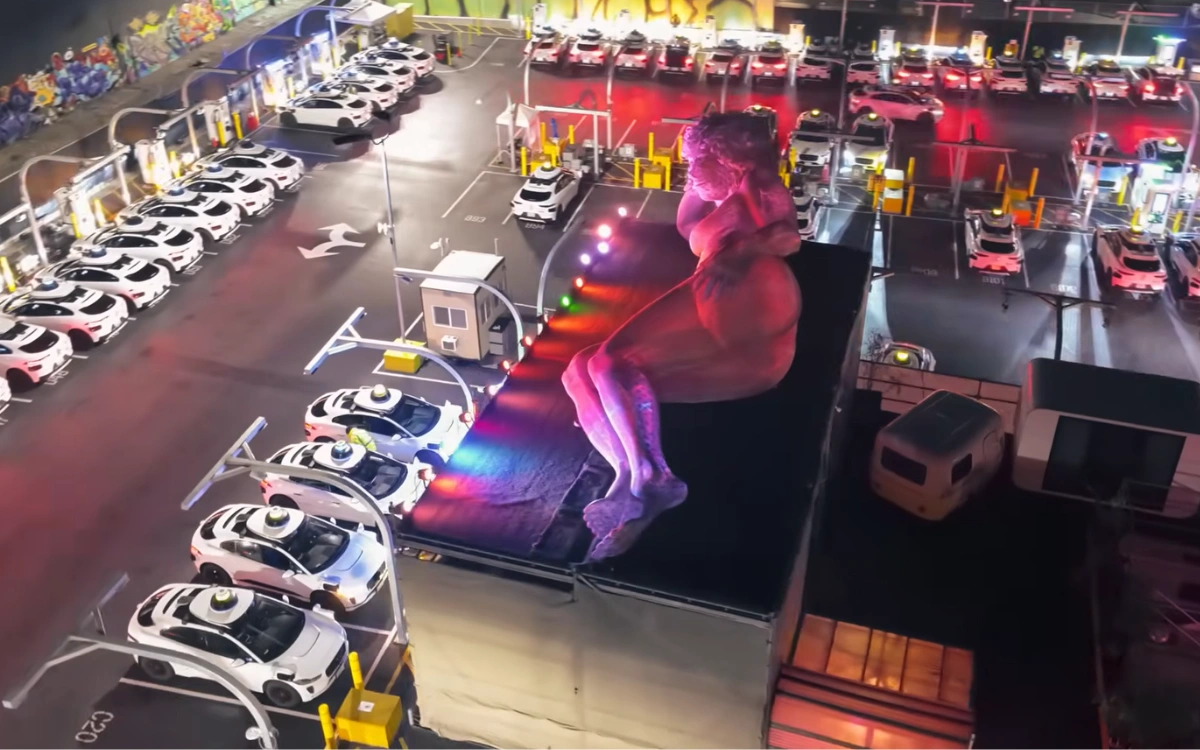
So while self-driving cars might look futuristic on the surface, the reality was far messier.
For now, it would seem that the dream of fully autonomous driving remains a work in progress.
Even if you can’t see them, humans remain firmly in the driver’s seat.
You can check out Business Insider’s full video below:

DISCOVER SBX CARS: The global premium car auction platform powered by Supercar Blondie