People stunned after finding out what the 'G' on a car's stick shift actually means
Published on Aug 20, 2026 at 6:27 AM (UTC-4)
by Henry Kelsall
Last updated on Aug 24, 2026 at 6:39 AM (UTC-4)
Edited by
Mason Jones
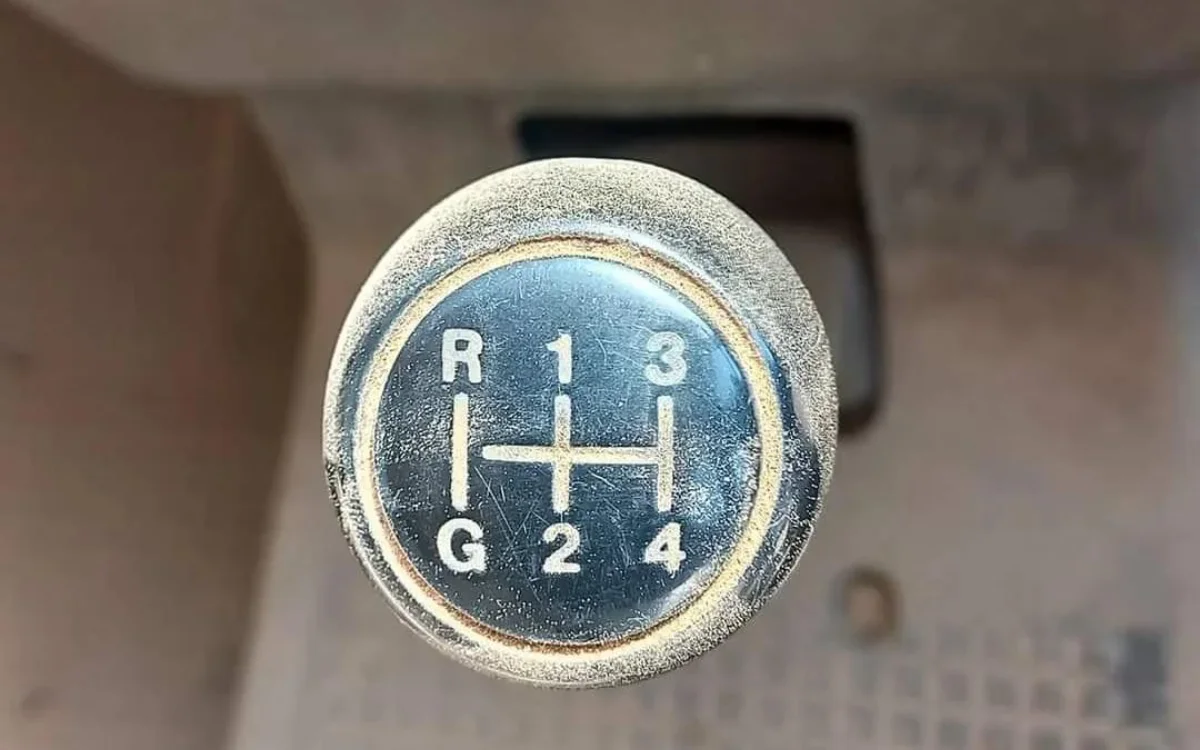

People have been left stunned after they’ve found out what the ‘G’ on a car’s stick shift actually means.
Typically, we would expect to find the gear numbers, neutral, and reverse on a stick shift. The idea of anything else appearing on those shifters seems impossible.
However, there will be some people who remember a time when the letter G actually appeared on these gear shifters.
It sounds like a strange thing to have, but when you realize why it is there, it begins to make a lot of sense.
What does the G on a stick shift shifter mean?
The G gear, as you probably expect, is more often found on older cars, trucks, or specialized off-road vehicles.
One vehicle that you could find it on is an older model of the Mercedes G-Wagen SUV, as these have manual transmissions.
The car being German should also give you a clue.
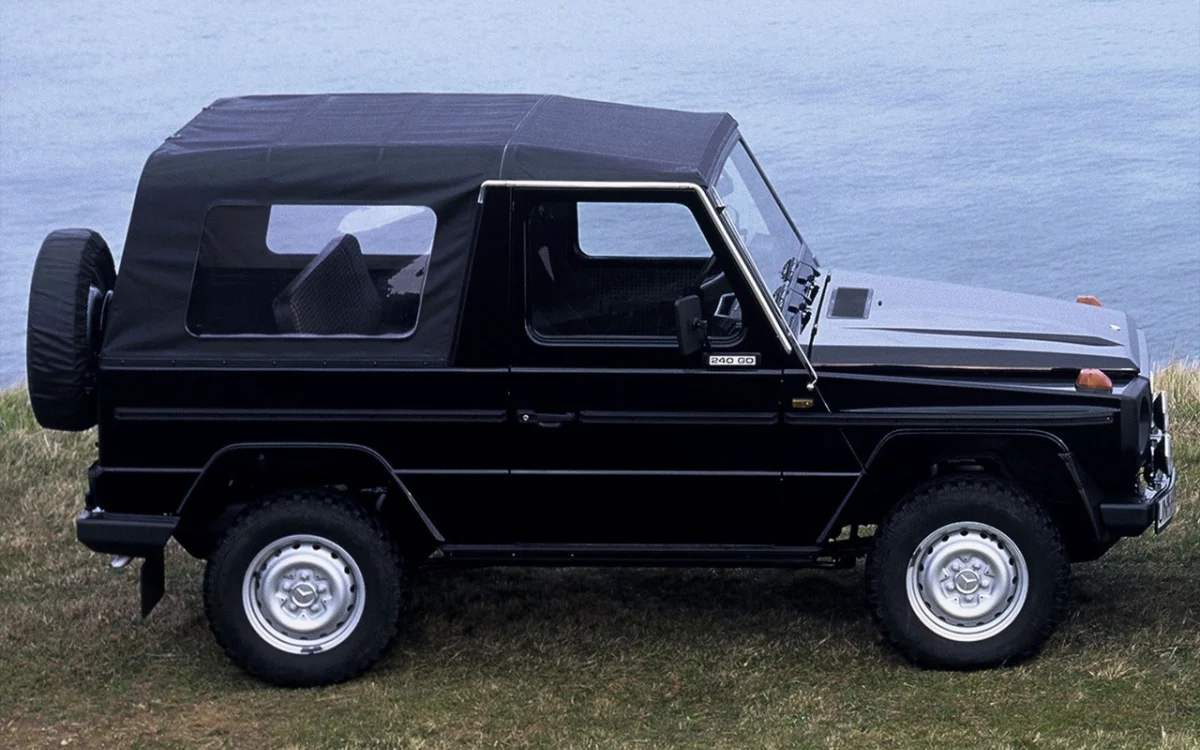
The G is German for Gelände (terrain).
It is often referred to as ‘Ground’ or ‘Granny Gear’, neither of which sounds as cool as Gelände.
What the Gelände gear does is select an ultra-low gear for the car you are in.
This provides maximum torque, which is what you want if you are carrying a heavy load or starting on a hill.
Related


What other cars have a G gear?
Incredibly, there was a car that had a G gear that you wouldn’t expect.
This is the 1986 Porsche 959, arguably one of the best sports cars ever produced.
The Porsche 959 had the G gear to allow the car to meet noise regulations and start quietly.
It meant that the neighbors around you would not be disturbed by the sports car as it set off.
As the gear also increased torque, the sports car could easily pull away in the G gear.
Now, though, cars simply do not need the G gear.
Transmission timeline
1894: French inventors Emile Levassor and Louis Rene Panhard develop the first manual sliding-gear mechanism
1904: The Sturtevant brothers create an early automatic gearbox using centrifugal weights to shift gears
1908: The Ford Model T debuts with a pedal-operated planetary gear setup, making driving highly accessible
1928: Cadillac introduces synchromesh technology, eliminating the need for drivers to double-clutch
1939: General Motors launches the Hydra-Matic, the world’s first mass-produced fully automatic system
1950s: Fluid-coupling torque converters become standard across the industry for smoother shifting
1980s: Continuously Variable (CVT) designs reach mass production, offering infinite ratios instead of fixed gears
2003: Volkswagen introduces the mass-market dual-clutch gearbox (DSG) for rapid, seamless shifting
2010s-Present: Electric vehicles surge in popularity, largely relying on simple single-speed reduction gears
Henry joined the Supercar Blondie team in February 2025, and since then has covered a wide array of topics ranging from EVs, American barn finds, and the odd Cold War jet. He’s combined his passion for cars with his keen interest in motorsport and his side hustle as a volunteer steam locomotive fireman at a heritage steam railway.