Honda explains why electric cars are 'not the goal' as CEO talks about carbon neutral
Published on Aug 08, 2025 at 6:17 AM (UTC-4)
by Alessandro Renesis
Last updated on Aug 08, 2025 at 12:31 PM (UTC-4)
Edited by
Emma Matthews
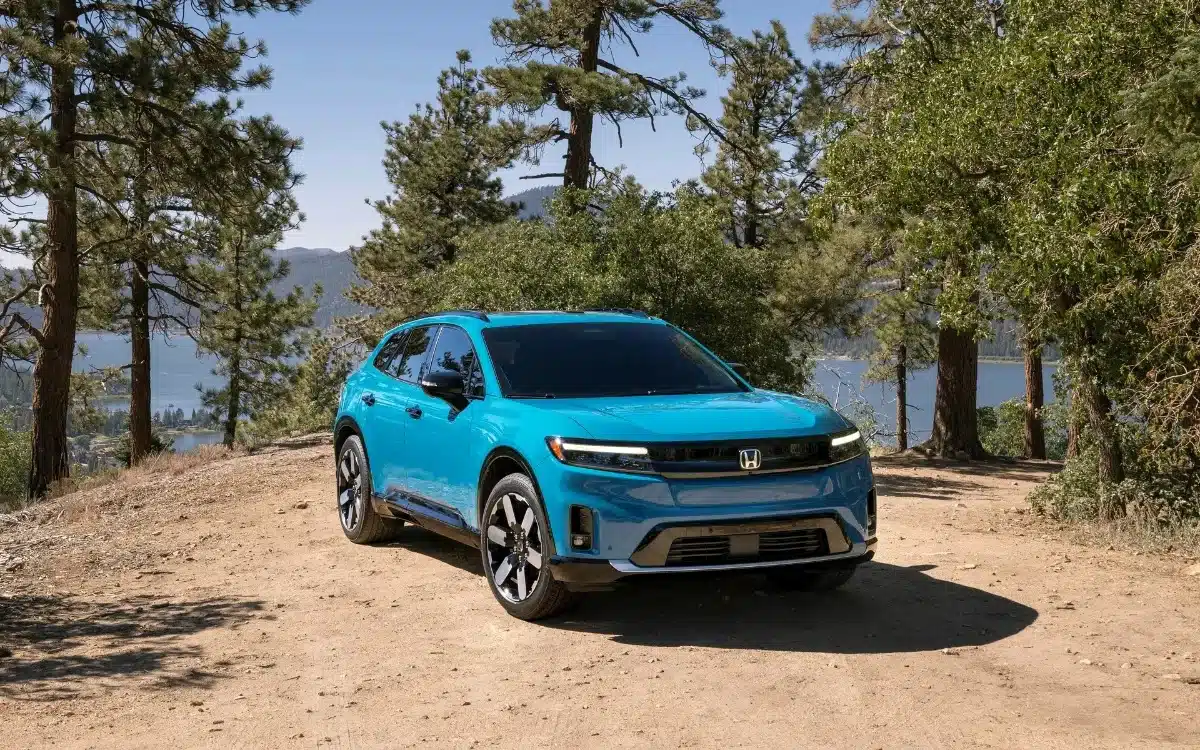

Honda CEO says electric cars are not the be-all and end-all.
The goal, according to Honda, is carbon neutrality, not electric cars per se.
It’s an interesting perspective.
And Honda isn’t the only car brand on board with this theory.
DISCOVER SBX CARS: The global premium car auction platform powered by Supercar Blondie
The point the CEO of Honda Australia is making
Honda joins the growing list of automakers that claim we’re perhaps going a bit too fast when it comes to electric cars.
Speaking to the magazine Drive, the CEO of Honda Australia, Jay Joseph, said we’re perhaps losing sight of the real goal here: carbon neutrality.
“A point I want to make with that is that EVs are not the goal. Battery-electric vehicles are a pathway to achieving carbon neutral [but] not necessarily the only pathway,” he said.
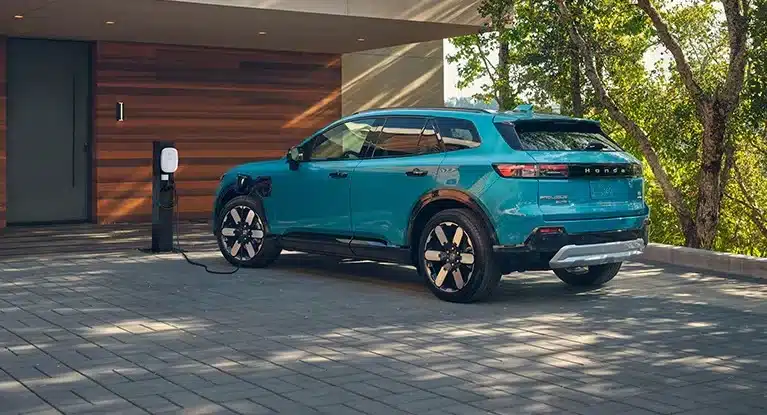
The Honda CEO is making a point other people in the industry are also making, reminding everyone that we shouldn’t fall in love with the idea of BEVs but only see battery electric cars as a means to an end.
And Toyota is definitely on board with this.
The Japanese automaker, a pioneer in terms of hybrid technology, has often repeated that the battery-powered car is one of the solutions, but possibly not the best solution.



What are the alternatives?
Several studies confirm that battery-powered vehicles are ‘greener’ than both hybrids and internal combustion cars, even if we consider the entire lifecycle.
However, some people claim we should spend a bit more time and effort developing clean fuels and hydrogen cars.
Other studies show that hydrogen cars are perhaps even cleaner than battery cars, but there are a couple of issues to bear in mind.
Battery-powered electric vehicles are relatively easy to build.
You source the raw materials you need, build batteries, build a platform, and then you manufacture the car.
It’s definitely not cheap, but it’s a well-known process, and automakers have been fine-tuning it for over a decade.
By contrast, hydrogen cars are a bit more difficult to build, chiefly because turning hydrogen into usable fuel is a complex and expensive procedure.
Ultimately, that’s one of the main reasons why hydrogen cars aren’t taking off.
Alessandro is an automotive journalist with 10 years of experience covering supercars, automotive history, emerging vehicle technology, and luxury transportation. He wrote the first article published on SupercarBlondie.com when the website launched in 2022 and has since built a reputation for insightful reporting across the automotive and transportation industries. His expertise is grounded in hands-on experience. Alessandro has driven every Tesla model ever produced, from the original Roadster to the Cybertruck, and regularly covers the latest developments in electric vehicles and automotive innovation. His passion for transportation extends beyond cars, he has even flown a Boeing 787 Dreamliner simulator in Addis Ababa, Ethiopia. His reporting spans everything from classic American muscle cars and rare automotive discoveries to luxury yachts, private aircraft, high-end watches, and cutting-edge vehicle technology. Known for his deep knowledge of automotive history and ability to uncover the stories behind iconic vehicles, Alessandro brings readers a blend of historical context, technical expertise, and first-hand experience.