Japan is working on a 310mph maglev train line that will shorten 177.5 mile Tokyo and Nagoya journey to take just 40 minutes
Published on May 13, 2026 at 11:09 AM (UTC-4)
by Alessandro Renesis
Last updated on May 13, 2026 at 11:09 AM (UTC-4)
Edited by
Mason Jones
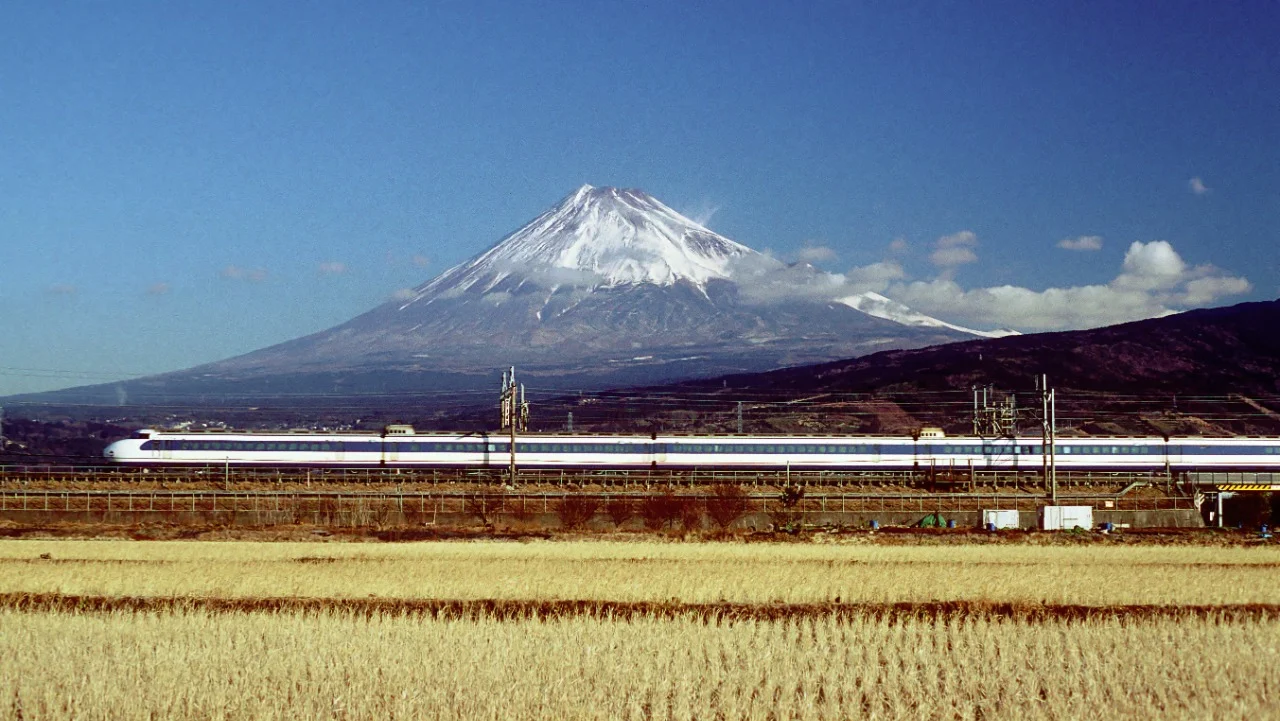

Japan is working on an extension of the Shinkansen line to include a maglev train that can supposedly connect Tokyo to Nagoya in just 40 minutes.
For the record, that’s a distance of 177 miles – equivalent to 284 km.
That’d be the same as traveling from Seattle, Washington to Portland, Oregon in less than it takes to watch a the first half of a soccer match.
That’s the good part, but unfortunately there’s also bad news.
This will be part of the Shinkansen line
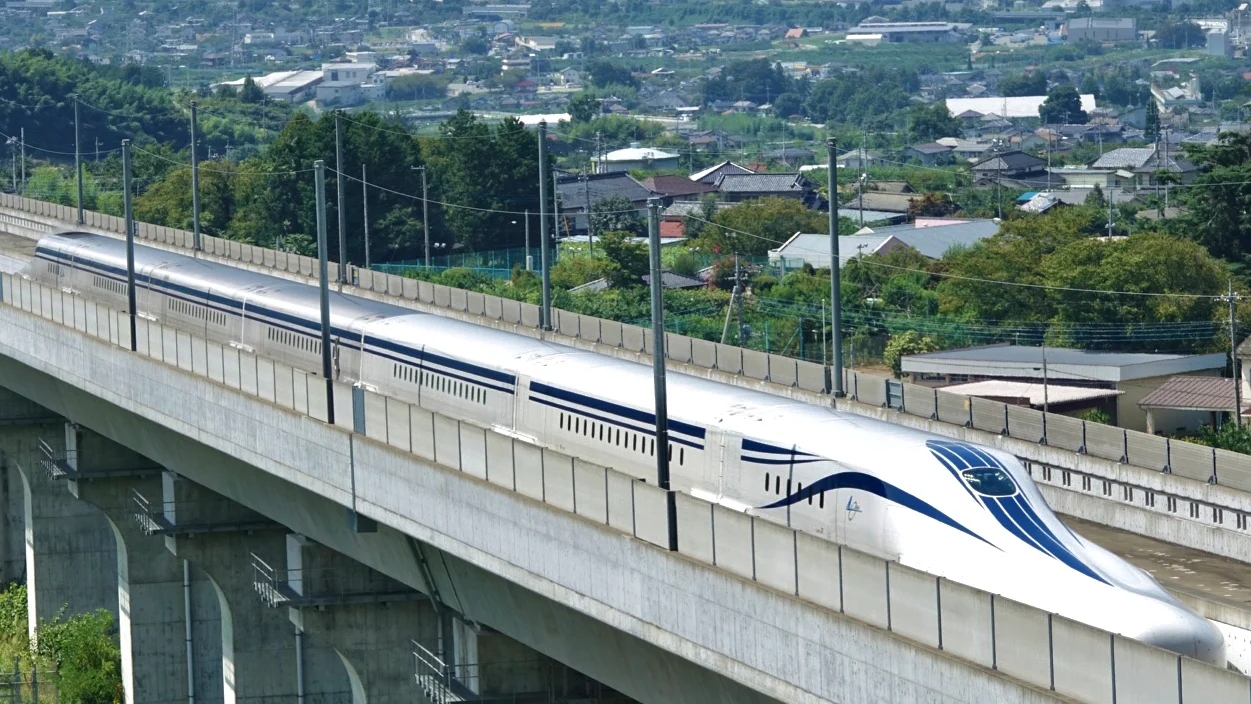
The new train will be part of the Chuo Shinkansen line, a new addition to the network of high-speed ‘Bullet Trains’ Japan is famous for.
Specifically, this project is part of the larger Shinkansen line, and it is designed to connect the capital Tokyo to Nagoya, around 177 miles away, in 40 minutes at a speed of 500 km/h – or 310 mph.
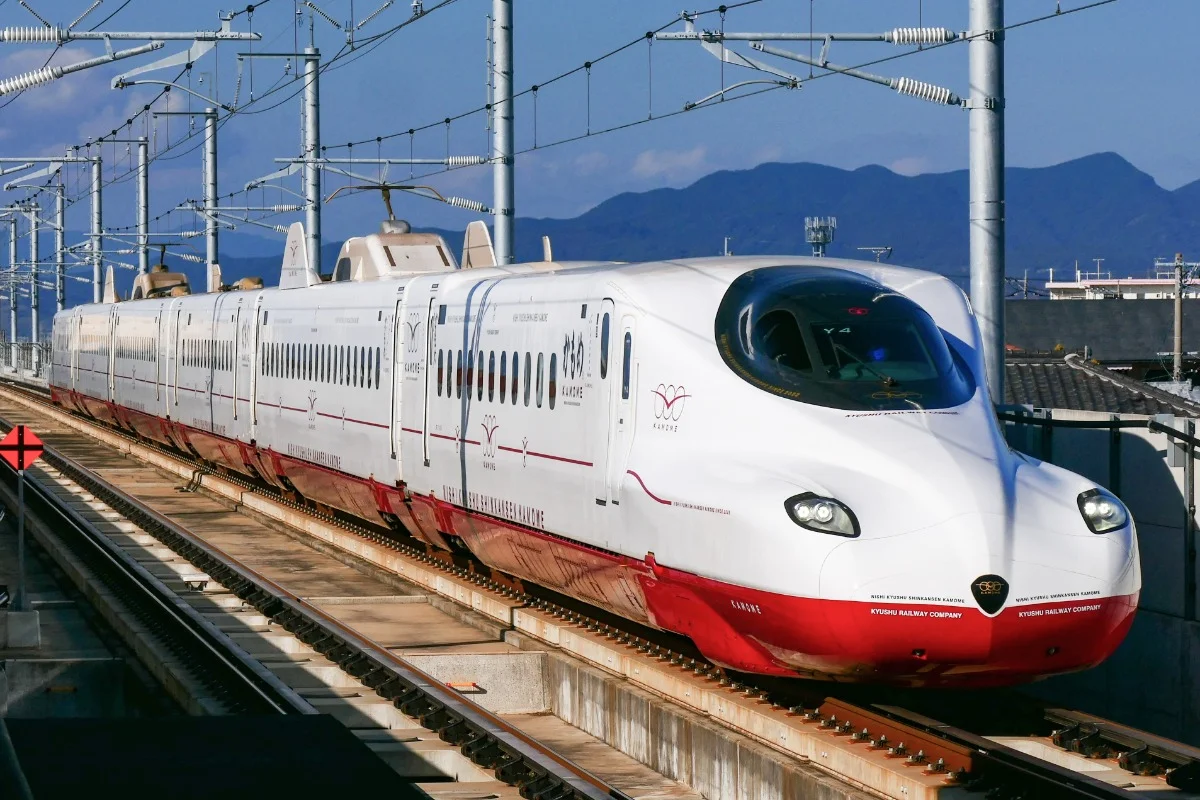
This would be made possible using magnetic levitation – commonly called ‘maglev’ – which brings several advantages, chief among which is lack of friction.
Friction kills everything: it slows the train down and it reduces efficiency.
But with maglev, technically, the train is never physically touching the rails, so there’s no rolling friction, which also makes the train ride quieter, smoother, and faster.
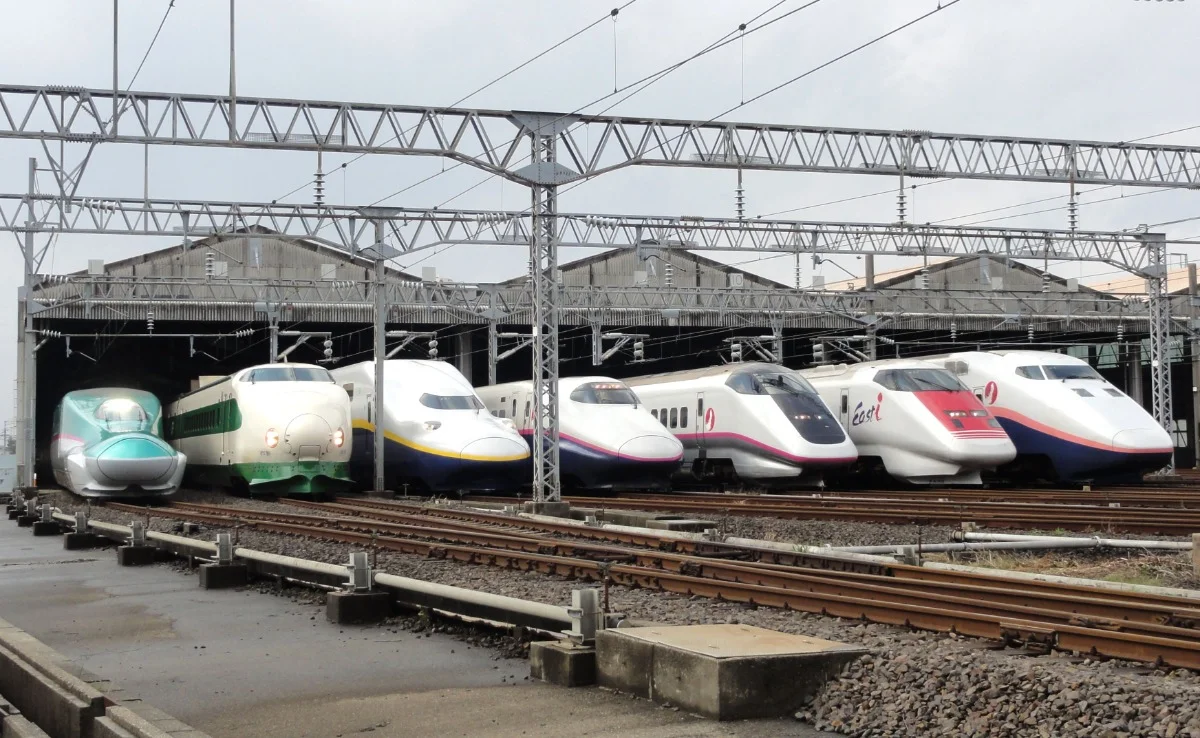
That’s the good part, but now we need to mention the bad news: there’s a significant delay with this project.
It was originally planned for 2027, but the launch was then pushed back to 2034, and now they’re talking about 2037.
Related


Maglev trains are a thing, and not just in Japan
The aforementioned Tokyo-Nagoya train isn’t here yet, but it’s important to point out that maglev trains exist.
These trains aren’t vaporware – they’re already in service.
While maglev trains are already up and running, they’re still relatively rare, and can generally only be found in Korea, Japan, and of course, China.
China built one that can exceed 600 mph, and the fastest train in the world, also in China, uses this type of technology.
Timeline of the most significant milestones in maglev development
1934: German engineer Hermann Kemper – ‘the father of maglev’ – is granted the first functional patent for magnetic levitation technology
1967: American physicists patent the use of superconducting magnets
1984: The world’s first commercial maglev system opens in Birmingham, England
2004: China launches the first high-speed (268mph) commercial maglev train
2015: Japan sets a new world record reaching 375mph
2025: Chinese scientists at NUDT set a new record reaching 435mph in under two seconds
Alessandro is an automotive journalist with 10 years of experience covering supercars, automotive history, emerging vehicle technology, and luxury transportation. He wrote the first article published on SupercarBlondie.com when the website launched in 2022 and has since built a reputation for insightful reporting across the automotive and transportation industries. His expertise is grounded in hands-on experience. Alessandro has driven every Tesla model ever produced, from the original Roadster to the Cybertruck, and regularly covers the latest developments in electric vehicles and automotive innovation. His passion for transportation extends beyond cars, he has even flown a Boeing 787 Dreamliner simulator in Addis Ababa, Ethiopia. His reporting spans everything from classic American muscle cars and rare automotive discoveries to luxury yachts, private aircraft, high-end watches, and cutting-edge vehicle technology. Known for his deep knowledge of automotive history and ability to uncover the stories behind iconic vehicles, Alessandro brings readers a blend of historical context, technical expertise, and first-hand experience.