Low-income family in China go on the hunt for a new EV they can afford with $0.01/km target and they share full expenses after using 164km loophole
Published on Aug 16, 2026 at 8:09 PM (UTC-4)
by Ben Thompson
Last updated on Aug 17, 2026 at 4:47 AM (UTC-4)
Edited by
Mason Jones


This low-income family in China were on the hunt for an affordable new EV.
Their current vehicle – a third-hand van with no air conditioning – was in need of trading in.
So they decided to pool their savings together and invest in a new electric vehicle with a 670km range.
But along the way, the family learned how to get the best deal, thanks to a 164km loophole.
When it comes to cars, everyone likes to get a bargain
If you’re making a decision about what car to buy, you’d be hesitant to make a choice if you knew it’d cost you more money than necessary, right?
Plenty of people have been faced with this dilemma over the years, with studies being conducted to determine how much the most reliable brands cost.
One man managed to pull off a remarkable deal when he set out to buy a new SUV with a $20,000 budget.
But when it comes to EVs, that’s a whole other ball game.
A primary concern for many EV buyers is the potential hikes in electricity bills that come with it, but many owners have found this not to be a concern.
For one family in China, an EV was at the top of their wishlist.
YouTube channel Nancy’s Family in China had their eye on getting a new car.
The van they were currently using wasn’t cutting it anymore.
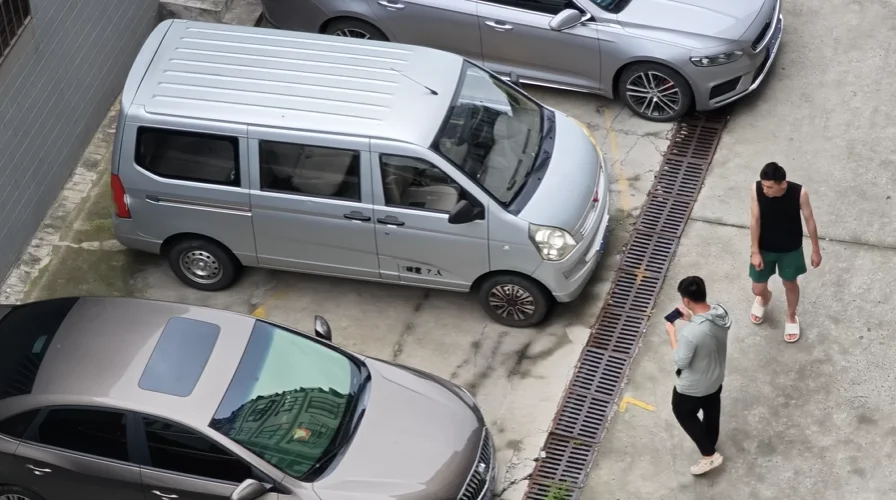
“My dad has been driving a third-hand van with no air conditioning,” Nancy explained.
“In the 40° C [104°F] summer heat, the inside feels just like a steamer. Every time I see him drenched in sweat after driving, my husband and I feel so heartbroken.”
They wanted an EV that could manage 670km in range and didn’t cost them a fortune.
But for a family of modest means, they’d have to do some digging to find the right car.
Related

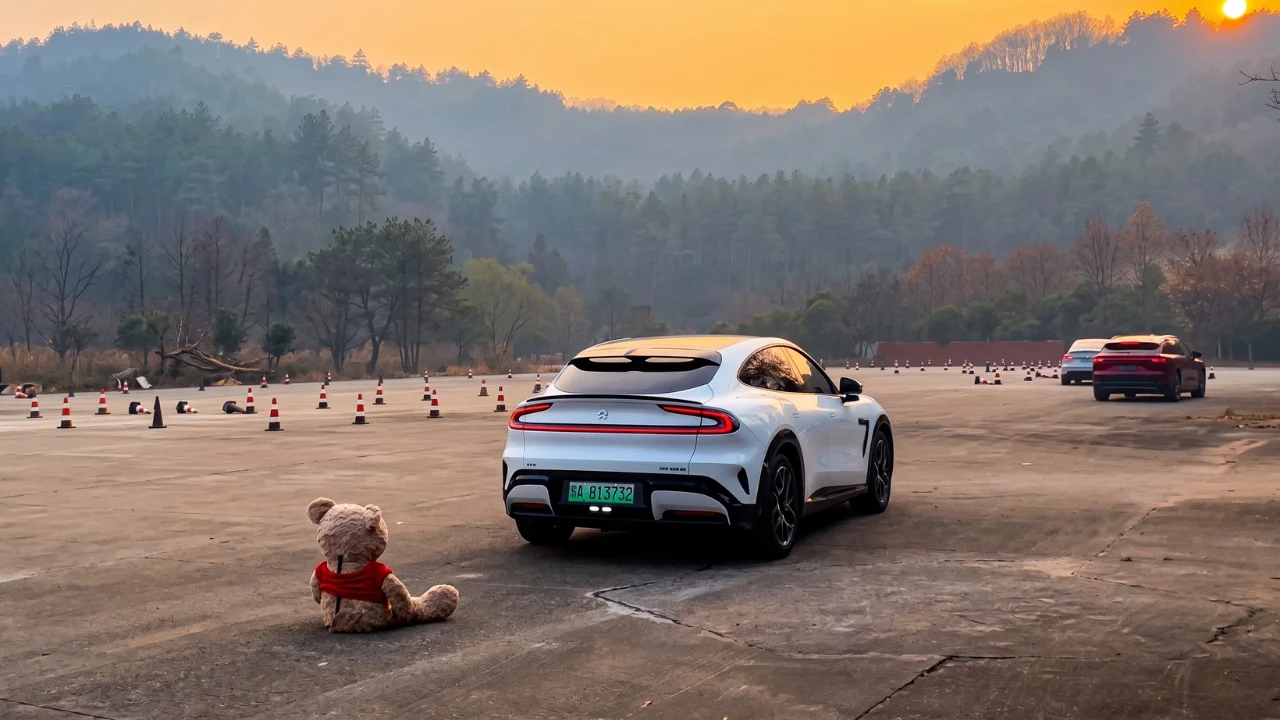
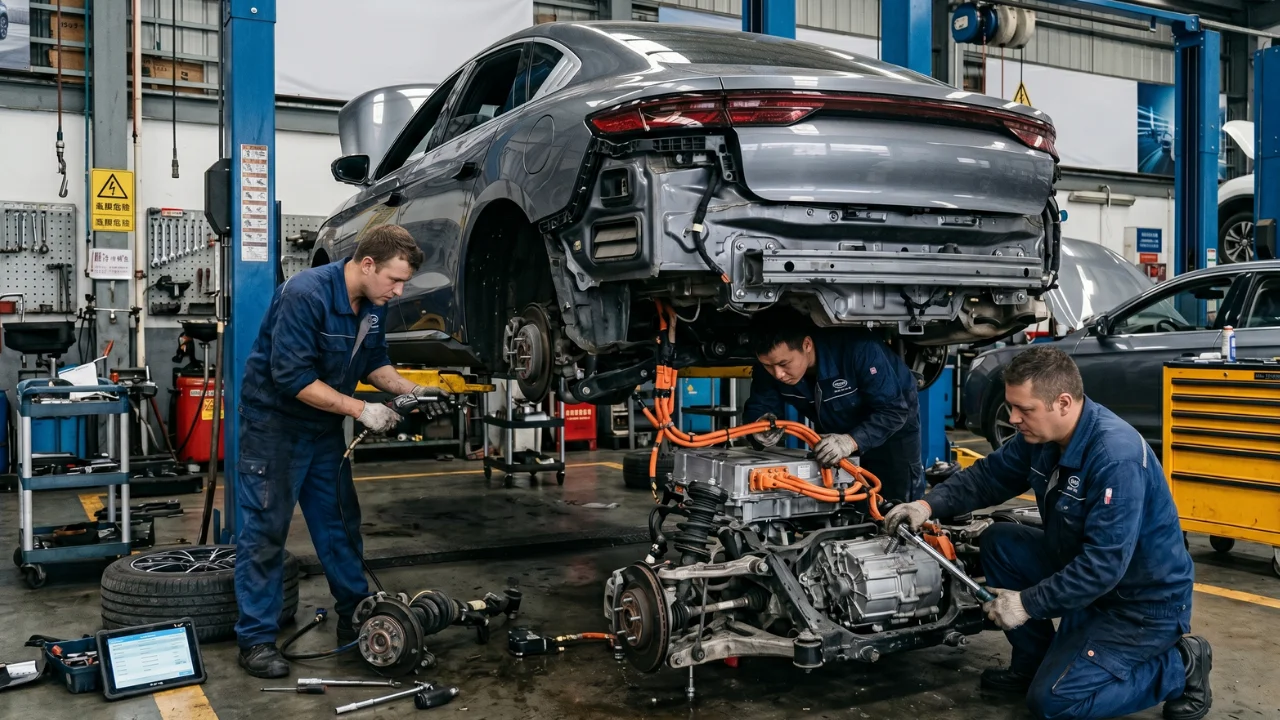
Could they find an EV that met these requirements?
First things first, they’d have to trade in the van, which is a digital process in China.
Using an app, they scheduled an appraisal, and an inspector dropped by the house to verify paperwork, photograph the van, and upload it to an online dealer auction.
Concurrently, they used Baidu to locate regional second-hand dealers and messaged them directly on WeChat to compare bids.
At any rate, they managed to sell off the van within two days.
Upon doing research, they found that prices for EVs varied wildly by regions.
The 164km loophole that proved to be the golden ticket for a new EV
They realized that a dealership in Suzhou offered higher municipal trade-in subsidies than the options they had nearby.
This led them to travel 164km to take advantage of this higher local subsidy.

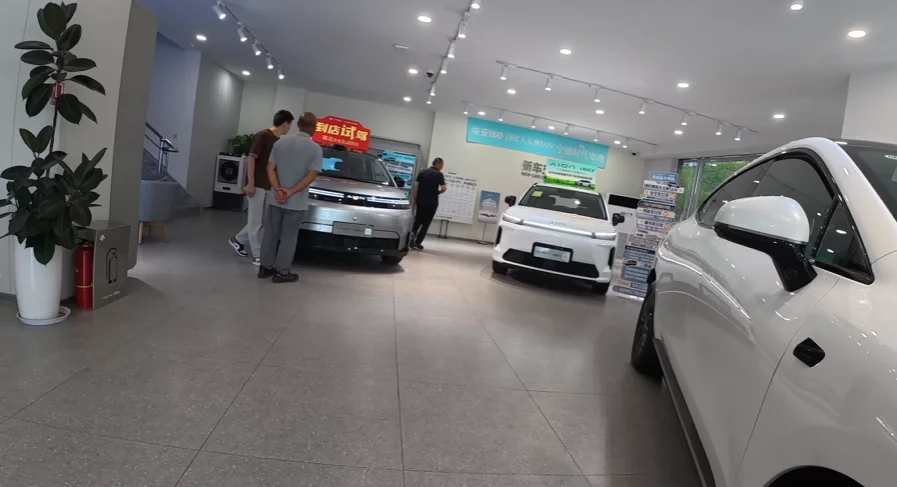
Through a combination of local government incentives, manufacturer promotions, and showroom negotiation, they managed to score themselves a new EV – GAC Hyptec HT 670 Pro – a for $21,000.
Discounts included a $1,700 government trade-in subsidy and a $1,400 manufacturer subsidy.

“Buying a car is just like living life. There’s no need to blindly chase expensive luxury brands for an ordinary working family like ours,” the YouTuber concluded.
It’s always important to do your research to ensure you’re getting the best deal.
“We are very happy with the purchasing process and the trade-in subsidies we received,” Nancy told Supercar Blondie.
“Upgrading from my dad’s old, non-air-conditioned van to this new EV has been a huge improvement for our family.
“We are currently testing its real-world performance, smart features, and long-term range in our everyday life.”
Ben joined Supercar Blondie in February 2025 after being published by international organizations including LADbible, The Sun, the New York Post, and the Daily Mail. He covers supercars, rare and collectible vehicles, aviation, luxury assets, and the fascinating people behind them. His reporting has explored everything from seven-figure supercars and historic Ferrari collections to unusual aircraft adventures and extraordinary automotive discoveries from around the world. Ben has also gained first-hand insight into vehicle craftsmanship and customization, including visiting specialist workshops to see bespoke vehicles up close.