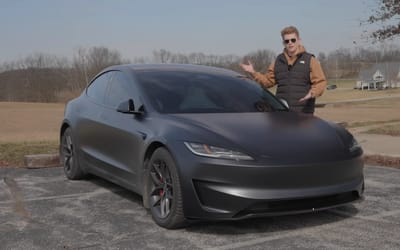
Man who's owned Tesla Model 3 for a year breaks down the real running costs and compares them to gas and diesel cars
Published on Jan 25, 2026 at 9:20 PM (UTC+4)
by Jack Marsh
Last updated on Jan 23, 2026 at 4:21 PM (UTC+4)
Edited by
Emma Matthews
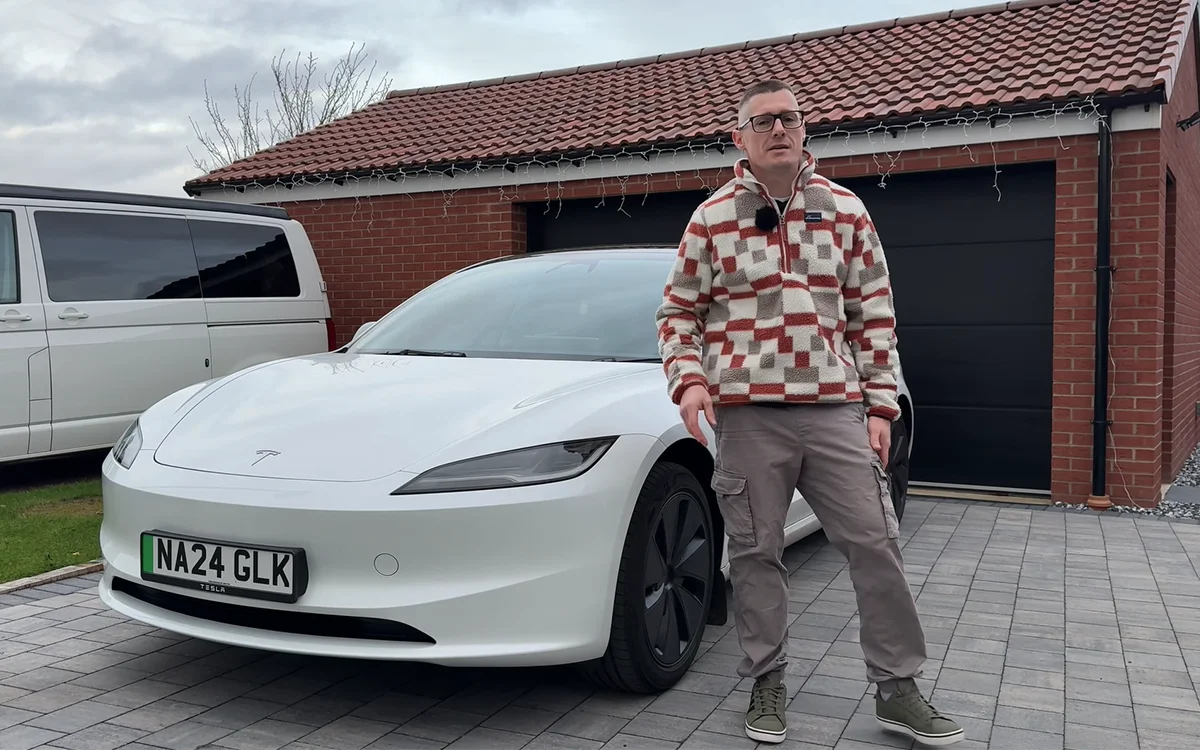

After making the switch from diesel to petrol to electric cars, this year-long Tesla Model 3 owner compares the running costs he faced between all three types of vehicles.
Electric cars come at premium prices with a ‘guarantee’ of saving you money in the long run.
But now that the infrastructure is growing and there are more EVs on the road plugging into the mainframe, is this promise of cost-cutting actually putting cash back into your hands?
Well, one year after making the switch from diesel and gas cars to a Tesla Model 3, this man has broken down the difference in running costs.
VISIT SBX CARS – View live supercar auctions powered by Supercar Blondie
The highest secret costs of owning new Tesla cars
When it comes to buying an EV, the marketing flirts with the idea that they’re a lifelong investment that will cut your fueling habits down tenfold.
While some people have found success on this front, especially in Tesla cars, others have found that there is a range of secret costs that even the playing field.
Over in Britain, YouTuber Homeworx Garage UK has been detailing his journey to becoming a Tesla Model 3 owner, and claims that the stigma around these cars has inflated some costs, such as insurance.

In the UK, the man got his first year of road tax for free, due to a lack of emissions, and will pay $243 a year moving forward, rising to $405 if he drives over 10,000 miles.
Comparatively, this is the same for all electric vehicles in the country.
But is substantially cheaper than diesel cars, which come with high premiums on the first year basis – up to $7,428 for engines producing over 255 grams of carbon dioxide per kilometer. A diesel Mercedes C-Class, for example, generates 121g/km, making its first tax payment $595.
So, that’s actually savings in the bank for Tesla.
However, that is quickly made up for in insurance costs.
The YouTuber revealed that his insurance increased over 50 percent with the Tesla Model 3, compared to his previous diesel van.
It rose from $473 a year to $672.
However, he revealed that so far, maintenance costs were non-existent and the car was still running as well on 10,000 miles as it did on its first.
So, now it’s time to look at the fuel costs.
Click the star icon next to supercarblondie.com in Google Search to stay ahead of the curve on the latest and greatest supercars, hypercars, and ground-breaking technology
How do his Tesla Model 3 costs compare to diesel and petrol cars?
Here’s where the Tesla Model 3 comes into its own. Around 10,000 miles in, it’s cost him $267 of electricity using home charging rates of 11.5 cents per kWh.
Public charging can be over 10 times more expensive, although Tesla superchargers can vary from 54 cents per kWh in the daytime to 32 cents per kWh at night.
Still, UK driving habits usually mean public charging isn’t needed, and you can do most of your charging from home.
Compared to diesel and petrol, this was over $1,350 of savings every year.
Based on current market prices and average miles per gallon rates, 10,000 miles in a diesel car comes out at around $1,620 a year, while gas increases to $1,845.
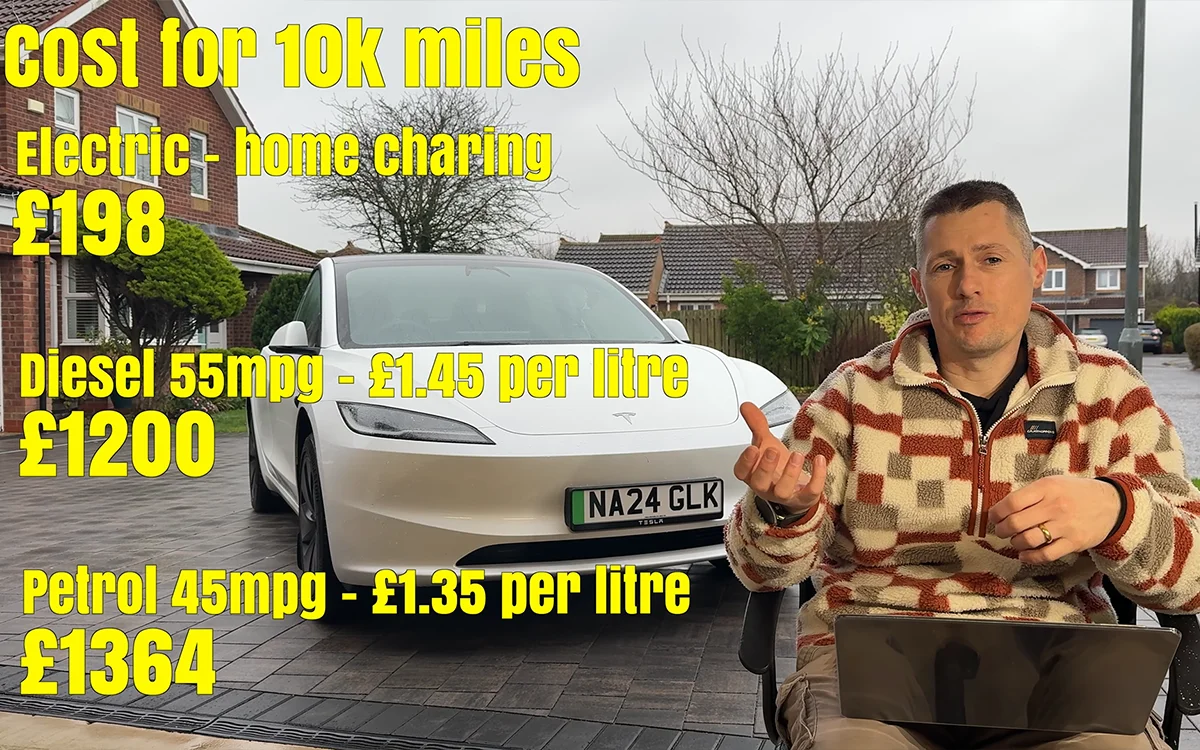
In just five years, the man could end up with fuel savings of around $7,000, and that quickly trumps the premium prices of these vehicles.
Similar tests have also found massive savings, putting evidence to the claims that EVs will save money in the long run.
DISCOVER SBX CARS: The global premium car auction platform powered by Supercar Blondie
After beginning his career writing about all things gaming, Jack joined the Supercar Blondie team in November 2024 as a Content Writer. Since joining SB Media, in addition to a love for covering emerging tech, he has developed an admiration for vintage restorations, particularly old American brands like Dodge and Ford.