Using math can help to reduce traffic jams and this is what you need to do when you're in one, including not changing lanes
Published on Aug 01, 2026 at 5:23 AM (UTC-4)
by Daisy Edwards
Last updated on Aug 01, 2026 at 5:23 AM (UTC-4)
Edited by
Kate Bain
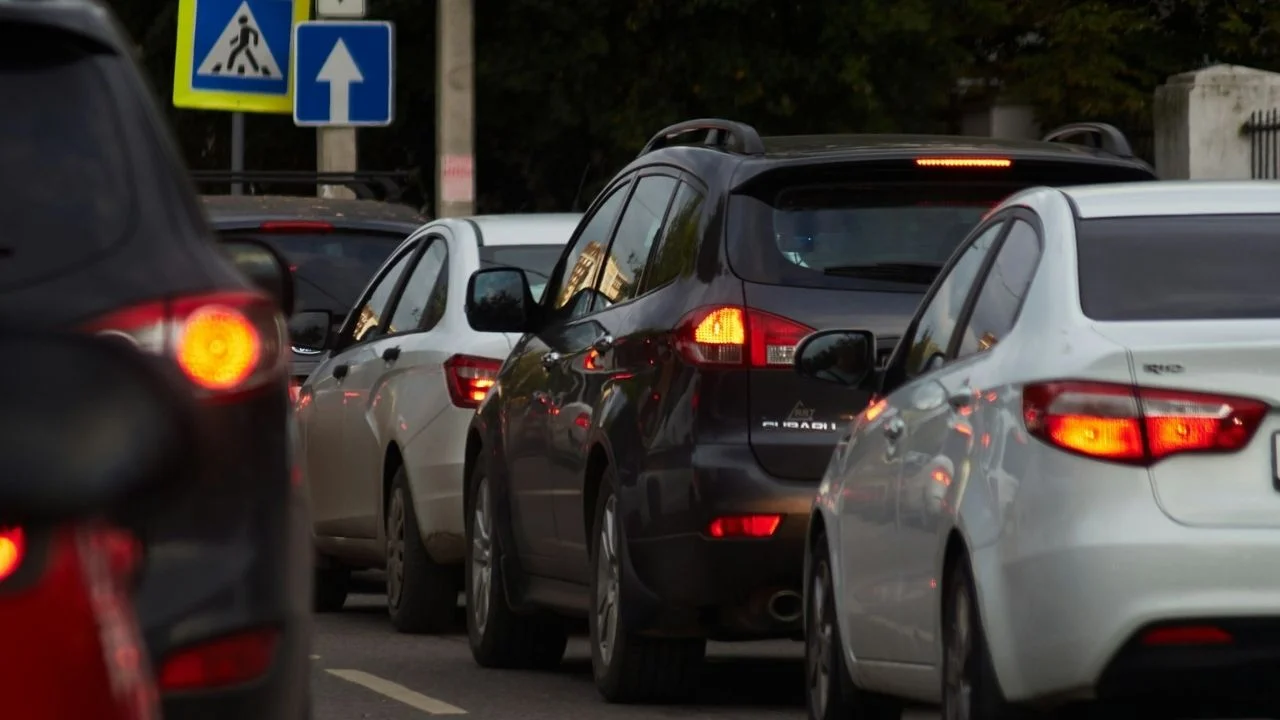

Whether you love it or loathe it, using math can help to reduce traffic jams, and this is what you need to do when you’re in one, including not changing lanes.
While it might sound like something reserved for a classroom, mathematical models have revealed why traffic suddenly grinds to a halt even when there’s no obvious cause.
They also show that some of the things drivers do to try to escape congestion actually make it worse.
So, the next time you’re stuck in bumper-to-bumper traffic, the best solution might be doing less rather than more.
How using math can help to reduce traffic jams
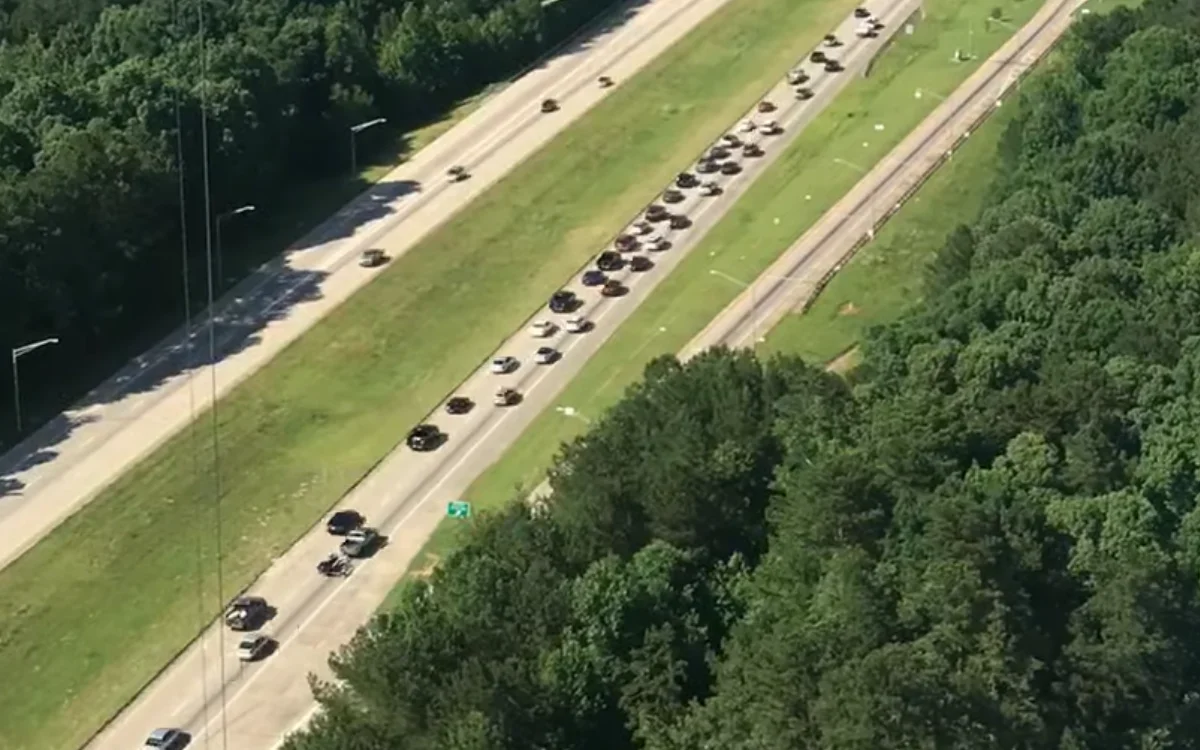
Almost every driver has experienced the frustration of a traffic jam that seems to appear out of nowhere.
There are no car crashes, no roadworks, and no lane closures, yet vehicles slow to a crawl before suddenly speeding up again.
These are known as ‘phantom traffic jams’, and mathematicians say they’re usually caused by tiny changes in the way people drive.
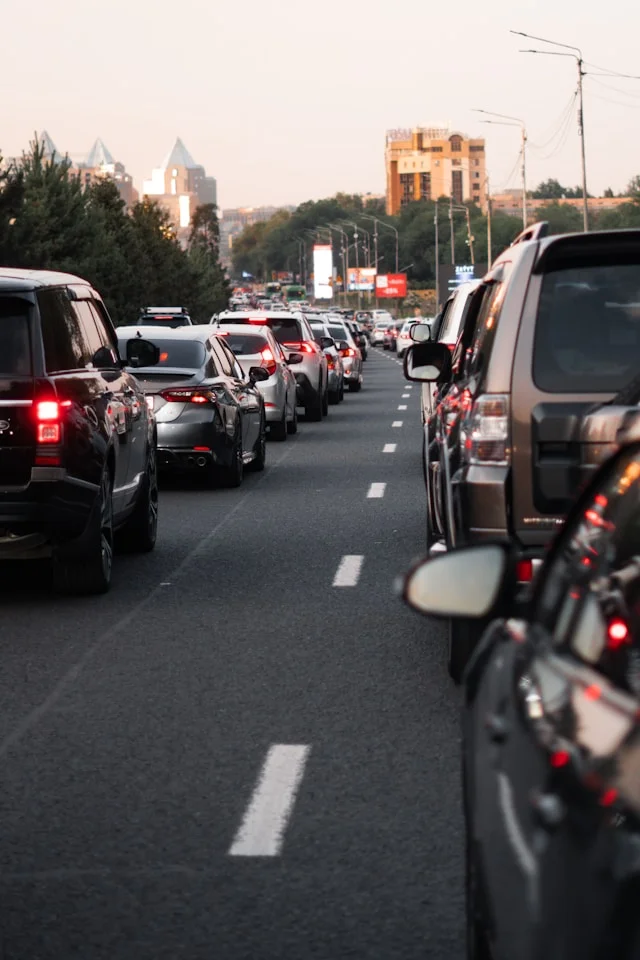
A single driver tapping the brakes can force the person behind them to brake slightly harder.
That reaction continues down the line of traffic until vehicles much further back are coming to a complete stop.
Researchers have even demonstrated the phenomenon in real life.
In a famous experiment in Japan, 22 drivers were asked to travel around a circular track while maintaining a constant speed and leaving enough space between each car.

Despite there being no obstacles at all, small differences in braking and acceleration eventually created a stop-start traffic wave that continued around the circuit.
The research highlights how traffic behaves much like a flowing liquid.
When roads are relatively quiet, adding more cars increases the number of vehicles reaching their destination.
However, once traffic reaches a certain density, average speeds begin to fall sharply, meaning fewer cars actually get through despite there being more of them on the road.
Related
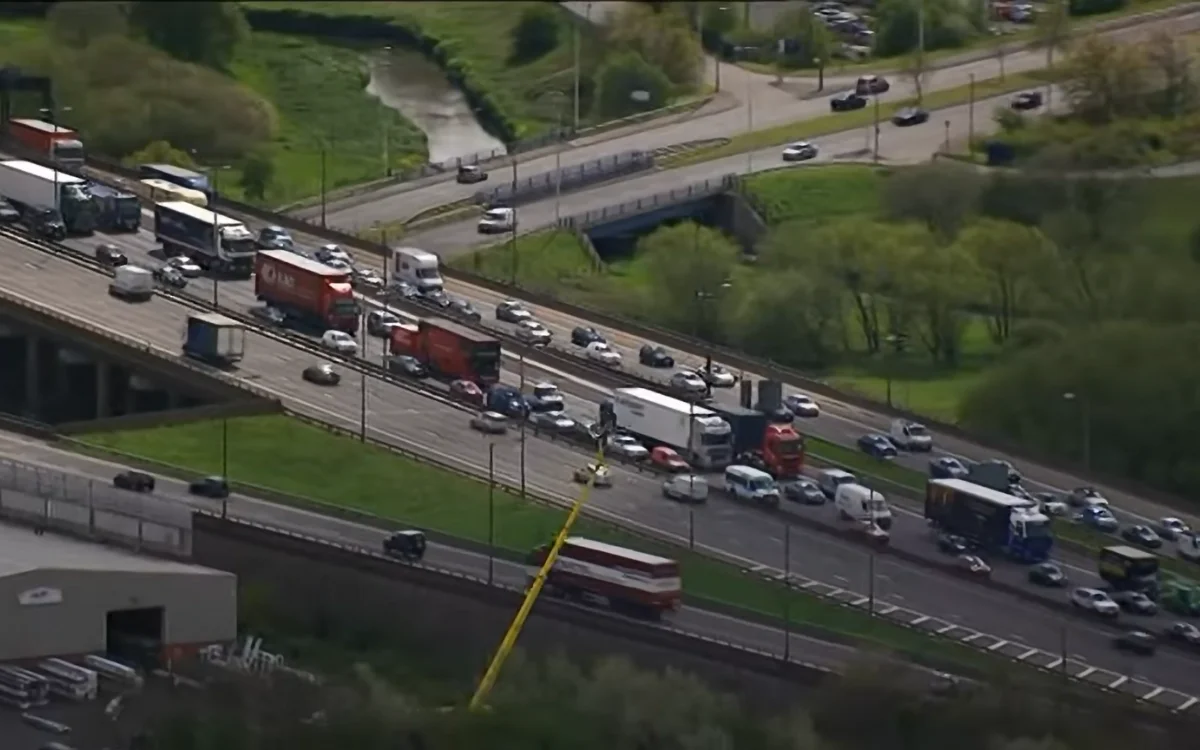
What you need to do when you’re in one, including not changing lanes
One of the biggest takeaways from the research is that constantly changing lanes is rarely worth it.
Many drivers switch lanes believing the next one is moving faster, but every lane change forces surrounding vehicles to adjust their speed and position.
Those small disruptions ripple backwards through traffic and can contribute to the very congestion people are trying to avoid.
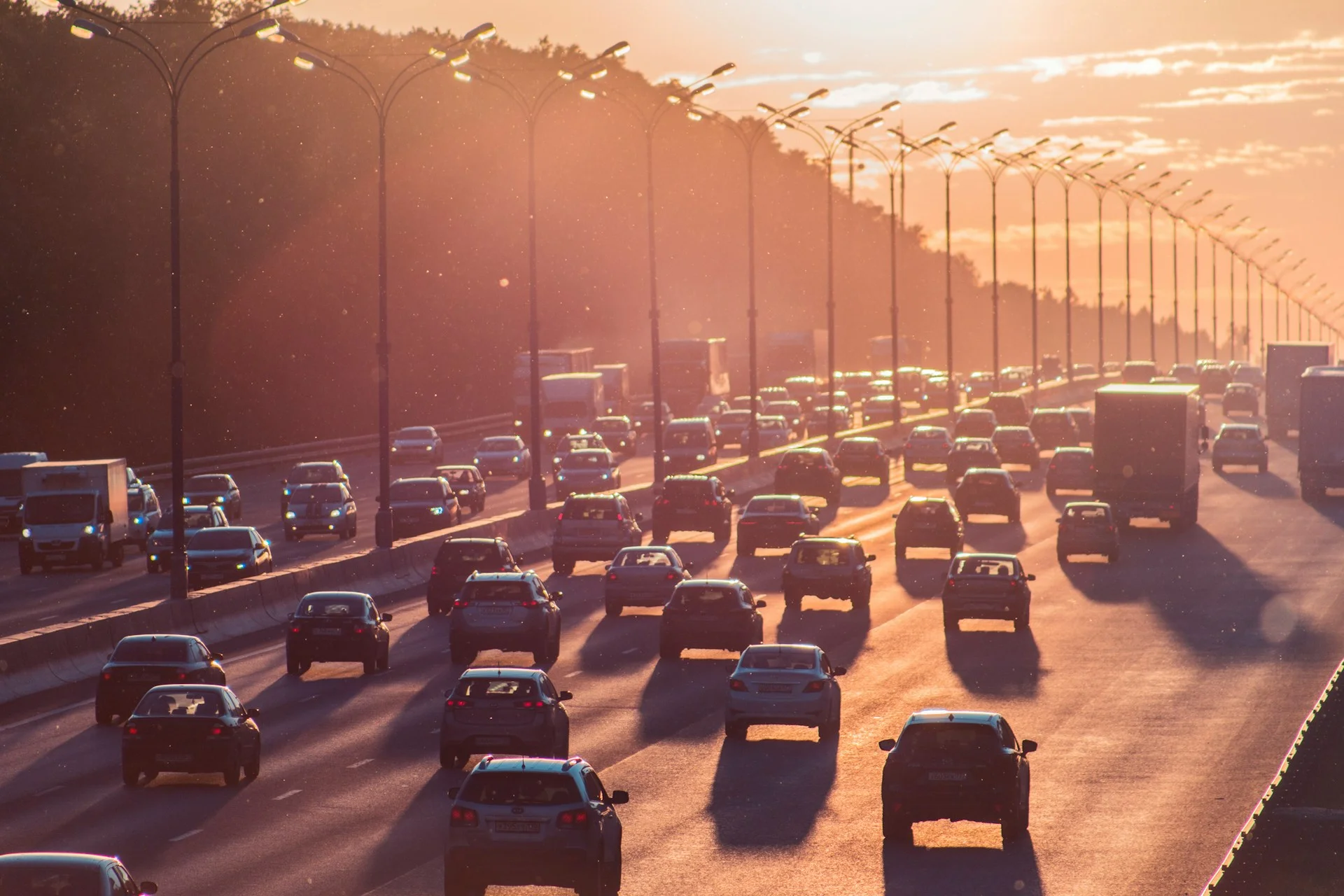
Instead, mathematicians recommend maintaining a steady speed whenever possible, leaving a safe gap to the vehicle ahead, and avoiding unnecessary braking.
By driving more smoothly, each driver helps absorb small disturbances before they develop into larger traffic waves.
The research also points toward a future where technology could make a noticeable difference.
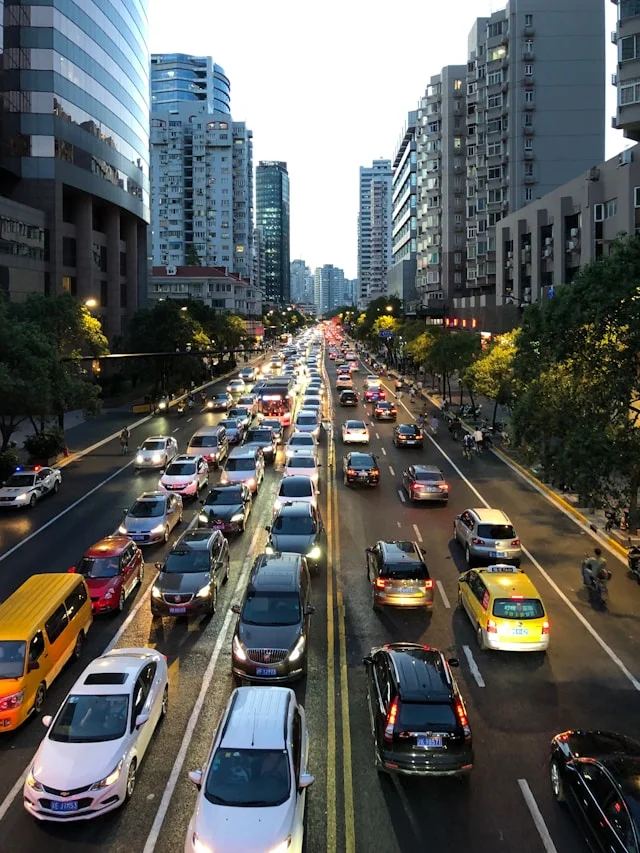
In a follow-up experiment, researchers replaced just one of the human-driven vehicles with an autonomous car programmed to accelerate and brake smoothly.
Even though it represented less than five percent of the traffic, that single self-driving car significantly reduced the stop-start waves around the circuit.
The result was smoother traffic flow and lower fuel consumption for the rest of the drivers.
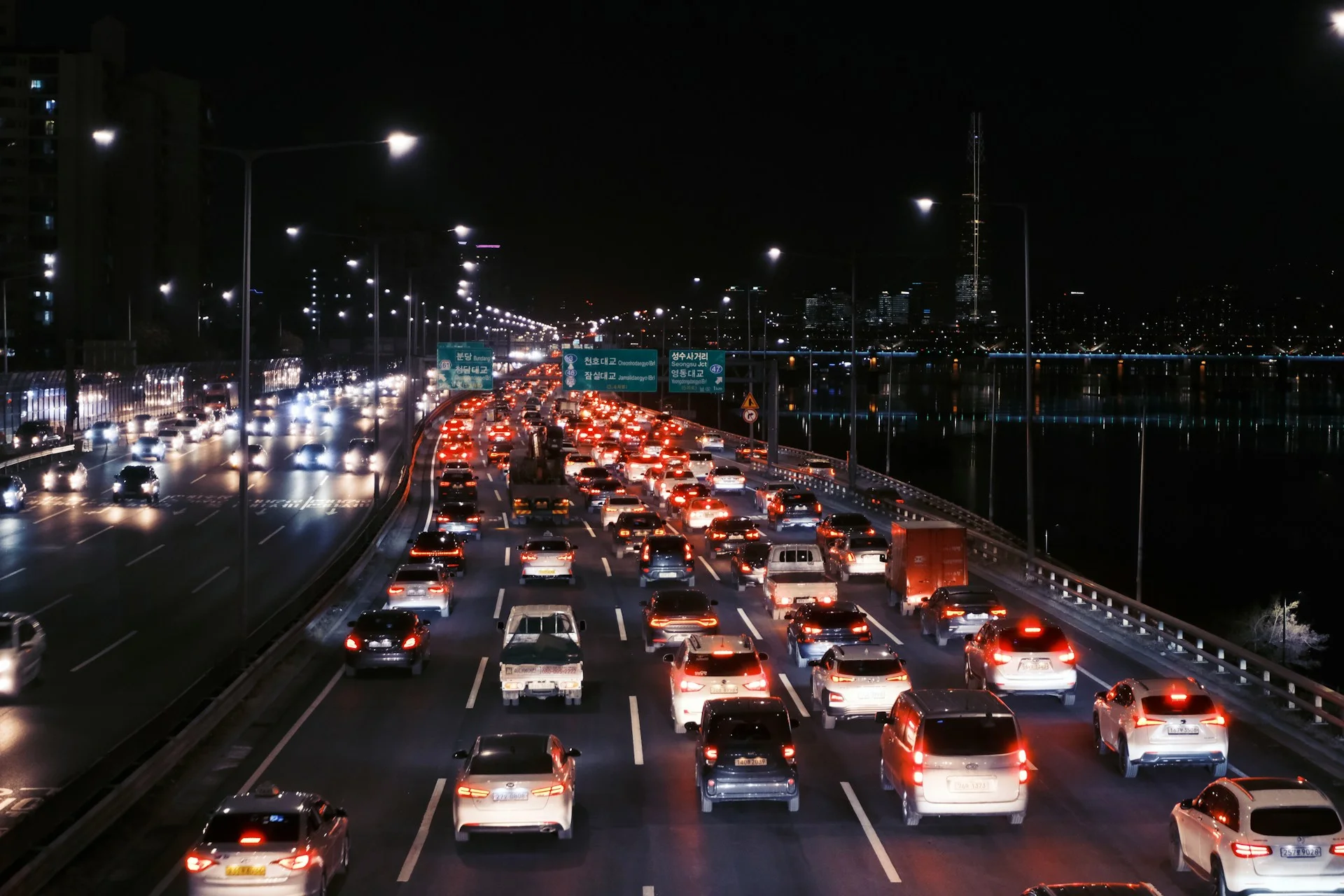
So while it can be tempting to dart between lanes searching for the fastest route through congestion, the math suggests that patience is often the quicker option.
Sometimes, simply not changing lanes and driving as smoothly as possible can help keep traffic moving for everyone – slow and steady wins the race after all…
Daisy is a technology and automotive journalist covering artificial intelligence, consumer tech, Apple news, cryptocurrency, emerging technologies, and transportation innovation. Since joining the team in 2025, she has reported on everything from AI-powered startups and major iOS updates to viral car stories and the latest developments shaping transportation and the digital economy. Drawing on her background in automotive journalism and a degree in History and Journalism from Goldsmiths, University of London, Daisy specializes in breaking down complex topics into clear, engaging reporting for a global audience. Her work spans cutting-edge technology, innovative vehicles, and the people driving change across both industries. Daisy has gained first-hand access to some of the world's most talked-about technologies and innovators, including meeting Tesla's Optimus humanoid robot during its first European appearance in London. She has also discussed the future of space exploration with an astronaut, bringing unique insights and real-world perspectives to her coverage of emerging technology.