NASA is finally allowing astronauts to carry something everyone assumed was already allowed
Published on Feb 11, 2026 at 6:44 AM (UTC+4)
by Jason Fan
Last updated on Feb 11, 2026 at 12:11 PM (UTC+4)
Edited by
Kate Bain
The NASA Artemis II delay has slowed humanity’s return toward the Moon, but it has also opened the door to some unexpected shifts.
The mission, which will send astronauts on a crewed flyby around the Moon, is a major step in NASA’s plan to land humans on the lunar surface again later this decade.
But getting there has proven more complicated than simply strapping in and lighting the engines.
From heat shield concerns to life-support checks, the extra time reflects just how seriously NASA takes crew safety, and how logistically challenging space travel really is.
DISCOVER SBX CARS – The global premium auction platform powered by Supercar Blondie
NASA is trying to keep up with the modern world
Artemis II is designed to be the first time humans travel beyond low Earth orbit since the Apollo era, looping around the Moon without landing before heading home.
The mission uses NASA’s powerful Space Launch System rocket and the Orion spacecraft, both packed with new technology that must perform flawlessly in deep space.
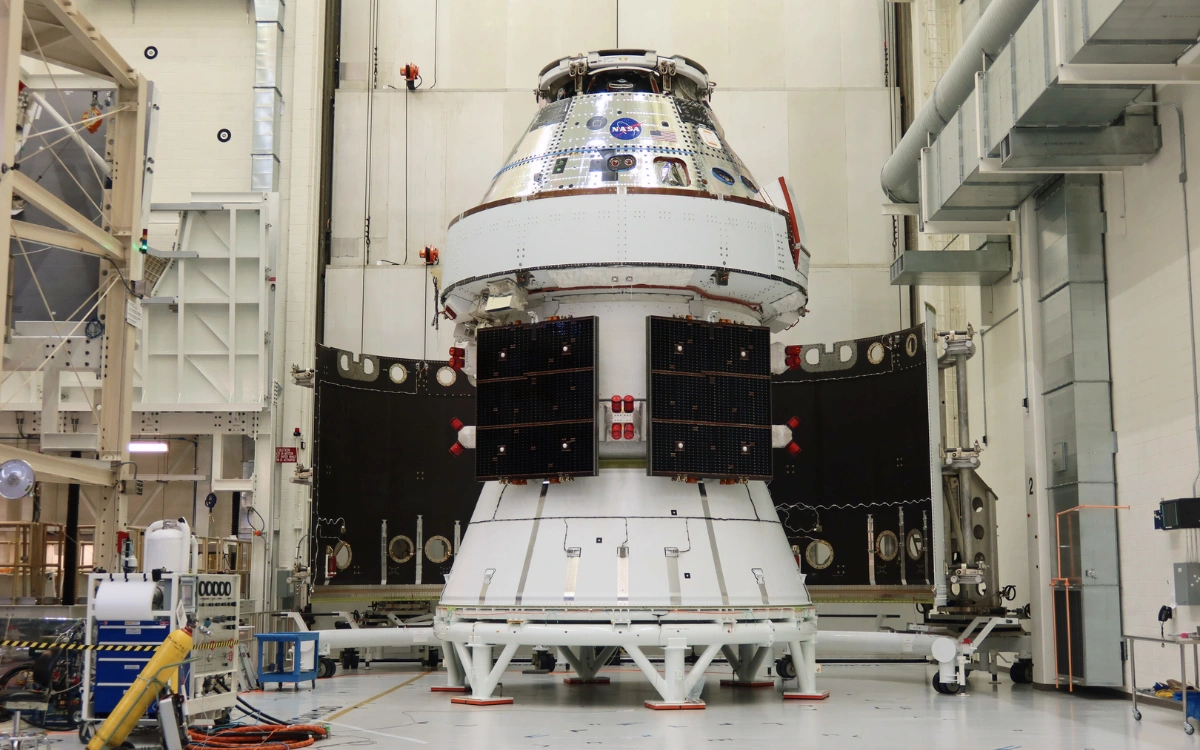
Unlike cargo runs or satellite launches, there is zero margin for error when people are on board, which is why testing, retesting, and more testing have defined the timeline.
Delays are frustrating, sure, but they are also a sign that NASA is choosing caution over speed as it prepares to send astronauts farther than any have gone in more than 50 years.
That breathing room has also created space for NASA to rethink how it approaches technology in crewed missions.
Historically, anything flying with astronauts had to go through years of qualification, often meaning hardware was outdated before it ever left Earth.
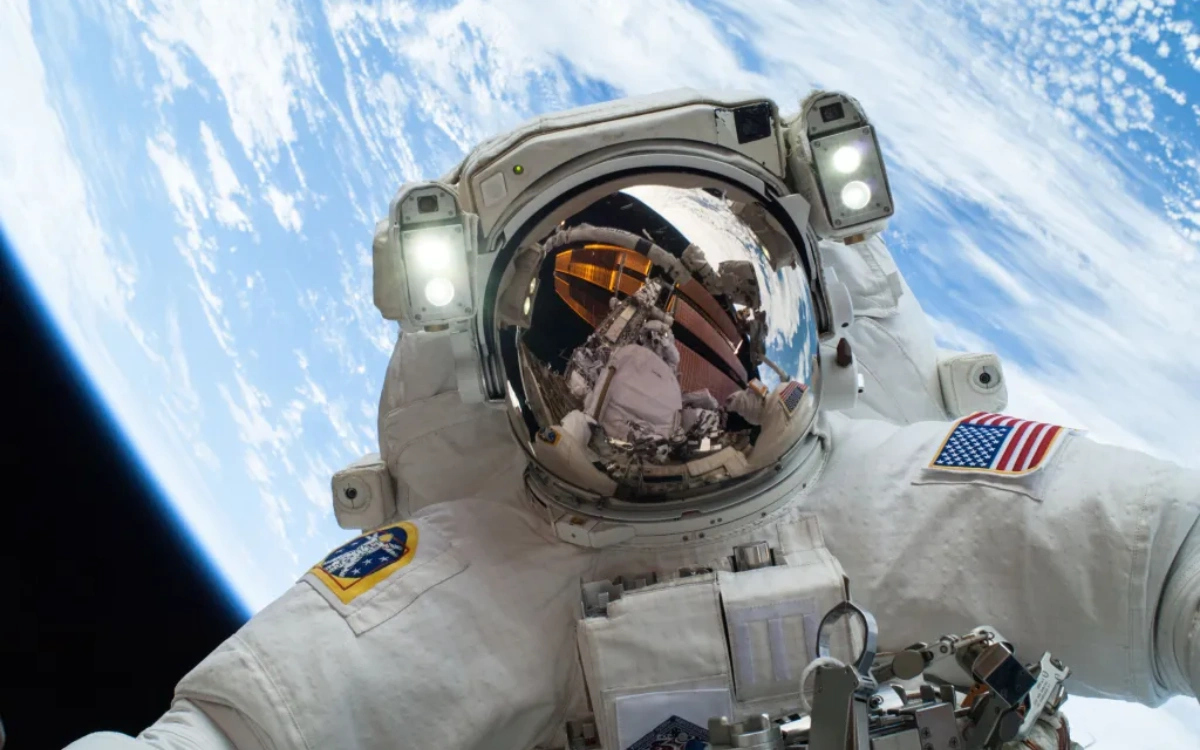
The Artemis era, however, is happening alongside a boom in commercial tech that evolves far faster than traditional space gear.
NASA appears increasingly willing to ask whether every rule written decades ago still makes sense today.
Click the star icon next to supercarblondie.com in Google Search to stay ahead of the curve on the latest and greatest supercars, hypercars, and ground-breaking technology
Allowing smartphones makes the space mission less daunting
That shift becomes crystal clear in one surprisingly relatable update.
For the first time, astronauts on upcoming missions will be allowed to carry modern smartphones alongside their standard equipment.
The announcement was made by NASA Administrator Jared Isaacman, and it’s a welcome one indeed.
Instead of relying only on bulky, specialized cameras, crews will be able to capture quick photos and videos using the same kind of devices millions of people use daily.
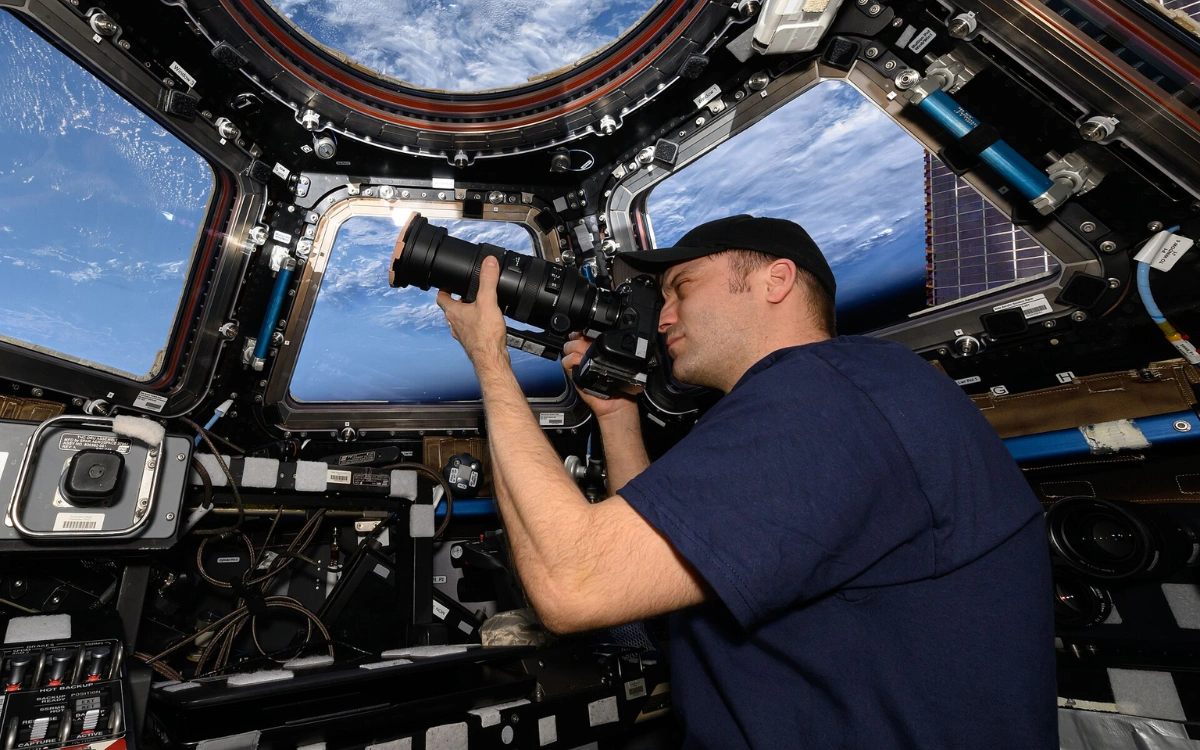
Beyond better storytelling, these familiar tools could help astronauts feel more connected to life back home, turning historic lunar missions into moments that feel a little more human.
DISCOVER SBX CARS: The global premium car auction platform powered by Supercar Blondie
Jason joined the editorial team at Supercar Blondie in April 2025 as a Content Writer. As part of the growing editorial team working in Australia, and in synergy with team members in Dubai, the UK, and elsewhere in the world, he helps keep the site running 24/7, injecting his renowned accuracy and energy into every shift.