GM just patented a system that changes lanes based on where you look
Published on Jan 21, 2026 at 11:30 AM (UTC+4)
by Jason Fan
Last updated on Jan 21, 2026 at 1:37 PM (UTC+4)
Edited by
Emma Matthews

A new GM patent suggests the future of automatic lane-changing might be as simple as shifting your eyes.
According to the filing, General Motors is exploring a system that would let drivers initiate a lane change just by looking where they want the car to go.
Instead of tapping a stalk or pressing a button, the vehicle would interpret eye movements as intent and execute the maneuver through its semi-autonomous driving software.
It’s clever, futuristic, and just a little bit eyebrow-raising.
SBX CARS – View live supercar auctions powered by Supercar Blondie
How useful is automatic lane-changing?
The patent outlines an interior-facing camera that continuously monitors the driver’s face and eye movements.
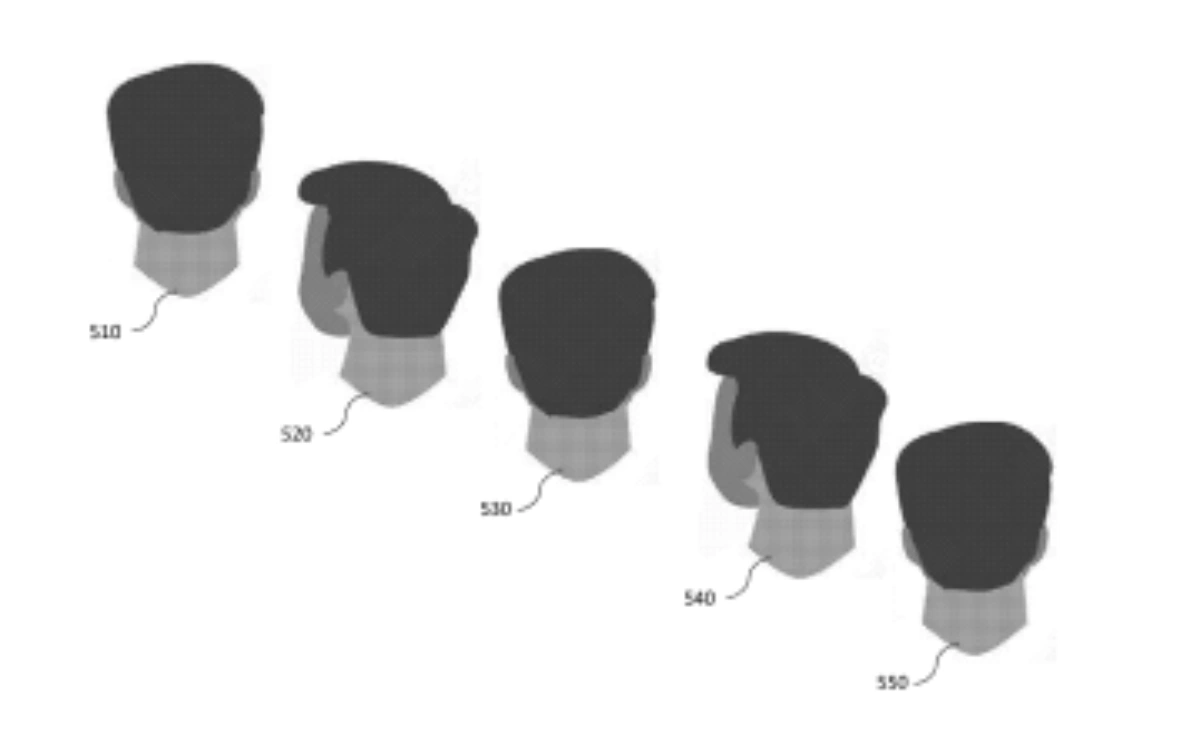
When the system detects a deliberate glance toward an adjacent lane, it interprets that as a request to move over and hands the task off to the vehicle’s driver-assist suite.
In theory, this allows for smoother, more intuitive interaction between human and machine, especially in hands-free driving modes like GM’s Super Cruise.
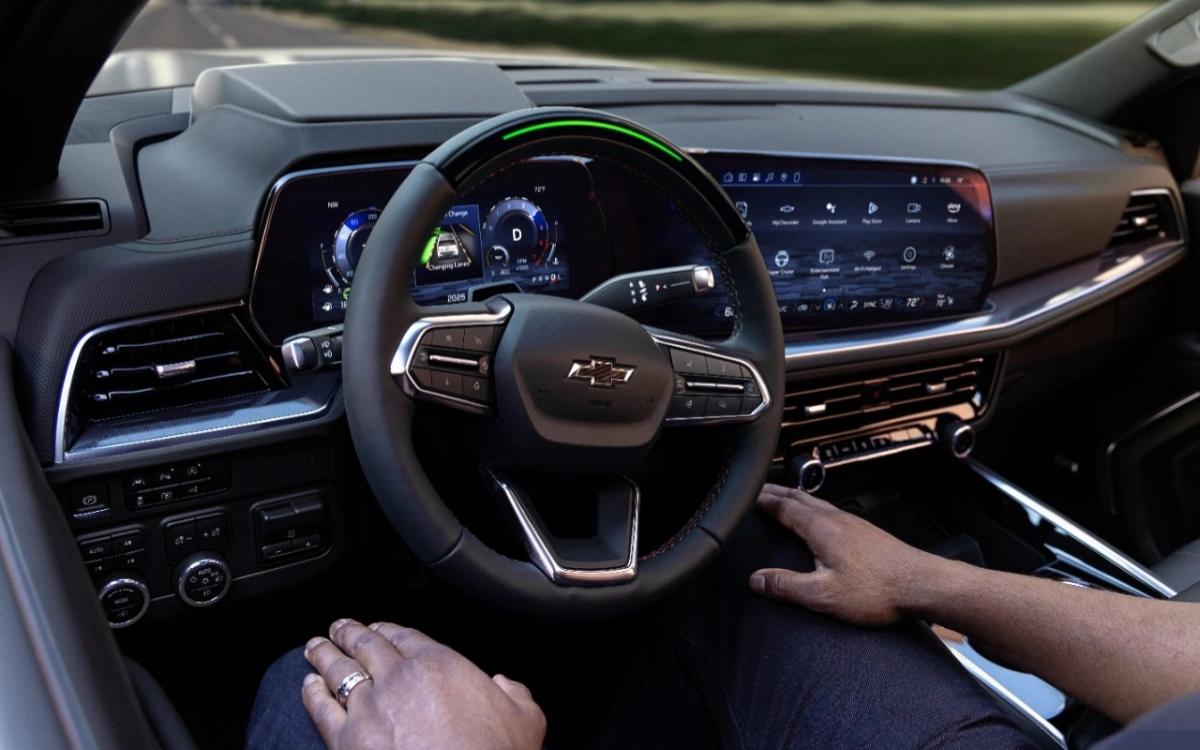
In practice, however, it raises a big question: does automatic lane-changing actually solve any problems?
After all, Super Cruise already knows how to handle passing slower traffic on its own.
It identifies vehicles ahead, determines when it’s safe to overtake, and executes lane changes automatically with no driver input required.
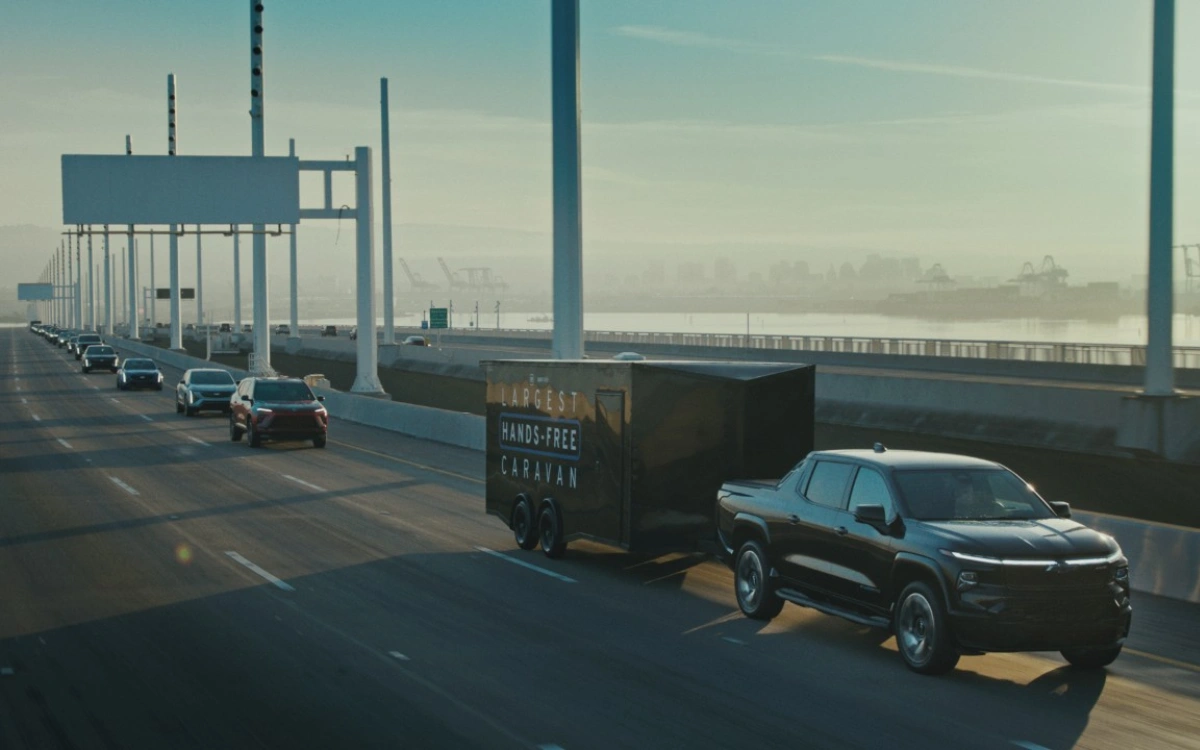
Adding a multi-step process involving eye tracking, intent verification, and system confirmation just to go around a slower car feels like overengineering.
The new GM patent seems to be promoting features that sound impressive in a demo, but may struggle to prove its value in everyday driving.
GM isn’t alone in pushing for advanced driver-assist tech
BMW, for example, has been rolling out increasingly smart assistance systems that adapt to context rather than operating as blunt tools.
Features like adaptive cruise control that anticipates curves, speed limits, and traffic conditions are becoming standard in luxury models.
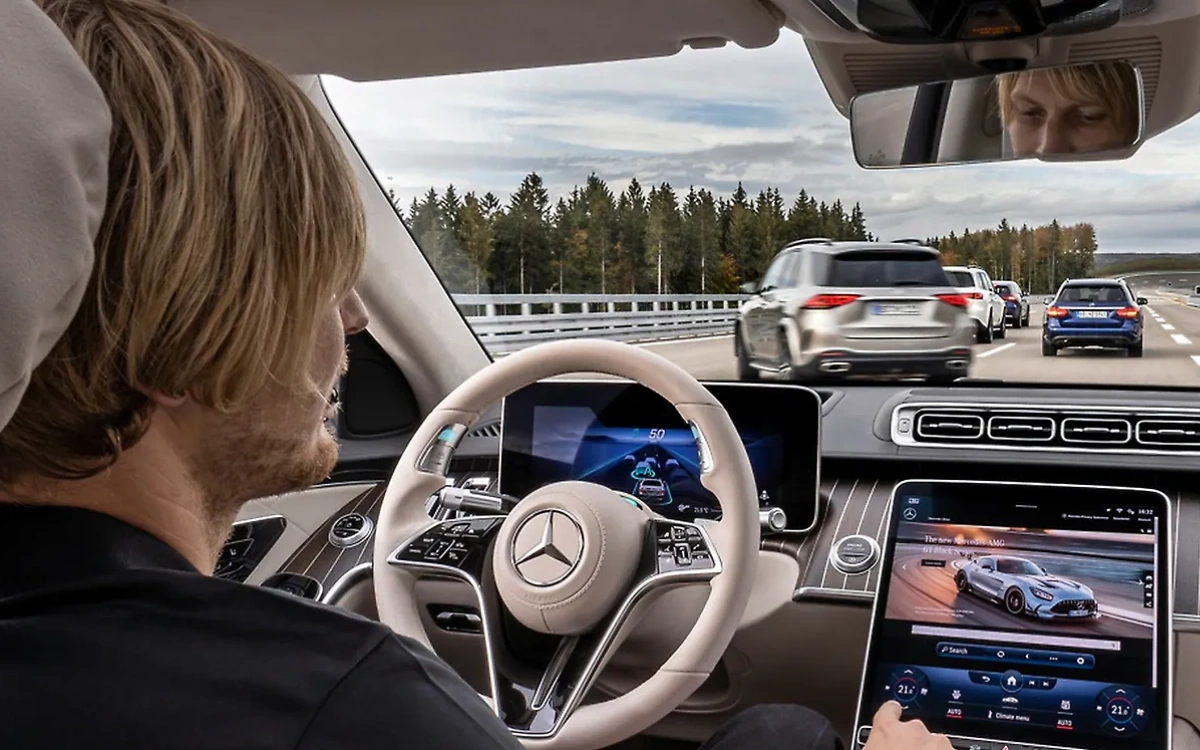
Mercedes-Benz’s Drive Pilot takes things even further, offering Level 3 autonomy in certain markets, allowing drivers to fully disengage under specific conditions.
Ford’s BlueCruise also emphasizes hands-free highway driving with strong driver monitoring.
Even Hyundai and Kia have impressed with Highway Driving Assist systems that blend lane centering, navigation-based speed control, and traffic-aware behavior at more accessible price points.
Of course, you can’t talk about driver assistance technology without discussing Tesla’s Full Self-Driving (FSD).
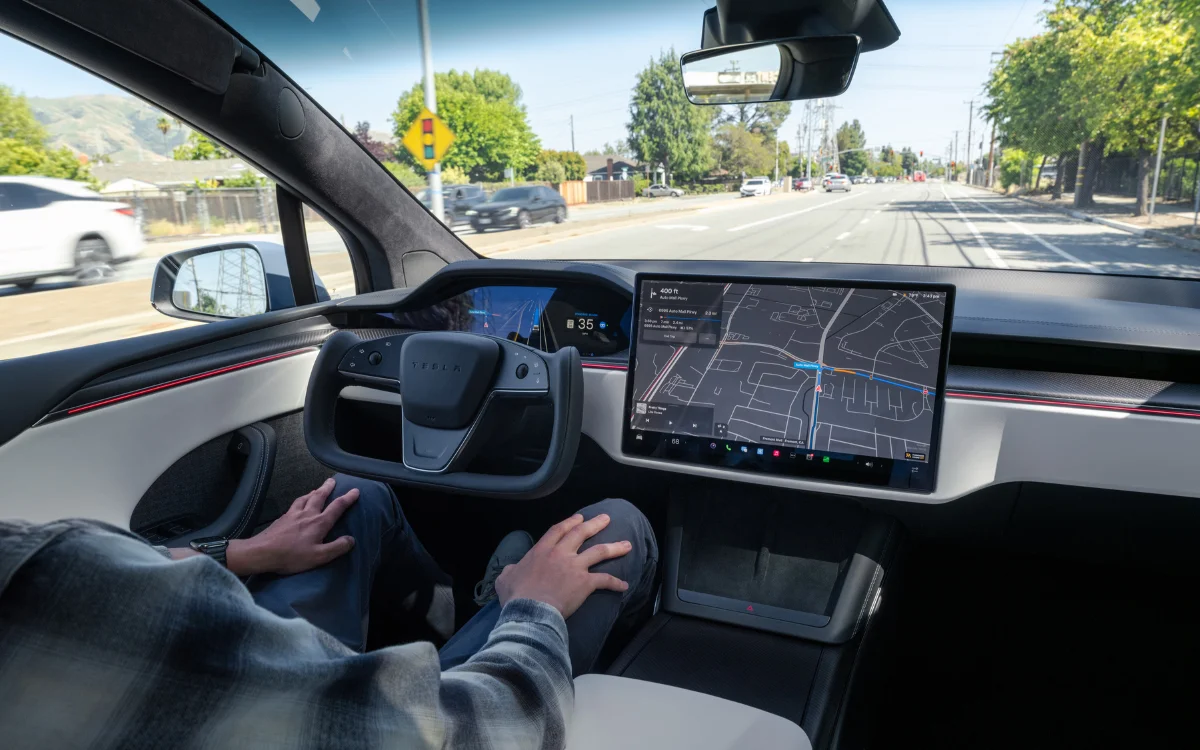
Tesla’s FSD is famously controversial: some people swear by it, while others find that relying on it could be a little stressful.
No matter which side of the fence you’re on, one thing is certain.
If you look at early footage of FSD, you cannot deny how far it has come in less than a decade.
At the end of the day, GM’s eye-controlled lane change idea may not even make it to production, given that it’s merely a patent.
However, it does highlight where the industry is headed.
Driver-assist tech is the future, and it’s here to stay.
DISCOVER SBX CARS: The global premium car auction platform powered by Supercar Blondie