Nissan proves EVs can drive on sunshine with solar Ariya prototype
Published on Jan 28, 2026 at 7:48 AM (UTC+4)
by Molly Davidson
Last updated on Jan 28, 2026 at 2:20 PM (UTC+4)
Edited by
Kate Bain

EVs are getting easier to live with, but the inconveniences of charging are still a deterrent for drivers around the world.
So for Clean Energy Day, Nissan showed off a prototype that is trying to rewrite the charging narrative.
It’s based on the Ariya, but the trick isn’t a bigger battery or a faster plug.
Instead, it leans on the oldest energy source around: sunlight.
DISCOVER SBX CARS – The global premium auction platform powered by Supercar Blondie
How Nissan’s solar Ariya turns sunshine into extra range
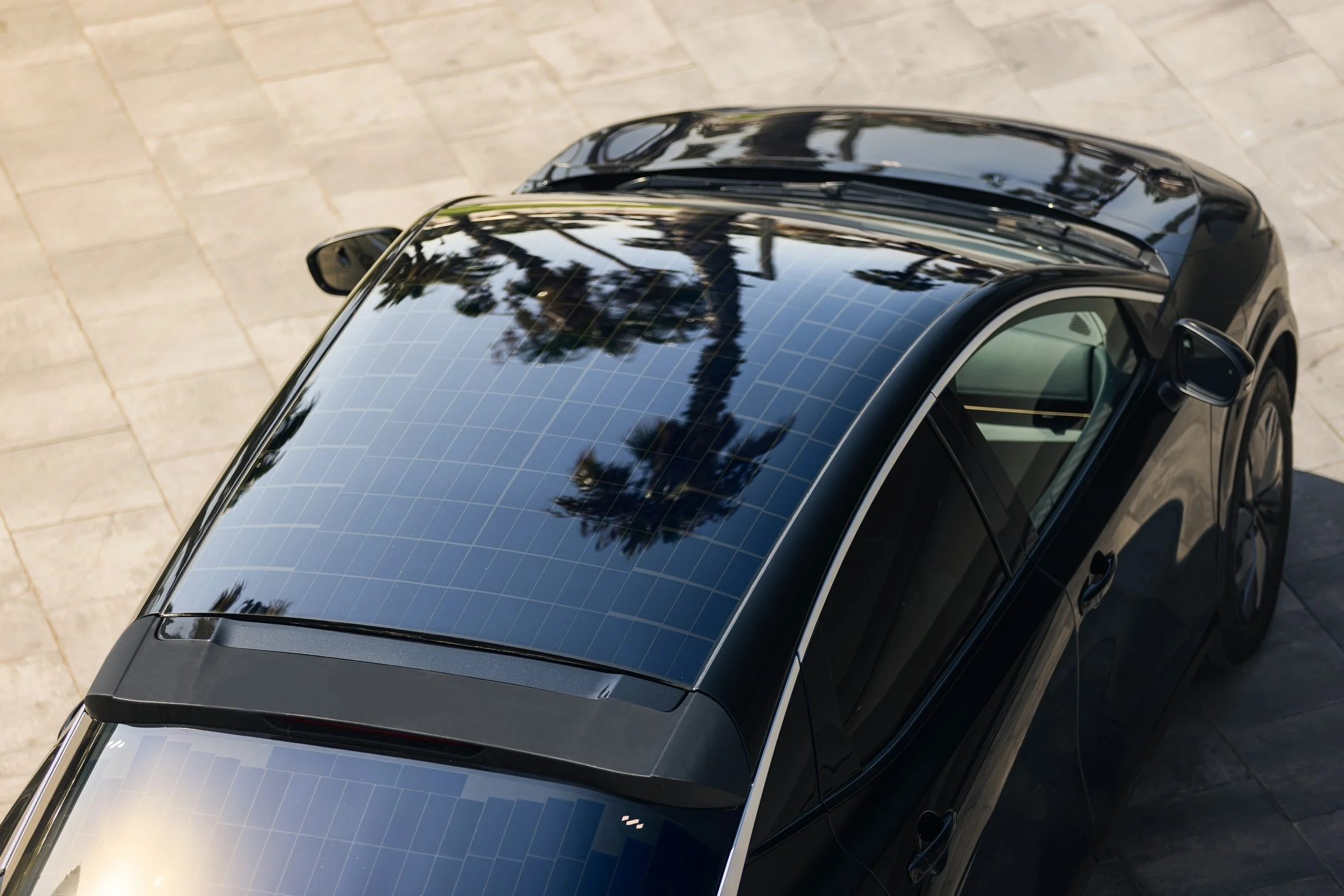
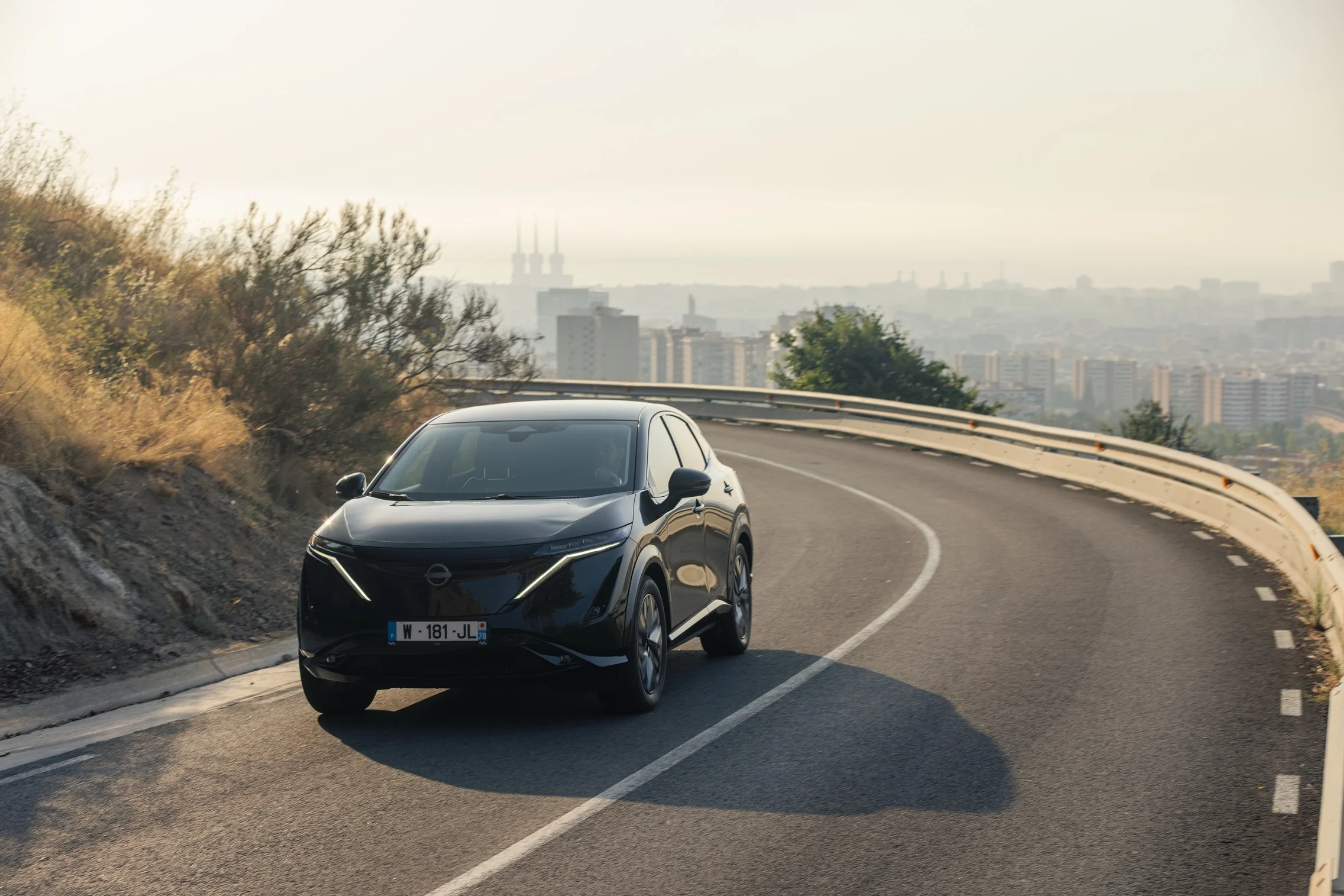
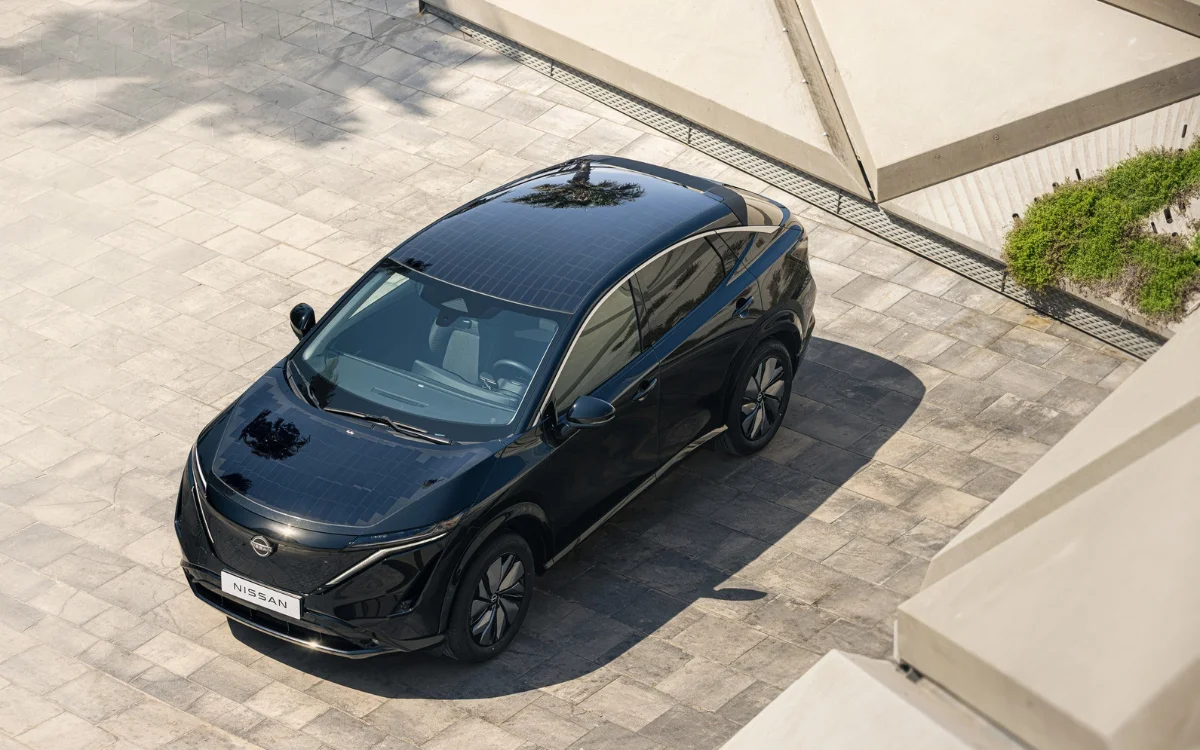
The solar-powered Ariya concept was developed by Nissan teams in Dubai and Barcelona, with the panels integrated directly into the hood, roof, and tailgate.
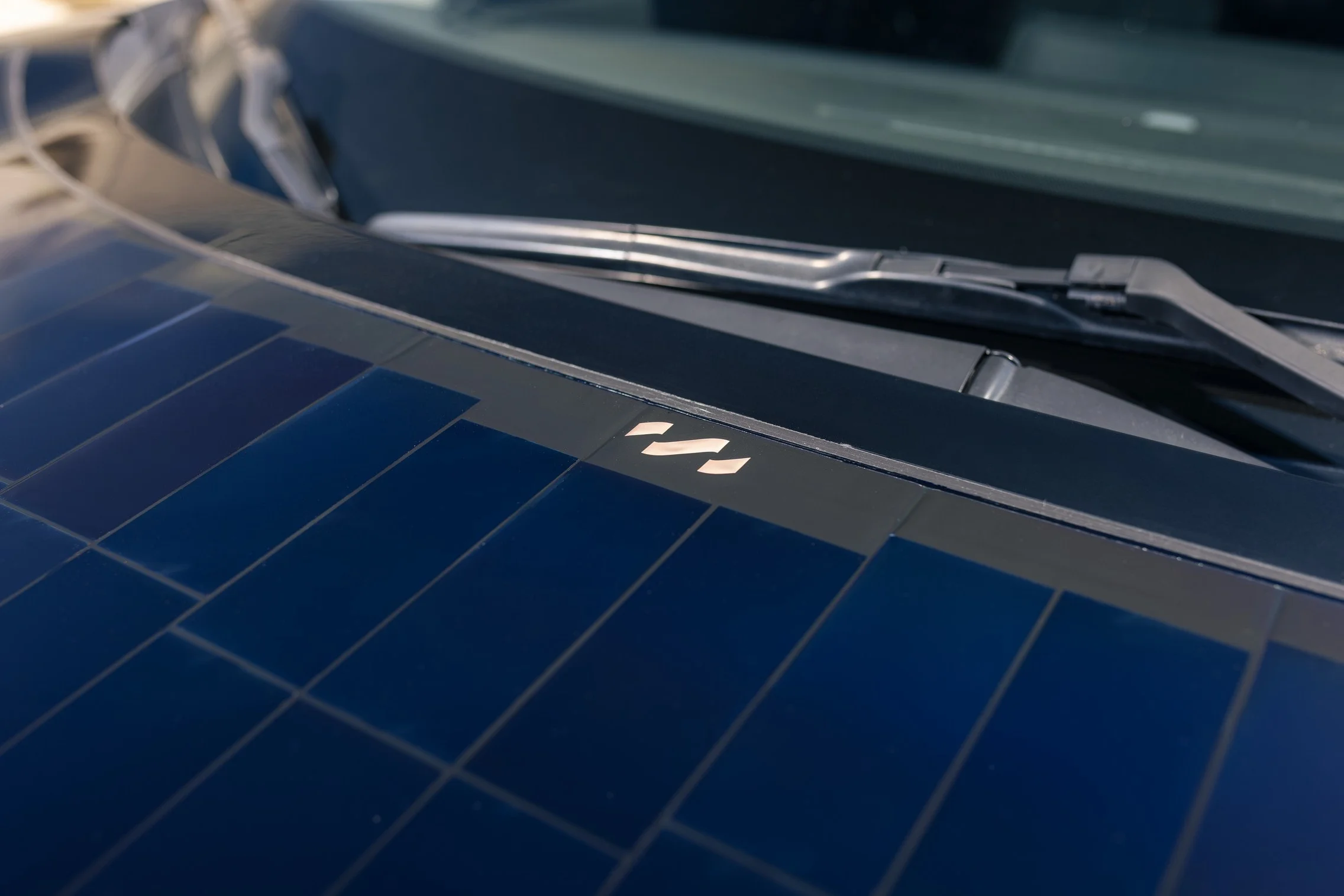
Altogether, it uses 3.8m² of high-efficiency photovoltaic cells built into polymer-and-glass panels, designed to convert sunlight straight into DC power.
That energy is managed by an onboard controller that’s meant to optimize how the car uses what it collects, with the bigger goal being less dependence on external charging.
In real-world testing, Nissan says the system can add up to 14.3 miles of extra driving range on a bright, ideal day.
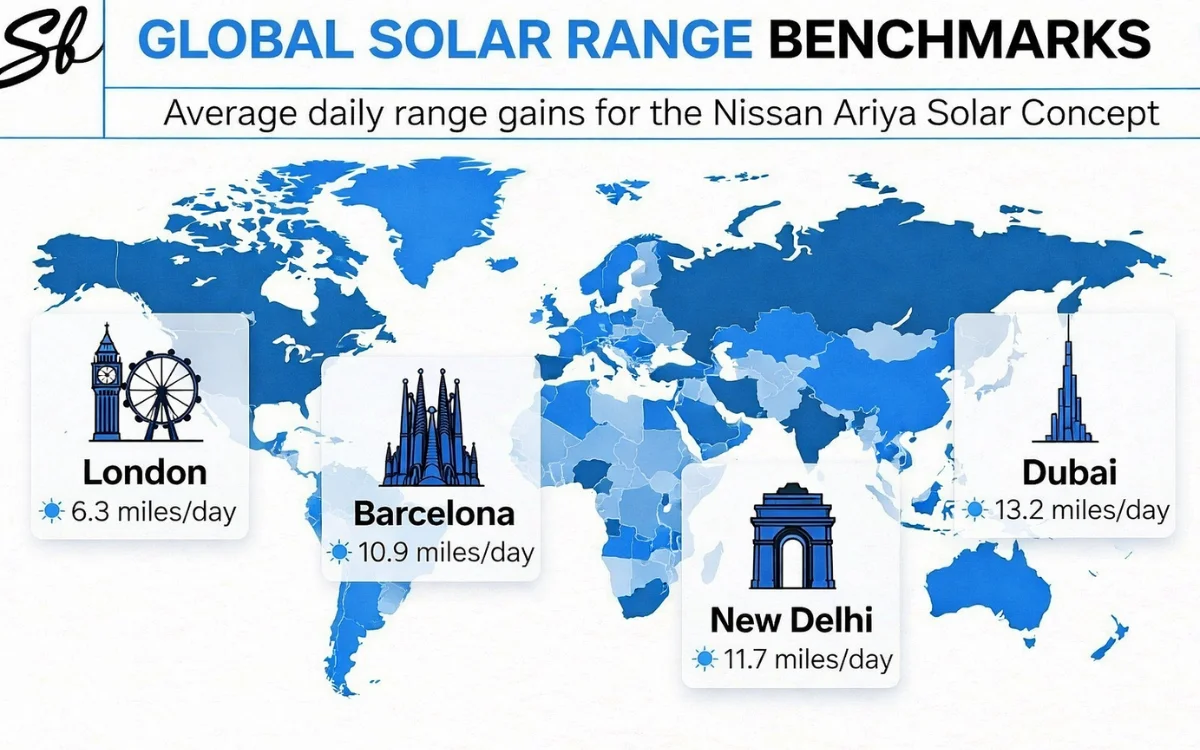
Of course, location changes everything, so it ran the math across different cities.
Barcelona came out at an average 10.9 miles of solar range per day, while New Delhi averaged 11.7 miles.
Dubai was even higher at around 13 miles per day across the year.
And London still managed 6.3 miles daily on average.
It also works while you’re driving.
Nissan says a two-hour, 50-mile trip can generate about 0.5kWh of energy, which translates to roughly 1.8 miles of additional range.
Add those small gains up over days of commuting and parking outside, and the manufacturer estimates drivers could cut charging frequency by up to 65 percent, depending on habits and climate.
Click the star icon next to supercarblondie.com in Google Search to stay ahead of the curve on the latest and greatest supercars, hypercars, and ground-breaking technology
Why the manufacturer is pushing solar for EVs now
This project started with a simple ‘what if EVs could charge themselves?’ question.
It then turned into a collaboration with Dutch solar mobility company Lightyear, which supplied the next-generation panel tech Nissan built into the Ariya.
And the manufacturer’s framing is pretty clear here: this isn’t about replacing plugs, it’s about giving drivers another way to top up.
Especially in places where chargers are limited or inconvenient.
It also lines up with Nissan’s longer runway goal of reaching carbon neutrality across the lifecycle of its products and operations by 2050.
In other words, the manufacturer isn’t promising an EV that lives off-grid.
But it is proving you can at least steal a little range back from the sun.
DISCOVER SBX CARS: The global premium car auction platform powered by Supercar Blondie
With roles at TEXT Journal, Bowen Street Press, Onya Magazine, and Swine Magazine on her CV, Molly joined Supercar Blondie in June 2025 as a Junior Content Writer. Having experience across copyediting, proofreading, reference checking, and production, she brings accuracy, clarity, and audience focus to her stories spanning automotive, tech, and lifestyle news.