American finds one of the most revolutionary passenger ships that once carried over 1,700 passengers sitting rotting in Italy
Published on Apr 25, 2026 at 8:49 AM (UTC-4)
by Callum Tokody
Last updated on Apr 29, 2026 at 1:24 AM (UTC-4)
Edited by
Mason Jones
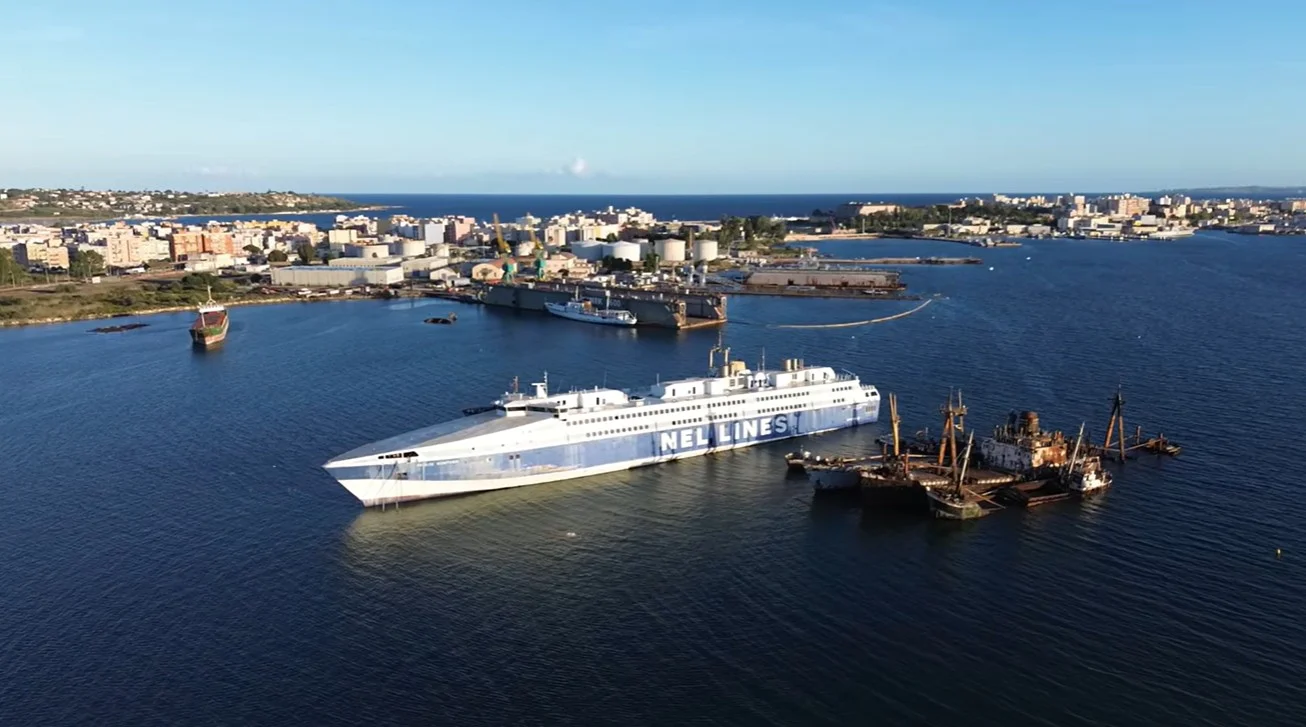

Urban explorers have documented how a massive high-speed ferry currently sits rotting in Italy alongside a collection of abandoned passenger ships.
This 280-foot titan once promised a revolution in Mediterranean travel, moving thousands of people at forty-five miles per hour.
Now, the multi-million dollar structure is slowly surrendering to the salt and silt of the Sicilian coast.
The mechanical and financial ruin that left this vessel for dead reveals a sobering reality about the cost of high-speed maritime ambition.
The death of italian passenger ships
The presence of these passenger ships in Sicily is a direct result of the 2015 bankruptcy of NEL Lines.
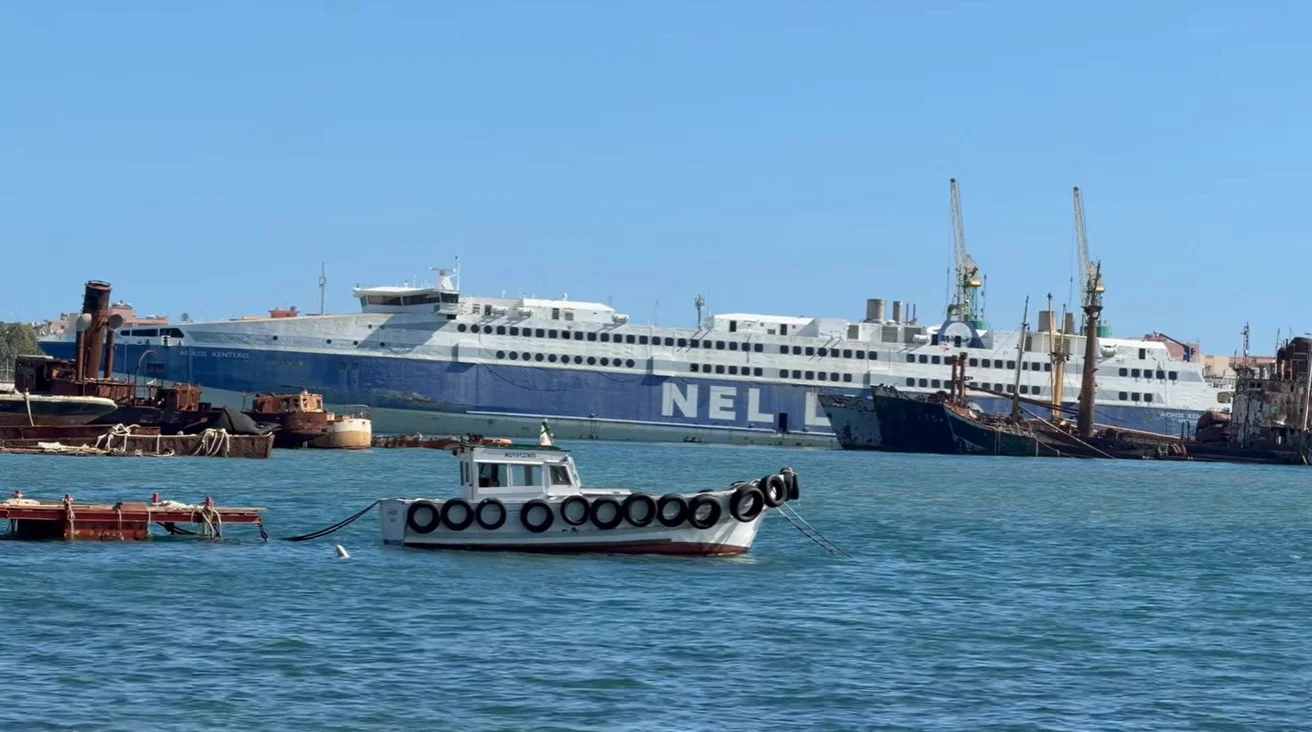
This Greek company operated the Aeolos Kenteris as its flagship high-speed ferry until mounting debts led to a total halt of all operations.
High fuel consumption and constant engine failures made the vessel a liability that the firm simply could not afford to keep running.
The ship was eventually towed to Italy for scrap metal recovery alongside several other ghost ships.
This harbor serves as a final destination for large commercial vessels because it sits right next to specialized industrial recycling plants.
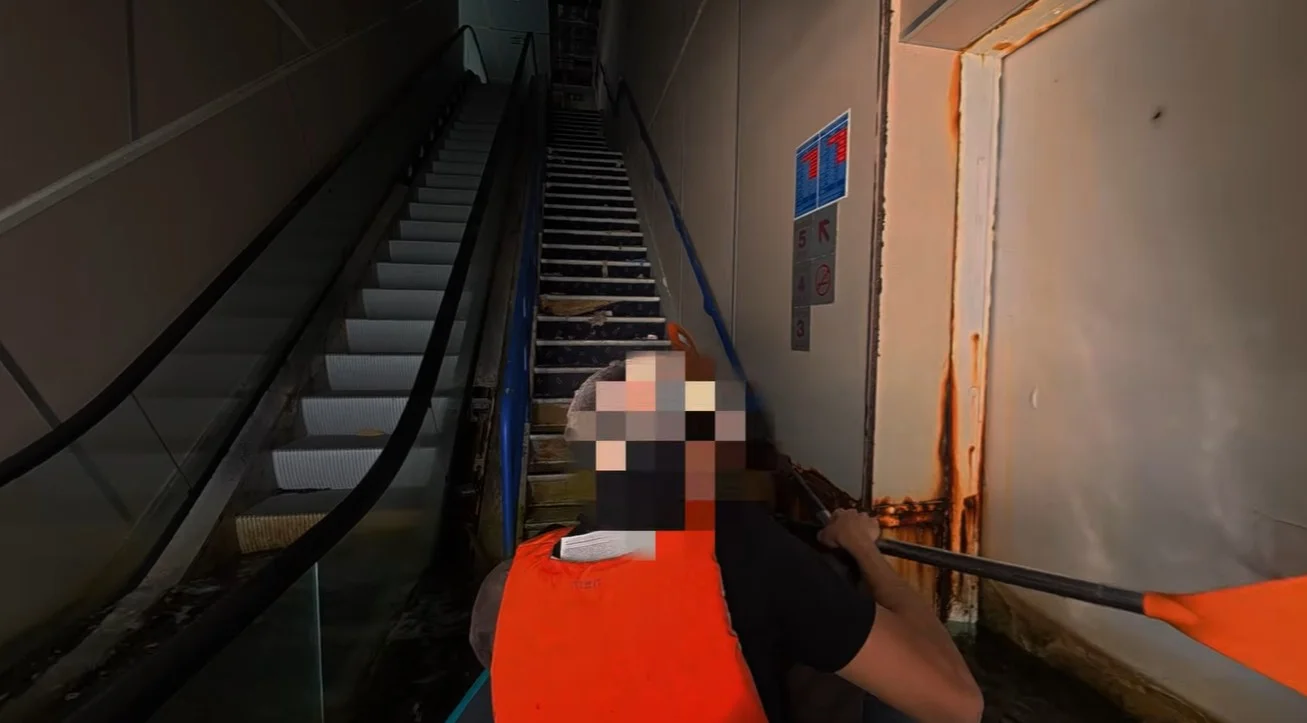
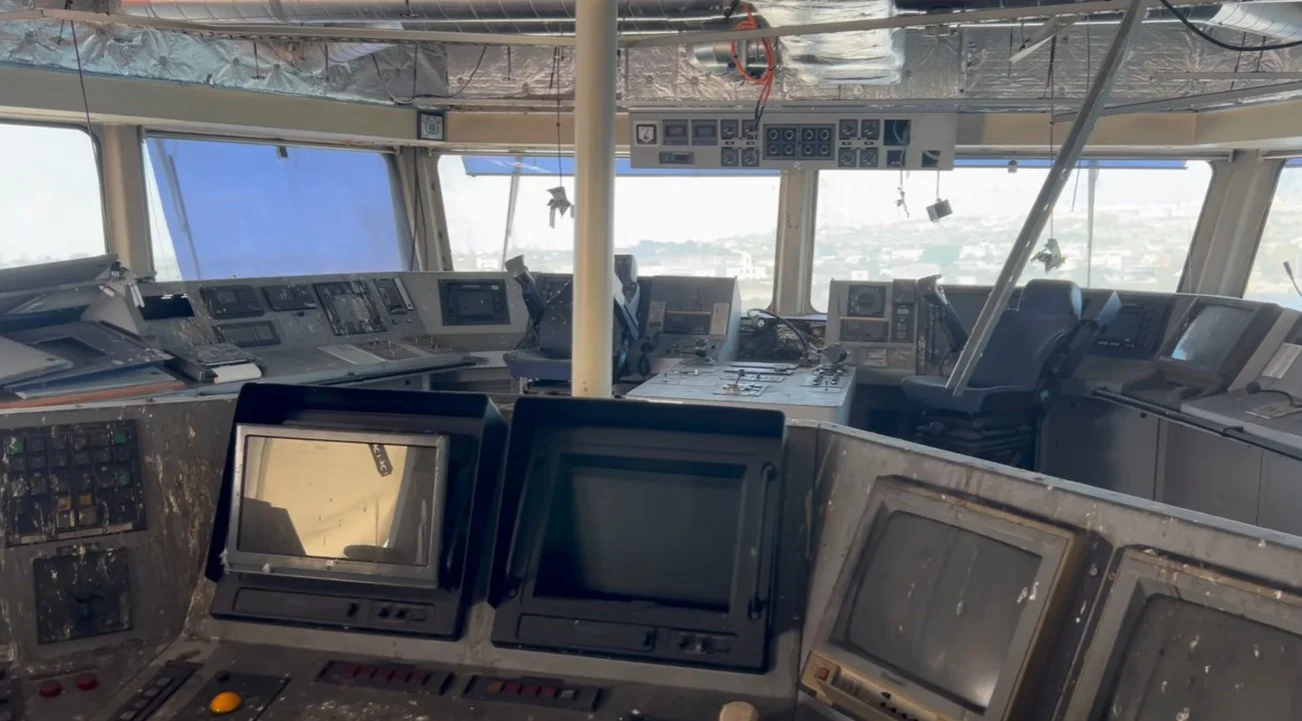
Footage from 2swag and Urbex Ashton shows that the interior of these passenger ships remains mostly untouched since the day the original crews left.
The bridge of the high-speed ferry still contains the original steering consoles and the captain’s chair.
Layers of salt and dust have built up across the passenger decks after a decade of total neglect.
Demolition crews now board the ghost ships every day to pull out copper wiring and heavy steel plating.
Records from the local port authority show that the main high-speed ferry is taking on water and leaning toward its stern.
The back of the ship is resting on the seabed because the lower engineering rooms are completely flooded.
This level of decay makes the vessel a physical hazard for anyone navigating the immediate area.
Security teams patrol the passenger ships regularly to keep people off the shaky decks.
The multi-million dollar scrap heap
The sight of these passenger ships provides a look at how the maritime industry handles retired commercial fleets.
Shipbreaking is a necessary industrial process that starts once vessels are officially labeled as ghost ships.
Italy remains a primary hub for this work because of its deep-water docks and heavy industrial infrastructure.
Many international firms send a retired high-speed ferry to these specific yards to recover raw materials for the global market.
This cycle turns old hulls into steel and copper for new building projects across the continent.

Shipbuilders are currently changing the way passenger ships are designed to make them easier to recycle later on.
Newer vessels use modular parts that workers can remove more efficiently than the components found on an old high-speed ferry.
The Aeolos Kenteris is currently being reduced to scrap as the salvage teams finish their work on the main hull.
This process marks the end for a vessel that once represented the height of high-speed sea travel.