Porsche receives record demand for its new electric Cayenne as it proves EVs are still incredibly popular
Published on Dec 01, 2025 at 10:54 PM (UTC+4)
by Alessandro Renesis
Last updated on Dec 03, 2025 at 12:14 PM (UTC+4)
Edited by
Mason Jones

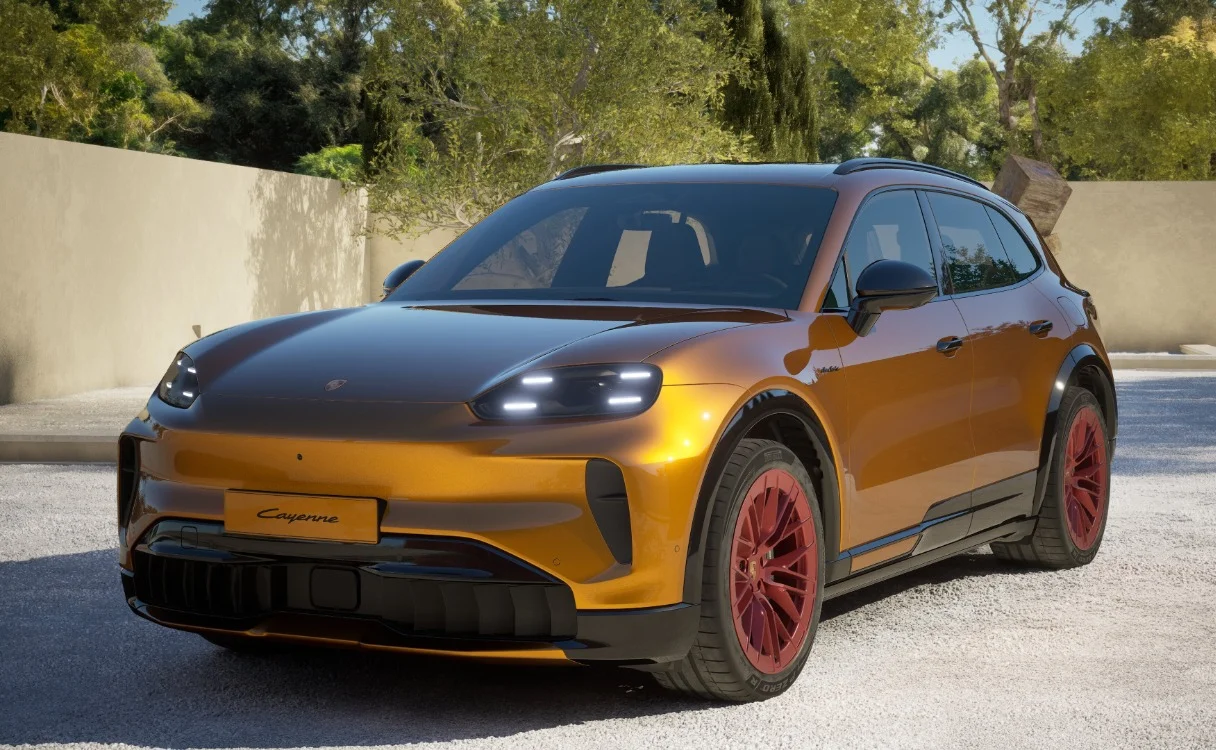
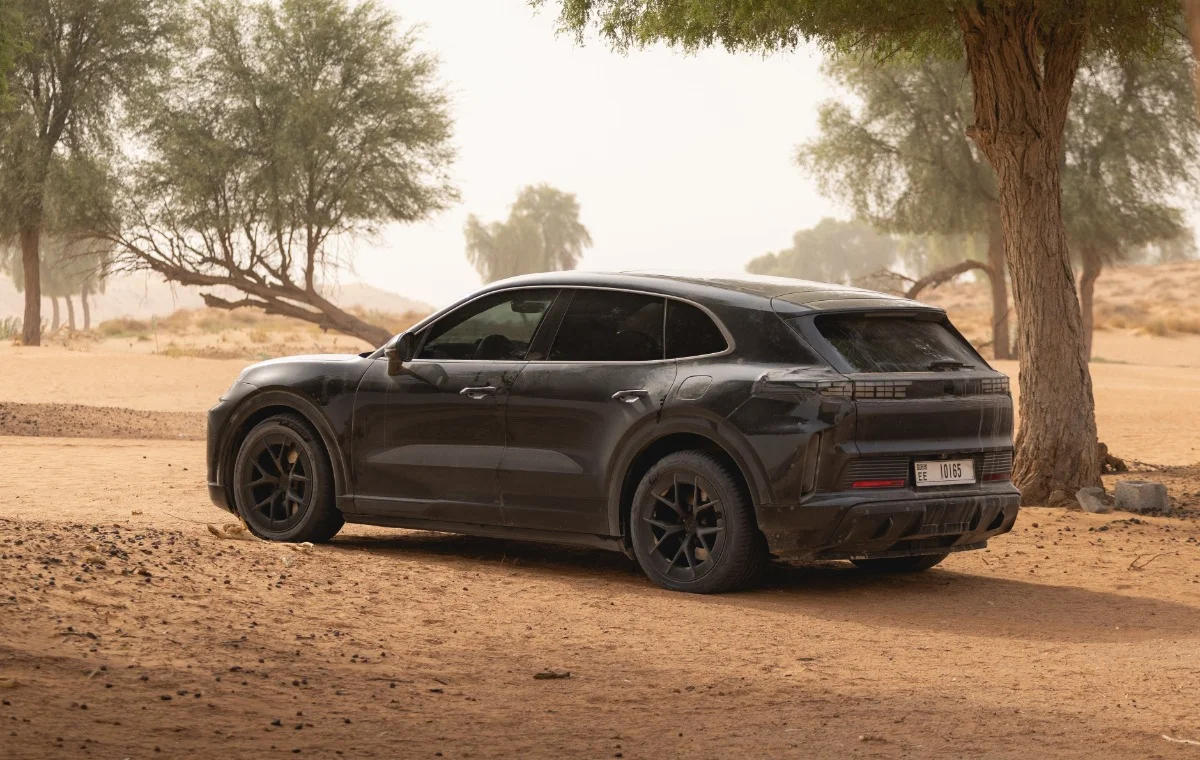
The new Porsche Cayenne Electric is finally here and it’s off to a flying start.
Apparently the new Porsche Cayenne Electric has already set a couple of records for the brand.
It is the most powerful Porsche ever built, and over 10,000 people have already registered their interest to buy one.
But there’s also another ‘record’ that Porsche never mentioned before.
DISCOVER SBX CARS: The global premium car auction platform powered by Supercar Blondie
The one thing Porsche never told us about Cayenne Electric
Porsche has just opened order books for the new Cayenne Electric in the United States and has also launched the online configurator.
According to the German automaker, over 110,000 users made unique builds using the online configurator, which is apparently a record for Porsche.
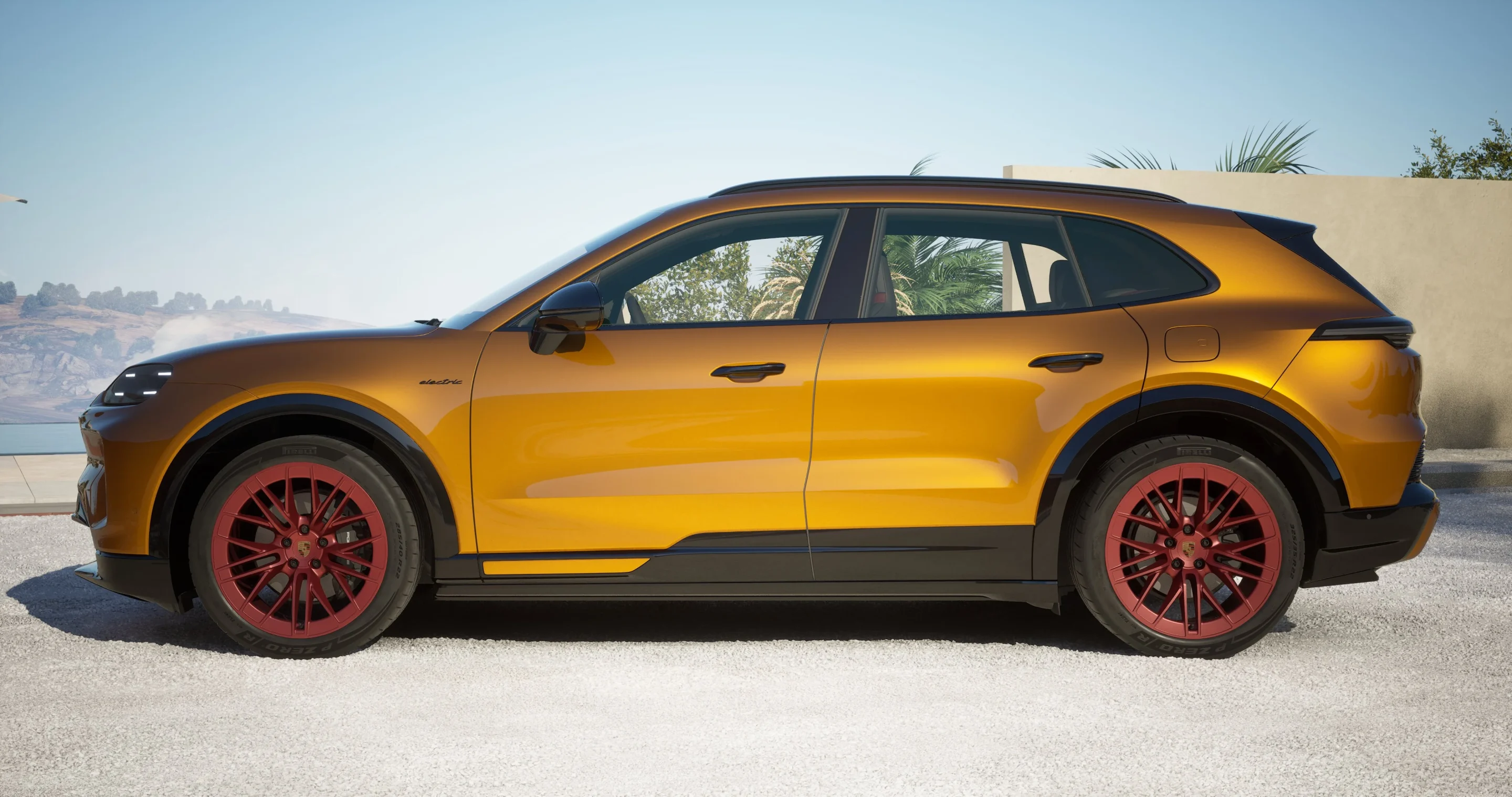
Furthermore, and let’s face it this is the part that truly matters, a significant percentage of online configurator users are ready to put their money where their online click was, so to speak.
Because they also said 10,500 buyers have registered their interest.
The company added something else that’s interesting, chiefly because it hasn’t exactly been advertised until now.
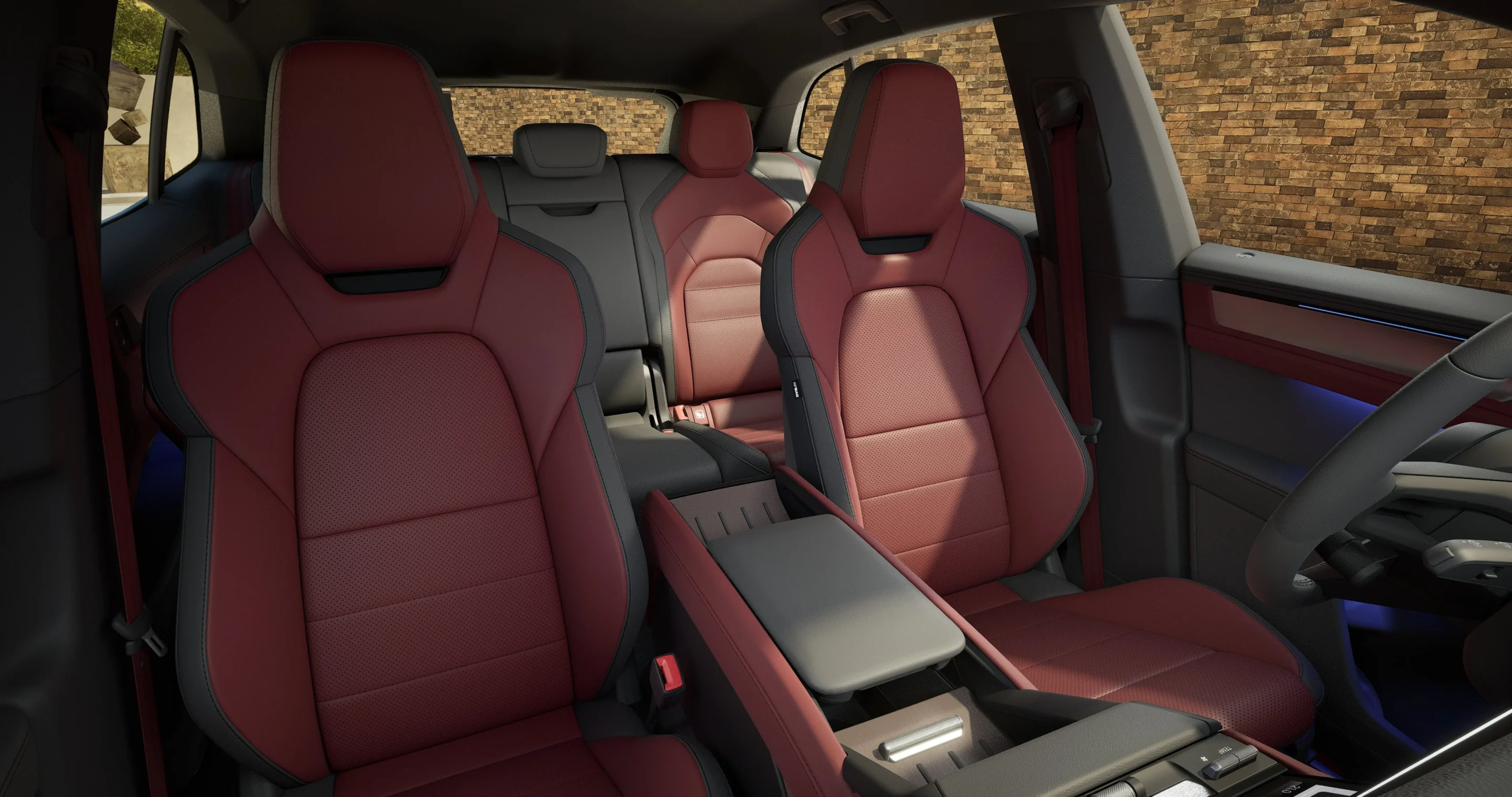
Apparently, the 1,139-horsepower Cayenne Electric is the most customizable Porsche ever.
The manufacturer never mentioned that before, but this is a bigger deal than people think.
When it comes to luxury vehicles, which is new Porsche Cayenne Electric definitely is, customization is a key selling point.
That’s why customization programs like Mulliner by Bentley and Q by Aston Martin are now as popular as ever.
The EV market keeps sending mixed signals
The EV market is still sending mixed (and inconsistent) signals.
Every time we think we found evidence of one thing, then something that proves the exact opposite happens.
For now, it seems there’s one universal truth: EVs are in demand.
But with a lot of caveats.
One of said caveats is that automakers are struggling to make EVs as profitable as gas cars, and the other is that there are certain segments where EVs don’t really work.
Dodge, for example, is likely doing a 180 on the Charger Daytona and is potentially bringing back an internal combustion version.
But Porsche doesn’t seem to have that problem.
Strong demand for the Macan EV and Porsche Cayenne Electric proves it.
A complete history of electric vehicles
1832–1839: Early electric vehicles developed by Scottish inventor Robert Anderson and American inventors—rudimentary battery-powered carriages
1890: William Morrison builds a six-passenger electric wagon in the US, sparking interest in electric cars
1900: Electric cars make up around 28% of all vehicles on American roads—popular in cities for their quiet operation
1912: Detroit Electric releases models with 80-mile ranges, making EVs practical for daily driving
1960s: Interest in EVs decreases as cheap gasoline and internal combustion cars dominate
1970s: Oil crises revive interest in alternative fuels, including early electric prototypes
1990: California mandates zero-emission vehicles, leading to GM EV1 and similar experiments
1996: GM EV1 becomes the first mass-produced modern EV, available via lease in California
2008: Tesla Roadster debuts with 244-mile range, proving high-performance EVs can compete with gasoline vehicles
2010: Nissan Leaf launches as the first mass-market EV with worldwide availability
2012: Tesla Model S introduces long-range luxury EVs and over-the-air software updates
2016: Chevrolet Bolt EV offers affordable 200+ mile range, pushing EV adoption
2018: Jaguar I-PACE proves electric SUVs can compete with luxury gas models
2020: Porsche Taycan combines EV performance with iconic brand heritage
2021: Rivian R1T and R1S bring adventure-ready electric trucks and SUVs
2022: Lucid Air Dream Edition sets new benchmarks for range and luxury in EVs
2023: Global EV sales surpass 10 million units, signaling mainstream adoption
2024: Solid-state battery prototypes begin testing, promising higher energy density and faster charging
2025 (expected): EVs projected to reach price parity with combustion cars as battery costs drop below $100/kWh
After beginning his automotive writing career at DriveTribe, Alessandro has been with Supercar Blondie since the launch of the website in 2022. In fact, he penned the very first article published on supercarblondie.com. He’s covered subjects from cars to aircraft, watches, and luxury yachts - and even crypto. He can largely be found heading up the site’s new-supercar and SBX coverage and being the first to bring our readers the news that they’re hungry for.