Remember when Peugeot built a car out of copper and recycled newspaper?
Published on Feb 18, 2022 at 2:50 AM (UTC-5)
by Alessandro Renesis
Last updated on Apr 28, 2022 at 8:09 AM (UTC-4)
Edited by
Alessandro Renesis


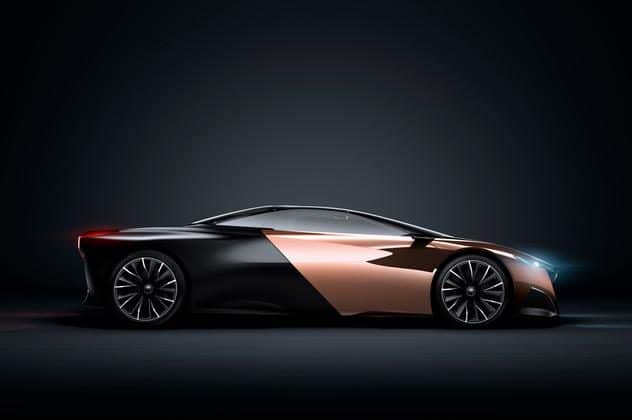
Peugeot is a brand not afraid to experiment and that’s just what they did in 2012 when it launched a prototype car called ‘Onyx’.
In my view, this still remains one of the most fascinating concept cars ever created: a mid-engined, 2-door coupe with what Peugeot calls ‘half-scissor’ doors.
Powered by the same 3.7-litre V8 hybrid-diesel that Peugeot used for the 2011 Le Mans race, it puts out 680 hp and it only weighs 1,100 kg which is why it manages to accelerate from 0 to 60 mph in just 2.9 seconds and reaches a top speed of 360 mph.
READ MORE: V10 motorcycle with a Dodge Viper engine can go faster than a Bugatti Chiron
Peugeot being Peugeot, threw convention out the window and used carbon fibre and copper, yes copper, to build the bodywork.

The seats? Convention was thrown to the wind with those too, making them from recycled newspapers.
And on top of that, they also made a bicycle and a sofa using the same design language, similar materials (apart from the sofa, which is made of rock, literally) and the same name.
Unfortunately, and rather unsurprisingly, Peugeot never actually built a production version so the Onyx is simply a museum piece that they own and can use to showcase what they’re capable of.
Alessandro is an automotive journalist with 10 years of experience covering supercars, automotive history, emerging vehicle technology, and luxury transportation. He wrote the first article published on SupercarBlondie.com when the website launched in 2022 and has since built a reputation for insightful reporting across the automotive and transportation industries. His expertise is grounded in hands-on experience. Alessandro has driven every Tesla model ever produced, from the original Roadster to the Cybertruck, and regularly covers the latest developments in electric vehicles and automotive innovation. His passion for transportation extends beyond cars, he has even flown a Boeing 787 Dreamliner simulator in Addis Ababa, Ethiopia. His reporting spans everything from classic American muscle cars and rare automotive discoveries to luxury yachts, private aircraft, high-end watches, and cutting-edge vehicle technology. Known for his deep knowledge of automotive history and ability to uncover the stories behind iconic vehicles, Alessandro brings readers a blend of historical context, technical expertise, and first-hand experience.