Renault and Williams put a F1 engine into a Renault Espace family minivan and the outcome was absolutely wild
Published on Mar 29, 2026 at 12:24 AM (UTC+4)
by Callum Tokody
Last updated on Mar 26, 2026 at 7:13 PM (UTC+4)
Edited by
Emma Matthews

The screaming V10 F1 engine from a championship-winning Williams Racing car turned the humble Renault Espace into a carbon-fiber missile.
This fully functional prototype served as a high-performance celebration of the 10th anniversary of the French minivan.
Engineers replaced the standard seating and powertrain with the 3.5-liter unit found in the legendary FW15C.
This machine shattered the boundary between family transport and a 13,800rpm nightmare on wheels, raising questions about what happens when a minivan inherits the DNA of a world champion.
Enter our competition to win a stunning 2006 Ford GT or $400,000 cash!
Unleashing the V10 F1 engine
Building this Renault Espace required a complete departure from the standard production model.
Matra developed a bespoke carbon-fiber body to handle the massive stress produced by the mid-mounted F1 engine.
This 800hp unit sat directly between two rear bucket seats, necessitating the use of the rear axle and suspension from a Williams Racing car.
The vehicle weighed 1,300kg and utilized a six-speed semi-automatic gearbox to manage the power delivery.
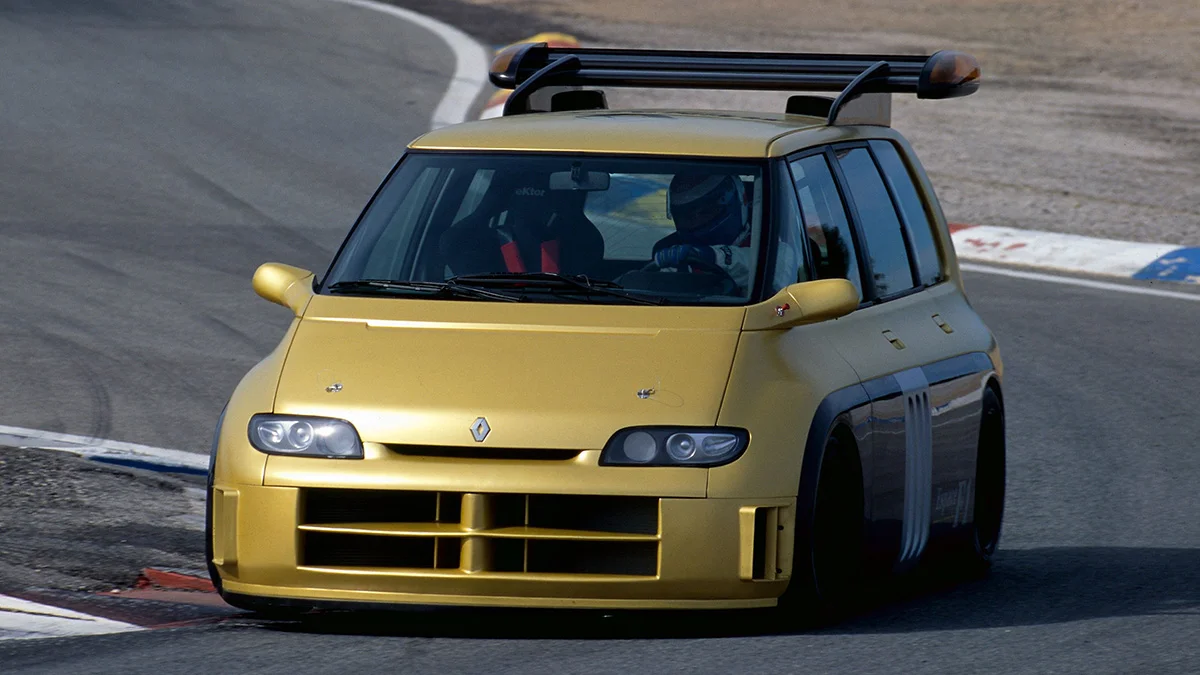
Track testing confirmed a 0 to 100km/h time of 2.8 seconds and a top speed of 193mph.
The high-revving F1 engine reached 13,800rpm, creating a sound profile identical to a period Grand Prix car.
Michelin developed specific tires to provide traction for the Renault Espace, as the aerodynamics were never optimized for such high velocities.
Carbon-ceramic brakes were also integrated to ensure the prototype could decelerate effectively from its nearly 200mph top speed.
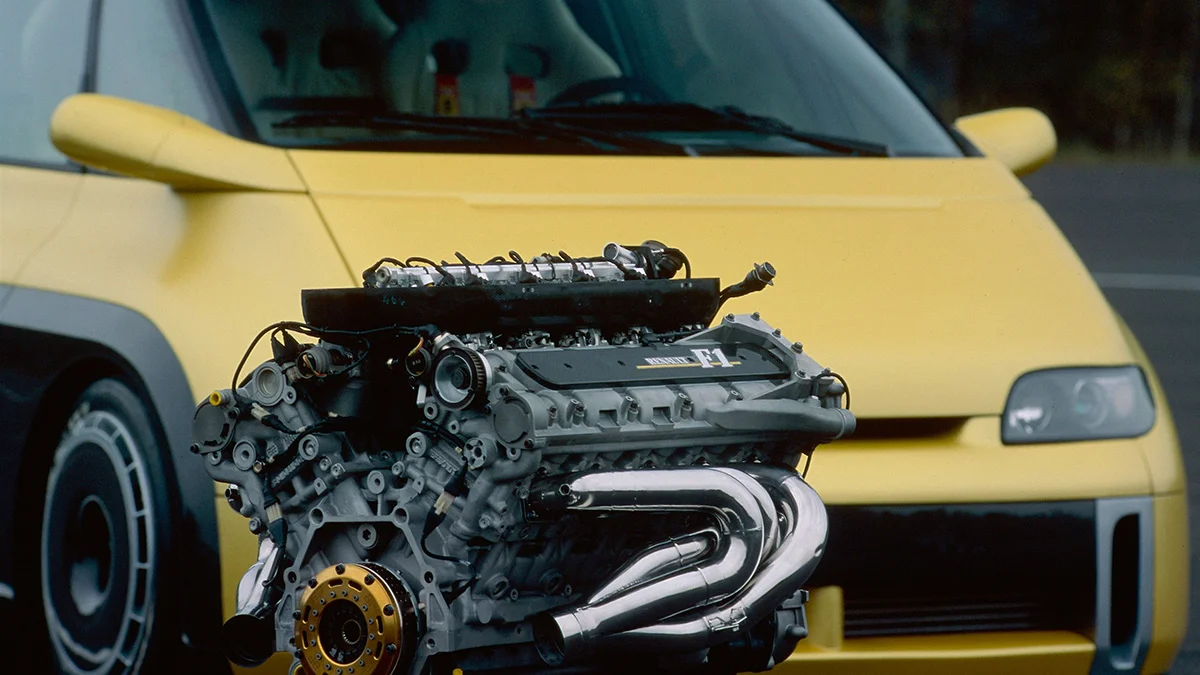
This project demonstrated the technical synergy between Renault and Williams Racing during their most dominant era in motorsport.
Two examples exist today, including a functional version housed at the Matra Museum in France.
The Williams Racing legacy
The legacy of the F1 engine prototype continues to influence the branding and engineering direction of modern performance divisions.
Renault now utilizes its Alpine brand to spearhead high-performance projects, while Williams Racing focuses on aerodynamic efficiency in the hybrid era.
These companies frequently reference the Renault Espace project when discussing the intersection of utility and racing technology.
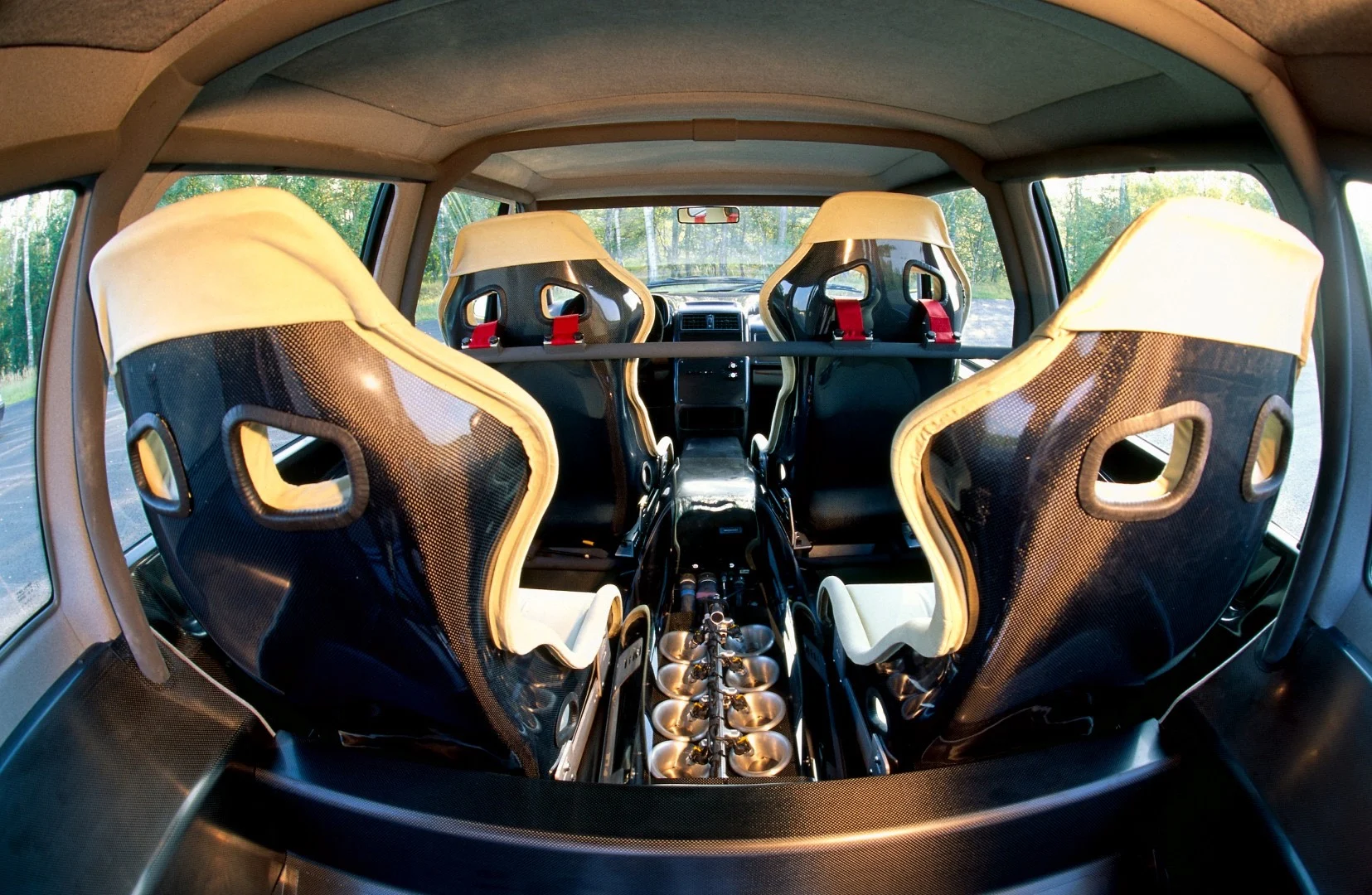
Their engineering teams study the thermal management systems used in the original F1 engine swap to improve modern electric cooling.
The Renault Espace nameplate has transitioned into the SUV segment, but the V10 version remains its most famous iteration.
Williams Racing and Renault have moved toward sustainable propulsion, yet the cultural impact of their 1994 collaboration remains significant.
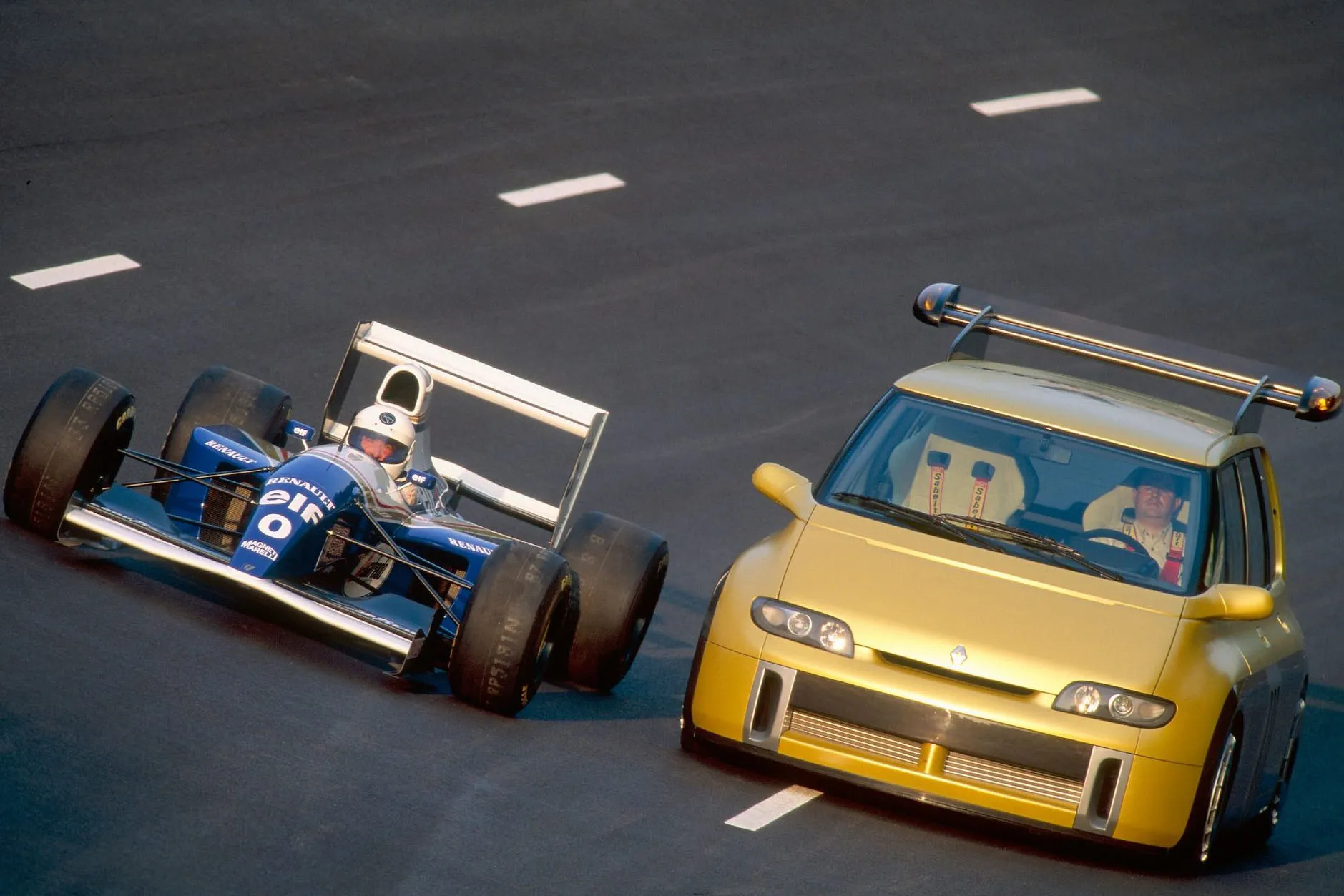
The project proved that even an SUV like the Renault Espace could be transformed into a world-class performance machine with the right F1 engine.
This vehicle served as a marketing triumph that bypassed traditional advertising in favor of raw mechanical spectacle.

It stands as a final perspective on an era where engineering curiosity dictated product development.
The automotive industry rarely sees such radical departures from standard production norms in the modern age, and given how good this was, that’s a shame.
DISCOVER SBX CARS: The global premium car auction platform powered by Supercar Blondie