Removing this common accessory from your car will have a major impact on how much gas it uses
Published on May 06, 2026 at 9:53 AM (UTC-4)
by Alessandro Renesis
Last updated on May 19, 2026 at 2:22 AM (UTC-4)
Edited by
Mason Jones


A well-known car magazine conducted some tests and found out that there’s a common accessory in North America that’s incredibly bad for fuel economy.
There are several things that can impact the number of times you have to refuel.
Aerodynamic efficiency is one of those things as it can significantly affect your MPG.
You can’t legally remove side mirrors – one of the primary sources of drag – but you can remove other accessories that compromise your car’s aerodynamics.
Does your car really need these?
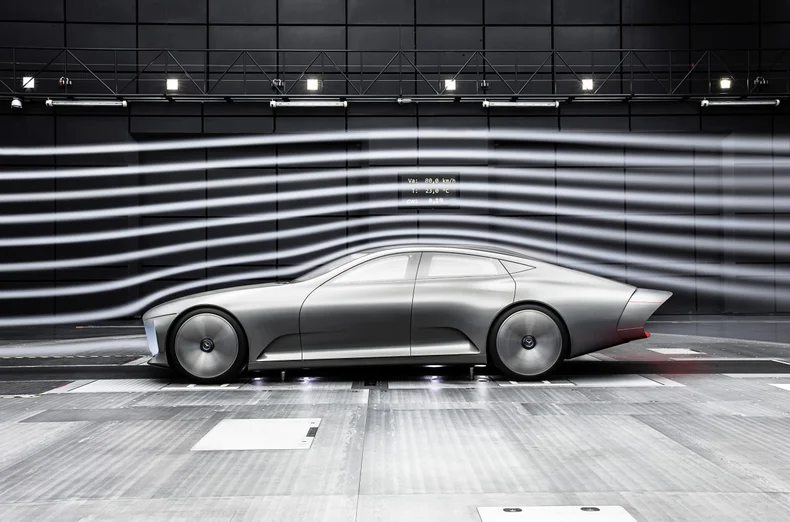
Car and Driver, a magazine that’s been around forever, conducted an interesting test to prove that roof racks – hugely popular in North America – compromise fuel economy.
Cars are engineered for sleek airflow, and adding anything on the roof forces the engine to work harder to maintain speed.
Drag increases exponentially with speed, so the damage is even worse on the highway or at highway speeds.
Tests by Car and Driver showed that removing factory-fitted crossbars improved efficiency by 12 percent.
Similarly, Consumer Reports found that adding a roof rack dropped a sedan’s fuel economy by 11 percent.
That’s a dramatic difference.
If you carry two kayaks on a Tesla, for example, your range can decrease by as much as 50 or 60 miles.

Related



Aerodynamic drag is a silent killer, but there’s another one
Aerodynamic drag makes everything worse – fuel economy, performance, comfort.
But there’s another silent killer: weight.
A heavier vehicle is generally worse across the board.
Heavier vehicles can be more comfortable, but that’s because the addition of creature comforts makes them heavier.
But what you gain in comfort, you lose everywhere else.

Heavier cars are slower, or if they’re not slower then it means they’re using extra energy (or fuel) to get the same result.
The good news is cars are getting more aerodynamically efficient.
A modern sedan is significantly more aerodynamic and than a square, boxy sedan from the 1970s.
The bad news is they’re are definitely getting heavier.
We wouldn’t to fat-shame one of the best-selling vehicles in the world – the VW Golf – but, for reference, a 2026 Golf(1,350-1,600 kg, depending on the model) is 80 percent heavier than the original from 1974, which only weighed 750kg.
Alessandro is an automotive journalist with 10 years of experience covering supercars, automotive history, emerging vehicle technology, and luxury transportation. He wrote the first article published on SupercarBlondie.com when the website launched in 2022 and has since built a reputation for insightful reporting across the automotive and transportation industries. His expertise is grounded in hands-on experience. Alessandro has driven every Tesla model ever produced, from the original Roadster to the Cybertruck, and regularly covers the latest developments in electric vehicles and automotive innovation. His passion for transportation extends beyond cars, he has even flown a Boeing 787 Dreamliner simulator in Addis Ababa, Ethiopia. His reporting spans everything from classic American muscle cars and rare automotive discoveries to luxury yachts, private aircraft, high-end watches, and cutting-edge vehicle technology. Known for his deep knowledge of automotive history and ability to uncover the stories behind iconic vehicles, Alessandro brings readers a blend of historical context, technical expertise, and first-hand experience.