Simulation showing what it's like to go around Earth at the speed of light is absolutely insane
Published on Jun 29, 2026 at 9:54 PM (UTC-4)
by Daisy Edwards
Last updated on Jul 10, 2026 at 5:23 AM (UTC-4)
Edited by
Mason Jones
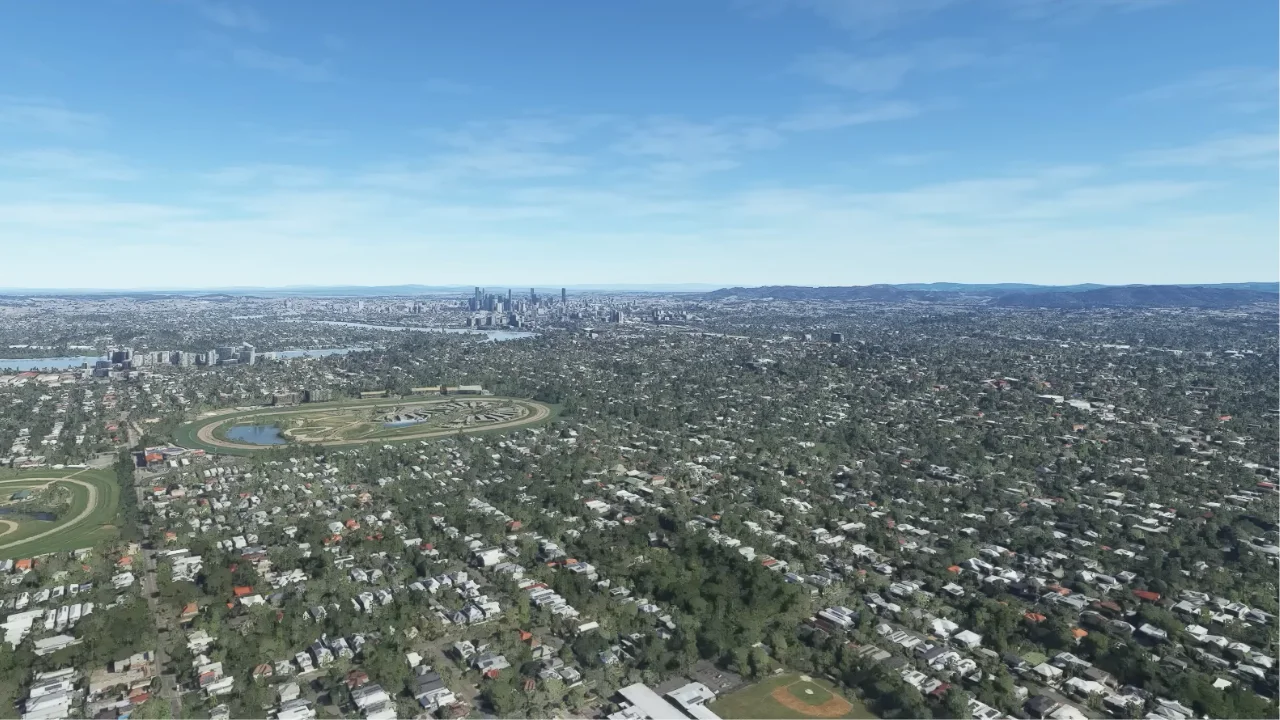

We’ve all wondered what it would be like to go round the Earth at the speed of light, but one simulation from Airplane Mode has finally given us a glimpse.
A mind-bending video showed exactly how quickly you’d race around the Earth if such a journey were possible.
The result is so fast that it’s almost impossible for the human brain to process.
Even after watching it a few times, it’s hard to believe what you’re seeing.
What would it be like to go around the Earth at the speed of light?
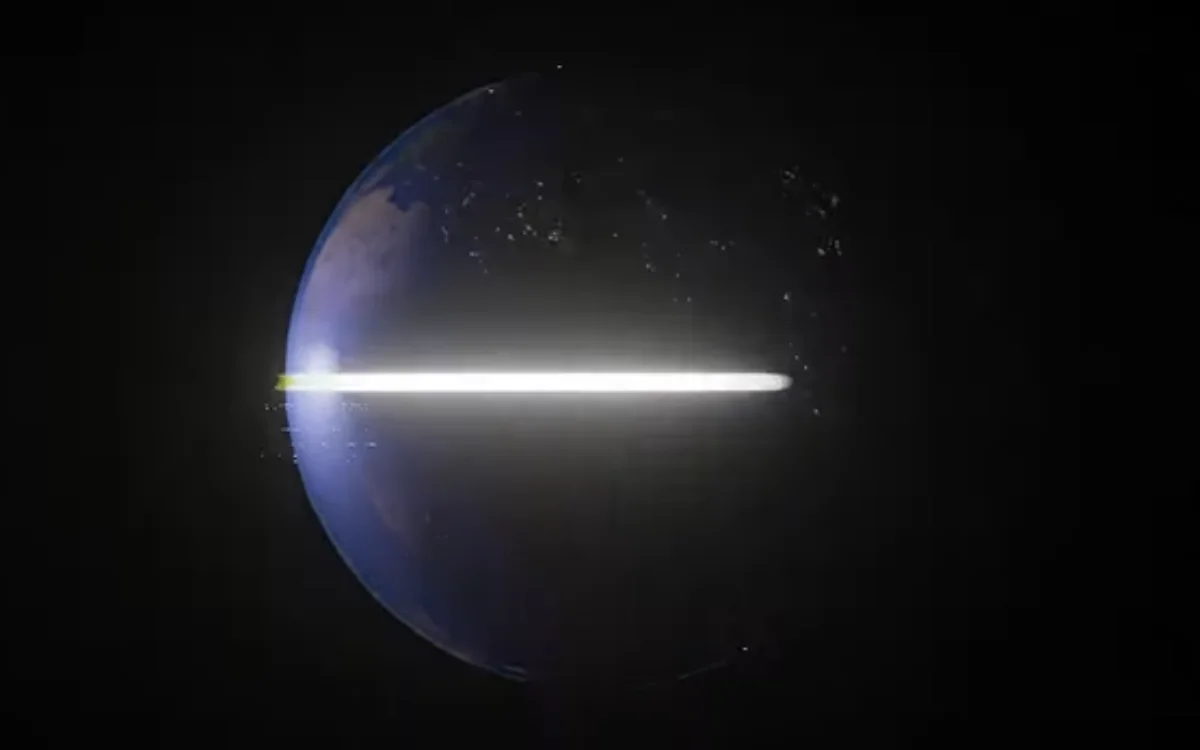
The simulation, created by YouTube channel Airplane Mode, imagined what it would look like to fly just above the Earth’s surface at the speed of light.
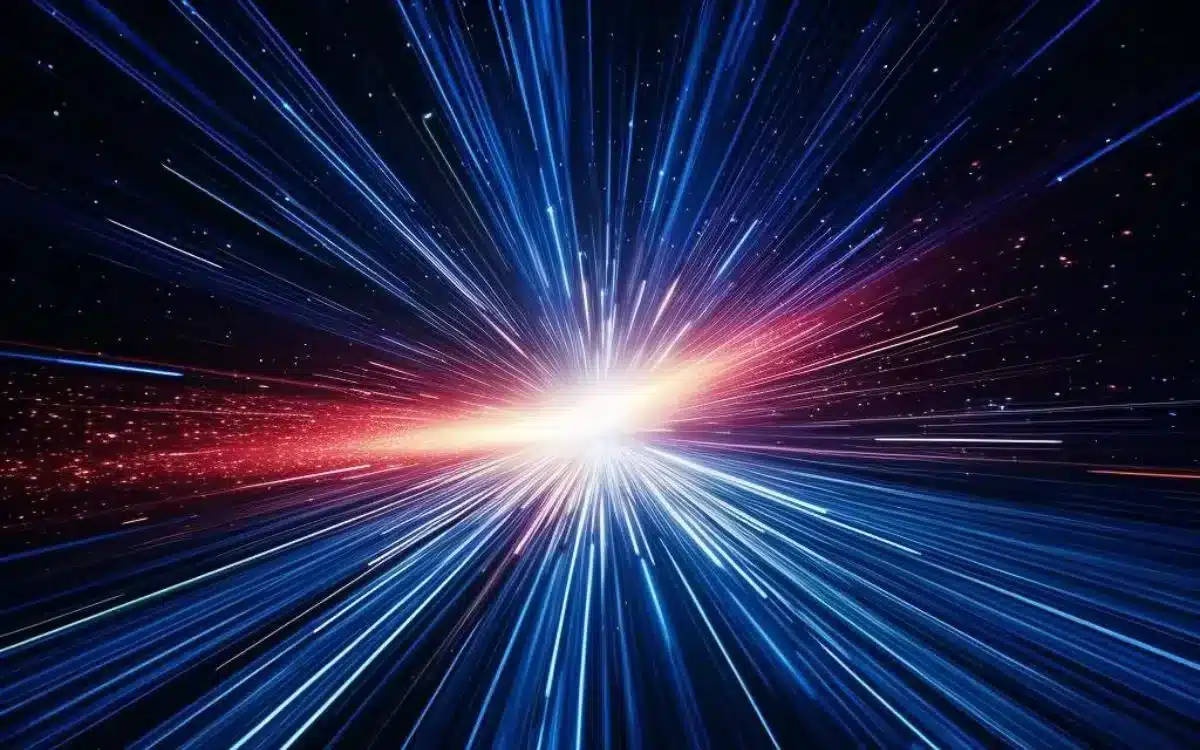
To put that into perspective, light travels at around 186,000 miles (299,792km) per second.
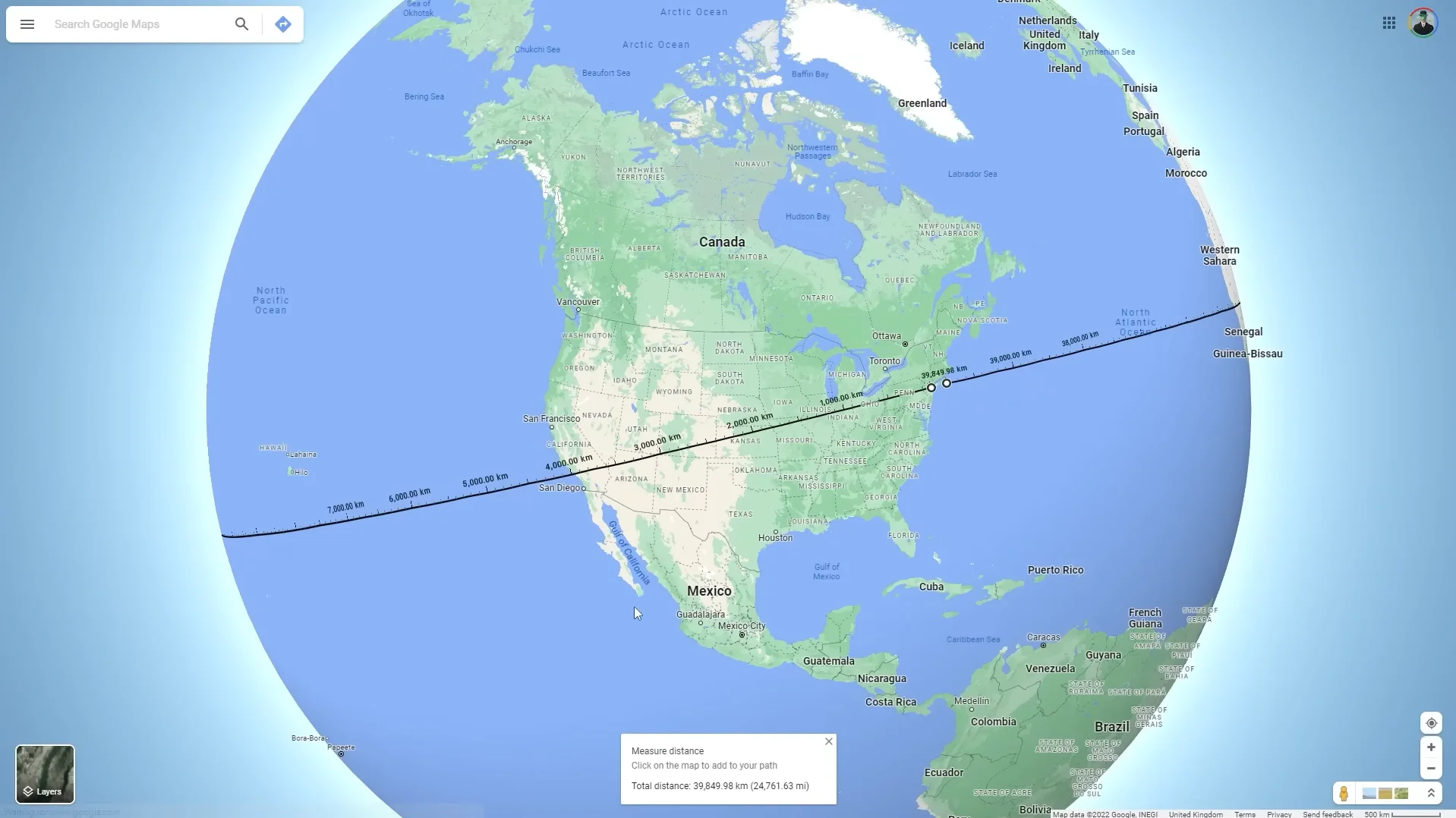
That means completing a full lap of the Earth would take just 0.13 seconds.
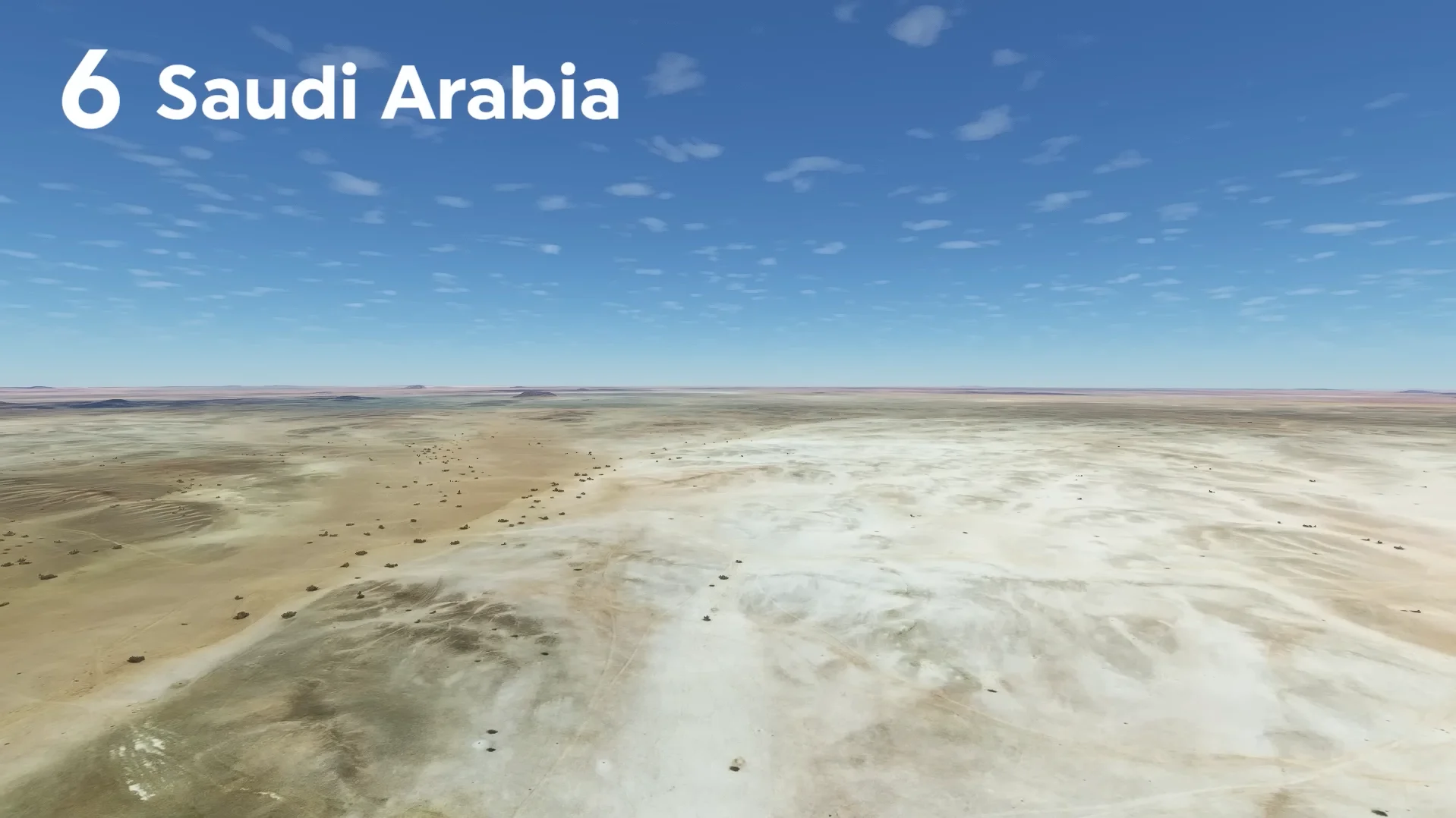
The video began over New York City before flashing across the US, the Pacific Ocean, Australia, Africa, and back across the Atlantic in what amounted to just eight frames of footage.
It’s a staggering demonstration of just how incredibly fast light really is, making even the quickest aircraft look painfully slow by comparison.

The simulation also compared the journey with traveling at the speed of sound.
While that is still incredibly fast at around 767mph (1,235km/h), circling the globe would take around 32 hours, making it almost comically slow next to light itself.
Related
How close are we to taking this journey in real life?
As incredible as the video is, it’s firmly in the realm of science fiction.
According to Einstein’s theory of special relativity, nothing with mass can travel at or faster than the speed of light, meaning no airplane, spacecraft, or vehicle could ever make the trip shown in the simulation.
Even the fastest hypersonic aircraft concepts are capable of around 3,800mph, which is only a tiny fraction of light speed.
Still, simulations like this help visualize scales that are almost impossible to comprehend.

Watching an entire journey around our planet happen in less time than it takes to blink is a fascinating reminder of just how extraordinary the universe really is.
Daisy is a technology and automotive journalist covering artificial intelligence, consumer tech, Apple news, cryptocurrency, emerging technologies, and transportation innovation. Since joining the team in 2025, she has reported on everything from AI-powered startups and major iOS updates to viral car stories and the latest developments shaping transportation and the digital economy. Drawing on her background in automotive journalism and a degree in History and Journalism from Goldsmiths, University of London, Daisy specializes in breaking down complex topics into clear, engaging reporting for a global audience. Her work spans cutting-edge technology, innovative vehicles, and the people driving change across both industries. Daisy has gained first-hand access to some of the world's most talked-about technologies and innovators, including meeting Tesla's Optimus humanoid robot during its first European appearance in London. She has also discussed the future of space exploration with an astronaut, bringing unique insights and real-world perspectives to her coverage of emerging technology.