Man who built solar-powered yacht that can run forever has increased the range even further
Published on Apr 23, 2026 at 11:55 AM (UTC-4)
by Molly Davidson
Last updated on Apr 23, 2026 at 11:55 AM (UTC-4)
Edited by
Emma Matthews
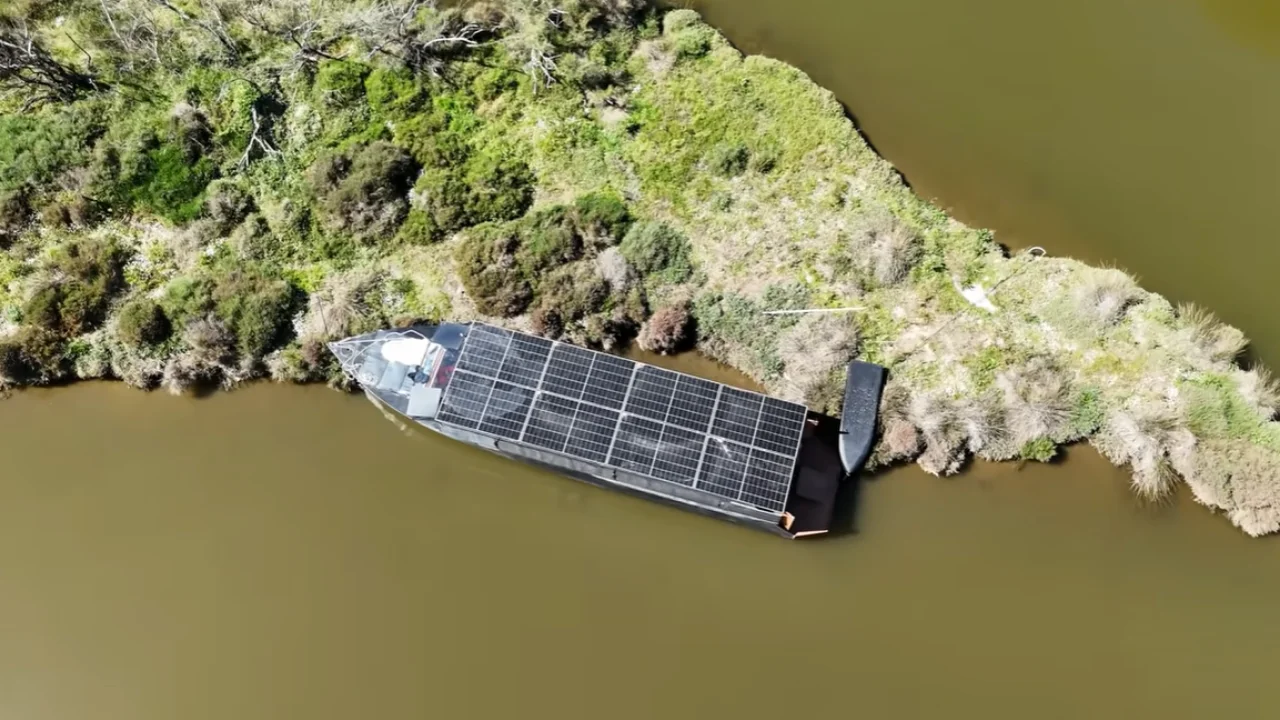

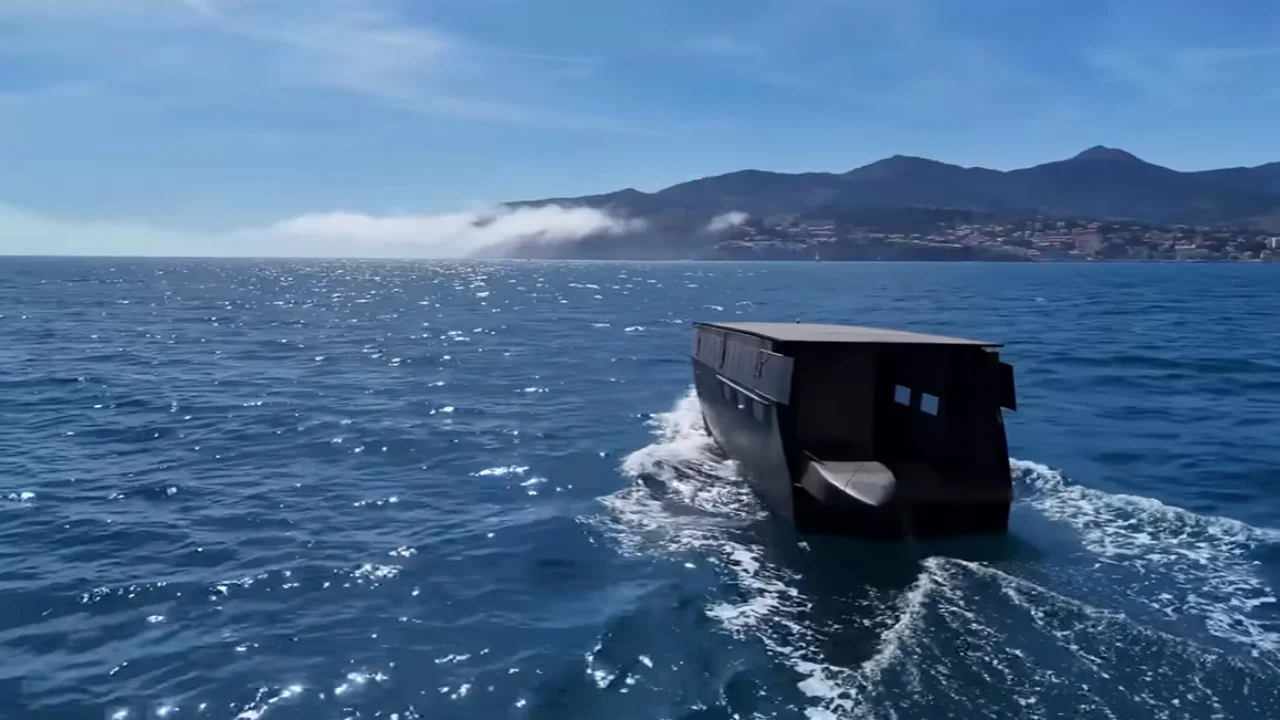
A man who built a solar-powered yacht designed to run indefinitely has now pushed its range even further.
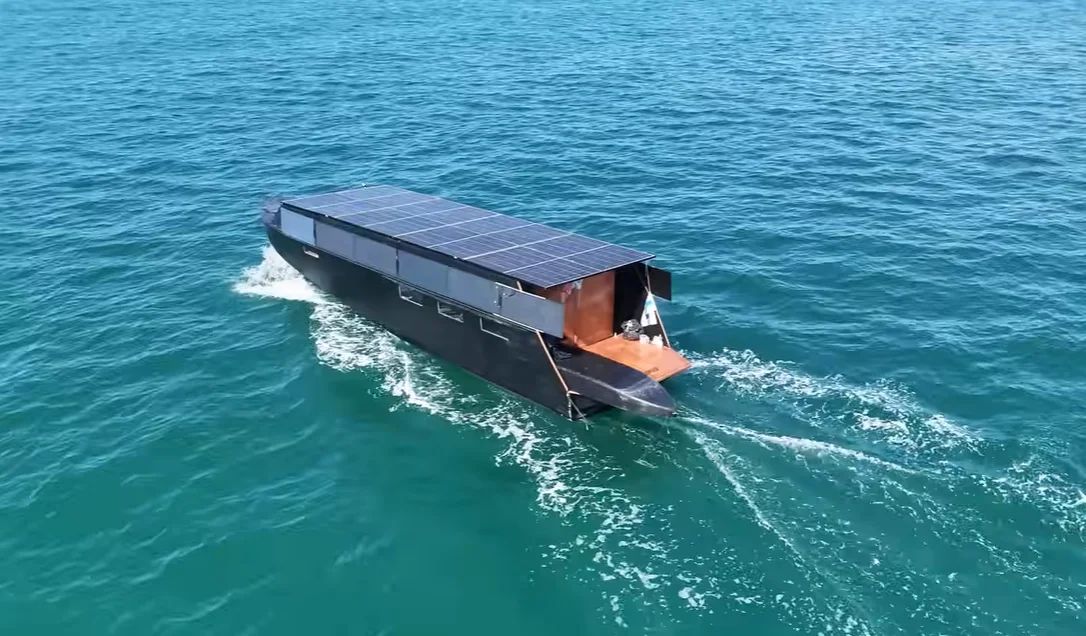
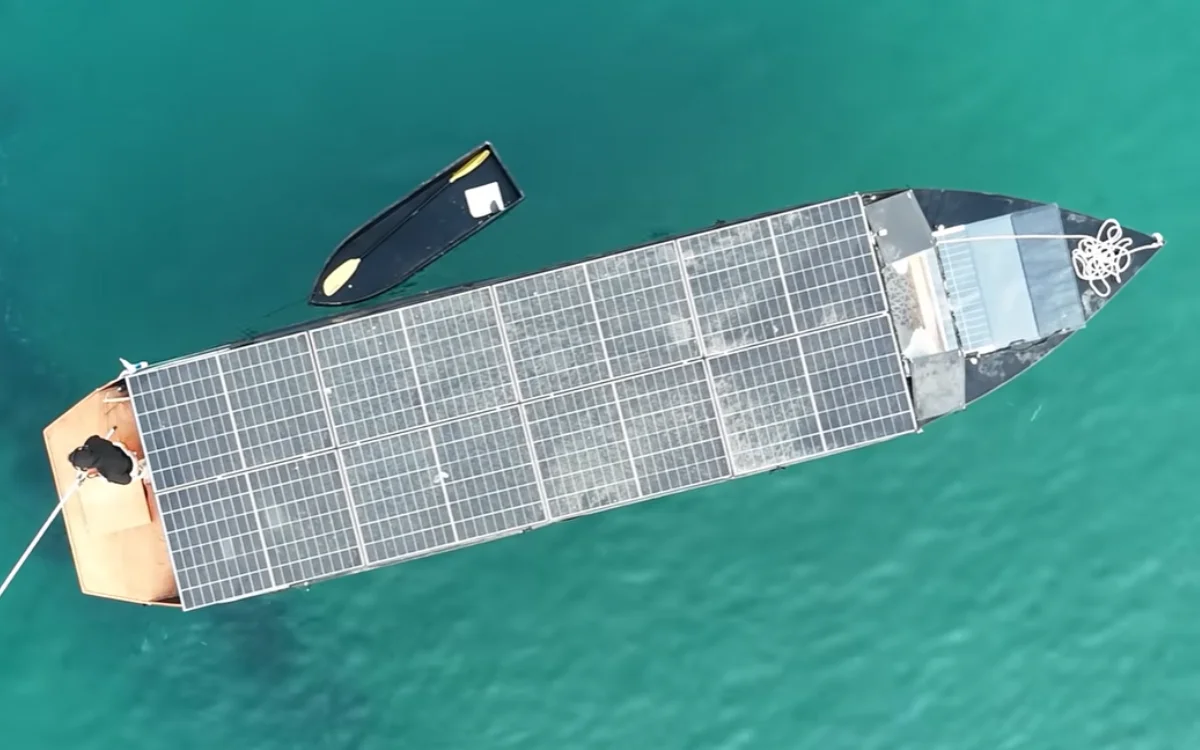
Lukas Sjoman revealed a battery upgrade that significantly extends how far the Helios 11 prototype can travel on a single run.
It builds on a system that was already capable of running entirely on solar and battery power.
But this time, it’s less about staying out longer and more about how far it can go between charges.
The solar-powered yacht upgrade that pushes range into new territory
This range update is part of a documented ongoing build on the True North Yachts YouTube channel, where Sjoman shares real-world testing and upgrades from life onboard.
This latest change to the solar-powered yacht focuses on a new battery system, adding more capacity without compromising the boat’s performance.
Before this, the yacht was already capable of running continuously using solar input, topping up throughout the day, and cruising comfortably between 20 and 50 nautical miles.
Now, with the added battery weight sitting low in the hull, it can stretch far beyond that, reaching around 150 nautical miles in mild conditions.
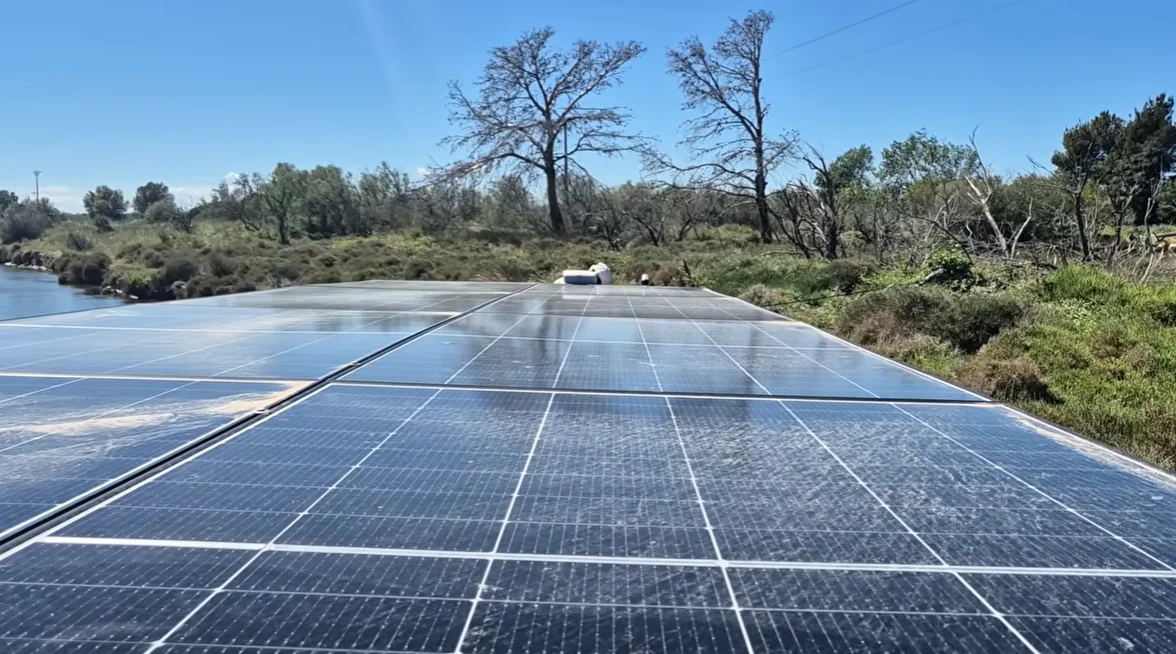
And solar helps to extend that even further.
Sjoman told Supercar Blondie the upgrade wasn’t about fixing a problem.
“There was no limitation really before the upgrade,” he explained.
“It’s simply nice to have that extra capacity onboard.”
Because of that, the conversation shifted away from short trips and toward something much bigger.
According to him, long-distance solar travel isn’t theoretical anymore.
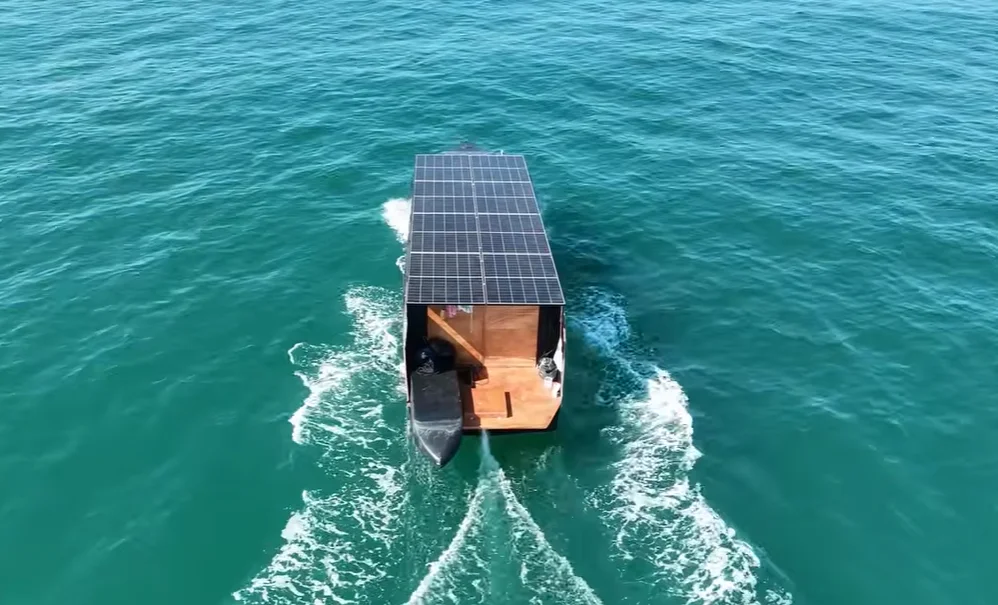
“Some people have actually already crossed the Atlantic only on solar,” he said, adding his own prototype could manage a similar journey at an average speed of around five knots.
But while the energy side holds up, something else becomes the real constraint.
Smaller vessels struggle once conditions change, and comfort quickly drops off as the boat starts to roll.
“With a 50 percent larger version… this journey would be a piece of cake,” he said.
Related
Solar-powered boats are closer than they seem
That broader potential is already being explored beyond individual builds.
Associate Professor Saman Gorji, Director of the Centre for Smart Power and Energy Research at Deakin University, told us that
“Solar-plus-battery systems are already viable for some marine applications, especially shorter and more predictable routes.”
However, scaling that up comes with trade-offs.
For longer routes or continuous-duty vessels, hybrid systems are the more practical step, combining batteries with other clean energy sources to extend range and reliability.
That approach is already in use overseas, with battery and hydrogen ferries operating in places like Norway.
As a result, the idea of solar-assisted marine transport isn’t a future concept.
It’s already being tested in real-world conditions, but the limitations come down to fundamentals.
Energy density, charging infrastructure, cost, and safety all still need to be addressed, particularly in marine environments where managing system failures is far more complex than on land.
Even so, the direction is clear.
What started as a self-built solar yacht is now sitting much closer to a real-world transport solution.
Just scaled down for now.

With roles at TEXT Journal, Bowen Street Press, Onya Magazine, and Swine Magazine on her CV, Molly joined Supercar Blondie in June 2025 as a Junior Content Writer. Having experience across copyediting, proofreading, reference checking, and production, she brings accuracy, clarity, and audience focus to her stories spanning automotive, tech, and lifestyle news.