Man who built solar-powered yacht that can run forever overtakes sailing boat 3 times its size despite making mistake
Published on Apr 26, 2026 at 12:47 AM (UTC-4)
by Ben Thompson
Last updated on Apr 26, 2026 at 12:47 AM (UTC-4)
Edited by
Amelia Jean Hershman-Jones
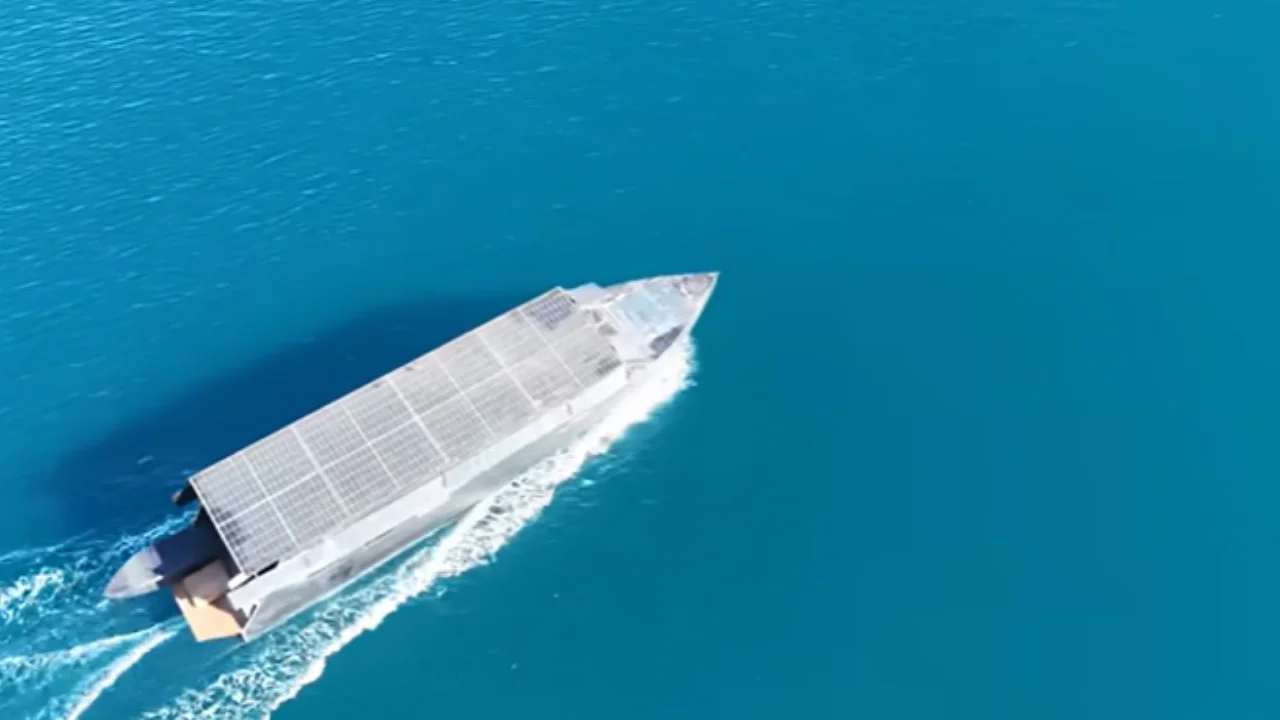

It was a big moment for the man who built a solar-powered yacht, as his vessel overtook a sailing boat that was three times bigger.
Helios 11 utilises high-efficiency solar panels to maintain a consistent cruise speed.
It took 200 days of work to get this boat up and running.
But now it’s making its mark out on the waters, despite one mistake that could have been costly.
This solar-powered yacht has been the subject of a lot of press attention
In this day and age, we associate yachts with opulence and luxury.

Sustainability usually doesn’t factor into the conversation.
That’s where the Helios 11 comes into the conversation.
Lukas Sjoman, who documents the Helios 11 on his True North Yachts YouTube channel, has shared a lot about his ambitious project.
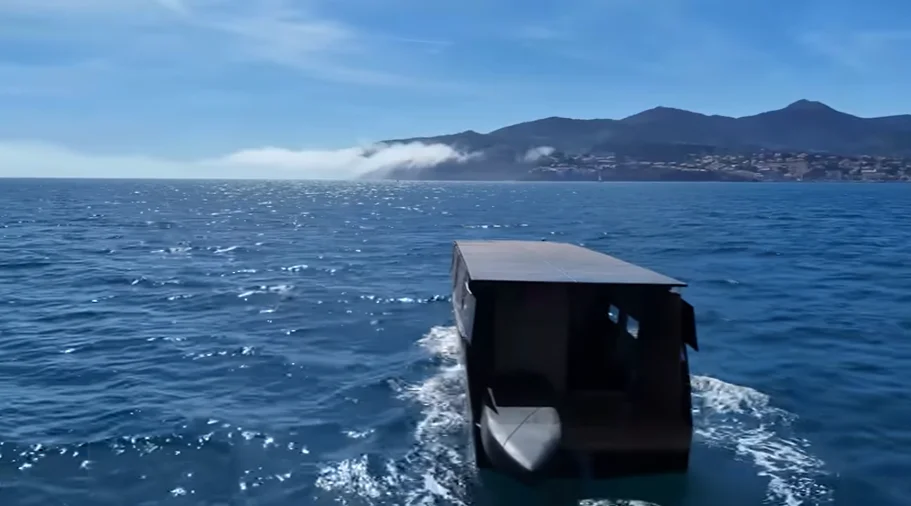
He put it through a heavy wind test in the Mediterranean sea and shared details of future upgrades.
As you can see, this isn’t a finished product – it’s a constant work in progress.
Now Sjoman has divulged more information about the Helios 11, pertaining to how it performs against other boats.
While traditional sailboats rely on favorable wind conditions, Helios maintains a consistent speed regardless of wind levels.
Even with zero percent battery, the solar panels provide enough energy to maintain a speed of 6.5 knots in daylight.
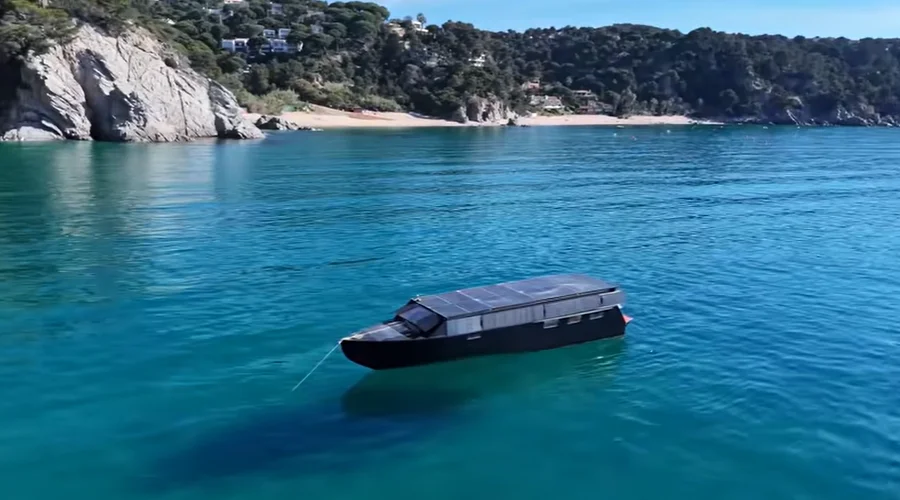
He reported that his prototype was consistently outperforming sailing boats.
However, there was one design mistake that he had regrets on.
Despite this mistake, the Helios 11 is still a powerhouse out on the water
During the building process, he opted for a monohull over a power catamaran.
The monohull is a traditional boat with one hull in the middle, meaning it ‘pushes’ the water aside as it moves.
By contrast, the power catamaran has two separate hulls, connected in the middle by a platform.
He’d made this choice because he’d realized mid-build that a catamaran would be ‘double the work’.
However, this decision had limited the boats speed out on the water.
Even if the motor power increased from 4,500W to 6,000W, the boat wouldn’t feel that much faster because of the monohull shape causing resistance.

It’s too late now to go down a different path, but we can’t help but wonder how fast the alternative boat could have been.
Ben joined Supercar Blondie in February 2025 after being published by international organizations including LADbible, The Sun, the New York Post, and the Daily Mail. He covers supercars, rare and collectible vehicles, aviation, luxury assets, and the fascinating people behind them. His reporting has explored everything from seven-figure supercars and historic Ferrari collections to unusual aircraft adventures and extraordinary automotive discoveries from around the world. Ben has also gained first-hand insight into vehicle craftsmanship and customization, including visiting specialist workshops to see bespoke vehicles up close.