AI smart glasses that act as a live assistant for dementia patients just won $1,400,000 and could be available to the public soon
Published on Mar 30, 2026 at 1:20 PM (UTC-4)
by Claire Reid
Last updated on Apr 02, 2026 at 12:14 PM (UTC-4)
Edited by
Emma Matthews


The makers of AI-powered smart glasses that have been designed to support people living with dementia have just been awarded a $1.4 million prize, and the tech is set to be made available to the public soon.
CrossSense smart glasses will be able to help people with early-stage dementia live safely and independently in their own homes for longer.
The lightweight glasses come with a personalized AI assistant that is on hand to help the wearer in their everyday life.
CrossSense recently won the Longitude Prize on Dementia and was awarded more than $1 million, meaning the glasses are one step closer to being released to the public.
Enter our competition to win a stunning 2006 Ford GT or $400,000 cash!
The AI-powered CrossSense smart glasses could make a huge difference
AI technology has come a long way in recent months and years.
Once firmly in the realms of science fiction, today AI-powered chatbots and smart glasses are becoming the norm.
It’s also being incorporated into more and more industries, from car-making to medicine, where it could make a huge difference.
UK-based CrossSense has been working away on its AI-powered smart glasses for years.
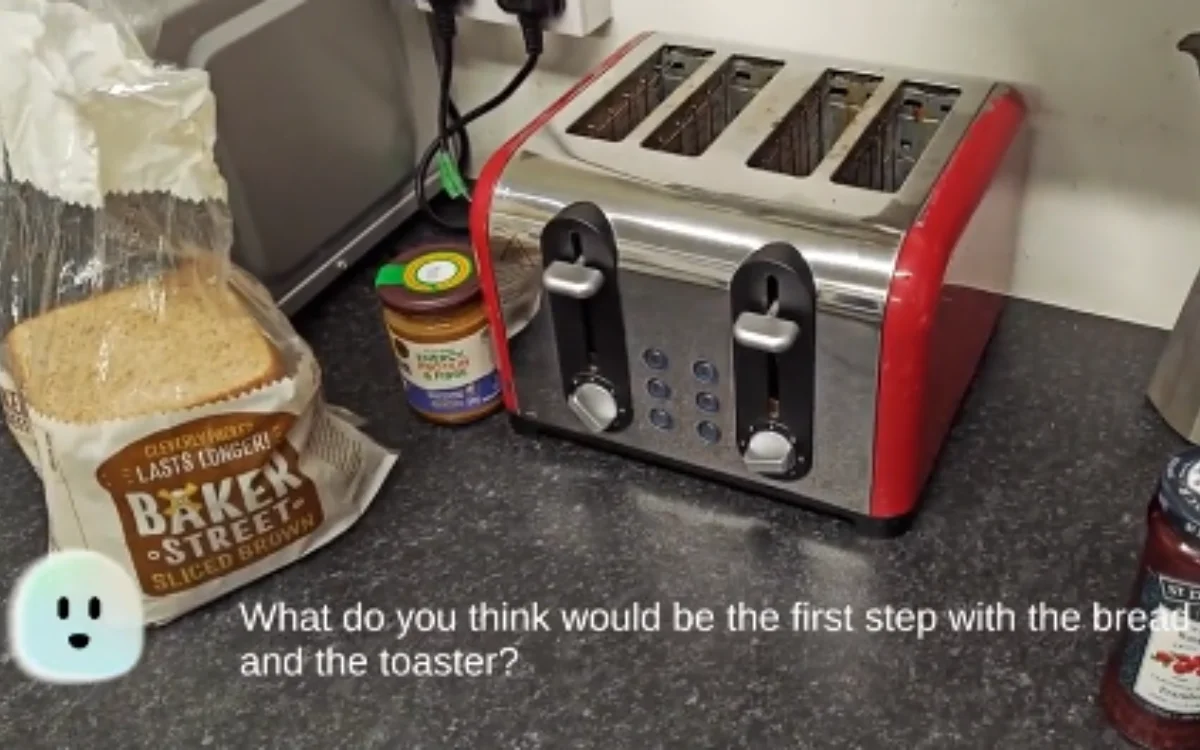
The glasses come with a handy assistant, called Wispy, and are designed to help those living with early-stage dementia.
Wispy is able to identify everyday objects and can guide the wearer through daily activities and provide ‘gentle cognitive stimulation’.
According to its creators, Wispy can help with a range of tasks from making a cup of tea and preparing food to carrying out household chores; it can even offer assistance in social interactions.
The smart AI companion learns the wearer’s unique habits and routines and can adapt as their needs change.
“Wispy asks gentle questions as you do activities – like making tea, getting dressed, or preparing a meal,” the CrossSense website explains.
“By talking with you, Wispy learns where you are and what comes next. It’s not just reminding you- you’re figuring it out together, step by step.”

Three out of four participants experienced a ‘clinically significant improvement in quality of life’, while general cognition rose from 61 percent to 66 percent after just one session.
Meanwhile, naming accuracy jumped from 46 to 82 percent, and none of the participants reported any side effects.
For carers, 86 percent said the smart glasses would lighten their load practically, and a staggering 91 percent said the glasses would help emotionally.
Related


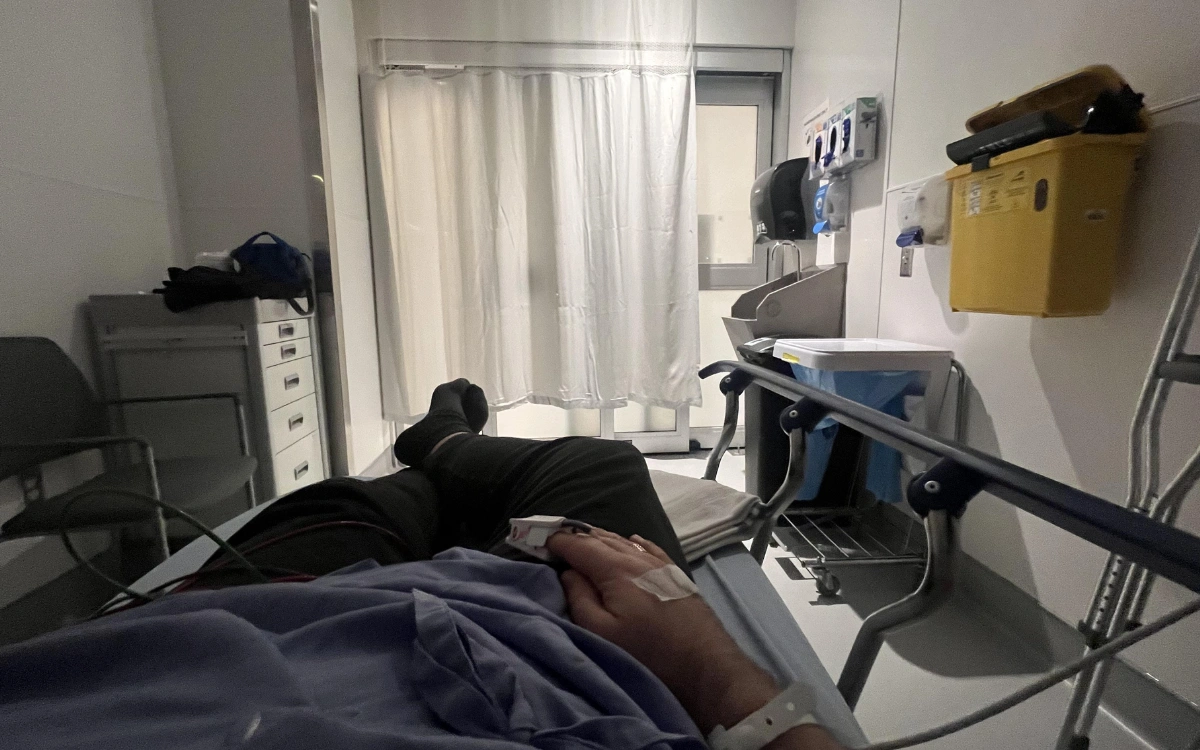
The glasses have recently scooped a top prize, bringing them closer to market
This month, CrossSense was awarded the prestigious Longitude Prize on Dementia, which comes with a $1.4 million cash prize.
This money will help get the AI-powered glasses out to the public more quickly.
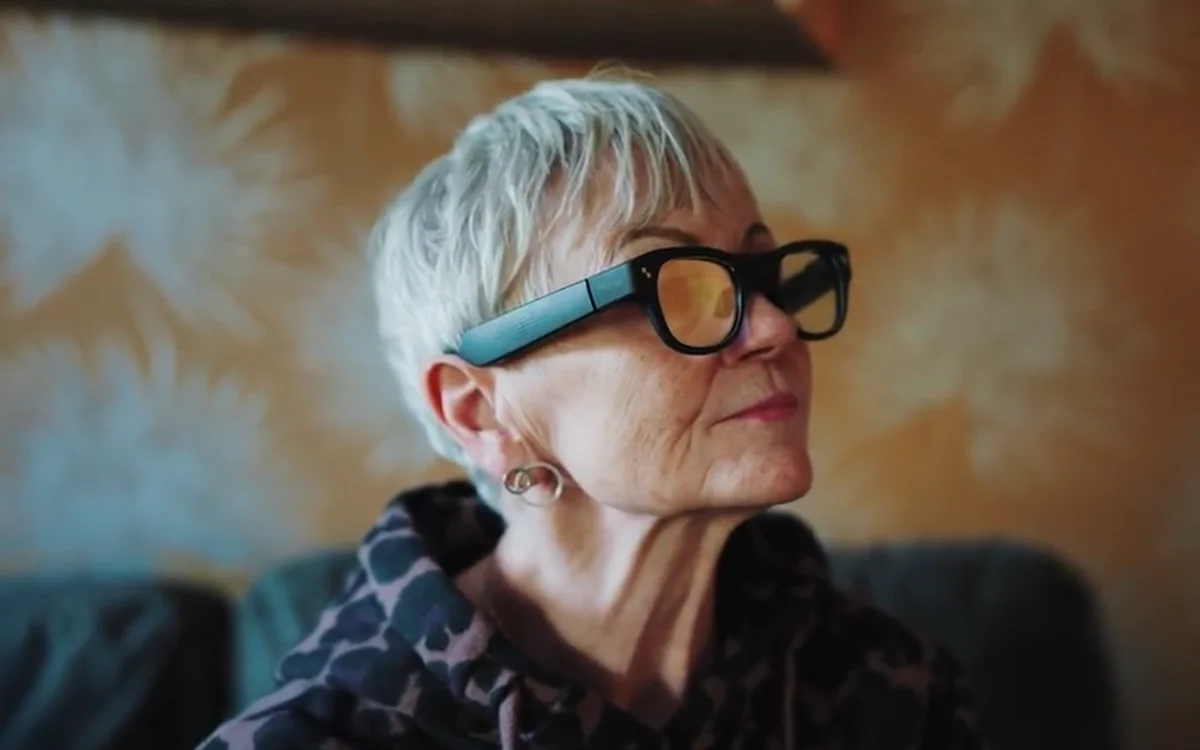
“Winning the Longitude Prize on Dementia is a dream come true,” CrossSense CEO Szczepan Orlins said.
“As a small team with big ambitions, the prize’s support has accelerated CrossSense in ways that wouldn’t have been possible otherwise.
“The technology is designed to support daily living, integrating multiple senses to simplify essential tasks.
“We’re grateful to the people living with dementia and their families who helped shape it. This win brings us closer to making CrossSense available to the public within the next year.”
With a background in both local and national press in the UK, Claire has covered a range of topics, including technology, gaming, and cryptocurrency, since joining the editorial team at Supercar Blondie in May 2024. Her ability to be first to a story has been integral to making SB’s coverage of scientific discovery, AI, and global tech news a slick 24/7 operation.




