Apple launched Siri before anyone else and that early advantage became the reason it still cannot catch up today
Published on Mar 10, 2026 at 4:44 AM (UTC+4)
by Claire Reid
Last updated on Mar 10, 2026 at 4:44 AM (UTC+4)
Edited by
Claire Reid
When Apple launched Siri back in 2011, it was groundbreaking technology, offering folks their very own digital personal assistant for the first time – but since then, it’s struggled to keep up.
Today, there are a bunch of virtual assistants to choose from, including Amazon’s Alexa and Microsoft Copilot, as well as newer AI offerings, like ChatGPT.
But it was Apple’s Siri that was the trailblazer when it came to digital assistants.
However, despite being the first, these days it’s fallen behind many of its competitors, and here’s what’s to blame.
Click the star icon next to supercarblondie.com in Google Search to stay ahead of the curve on the latest and greatest supercars, hypercars, and ground-breaking technology
Siri was launched in 2011, but hasn’t quite been able to keep up
Although we’re all used to them now, if you cast your mind back 15 years ago, the concept of a digital personal assistant was pretty impressive.
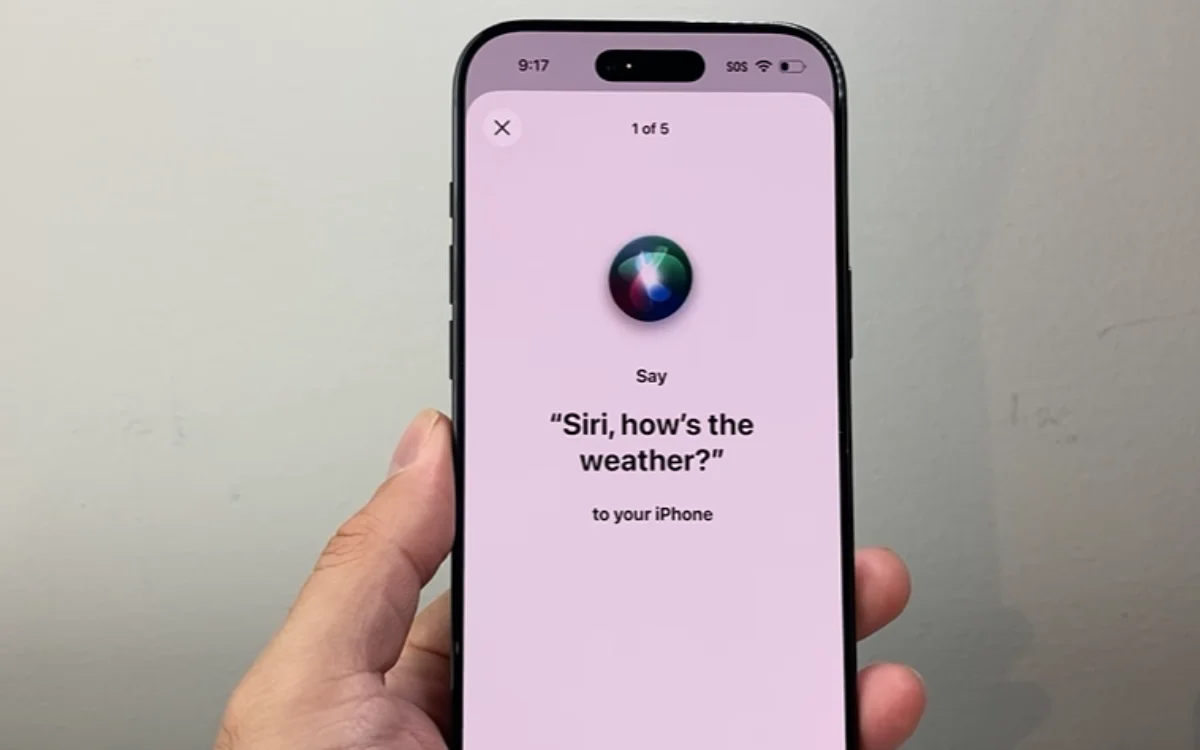
All you needed to do was call out: “Hey Siri,” and then you could ask it to perform a bunch of basic tasks, like sending a text message, calling someone, or setting a reminder.
But within a couple of years, the excitement around Siri had turned to frustration for some folks who couldn’t get it to work as it was intended.
According to the Apple Explained YouTube channel, the big cause of Siri’s problems is the tech it was built on.
Siri was originally designed by a company called Siri Inc, and was created on a technology framework known as Open Agent Architecture, which was fairly basic and worked by matching keywords.
It initially launched as an app on iOS before being purchased by Apple.
The late Apple CEO Steve Jobs was keen to launch Siri on the iPhone 4s, which meant engineers only had about a year to get it ready, and with such a short deadline, they had to remove some features.
The Apple iPhone 4s was a huge success for Apple, but with millions of people now using Siri, its servers struggled to keep up with demand and would often crash.
Siri began to experience outages, leaving users frustrated and presenting Apple with a choice: either rebuild Siri from scratch or keep trying to improve the old system.
Ultimately, Apple chose to stick with the tech it had and instead try to develop and update it to make it better.
And then the competition came along
While all of this was going on with Apple, a slew of new virtual assistants had popped up, and many of them were outperforming Siri.
Most of these competitor assistants were built on modern cloud-based AI technology, which meant that the companies behind them were able to bring in new features and updates far more quickly, and allowed developers to build integrations.
Meanwhile, Apple’s Siri was only receiving annual updates, and it took years for developers to be given access.
Apple also initially shied away from AI, but with the introduction of ChatGPT in 2022, it appeared to have a change of heart.
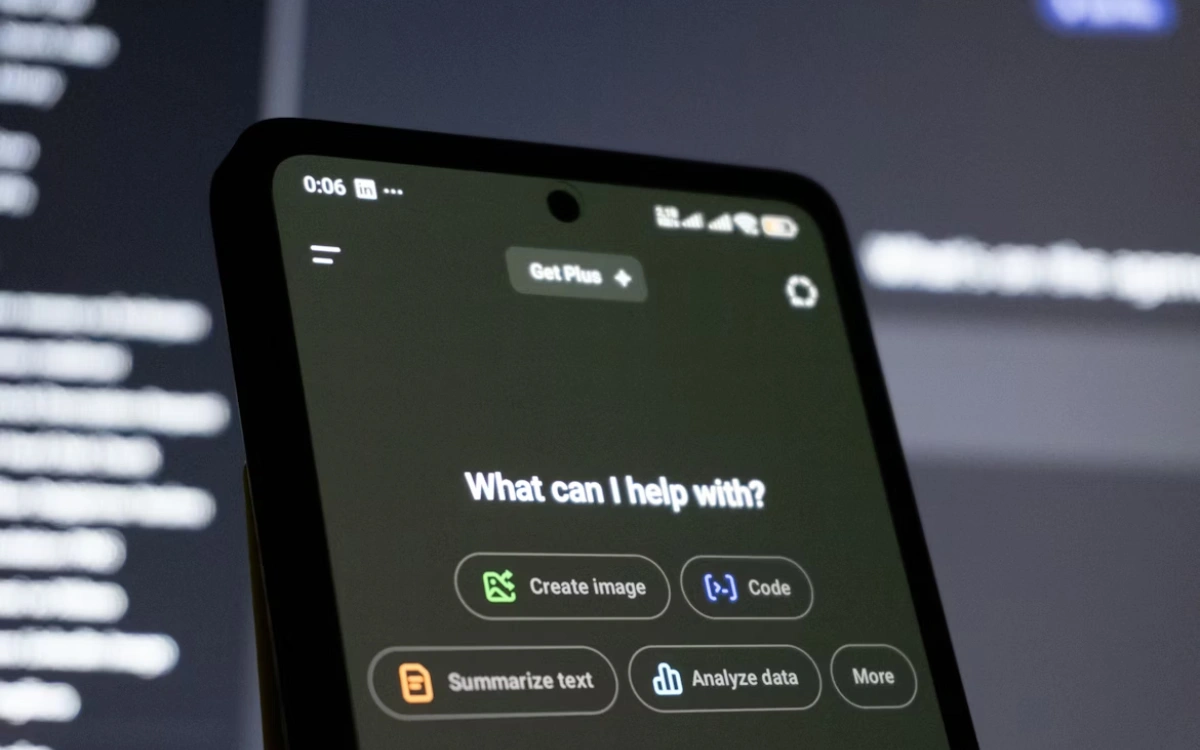
The following year, Apple started building new AI systems, but it was already years behind its competitors and has struggled to catch up.
In January, Apple announced that it had struck a deal with Google to bring Gemini AI to the iPhone, and promises to bring some much-needed upgrades to Siri.
So it seems like we’ll have to watch this space to see where Siri goes next.
A quick history of voice assistants
1952: Audrey voice recognition system by Bell Labs recognizes spoken digits – one of the first speech-recognition machines
1962: IBM Shoebox from IBM can understand about 16 words and perform simple math
1997: Dragon NaturallySpeaking launches, allowing users to dictate text on computers using natural speech
2011: Siri launches on the iPhone 4S, bringing voice assistants to mainstream smartphones
2014: Amazon Alexa debuts with the Amazon Echo, making voice assistants central to smart homes
2016: Google Assistant launches, using advanced machine learning and Google search data to improve responses
2017: The Transformer neural network architecture is introduced, enabling powerful AI language models that improve voice assistant understanding
2020: Voice assistants become widely integrated into smartphones, cars, TVs, and smart home devices, with billions of users worldwide
2023: Generative AI assistants like ChatGPT and Google Gemini begin powering more advanced conversational assistants
2024–Present: Companies including Apple, Amazon, and Google work to upgrade voice assistants with large language models, aiming for more natural conversations and complex task automation
DISCOVER SBX CARS: The global premium car auction platform powered by Supercar Blondie
With a background in both local and national press in the UK, Claire has covered a range of topics, including technology, gaming, and cryptocurrency, since joining the editorial team at Supercar Blondie in May 2024. Her ability to be first to a story has been integral to making SB’s coverage of scientific discovery, AI, and global tech news a slick 24/7 operation.