Man says Apple has critical 'shadow map' apps invisible to customers that it doesn’t want you to download
Published on May 02, 2026 at 5:49 PM (UTC-4)
by Daisy Edwards
Last updated on May 02, 2026 at 5:49 PM (UTC-4)
Edited by
Mason Jones
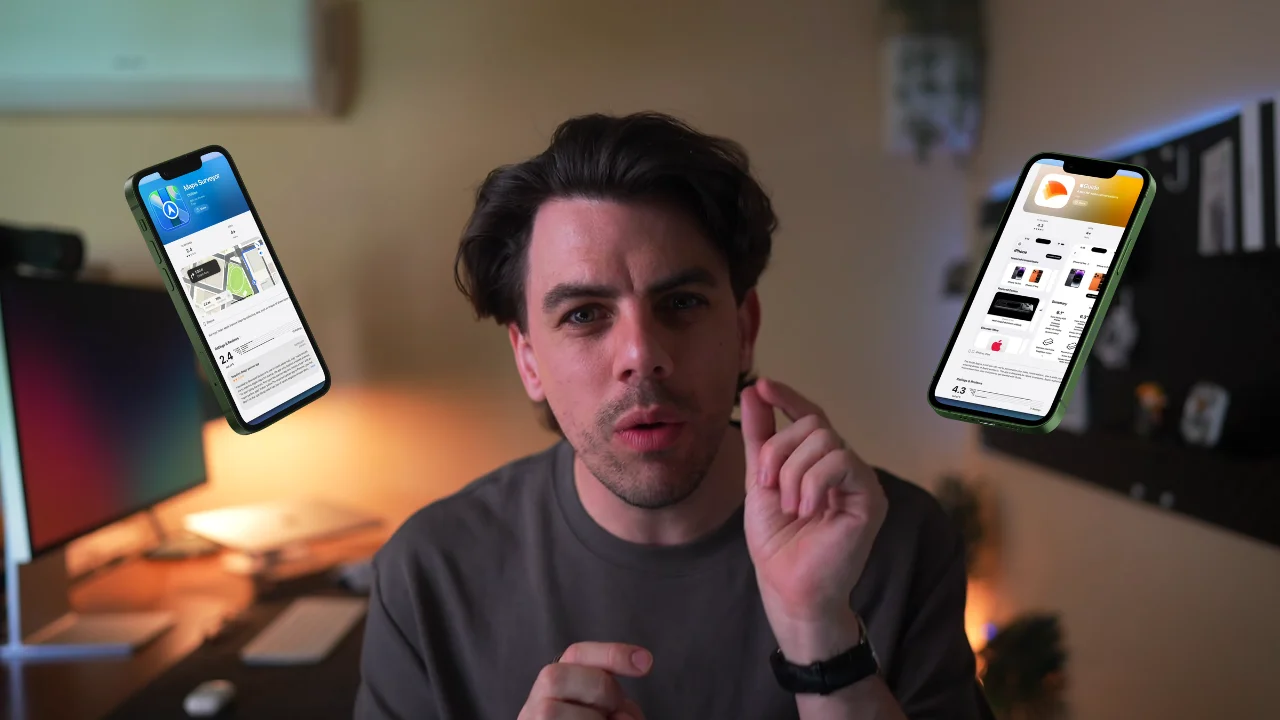

Did you know that Apple has secret ‘shadow map’ apps which are invisible to customers?
It might sound like a conspiracy theory at first, but it’s actually rooted in testing.
A YouTuber named Lewis Lovelock has uncovered a collection of little-known Apple apps that are publicly available yet clearly not designed for everyday users.
And together, they reveal a hidden layer of how the tech giant really operates behind the scenes.
‘Shadow map’ apps reveal how Apple actually runs behind the scenes
According to the YouTuber, these apps form what he calls a ‘shadow map’ of Apple’s internal tech systems.
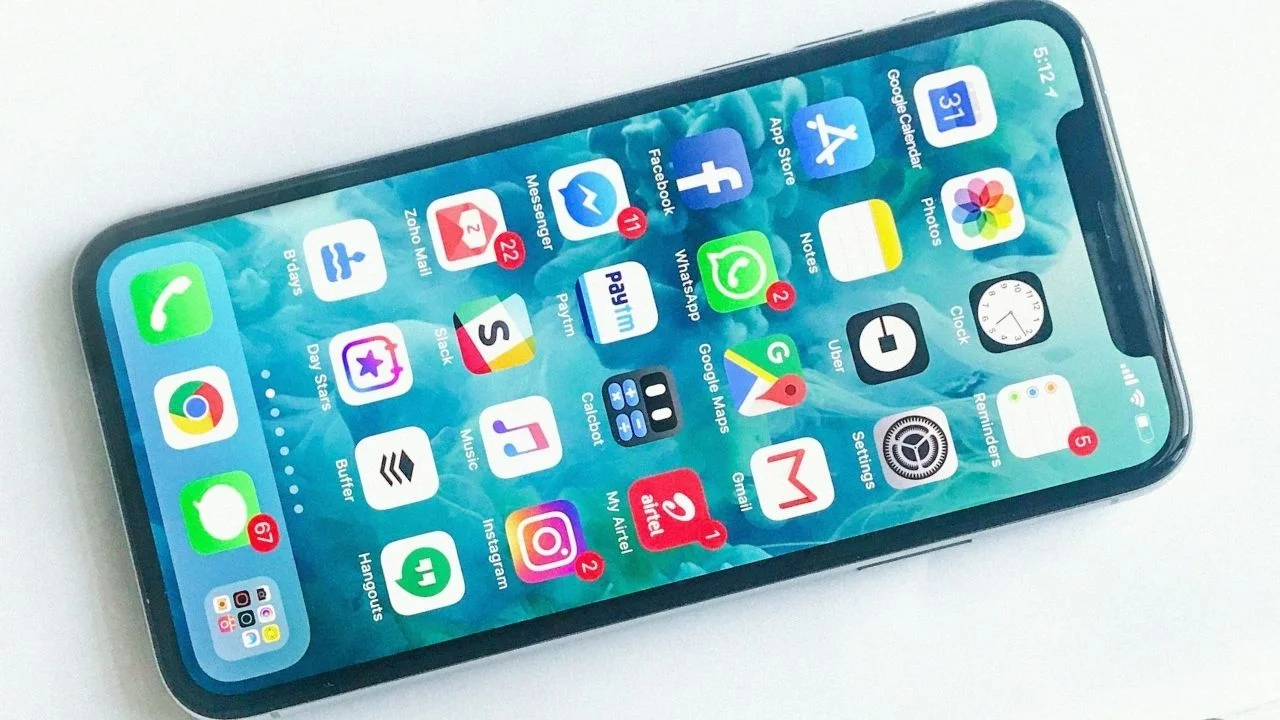
One of the most surprising examples is Apple Guide, a tool used by retail staff that acts like an interactive sales script.
It guides employees at the Apple store through product demos, highlights specific features depending on the customer, and even suggests comparisons between devices.
Anyone can technically download it, but once inside, you’re essentially looking at the exact playbook Apple uses to sell its products.
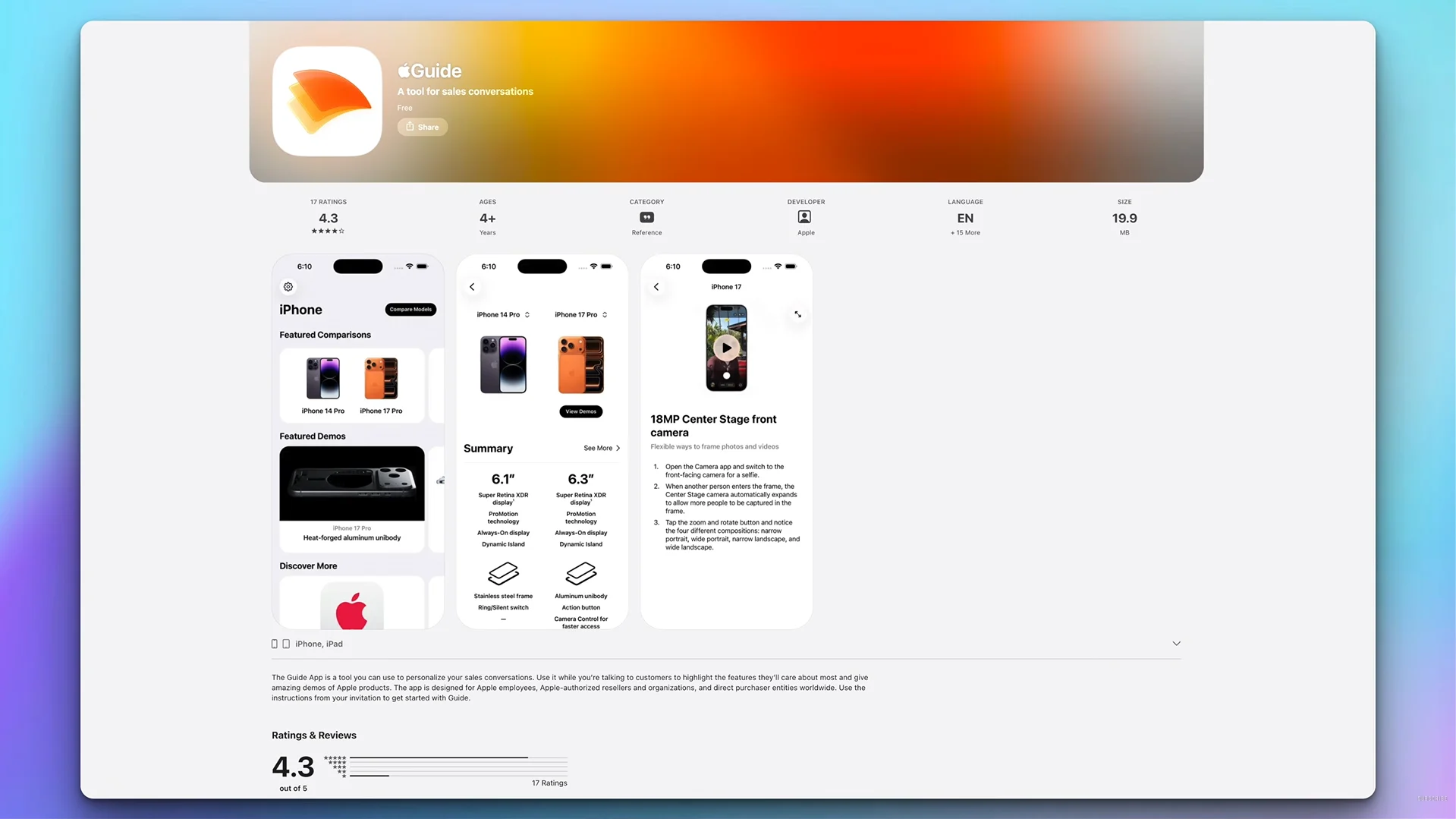
It’s a rare glimpse into how carefully structured those in-store conversations actually are.
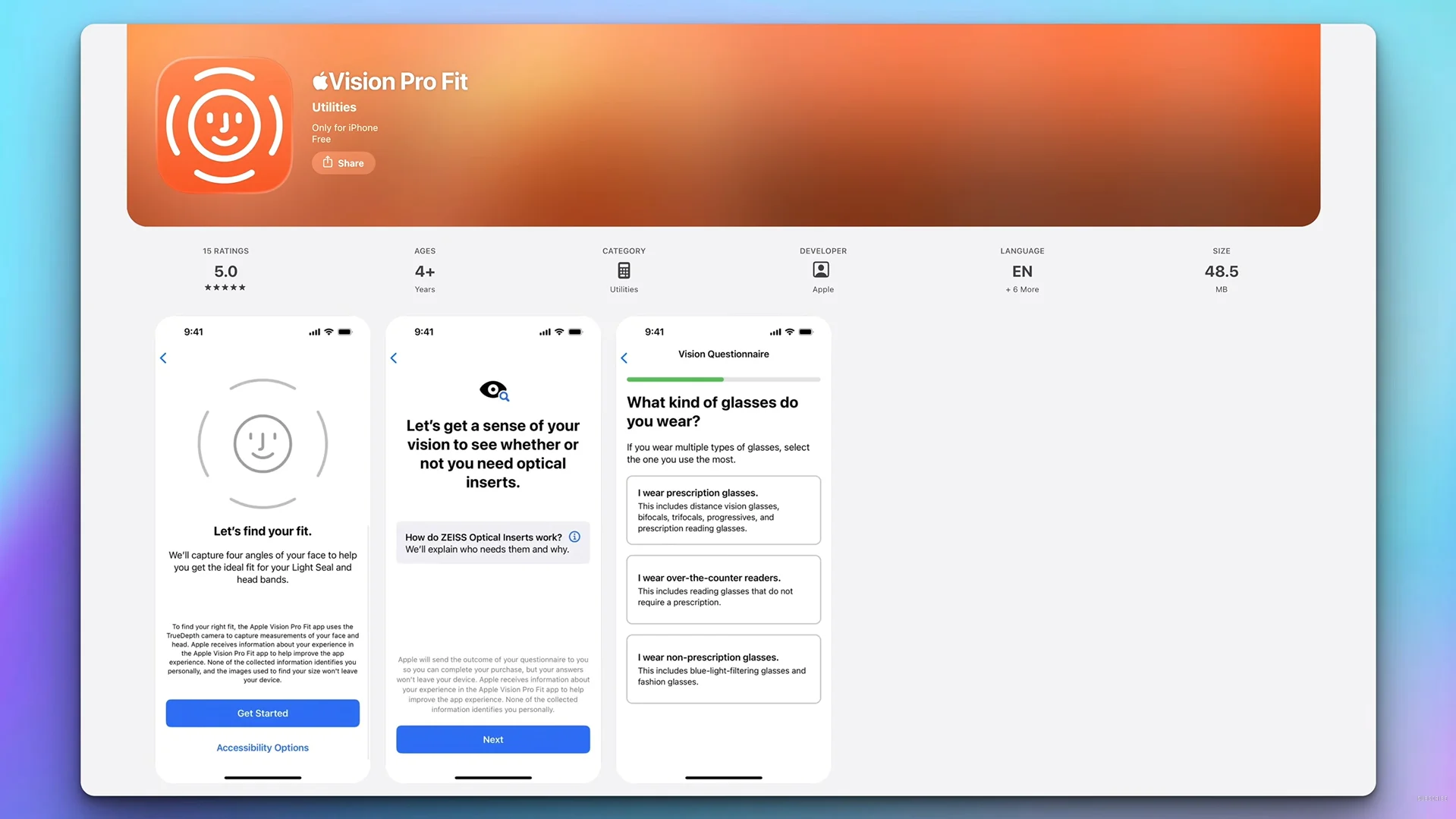
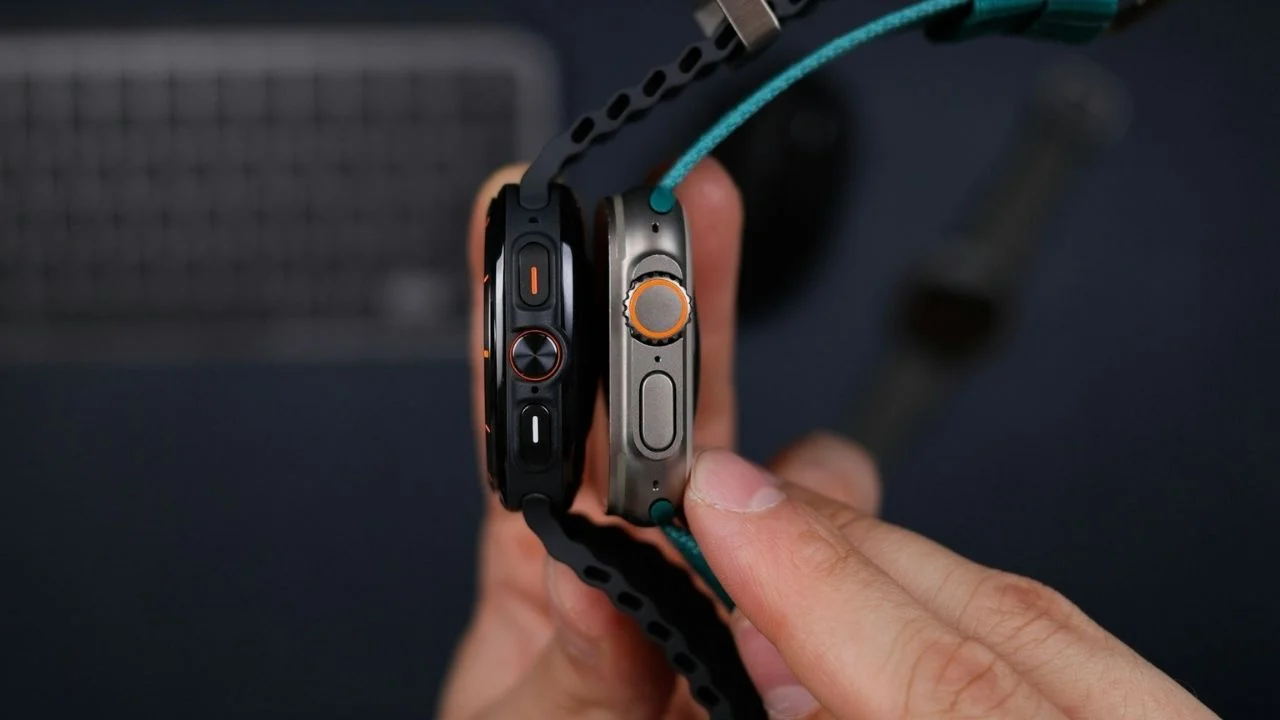
Another standout is Vision Pro Fit, which uses an iPhone’s camera to scan your face and determine the perfect fit for Apple’s not-very-popular VR headset.
Most people have probably never used it, and even if you have used the app, you most certainly have only used it once.
It shows just how much precision goes into even the most niche Apple products, with a dedicated app built purely to ensure comfort and accuracy.
Related
The apps power factories, maps, and even help with legal compliance
Other apps go even deeper into Apple’s ecosystem.
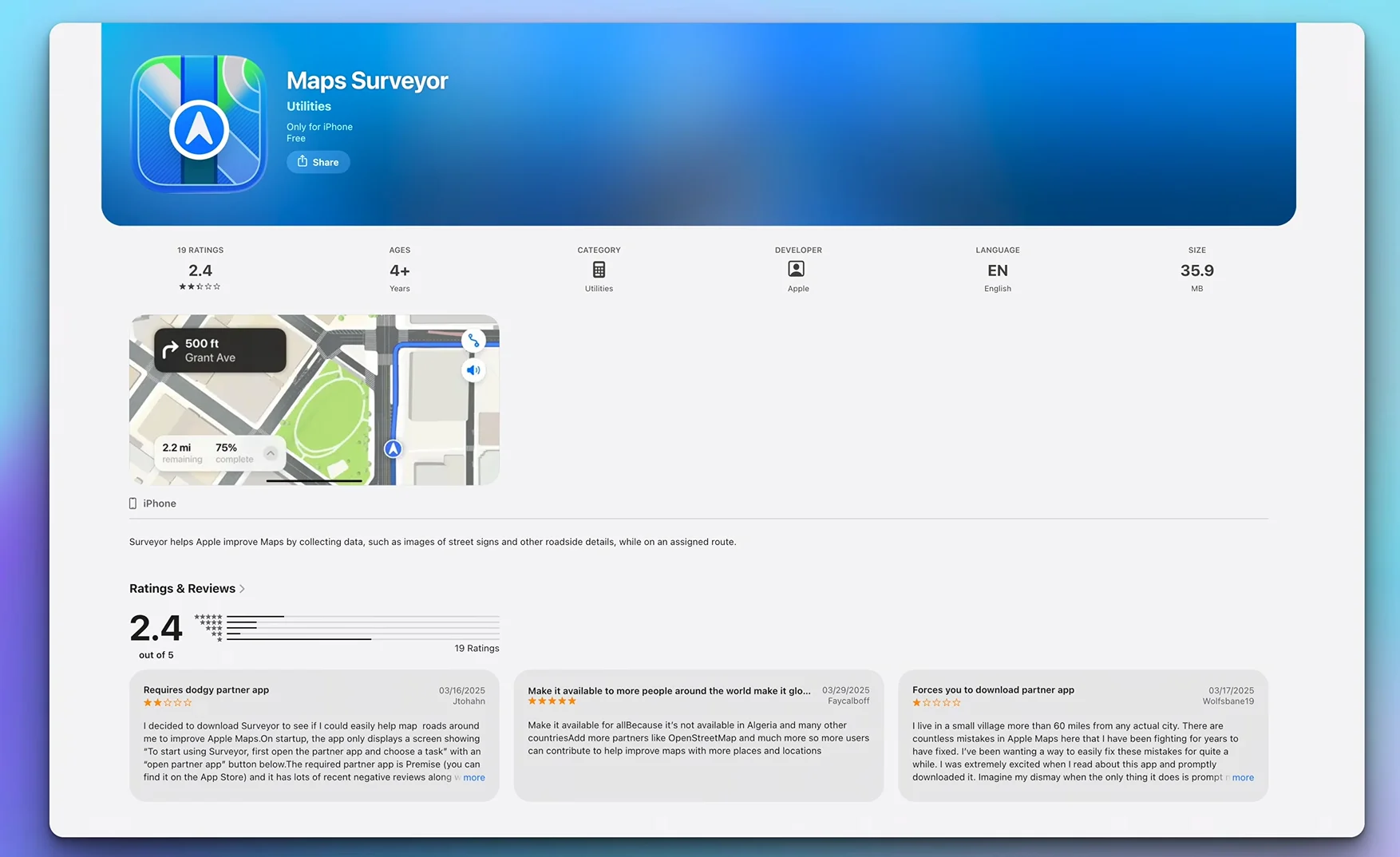
Map Surveyor, for example, is used by contracted workers to gather real-world data like street signs and road details to improve Apple Maps.
It reveals that part of Apple’s mapping system relies on gig workers completing assigned routes.
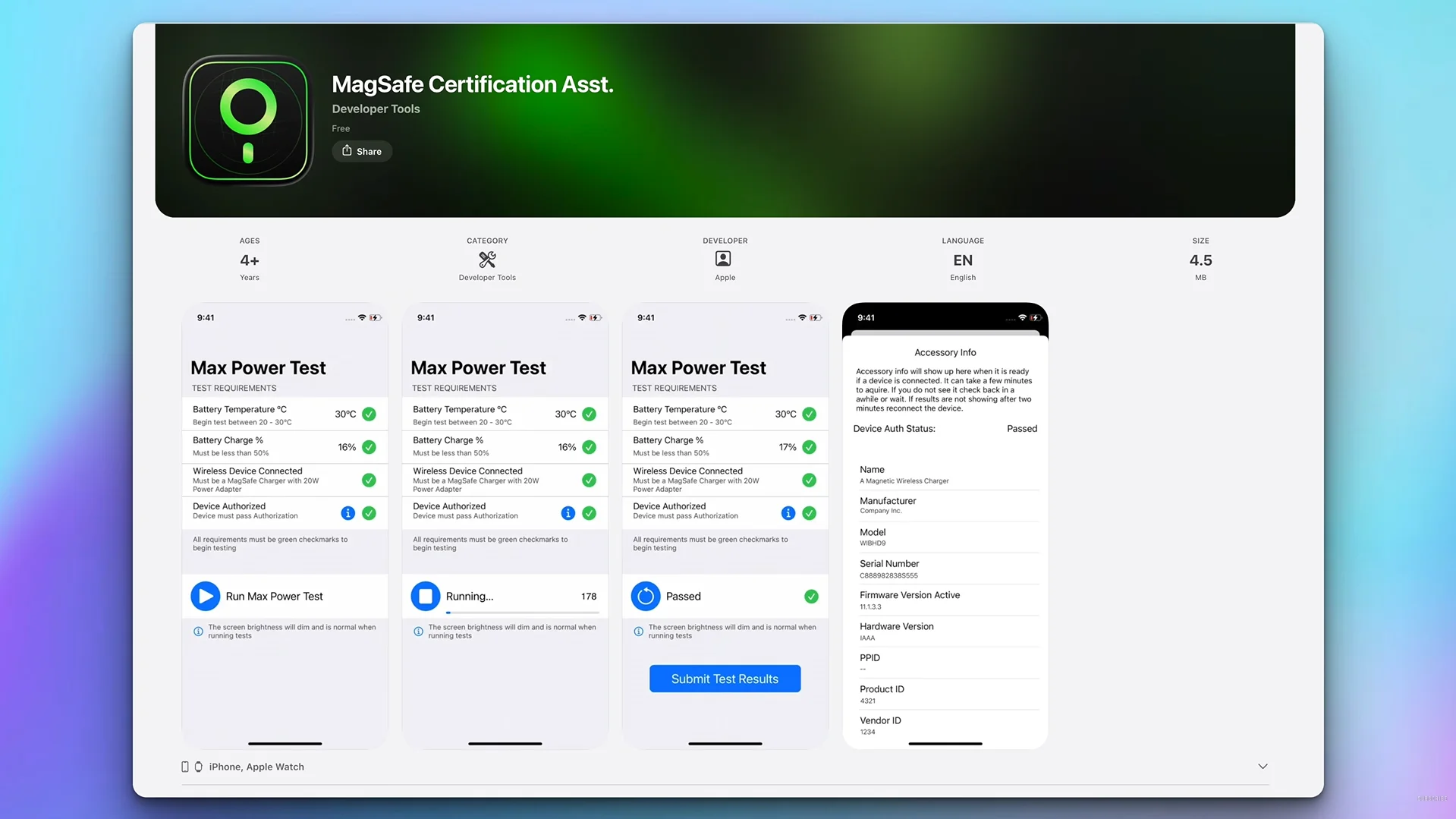
Then there’s MagSafe Certification Assistant, a tool used by accessory manufacturers to test whether their products meet Apple’s strict standards.
Without passing these tests, companies can’t officially label their devices as compatible.
Perhaps the most unexpected is EI Scoring, an app built to calculate energy efficiency ratings in line with European regulations.
It’s essentially a bureaucratic tool turned into software, proving that even Apple has to play by the rules.
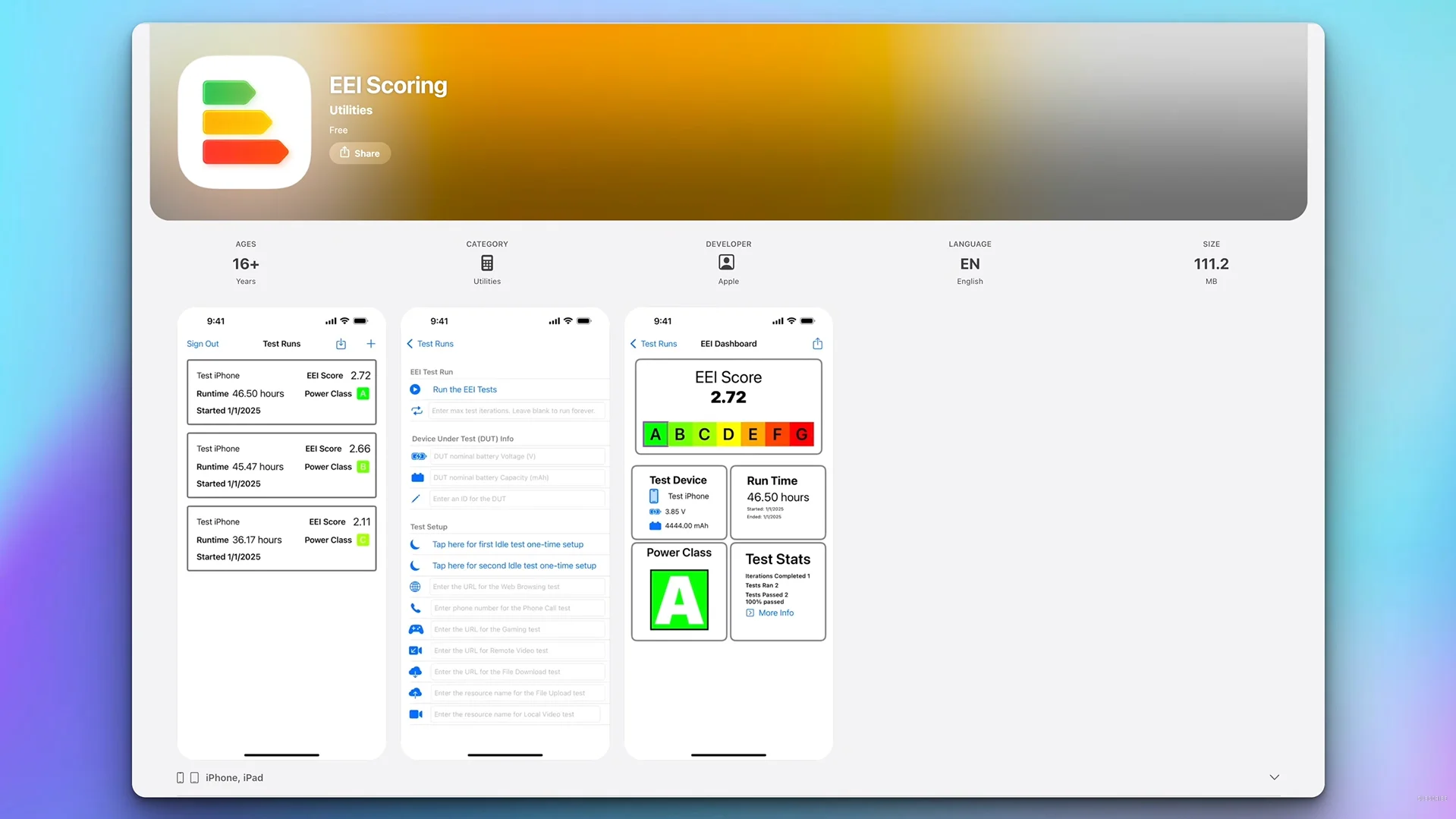
All of these apps are free and publicly listed, but most people would never stumble across them, let alone be able to use them properly, because sometimes you have to be invited to be able to use them properly.
Together, all the apps paint a fascinating picture of the behind-the-scenes rigmarole behind Apple’s polished image.
They might not be meant for you, but some are absolutely essential for getting your favorite Apple gadgets running.

Daisy is a technology and automotive journalist covering artificial intelligence, consumer tech, Apple news, cryptocurrency, emerging technologies, and transportation innovation. Since joining the team in 2025, she has reported on everything from AI-powered startups and major iOS updates to viral car stories and the latest developments shaping transportation and the digital economy. Drawing on her background in automotive journalism and a degree in History and Journalism from Goldsmiths, University of London, Daisy specializes in breaking down complex topics into clear, engaging reporting for a global audience. Her work spans cutting-edge technology, innovative vehicles, and the people driving change across both industries. Daisy has gained first-hand access to some of the world's most talked-about technologies and innovators, including meeting Tesla's Optimus humanoid robot during its first European appearance in London. She has also discussed the future of space exploration with an astronaut, bringing unique insights and real-world perspectives to her coverage of emerging technology.




