SpaceX might be launching 1,000,000 extra satellites and it will put Earth's orbit on track for a catastrophe
Published on Feb 18, 2026 at 5:32 PM (UTC+4)
by Daisy Edwards
Last updated on Feb 18, 2026 at 9:19 PM (UTC+4)
Edited by
Emma Matthews
SpaceX might be launching 1,000,000 extra satellites, putting Earth’s orbit on track for what’s been described as a catastrophe, and that sounds like something straight out of a disaster movie.
The number of objects circling our planet is already exploding as companies race to beam internet across the globe.
Now experts are warning that Earth’s orbit could be heading toward serious trouble if launches continue at this pace.
What looks like technological progress from the ground could become orbital chaos in space.
EXPLORE SBX CARS – Supercar auctions starting soon powered by Supercar Blondie
SpaceX might be launching 1,000,000 extra satellites into orbit
Low Earth orbit is no longer the quiet, empty part of space it once was.
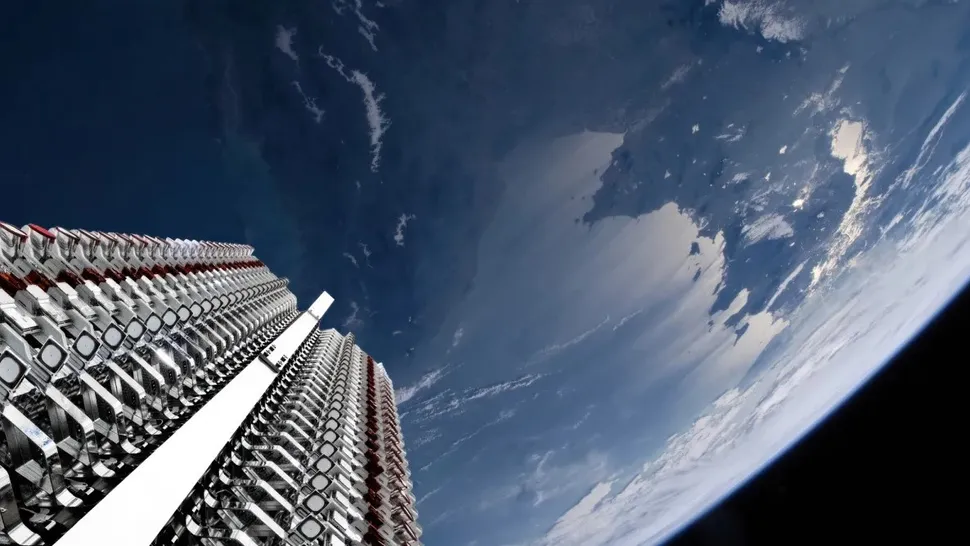
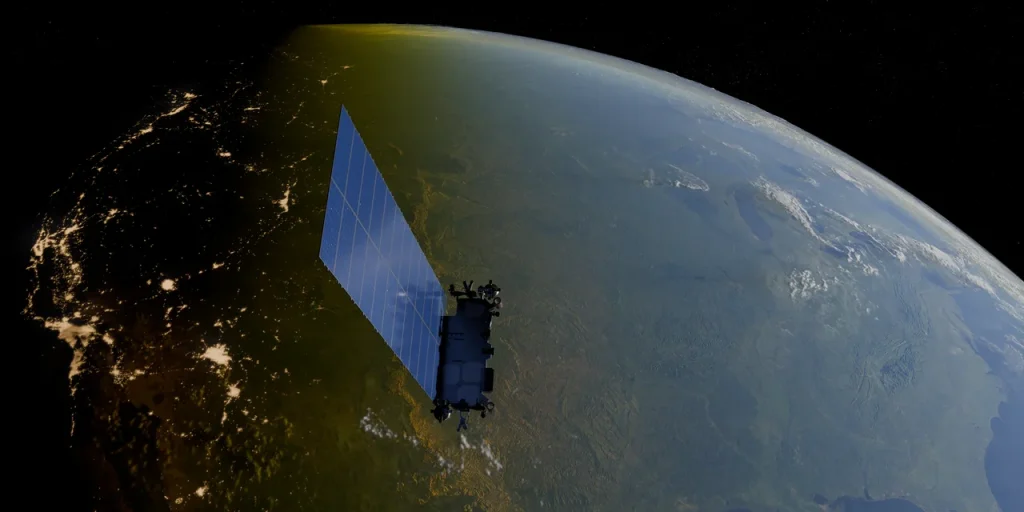
Thousands of active satellites are already whizzing around the planet, constantly adjusting their paths to avoid one another.
Add potentially hundreds of thousands more into the mix, and it starts to resemble a space traffic jam.
The concern is simple: the more satellites you launch, the higher the chance of collisions.
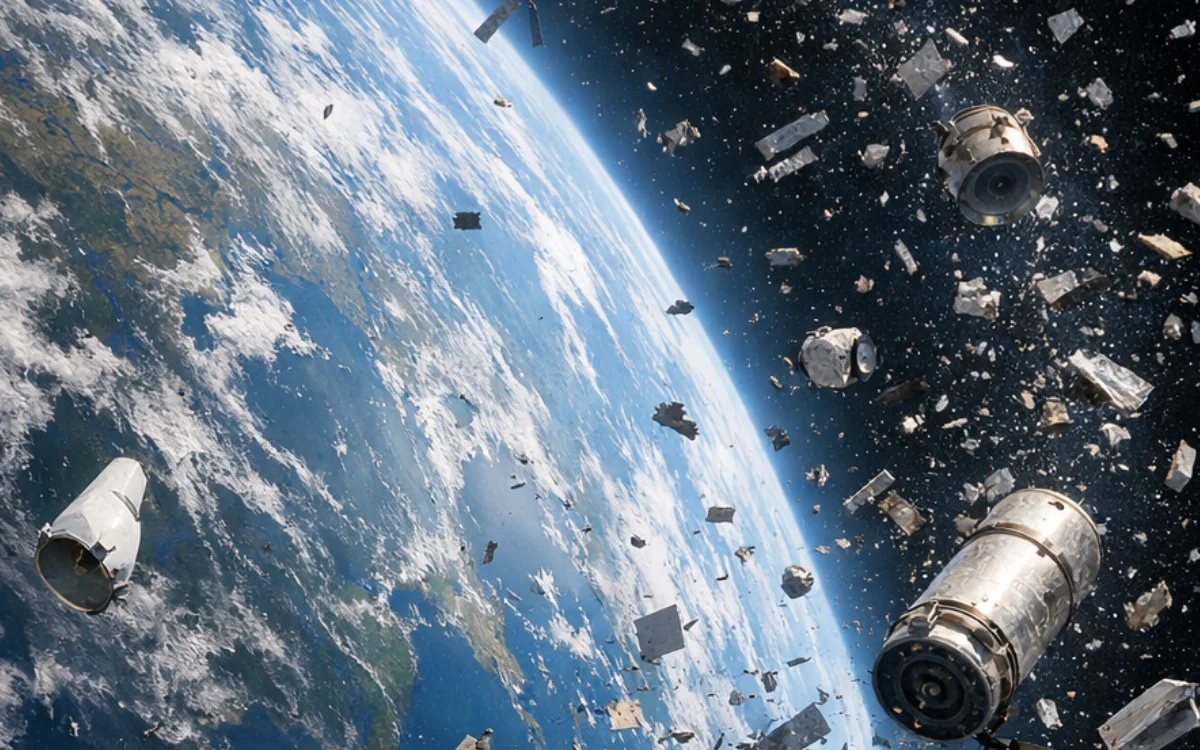
Even a small crash in space can create clouds of debris that scatter in every direction at extreme speeds.
That debris can then strike other satellites, triggering a chain reaction that makes the problem even worse.
Space agencies and researchers have been sounding the alarm that without stricter rules and smarter traffic management, Earth’s most useful orbital lanes could become dangerously congested.
Click the star icon next to supercarblondie.com in Google Search to stay ahead of the curve on the latest and greatest supercars, hypercars, and ground-breaking technology
Why Earth’s orbit is on track for a catastrophe
The nightmare scenario even has a name: it is called Kessler Syndrome, and it describes a cascading effect where collisions create more debris, which then causes more collisions.
If that spiral begins, certain orbits could become unusable for years or even decades – and that would impact GPS, weather forecasting, emergency communications, and global internet services.
The ripple effects, though, would reach far beyond space.
There is still time to prevent it with better satellite design, stricter launch limits, and coordinated global oversight, which could keep orbit sustainable.
Whether space becomes the next great highway or the next great junkyard will depend on what happens next.
The race to connect the world is accelerating fast, but the rules of the sky may need to catch up just as quickly.
DISCOVER SBX CARS: The global premium car auction platform powered by Supercar Blondie