$1.5B startup close to bringing the woolly mammoth back from the dead
- The startup has successfully created reprogrammable elephant stem cells
- They plan to create a gene-edited woolly mammoth-like creature
- The company also plans to bring back the dodo
Published on Mar 19, 2024 at 5:51 AM (UTC-4)
by Nalin Rawat
Last updated on Mar 19, 2024 at 11:13 AM (UTC-4)
Edited by
Alessandro Renesis
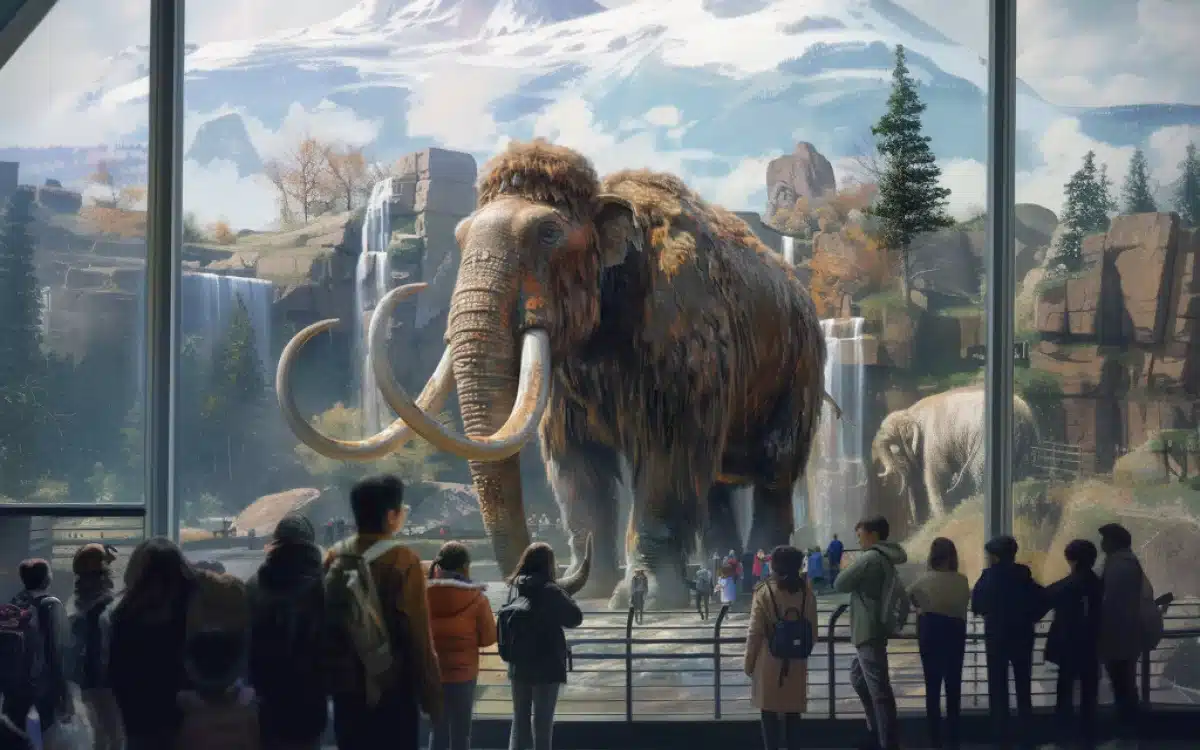

A startup with a $1.5 billion evaluation is close to bringing the woolly mammoth back from the dead.
Colossal Biosciences has made a stunning breakthrough in stem cells to bring back the ancient giant.
The $1.5 billion biotechnology and genetic engineering startup has grand plans to bring back the woolly mammoth and the dodo.
READ MORE! The real-life Jurassic Park velociraptor is expected to sell for $6 million
Calling itself the de-extinction company, the startup aims to resurrect extinct species.
So, if they are ever able to bring back the dinosaurs, we might see a real-life Jurassic Park.
The startup has had a major breakthrough in creating reprogrammed elephant stem cells.
According to the company’s CEO, this could unlock several fields of research, including how to make the building blocks for a woolly mammoth baby.

The company also plans to leverage this technology for biodiversity conservation and the survival of endangered species.
To achieve this, they plan to create a gene-edited woolly mammoth-like creature, through IVF by 2028.
According to the firm, it could also help living elephants, which are notoriously tricky to study in the lab.
Speaking of extinct species, scientists only recently made a major breakthrough about the origin of life on Earth.
If confirmed, it would push back the origin of life by 1.2 billion years, rather than a few hundred million years ago.
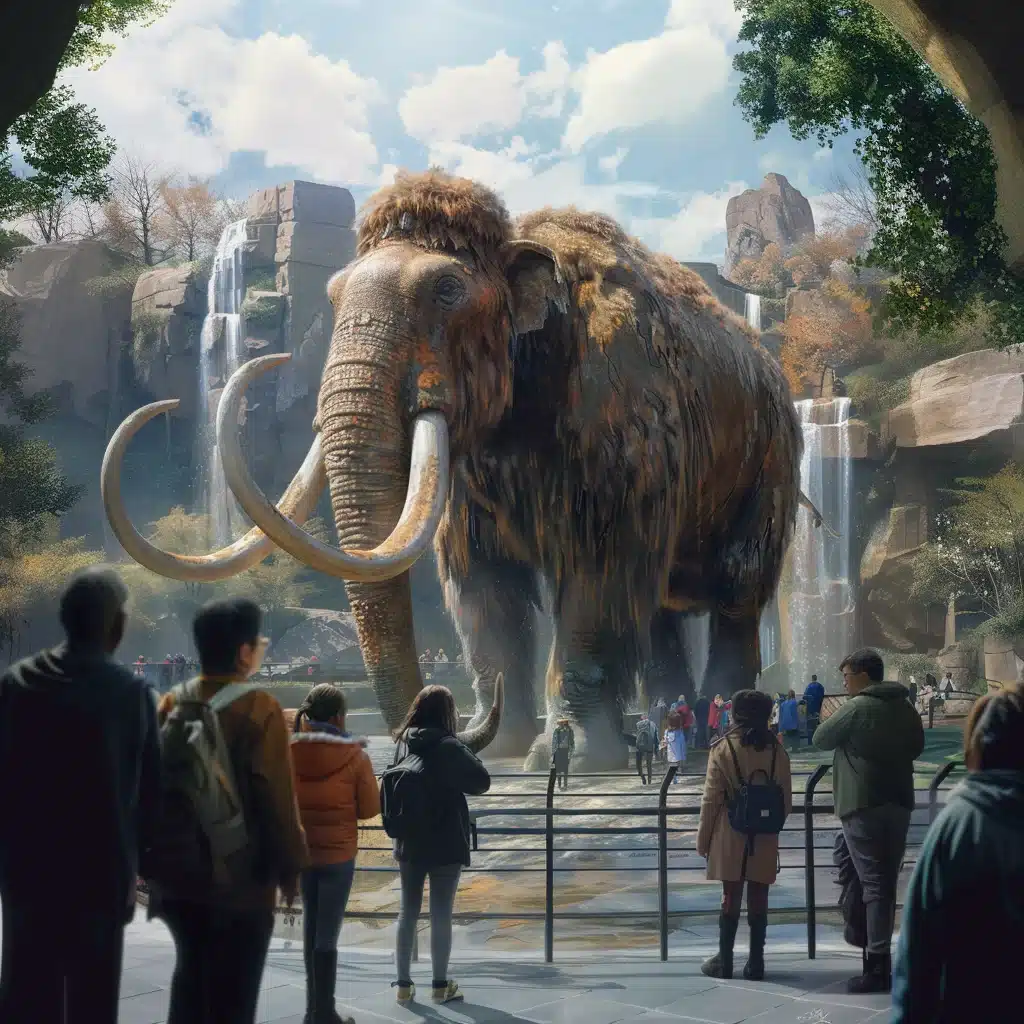
Back to the woolly mammoth, it seems that the company is excited to use the cells to grow elephant gametes.
The elephant gametes (sperm and egg cells) will fertilize and make an embryo in the lab.
After that, the goal would be to implant the embryo through in vitro fertilization and, eventually, surrogacy.
Between this and self-replicating AI robots, it seems that science fiction is slowly coming to life.
It is only a matter of time before our technology will match up to our hubris.


Nalin started his career by working with various national newspapers in India. He has also worked as a writer/editor for many popular websites, while still pursuing his journalism and mass communication degree. Working as a digital nomad has allowed him to inform and educate through his work. When he is not writing, you can find him playing video games or travelling the mountains on his bike.




