Stephen Hawking's final theory on the universe was that it could be a hologram and emerging evidence could be set to prove him right
Published on May 05, 2026 at 12:30 PM (UTC-4)
by Daisy Edwards
Last updated on May 05, 2026 at 12:30 PM (UTC-4)
Edited by
Ben Thompson


The late Stephen Hawking spent his career tackling the biggest questions in physics, but his final theory about a hologram might be his most mind-bending yet.
Working with collaborator Thomas Hertog, he seriously proposed that the entire universe could actually be a hologram.
That means everything we see, feel, and experience in three dimensions might exist on a much simpler, lower-dimensional surface.
And now, scientists believe there’s growing evidence that this wild idea might not be as far-fetched as it sounds.
Stephen Hawking’s final theory suggests the universe is a hologram
At the heart of Stephen Hawking’s last space theory is something called the Holographic Principle, a concept that flips our understanding of reality on its head.
In simple terms, it suggests that what we perceive as a 3D universe could actually be a projection from a 2D boundary, much like a hologram on a credit card.
Hawking and Thomas Hertog applied this idea to the earliest moments of the cosmos, specifically the Big Bang.
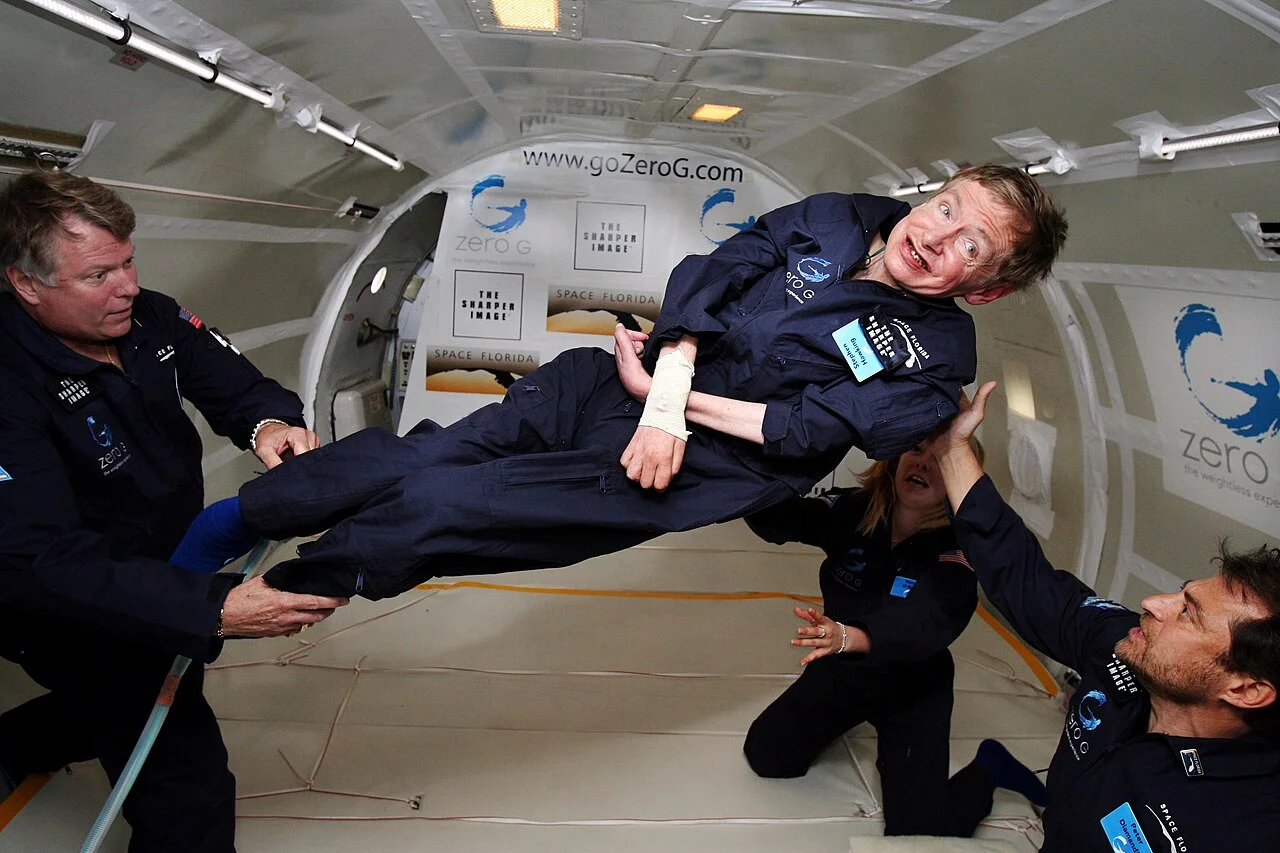
Instead of imagining a chaotic explosion creating space and time, their model suggests the universe’s evolution could be described as a kind of holographic projection.
Even more intriguingly, this version of holography doesn’t just deal with space but with time itself.
According to the theory, time may also be encoded in this lower-dimensional framework, meaning the entire history of the universe could emerge from something far simpler.
It’s a huge removal from the traditional view of a vast, expanding cosmos made up of matter and energy.

Related


Evidence could prove him right
As futuristic as it sounds, scientists are beginning to find hints that support the idea.
Some studies of the early universe suggest that certain patterns in cosmic radiation align better with holographic models than with standard physics.
The appeal of the theory is that it could help solve one of physics’ biggest problems: how to reconcile Quantum Mechanics with gravity.
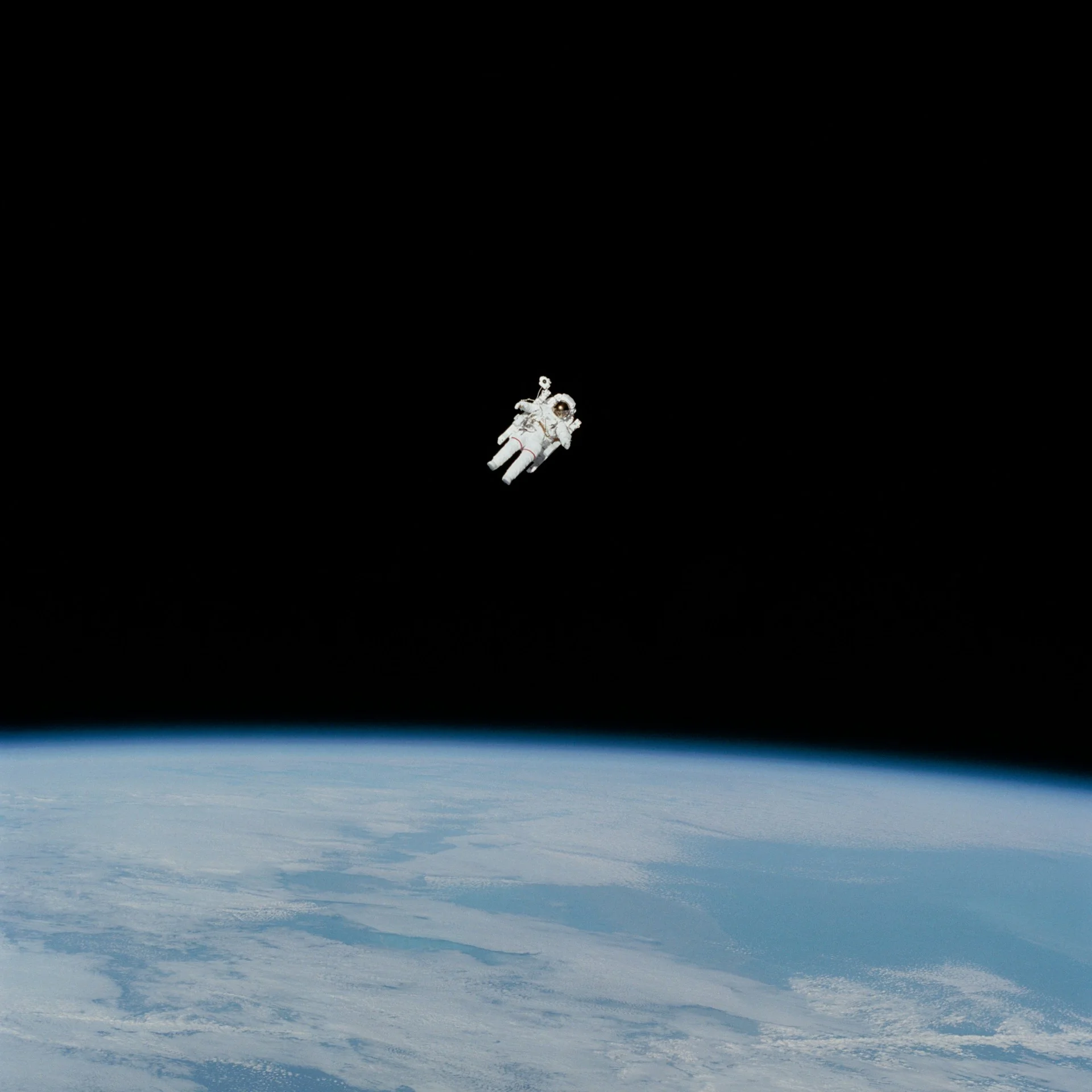
By treating the universe as encoded information rather than purely physical stuff, researchers may finally bridge that gap.
Hawking’s work doesn’t prove the universe is a hologram just yet, but it gives scientists a new framework to test.
And if future observations continue to line up with these predictions, we could be looking at a reality that’s far stranger than anyone imagined, where everything we know is essentially a projection of something deeper and more fundamental.
Daisy is a technology and automotive journalist covering artificial intelligence, consumer tech, Apple news, cryptocurrency, emerging technologies, and transportation innovation. Since joining the team in 2025, she has reported on everything from AI-powered startups and major iOS updates to viral car stories and the latest developments shaping transportation and the digital economy. Drawing on her background in automotive journalism and a degree in History and Journalism from Goldsmiths, University of London, Daisy specializes in breaking down complex topics into clear, engaging reporting for a global audience. Her work spans cutting-edge technology, innovative vehicles, and the people driving change across both industries. Daisy has gained first-hand access to some of the world's most talked-about technologies and innovators, including meeting Tesla's Optimus humanoid robot during its first European appearance in London. She has also discussed the future of space exploration with an astronaut, bringing unique insights and real-world perspectives to her coverage of emerging technology.




