Timelapse video shows the interesting effects 6 years of driving on Mars has had on NASA's Curiosity rover's wheels
Published on May 22, 2026 at 1:59 PM (UTC-4)
by Daisy Edwards
Last updated on May 26, 2026 at 11:00 AM (UTC-4)
Edited by
Mason Jones
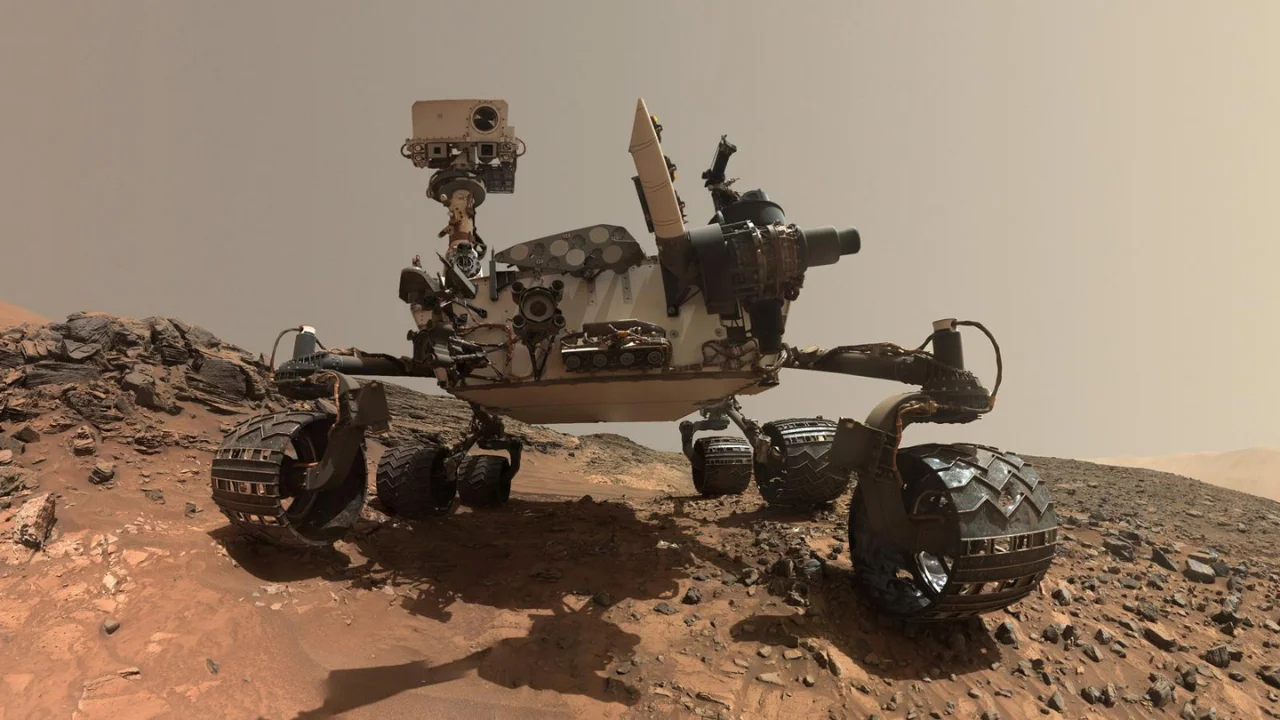

NASA’s Curiosity rover has been roaming the surface of Mars for years, but a newly released timelapse video has shown just how brutal the Red Planet has been on the rover’s wheels.
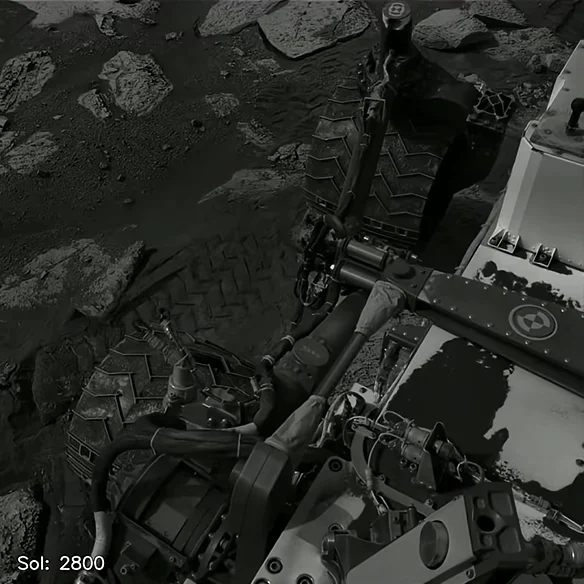
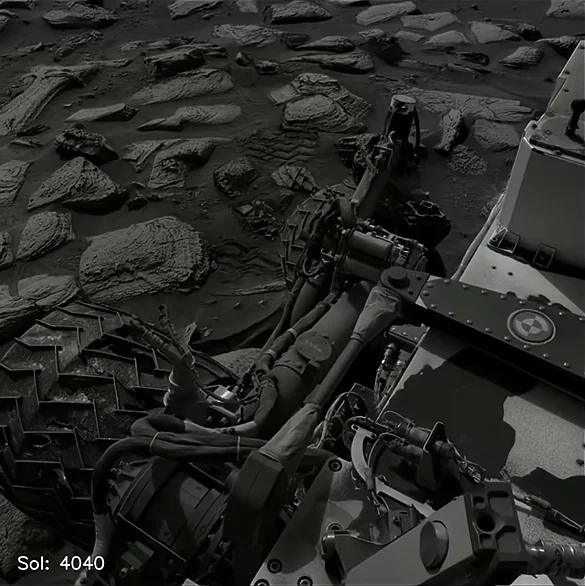
The fascinating footage squished six years of driving into just two minutes and gives viewers a close-up look at the wear and tear caused by Mars’ rocky terrain.
As the rover rolls across dusty plains and jagged rocks, its aluminum wheels slowly become more battered, with visible holes, dents, and ripped sections appearing over time.
Despite the damage, Curiosity is somehow still going strong more than a decade after landing on Mars in 2012, far outliving its original mission timeline.
NASA Curiosity rover’s wheels have taken an absolute beating on Mars
The fascinating space timelapse was created using images captured by Curiosity’s right navigation camera between January 2020 and March 2026, although the rover began work in 2012.
NASA originally used the camera to help scientists choose which rocks the rover should study next, but the footage ended up creating an incredible accidental documentary of life on Mars.
Over the years, the rover has traveled more than 20 miles across Gale Crater while climbing Mount Sharp and searching for evidence that Mars may once have supported microbial life.
The harsh environment has not been kind to its wheels, though.
Mars is covered in sharp rocks that have repeatedly made holes through Curiosity’s thin aluminum wheels, and the new video makes the damage impossible to miss.
Related


The battered rover is still helping us discover secrets about Mars
Even with its damaged wheels, Curiosity continues to send back valuable scientific discoveries from the Martian surface.
NASA engineers have adapted the rover’s driving routes over time to reduce additional damage and help extend its lifespan.


The lessons learned from Curiosity’s wheel problems also helped improve the design of newer rovers like Perseverance.
The timelapse is not just visually satisfying either.

NASA says scientists are also using the footage to study how sand moves across the rover’s deck, helping researchers understand seasonal weather changes and wind patterns on Mars.
For a robot that has spent nearly 14 years being blasted by dust storms and driven over razor-sharp Martian rocks, Curiosity is still holding together remarkably well.
Daisy is a technology and automotive journalist covering artificial intelligence, consumer tech, Apple news, cryptocurrency, emerging technologies, and transportation innovation. Since joining the team in 2025, she has reported on everything from AI-powered startups and major iOS updates to viral car stories and the latest developments shaping transportation and the digital economy. Drawing on her background in automotive journalism and a degree in History and Journalism from Goldsmiths, University of London, Daisy specializes in breaking down complex topics into clear, engaging reporting for a global audience. Her work spans cutting-edge technology, innovative vehicles, and the people driving change across both industries. Daisy has gained first-hand access to some of the world's most talked-about technologies and innovators, including meeting Tesla's Optimus humanoid robot during its first European appearance in London. She has also discussed the future of space exploration with an astronaut, bringing unique insights and real-world perspectives to her coverage of emerging technology.




