There's a hidden reason why Tesla killed Autopilot in its cars and it's all to do with California
Published on Feb 19, 2026 at 2:03 PM (UTC+4)
by Callum Tokody
Last updated on Feb 19, 2026 at 3:15 PM (UTC+4)
Edited by
Emma Matthews

Tesla Autopilot has been removed from new cars sold in California, changing what buyers now receive as standard equipment.
The feature had been part of Tesla’s lineup for years and sat quietly alongside other driver assistance functions.
Its absence alters the starting point for new owners in the state.
The reason for the change is rooted in California and has no impact on buyers outside the state.
VISIT SBX CARS – View live supercar auctions powered by Supercar Blondie
Why autopilot became an issue
The issue did not begin with how autopilot performed on the road.
Regulators focused on how the name read on the page.
The California DMV argued that autopilot suggested a level of independence the system did not provide.
That concern extended to Tesla Full Self-Driving.
Despite the label, the system still requires constant driver supervision.
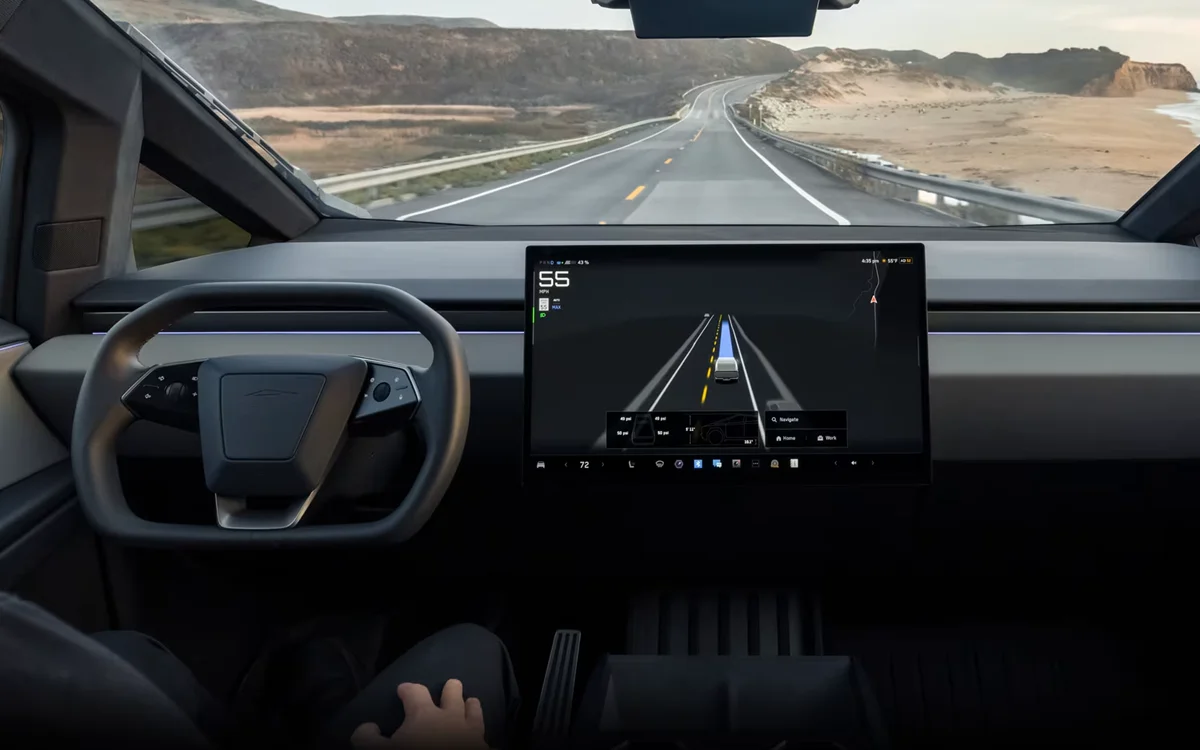
The California DMV viewed the language as capable of setting expectations that the technology could not meet.
The dispute moved through administrative proceedings over several years, and in late 2023, an administrative judge ruled in favor of the California DMV.
This decision essentially ordered Tesla to stop using the term autopilot in marketing and sales material.
The ruling carried clear consequences. Continued use of the name could result in a 30-day sales ban.
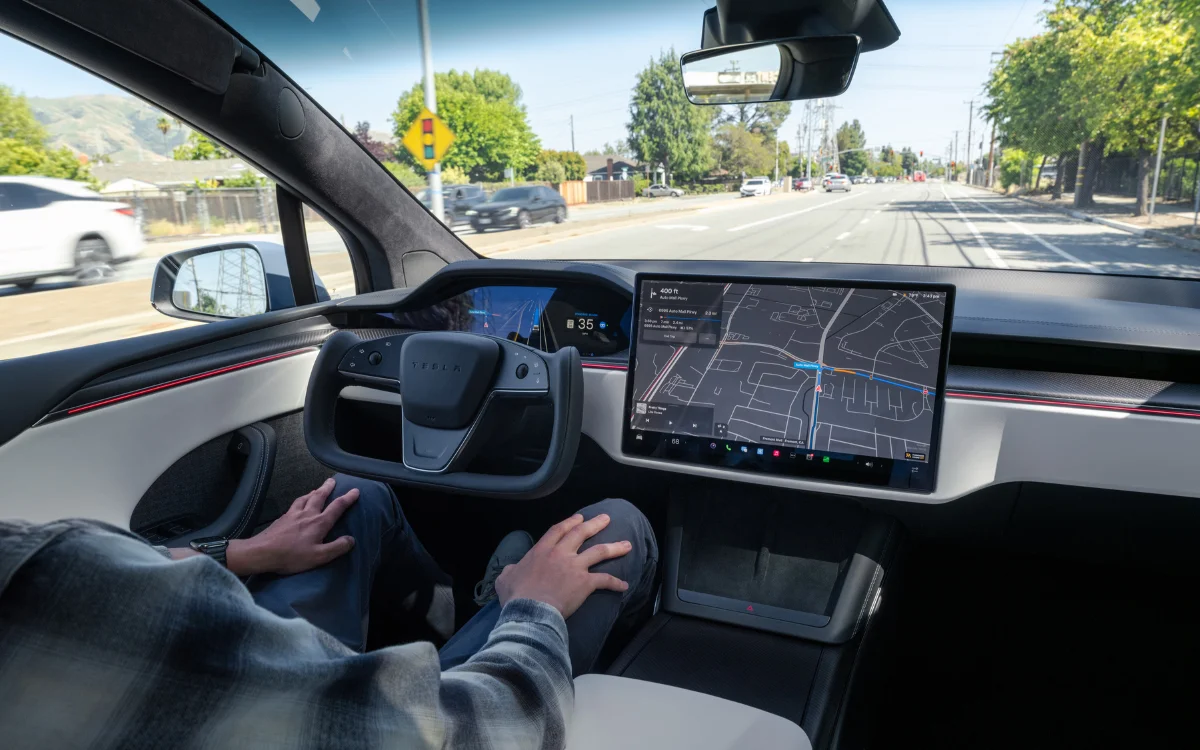
That outcome would have paused Tesla vehicle sales in California.
As a result, Tesla did not attempt a rename. It just removed autopilot entirely.
New vehicles now ship with basic cruise control, and inventory listings no longer reference the feature.
The California DMV later confirmed that Tesla had complied, and the immediate risk of a sales ban passed.
We have seen this before
This issue is not unique to Tesla. As cars become more digital and software-driven, manufacturers increasingly control features through code rather than hardware.
That shift allows companies to change what a car can do long after it has left the showroom.
In several cases, manufacturers have restricted features that the vehicle is already physically capable of supporting.
BMW, for example, has experimented with subscription access for items such as heated seats and adaptive headlights, despite the hardware being present in its models.
The function exists in the car, but access depends on software permission.
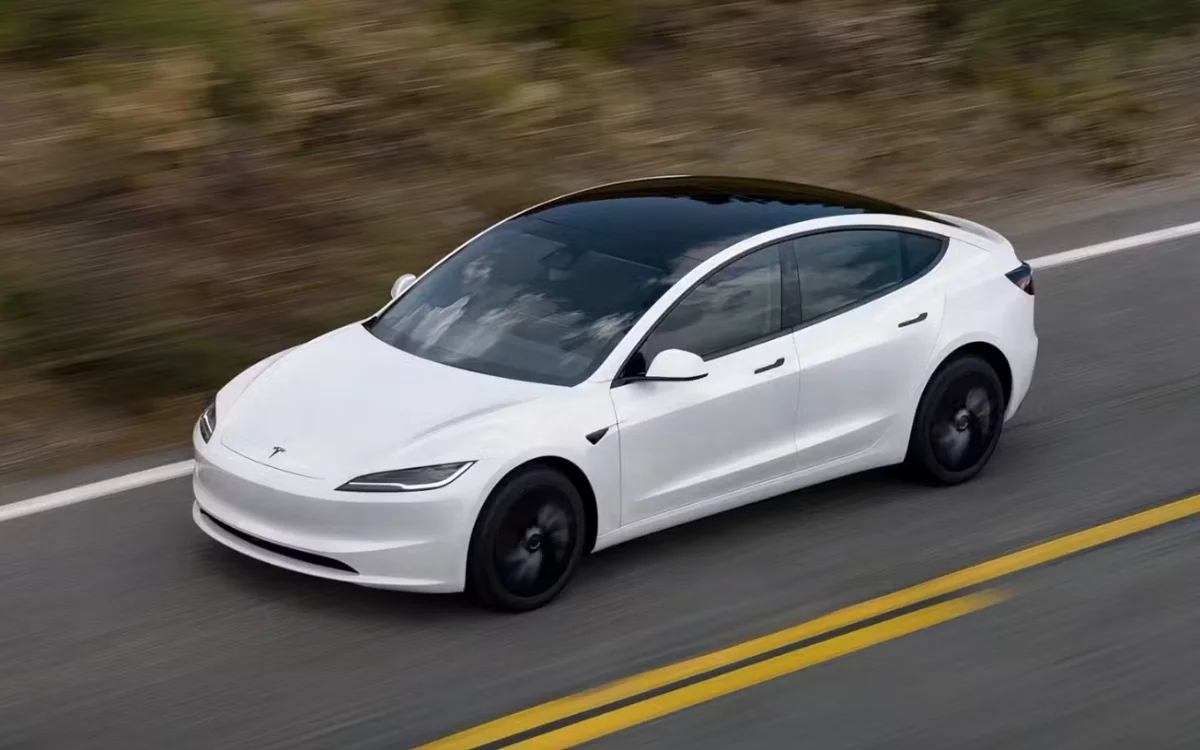
That approach has appeared in different forms across the industry.
Features can move behind paywalls, disappear from standard equipment lists, or change availability through updates.
In some cases, functions that owners had grown accustomed to using no longer operate in the same way.
The wider question is not about one feature or one brand – it concerns how much control manufacturers should retain over vehicles that customers already own.
As more systems rely on software, the line between product ownership and ongoing permission continues to blur.
DISCOVER SBX CARS: The global premium car auction platform powered by Supercar Blondie