This 1.2 megawatt megacharger is how the Tesla Semi gets 400 miles of range in just 30 minutes
Published on Jan 10, 2026 at 5:33 PM (UTC+4)
by Molly Davidson
Last updated on Jan 08, 2026 at 4:47 PM (UTC+4)
Edited by
Kate Bain

The Tesla Semi has been a long time coming, teased back in 2017 and then quietly grinding through development while the rest of the EV world caught up.
Now, as series production finally edges closer, Tesla has decided to flex one very specific muscle.
Charging speed.
And not in a slightly-faster-than-before way, but at a megawatt-level, industrial-grade way that makes normal fast chargers seem mild.
DISCOVER SBX CARS – The global premium auction platform powered by Supercar Blondie
How the Tesla Semi gets 400 miles of range in 30 minutes
A new short clip (at the top of this page) shows a Tesla Semi plugging into a charger that looks more like industrial equipment than anything you’d see at a mall.
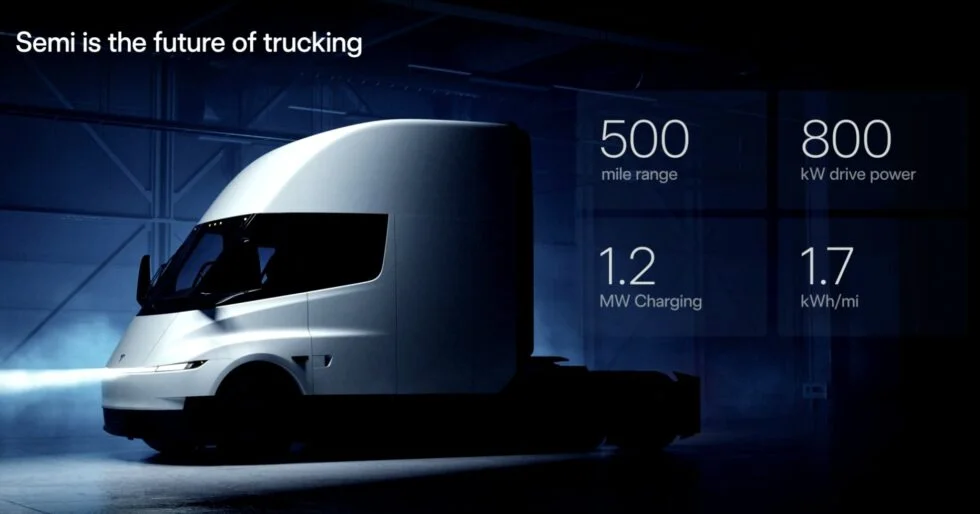
Within about 30 seconds, charging power ramps up from zero to roughly 1,206kW.
That’s 1.2MW.
For context, most fast-charging electric cars top out somewhere around 250-350kW.
For a vehicle this big, that kind of power is non-negotiable.
Truckers on the job don’t have the luxury of hanging around for hours waiting for their vehicles to charge, so the Semi uses something called the Megawatt Charging System (MCS).
Think of it as the heavyweight version of an EV plug.
It’s bigger, tougher, and built to move a ridiculous amount of electricity without overheating or frying itself.
Tesla pairs that connector with its V4 Supercharger power cabinet, which can output the full 1.2MW on its own.
While car chargers usually split power between multiple stalls, the Semi gets the whole thing to itself.
That’s how Tesla can promise up to 70 percent charge in 30 minutes.
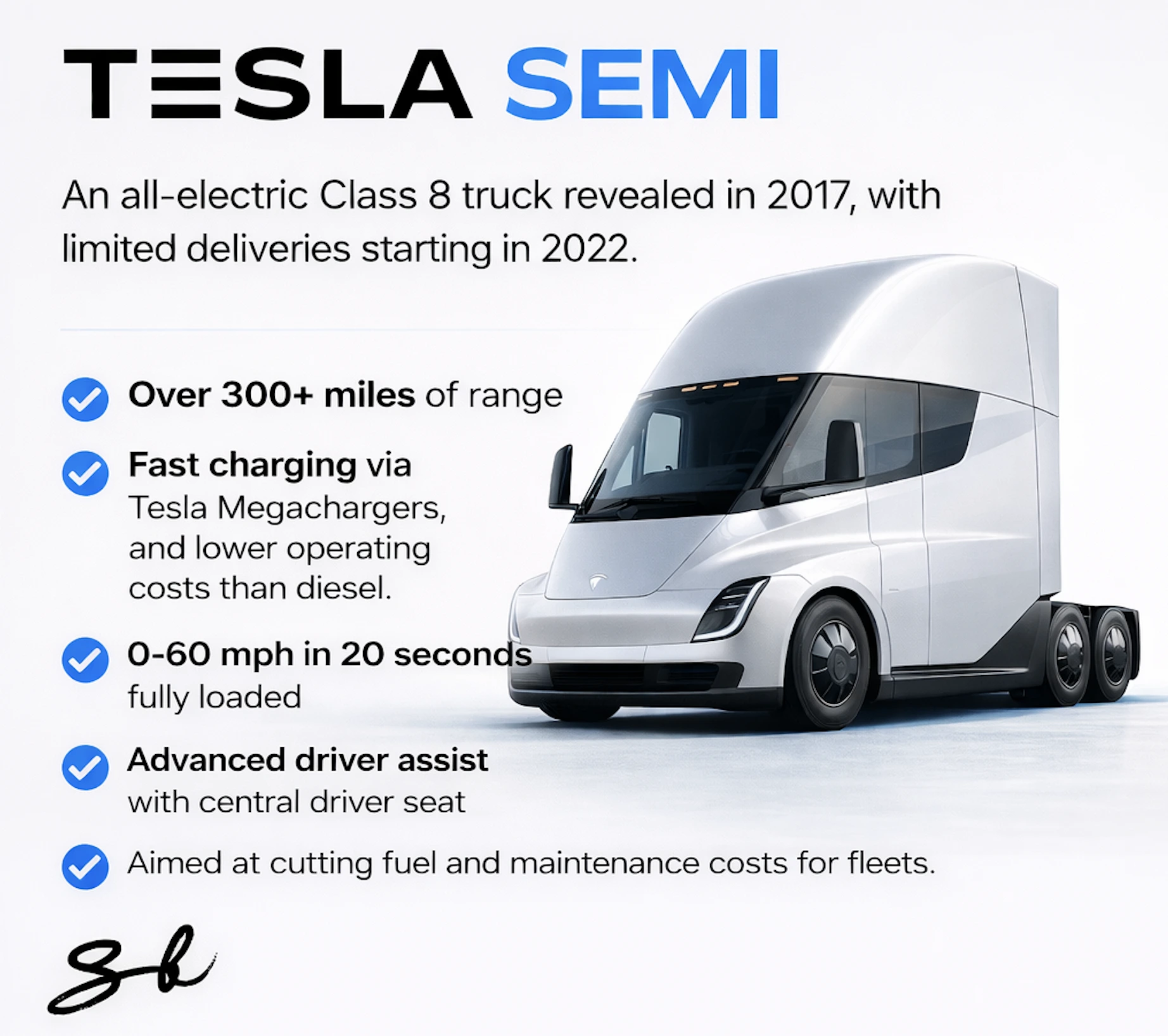
On the long-range version of the Semi – rated at up to 500 miles – that means roughly 350-400 miles of range added in half an hour.
Break it down and you’re looking at around 12 miles per minute.
Yes, per minute.
Why the charging tech is the real headline here
As impressive as the truck is, the bigger story is what’s being built around it.
Tesla says it plans to roll out 46 Megacharger sites by early 2027, aimed at freight routes and fleet depots.
On top of that, partner-run stations are expected to fill in the gaps.
And here’s the key part: MCS isn’t just a Tesla thing.
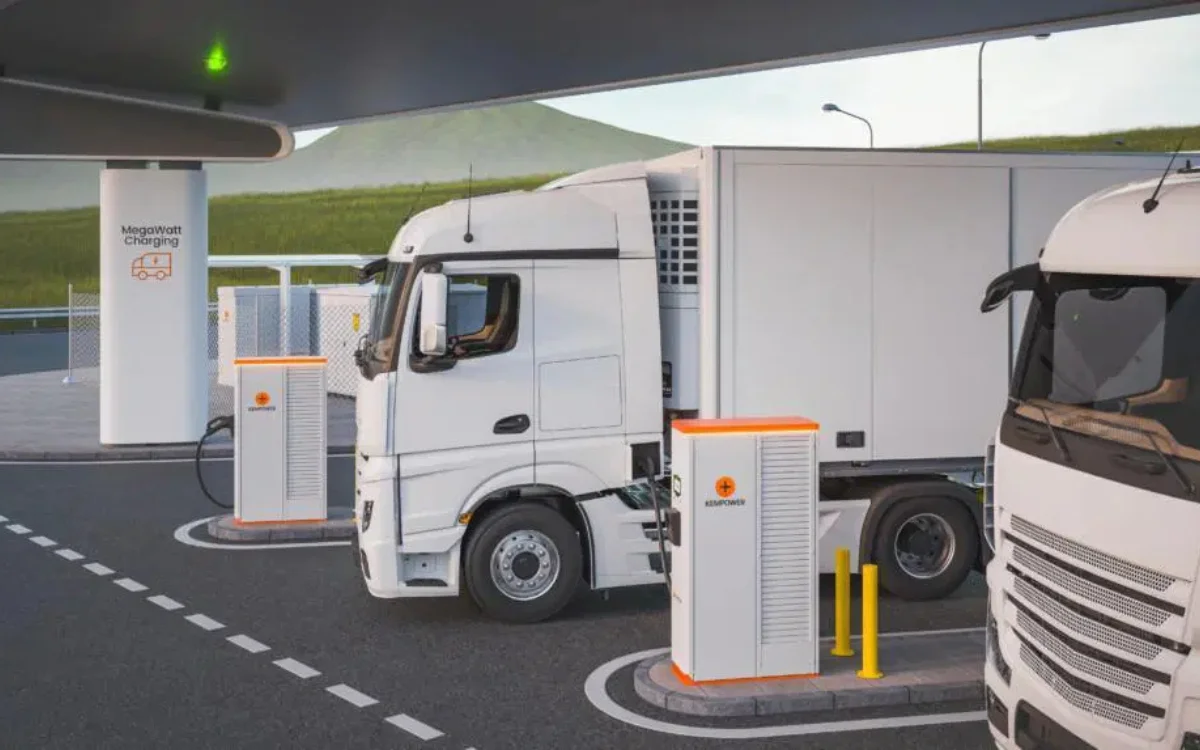
It’s a global standard, which means other electric trucks can use the same chargers.
This isn’t a closed ecosystem – it’s groundwork.
Even the 1.2MW figure isn’t the limit.
The MCS standard supports charging at up to 3MW, and Tesla has already suggested the main bottleneck isn’t the truck itself but the power grid.
Fix the infrastructure, and long-haul electric trucking suddenly stops sounding unrealistic.
After years of vague promises, the Semi finally feels real.
And not because it’s electric, but because Tesla built the charging muscle to back it up.
DISCOVER SBX CARS: The global premium car auction platform powered by Supercar Blondie
With roles at TEXT Journal, Bowen Street Press, Onya Magazine, and Swine Magazine on her CV, Molly joined Supercar Blondie in June 2025 as a Junior Content Writer. Having experience across copyediting, proofreading, reference checking, and production, she brings accuracy, clarity, and audience focus to her stories spanning automotive, tech, and lifestyle news.