California man spends $3,000 on a hydrogen car and people are saying it's the wildest buy he's ever made
Published on Feb 17, 2026 at 10:05 PM (UTC+4)
by Callum Tokody
Last updated on Feb 18, 2026 at 12:32 PM (UTC+4)
Edited by
Emma Matthews

A $3,000 Toyota Mirai hydrogen car in California sounds like the kind of deal you expect to come with a catch.
This is a car that once cost close to $50,000 and was meant to show where driving was headed next.
Today, it sells for used economy car money.
Spend a bit of time with one, and the reason becomes clear very quickly.
VISIT SBX CARS – View live supercar auctions powered by Supercar Blondie
What it’s actually like to live with a hydrogen car
Driving the Toyota Mirai, nothing felt strange.
The hydrogen car started quietly, pulled away smoothly, and fit right into traffic. It felt calm and easy, like any modern sedan.
If you didn’t know what powered it, you would never guess.
Day-to-day, the Mirai is comfortable and simple to use.
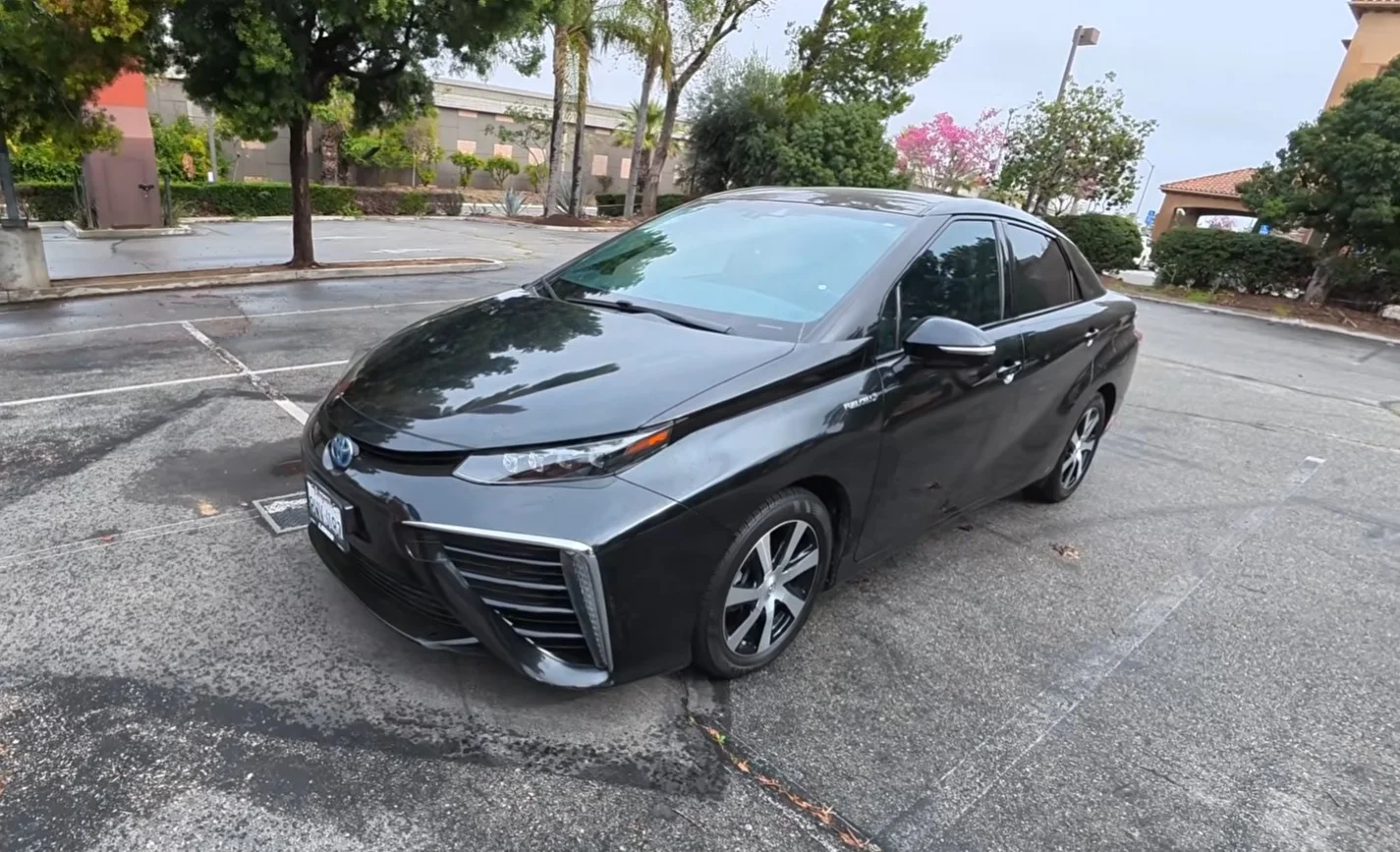
It worked well in traffic. It handled short trips without fuss.
As basic transport, it did exactly what you expect. That normality makes the ownership experience feel almost misleading at first.
But everything changed when it came time to refuel.
Owning a hydrogen car means planning around fuel in a way most drivers are not used to.
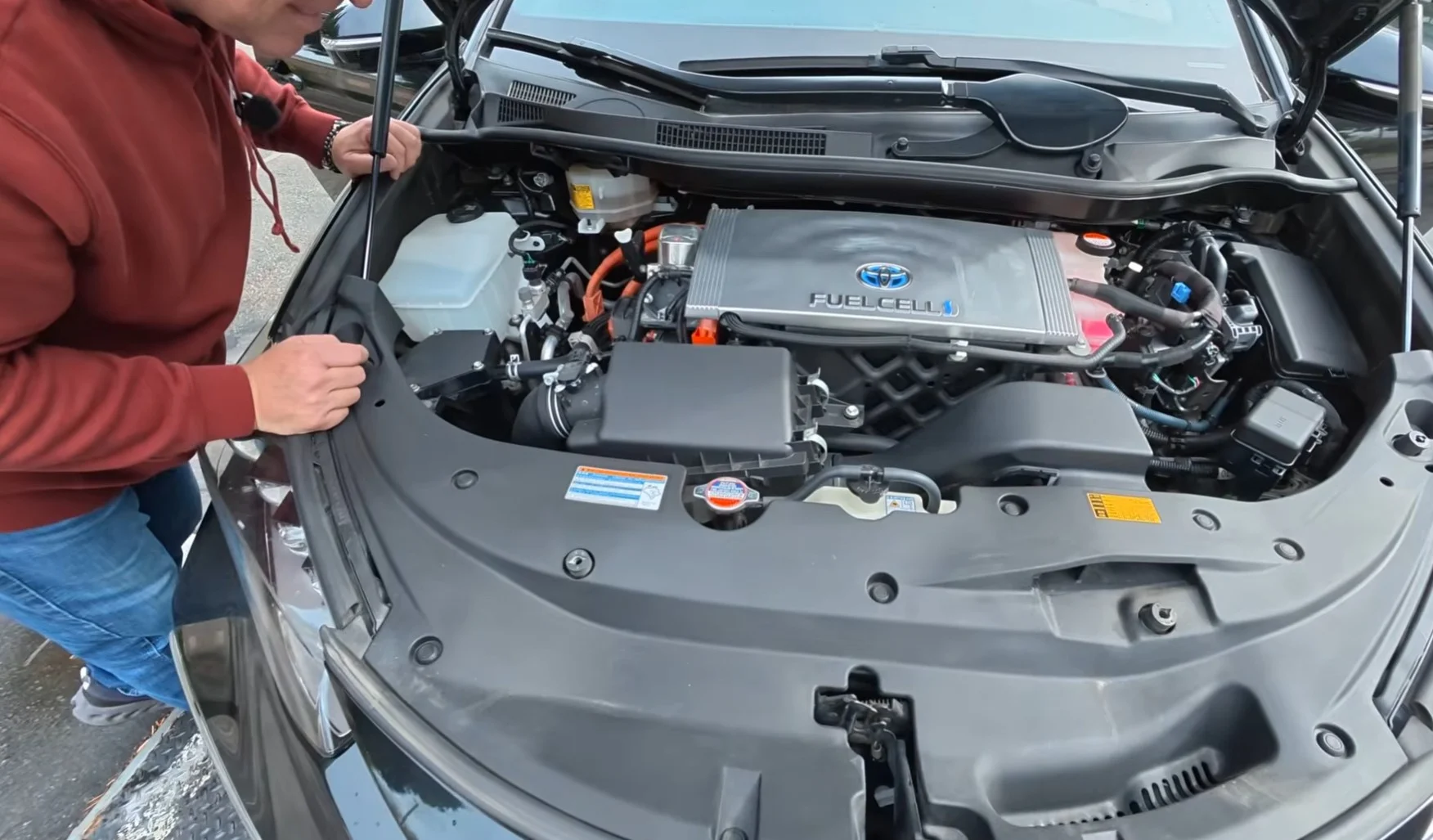
California cars still have access to hydrogen stations, but there aren’t many.
Some are offline. Others are busy. You cannot just pull in wherever is convenient.
When you do find fuel, the price hits hard.
A partial fill can cost close to $100.
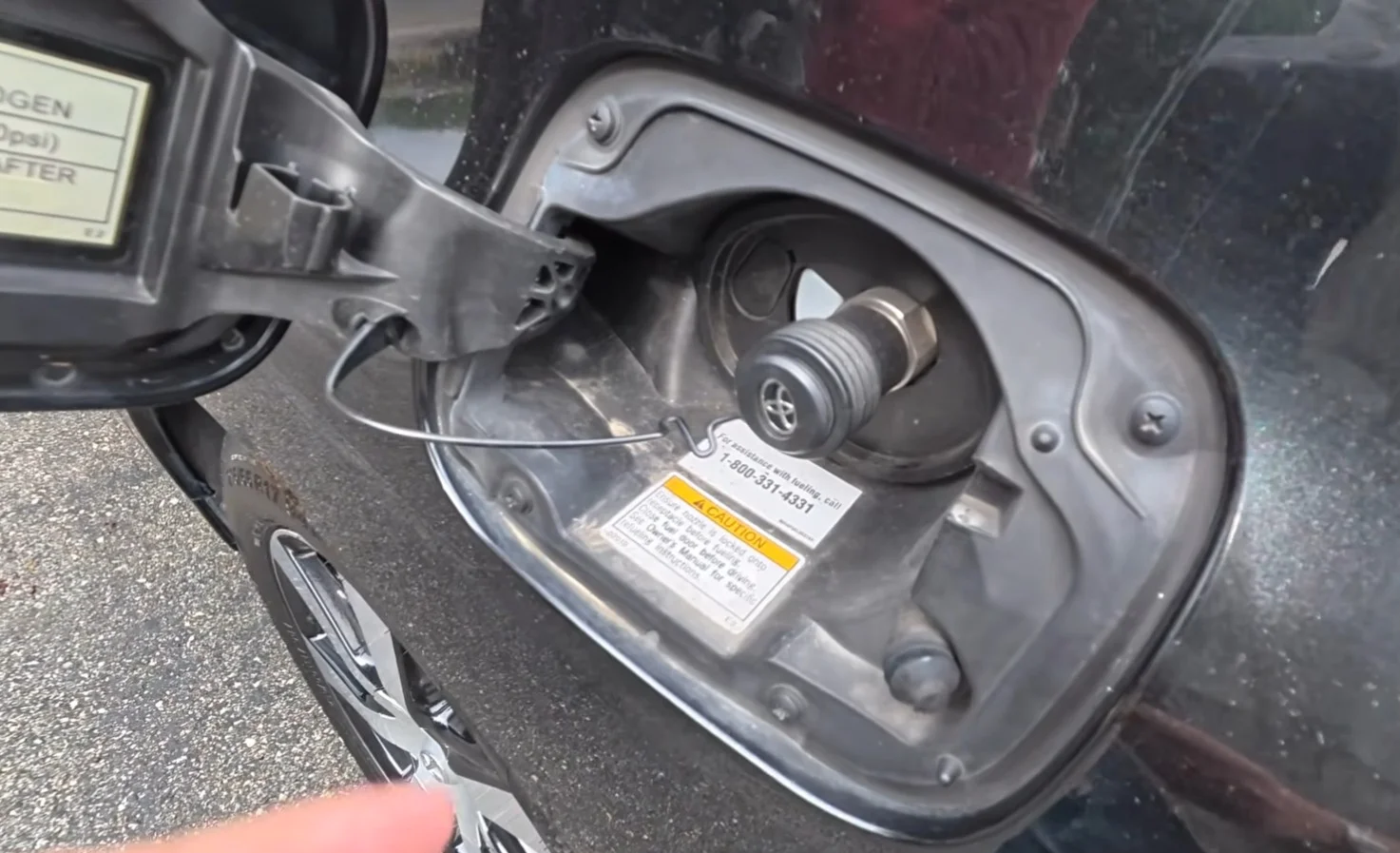
That limitation sits in the back of your mind all the time.
You have to think twice before heading far from home. And you have to check maps before leaving town.
The Toyota Mirai works best when your driving routine stays predictable and local.
Why the Toyota Mirai only really works in California
The fuel cell Toyota Mirai makes sense only within a narrow part of California.
Take it out of state, and the hydrogen car becomes unusable. There is no backup plan.
You cannot plug it in. You cannot adapt on the fly.
And that reality explained the price.
The car itself felt solid and well finished. It did not feel cheap or experimental.
But what you’re really buying is access to a shrinking fuel network.
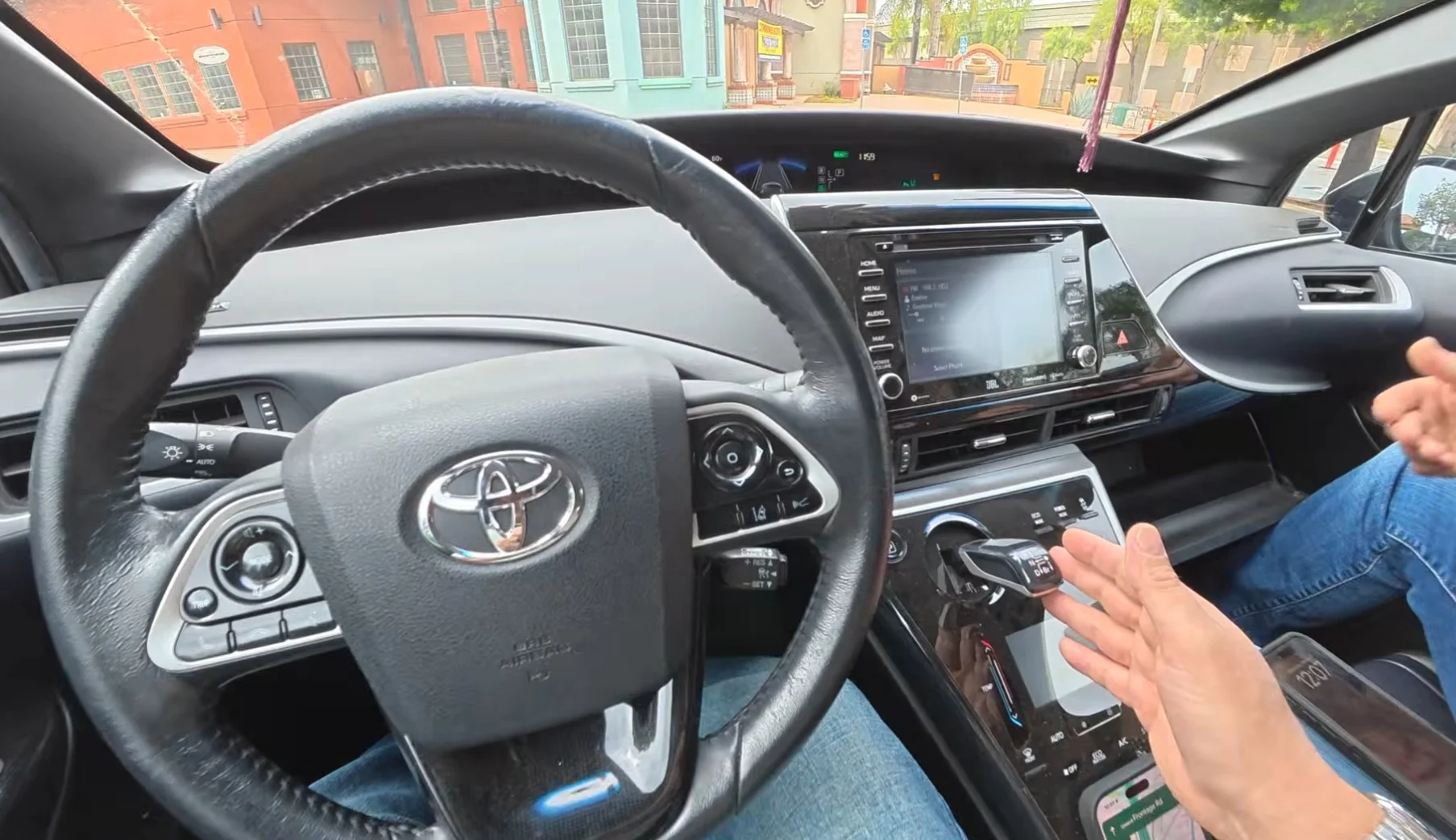
Toyota still supports the Mirai and still sells new ones in limited numbers.
Fuel incentives help with costs, but they do not change the daily experience.
Fuel cell ownership still asks more effort than most drivers want to give.
For California car owners who stay close to home, the hydrogen car can work.
It is quiet, comfortable, and easy to drive. For everyone else, it becomes obvious why a Toyota Mirai that once cost $50,000 can end up selling for $3,000.
DISCOVER SBX CARS: The global premium car auction platform powered by Supercar Blondie