Expert explains why keeping up with traffic hurts your EV's range and what you can do to counter it
Published on Jan 14, 2026 at 10:30 AM (UTC+4)
by Molly Davidson
Last updated on Jan 14, 2026 at 5:58 PM (UTC+4)
Edited by
Kate Bain
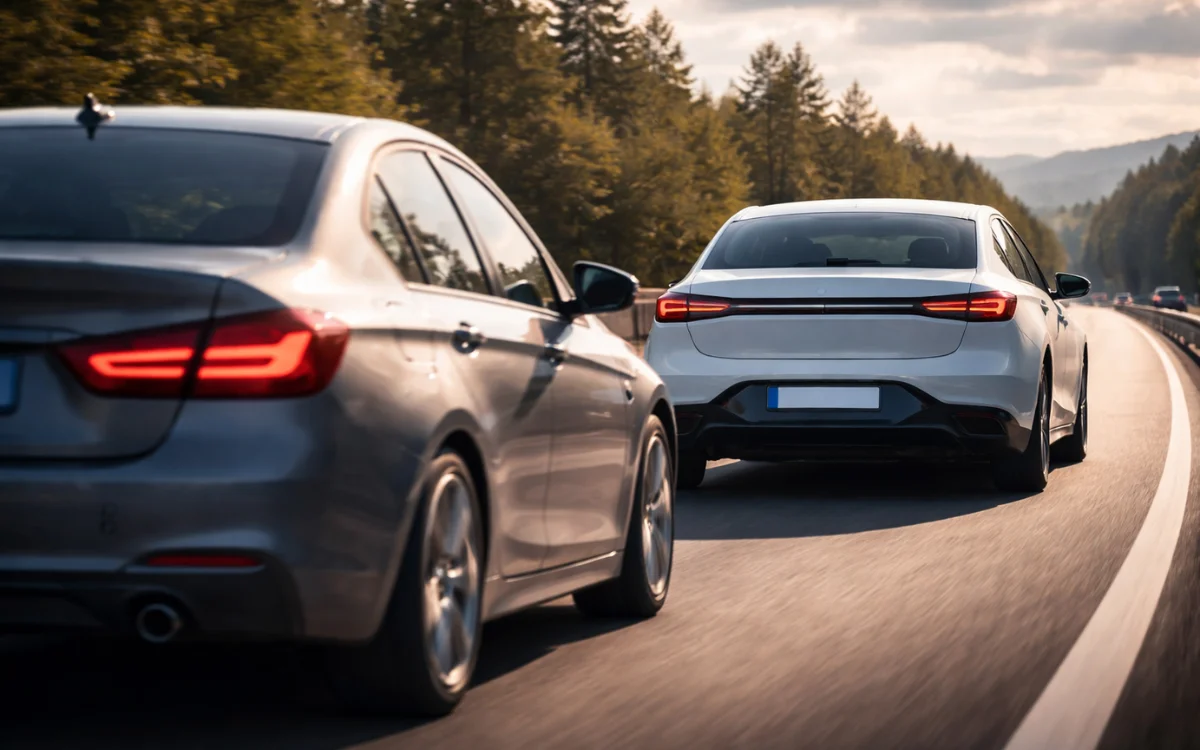

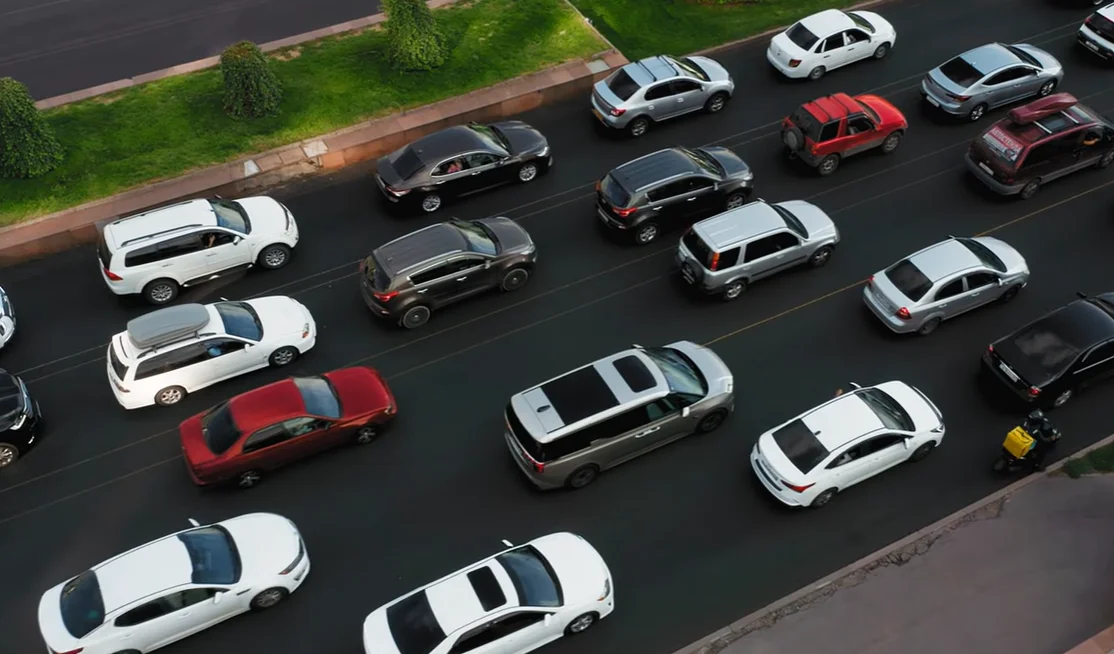
Keeping up with traffic feels like the default setting on the highway.
You’re just moving with the pack.
In gas cars, that habit rarely feels like a decision with consequences.
In EVs, however, one expert says it can quickly become a range killer.
DISCOVER SBX CARS – The global premium auction platform powered by Supercar Blondie
Why matching traffic speed drains EV range faster than you expect
The breakdown comes from Artis at Wrench & Reason, and his point isn’t about EVs being fragile or inefficient.
It’s about where the energy actually goes at highway speed.
At lower speeds, energy use is shared across a lot of things, like moving the car, rolling resistance, and running accessories.
On the highway, one thing takes over: air.
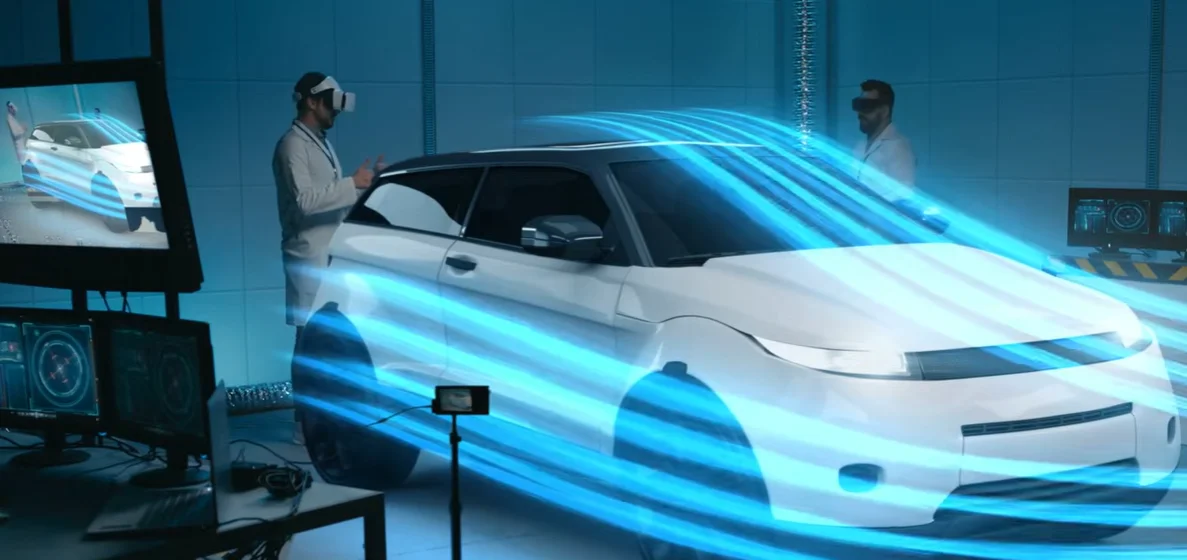
Pushing through it becomes the car’s main job.
And once you’re there, even small increases in speed demand a lot more energy.
Gas cars have always paid that price, but it’s easier to miss.
A gasoline engine is burning fuel even when the car isn’t moving efficiently – at idle, during warm-up, and just to keep the engine running – so the added fuel used at higher speeds doesn’t stand out as much.
EVs don’t waste energy that way.
When they’re not moving, they barely use anything.
So when aerodynamic drag ramps up, the hit shows up clearly in consumption and remaining EV range.
That’s why highway driving can feel fine for a while, then suddenly start draining range faster than you expected.
Nothing changed, you just crossed into a speed range where air resistance becomes the dominant cost.
Artis’s bigger point is that this isn’t really an EV problem.
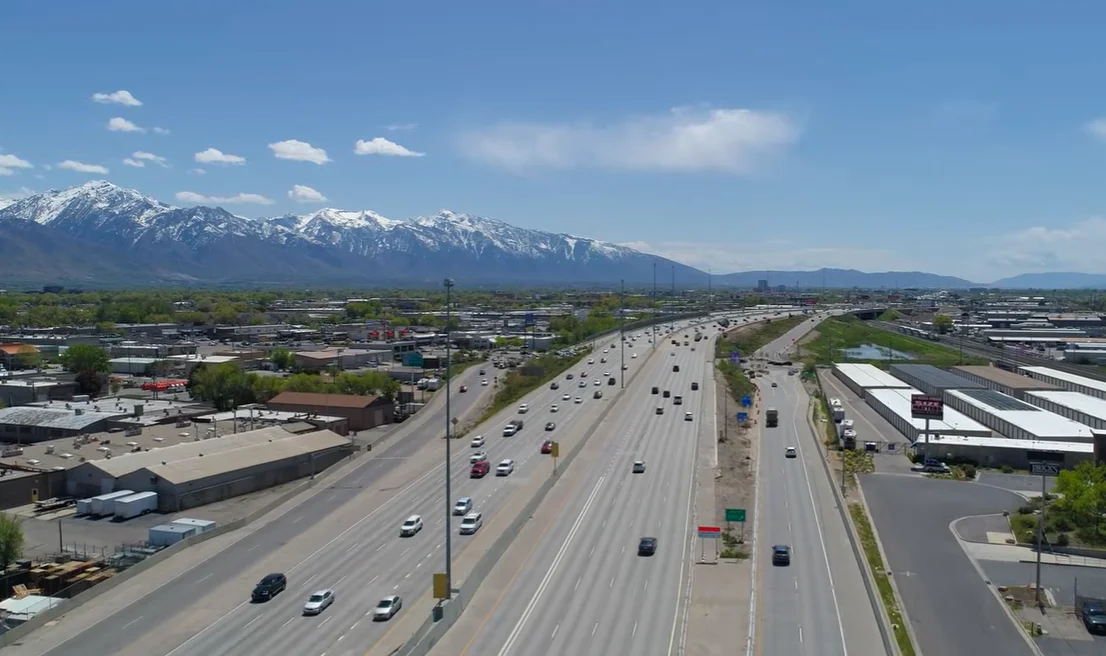
Highway speeds were shaped around gas cars, where efficiency penalties feel manageable and refueling is quick.
EVs didn’t change the physics, they just exposed it.
How to drive with traffic without watching your range disappear
The answer isn’t slowing everyone down.
It’s being intentional.
First, don’t lead traffic.
When you’re out front, speed tends to creep up without you noticing.
Sitting in the flow keeps speed steadier, and steady matters more than fast.
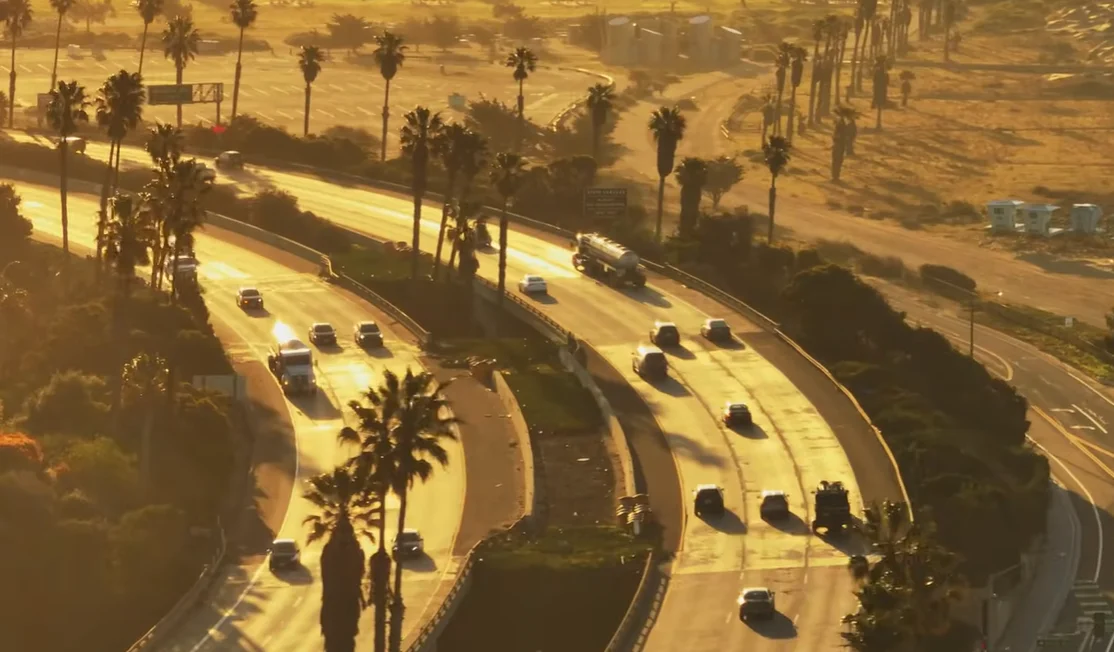
Lane choice helps too.
Fewer passes means fewer speed changes, and those small variations eat range over time.
You also don’t need to match the fastest cars to belong.
But when you do choose speed, make it a conscious trade.
Faster driving usually means an earlier charge, a longer stop, or arriving with less margin.
None of that is failure, it’s just the cost, paid upfront instead of discovered later.
Once you understand that, highway driving stops feeling like a gamble.
You’re still keeping up, just with a plan.
You can subscribe to the Wrench & Reason: Cars Explained YouTube channel here, or watch Artis’s full explanation below:

DISCOVER SBX CARS: The global premium car auction platform powered by Supercar Blondie
With roles at TEXT Journal, Bowen Street Press, Onya Magazine, and Swine Magazine on her CV, Molly joined Supercar Blondie in June 2025 as a Junior Content Writer. Having experience across copyediting, proofreading, reference checking, and production, she brings accuracy, clarity, and audience focus to her stories spanning automotive, tech, and lifestyle news.