University of Utah research team finds a rare computer relic in a storage closet that turns out to be significant and major discovery
Published on Jan 09, 2026 at 10:11 AM (UTC+4)
by Jason Fan
Last updated on Jan 09, 2026 at 1:53 PM (UTC+4)
Edited by
Kate Bain

A research team from the University of Utah just struck computing gold when a dusty storage closet opened to reveal a long-lost UNIX Version 4 tape.
The tape had been sitting in storage for decades, unnoticed, until it was carefully recovered by the university team.
Experts confirmed its authenticity, and quickly recognized its historical importance.
What was once considered lost is now accessible to the world.
SBX CARS – View live supercar auctions powered by Supercar Blondie
The father of modern operating systems
The find was made by a university engineering research team that suspected the tape might be important, but could not confirm its significance on campus.
Jon Duerig, an engineering research associate, carefully secured the fragile reel in a static-safe bag and personally transported it to the Computer History Museum in Mountain View, California.
There, specialists verified that the tape was an authentic copy of UNIX Version 4, a foundational operating system developed in the early 1970s.
Until now, historians believed no surviving copies of this version existed.
Reading the tape was a delicate process.
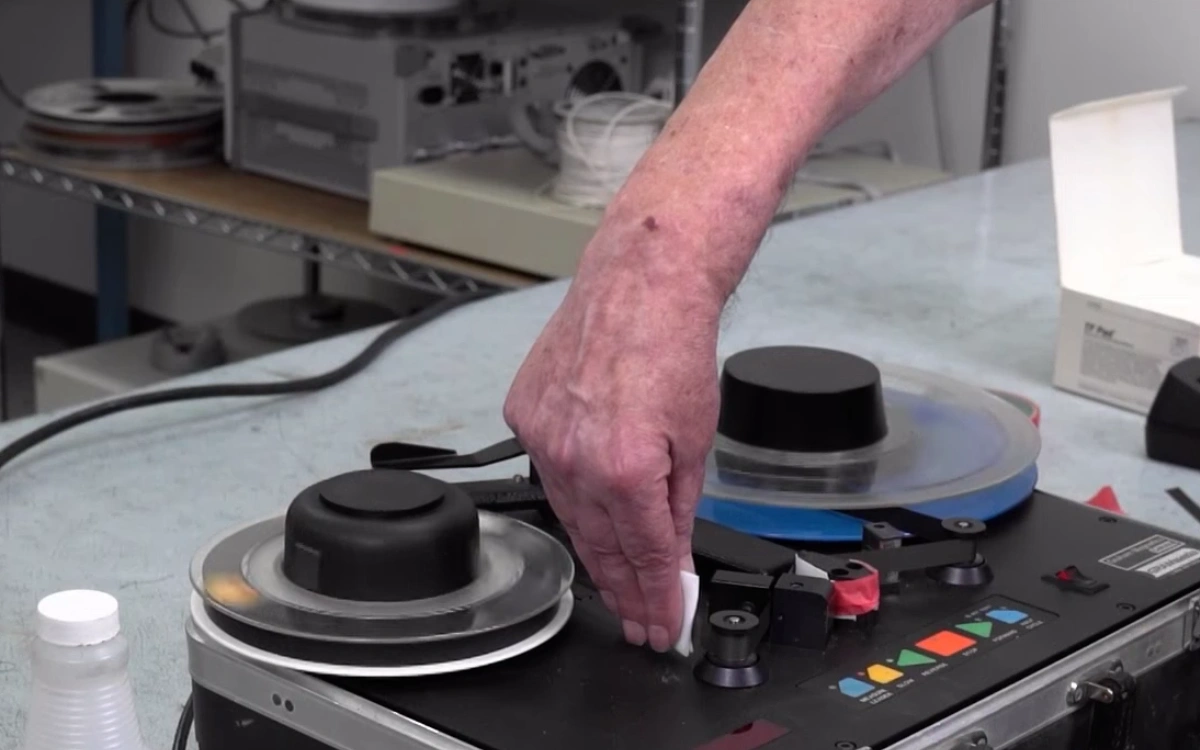
Museum experts applied lubricant to reduce friction and used a specialized legacy tape reader combined with modern diagnostic equipment.
Rather than relying on the machine to interpret the data, they captured raw analog signals directly from the tape.
Considering the tape’s age and years spent in a Utah storage closet, the results were astonishing.
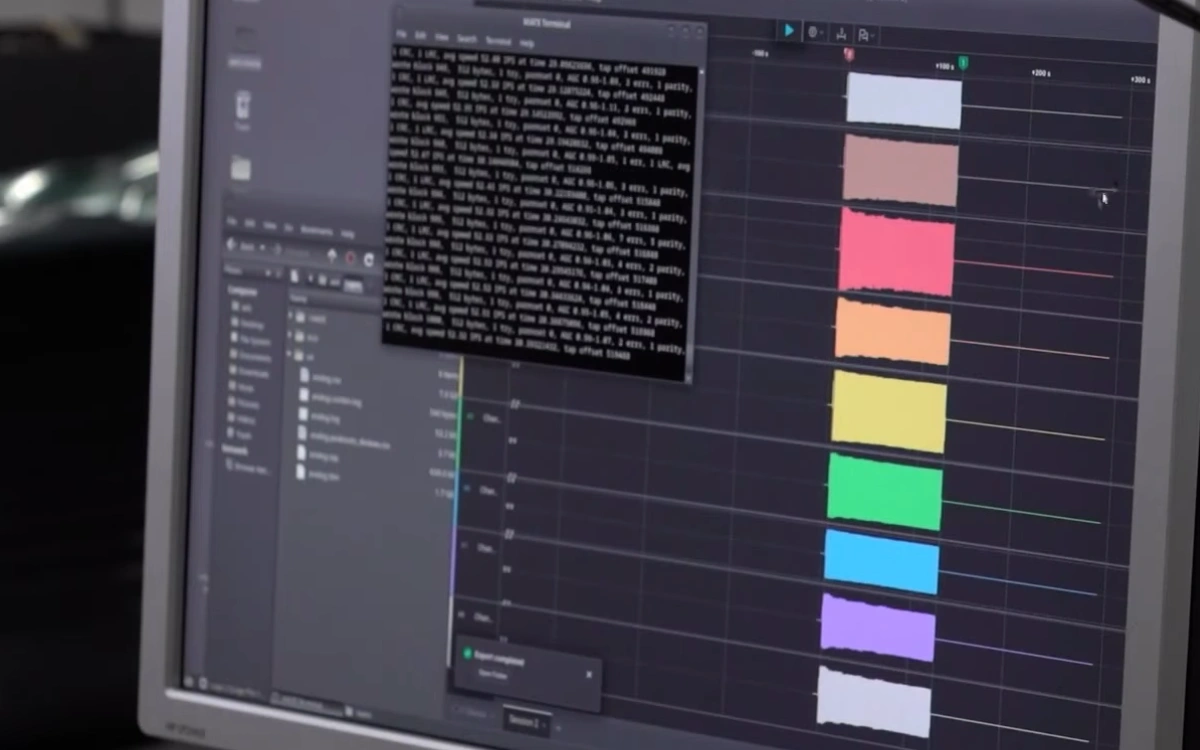
Only a few sections were corrupted, and those were successfully repaired.
Why this discovery is so important
The recovered data included original UNIX source code, which School of Computing professor Rob Ricci described as a blueprint for modern computing.
Many operating systems in use today, including macOS and Linux, trace their lineage back to early UNIX releases like this one.
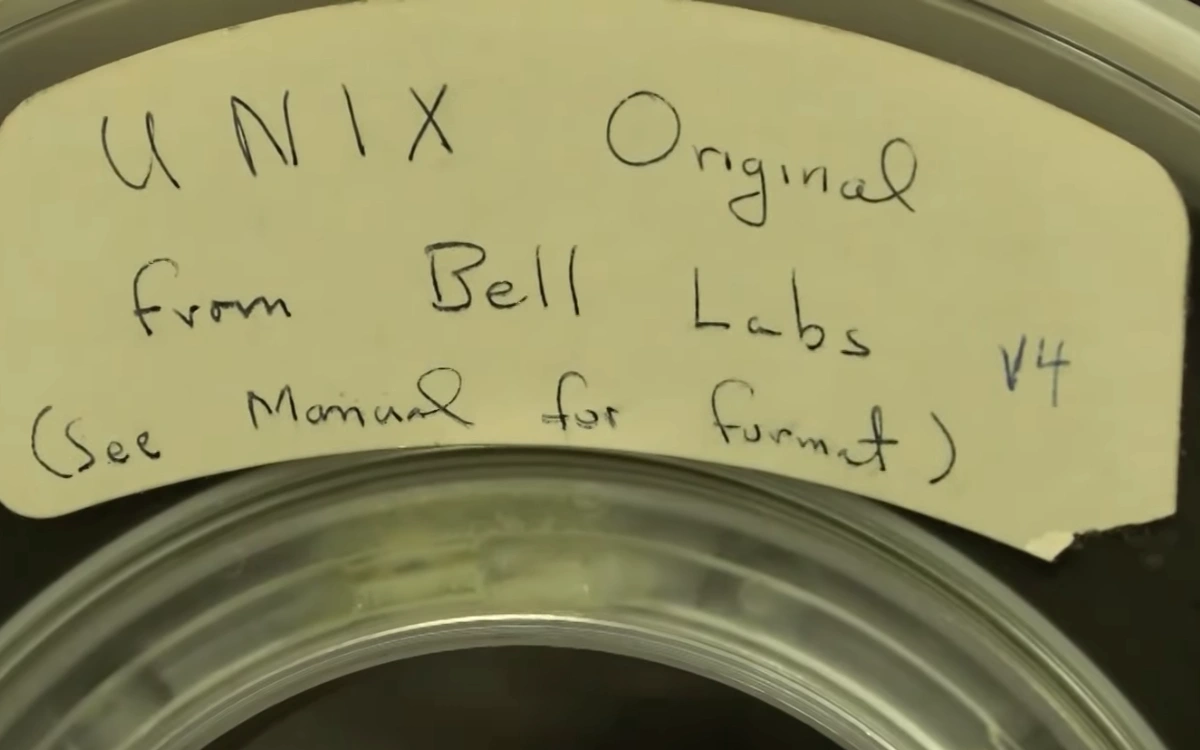
For historians and engineers, this tape offers a rare glimpse into how foundational software was designed during the early days of computing.
Once the contents were verified, the team made digital copies and uploaded them online.
The response was immediate: within hours, thousands of enthusiasts, researchers, and programmers around the world had downloaded the files.
Some even simulated running UNIX Version 4, while others created browsable directory trees to explore the system in detail.
The tape also revealed unexpected historical artifacts, including Bell Labs employee survey data that provided insight into workplace culture at the time.
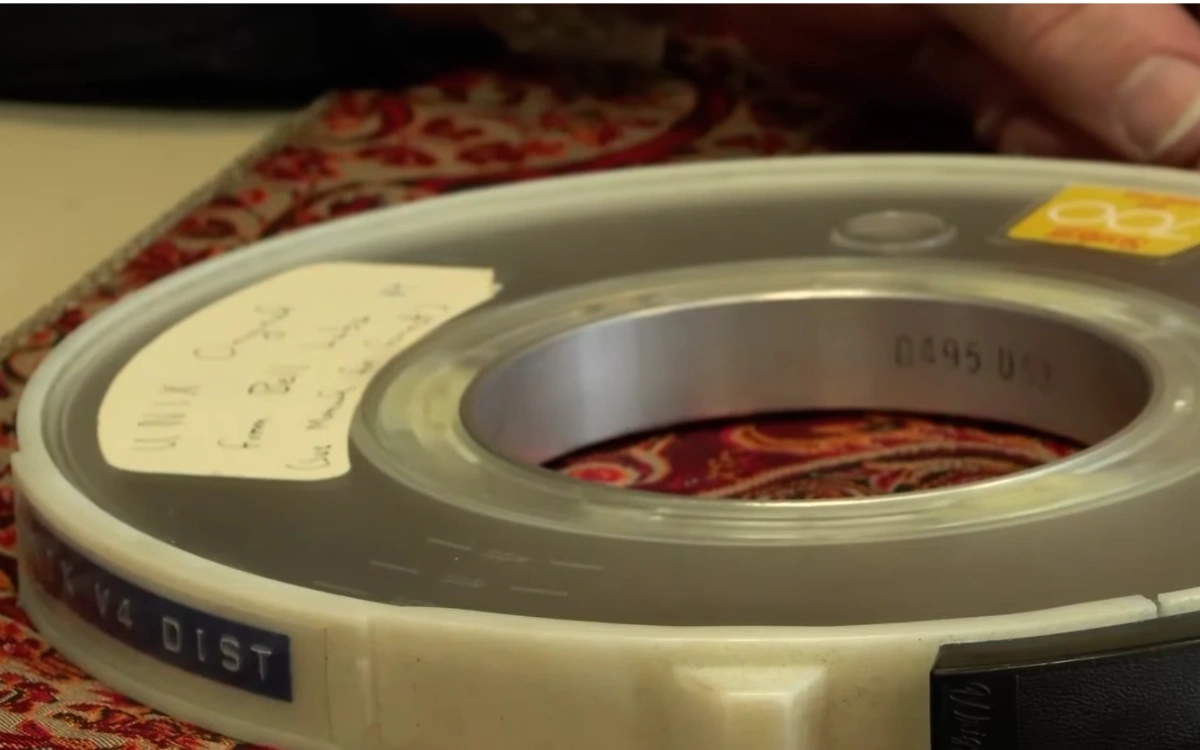
After its successful recovery, the tape was returned to the University of Utah.
Once the university’s new engineering building is completed, the historic reel will be placed on public display.
From an overlooked storage closet to a global audience, the rediscovery proves that some of the most important pieces of technological history are still waiting to be found.
DISCOVER SBX CARS: The global premium car auction platform powered by Supercar Blondie