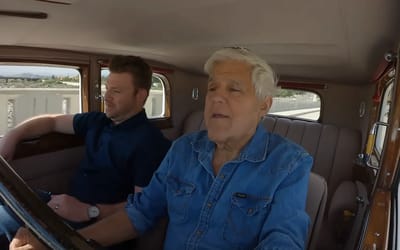
This US Government loophole is what lets people drive their banned supercars and it's all because of Bill Gates and his Porsche 959
Published on Mar 14, 2026 at 10:15 PM (UTC+4)
by Molly Davidson
Last updated on Mar 13, 2026 at 2:20 PM (UTC+4)
Edited by
Emma Matthews


Some of the world’s most famous supercars were never meant to be driven in the US.
Strict safety and emissions laws meant certain models simply couldn’t be sold there.
Yet collectors still found a way to get them onto American roads.
And strangely enough, the loophole behind it all can be traced back to Bill Gates and a Porsche 959.
Click the star icon next to supercarblondie.com in Google Search to stay ahead of the curve on the latest and greatest supercars, hypercars, and ground-breaking technology
The rule that lets Americans drive banned supercars
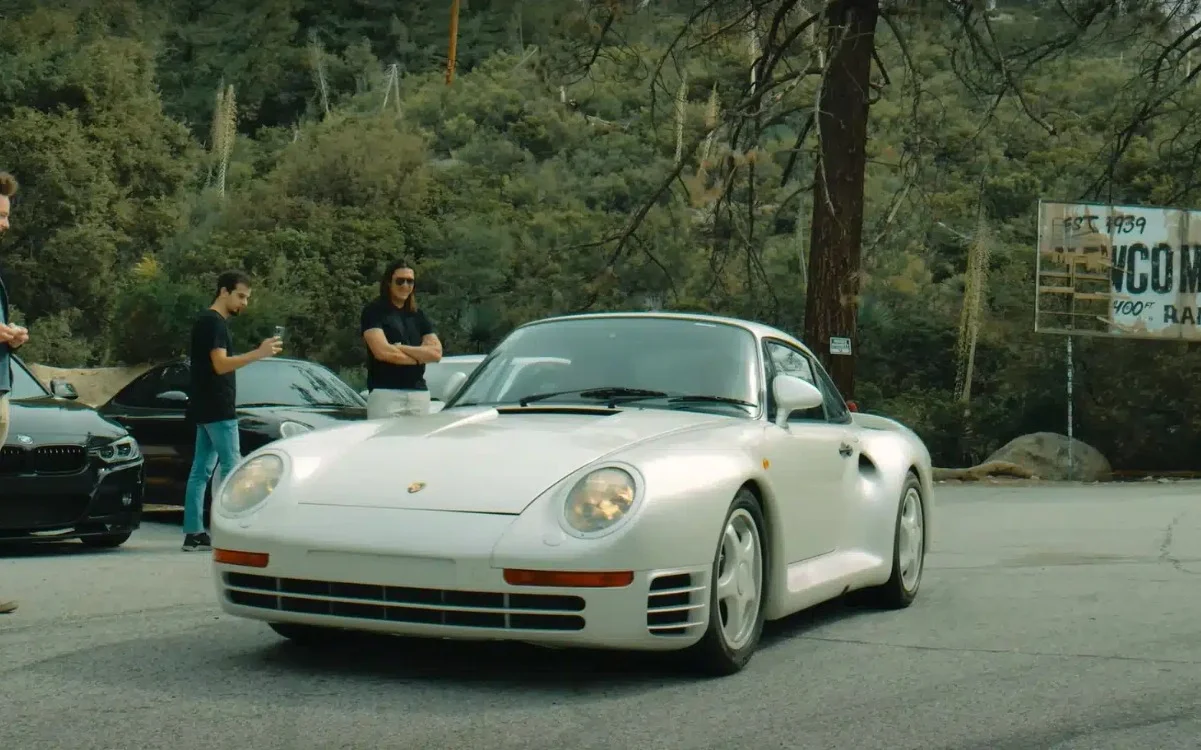
Back in the 1980s, Porsche built something pretty outrageous: the Porsche 959.
It was basically a racecar that had been tamed just enough for the street, packed with futuristic tech, and built in tiny numbers.
But there was a problem.
Porsche never officially sold the car in the United States.

The reason was mostly money. To sell it there, Porsche would’ve had to crash-test several cars and redesign parts of it to meet US emissions laws.
After already spending a fortune developing the 959, the company decided it wasn’t worth it.
Even so, collectors still wanted one.
Race driver and dealer Bruce Canepa managed to import a few into the US anyway.
One buyer was Microsoft co-founder Paul Allen, who soon convinced his business partner Bill Gates that the 959 was the supercar he needed in his life.

There was just one tiny issue: the cars couldn’t actually be driven.
Because they didn’t meet US regulations, they couldn’t clear customs.
Instead, they sat locked away in warehouse space inside Foreign Trade Zones in California.
Not exactly the dream scenario for one of the most advanced supercars ever built.
So Canepa started calling anyone in government who might help.
Eventually, he teamed up with a Washington DC lawyer and pushed for a rule change that would allow rare cars into the country.
In 1998, it finally happened.
The rare ones that slipped through the loophole
The new rule was called the ‘Show or Display’ exemption.
Basically, it allows collectors to import cars that don’t meet US safety rules if they’re considered historically or technologically important.
But there are some strings attached.
Owners have to apply to the National Highway Traffic Safety Administration, prove the car meets emissions standards, and promise not to drive it more than 2,500 miles per year.
In other words, you can drive your rare supercar… just not every day.
Over the years, more than 100 cars have made the Show or Display list.
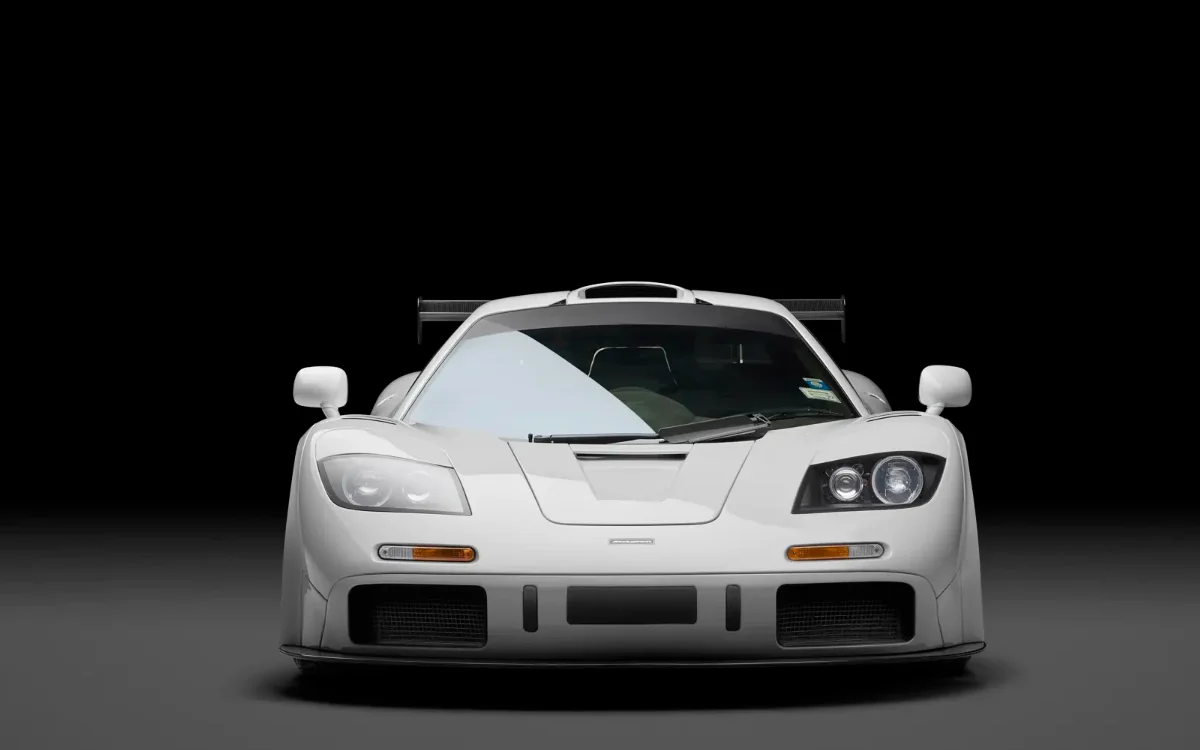
That includes legendary machines like the McLaren F1, Bugatti EB110, Lamborghini Diablo GT, Nissan R34 Skyline GT-R, and Pagani Zonda.
Even newer hypercars like the McLaren Speedtail and Gordon Murray Automotive T.50 have qualified.
Eventually, though, the rule becomes unnecessary.
Once a car turns 25 years old, it can be imported normally into the US without that special permission.
Still, it’s pretty funny how the whole thing started.
A supercar that wasn’t supposed to be in America ended up changing the law.
And now some of the rarest cars in the world can legally cruise US roads because of it.
DISCOVER SBX CARS: The global premium car auction platform powered by Supercar Blondie
With roles at TEXT Journal, Bowen Street Press, Onya Magazine, and Swine Magazine on her CV, Molly joined Supercar Blondie in June 2025 as a Junior Content Writer. Having experience across copyediting, proofreading, reference checking, and production, she brings accuracy, clarity, and audience focus to her stories spanning automotive, tech, and lifestyle news.