Las Vegas man shares everything you need to know about buying a used Tesla and how to avoid an expensive surprise
Published on Feb 19, 2026 at 4:53 AM (UTC+4)
by Callum Tokody
Last updated on Feb 19, 2026 at 3:17 PM (UTC+4)
Edited by
Emma Matthews


Buying a used Tesla means thinking about the battery and EV charging sooner than most people expect.
Those two things rarely feel important during a quick inspection or a short test drive.
They show their hand later, once the car starts handling school runs, commutes, and everyday errands.
That is usually when buyers realize what they should have been thinking about when they bought it.
VISIT SBX CARS – View live supercar auctions powered by Supercar Blondie
The used Tesla checks that matter most
The battery plays a central role in how a used Tesla feels to live with.
When it holds range as expected, it stays largely out of the way.
When capacity drops faster than expected, range becomes something drivers check more often.
A simple starting point is to switch the display between percentage and miles and compare the result with what similar cars typically show.
This does not provide a full picture, but it offers a reasonable sense of whether the battery aligns with the car’s age and mileage.
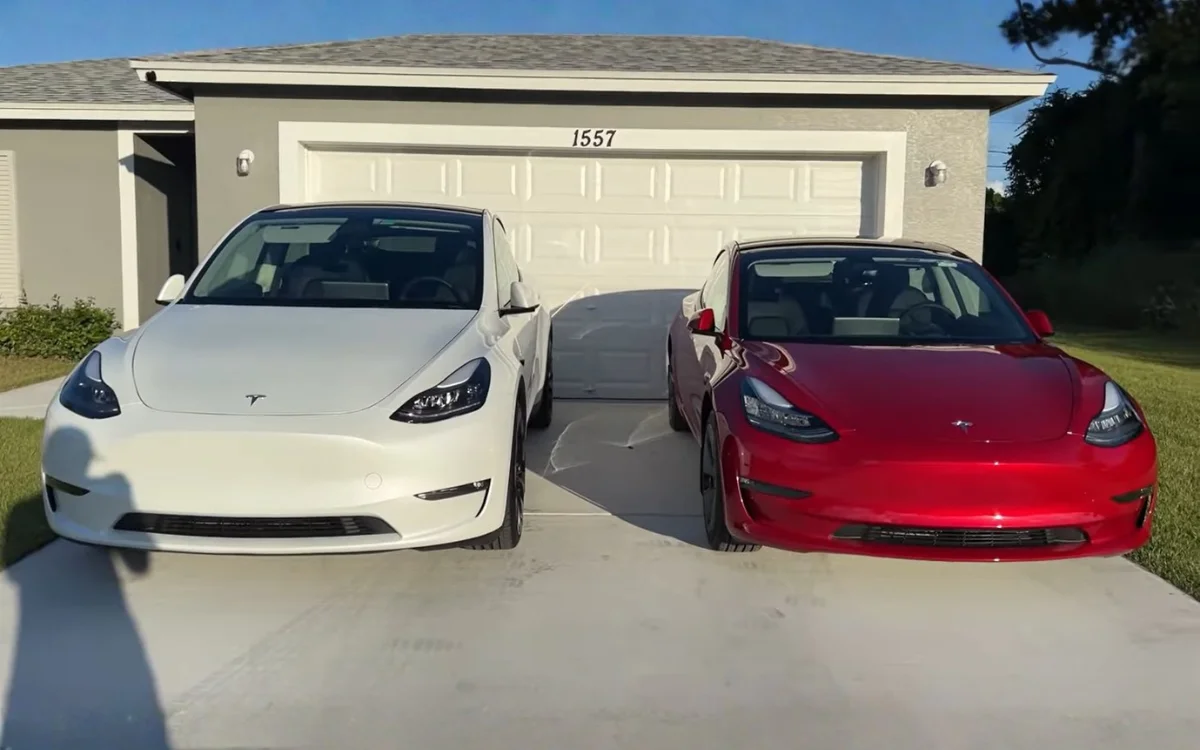
If the numbers already look low, that impression usually carries through ownership.
The built-in battery health test provides a clearer answer.
It requires the car to remain plugged in for several hours and completes without intervention.
Once finished, it gives a more accurate view of degradation.
Warranty coverage also deserves attention.
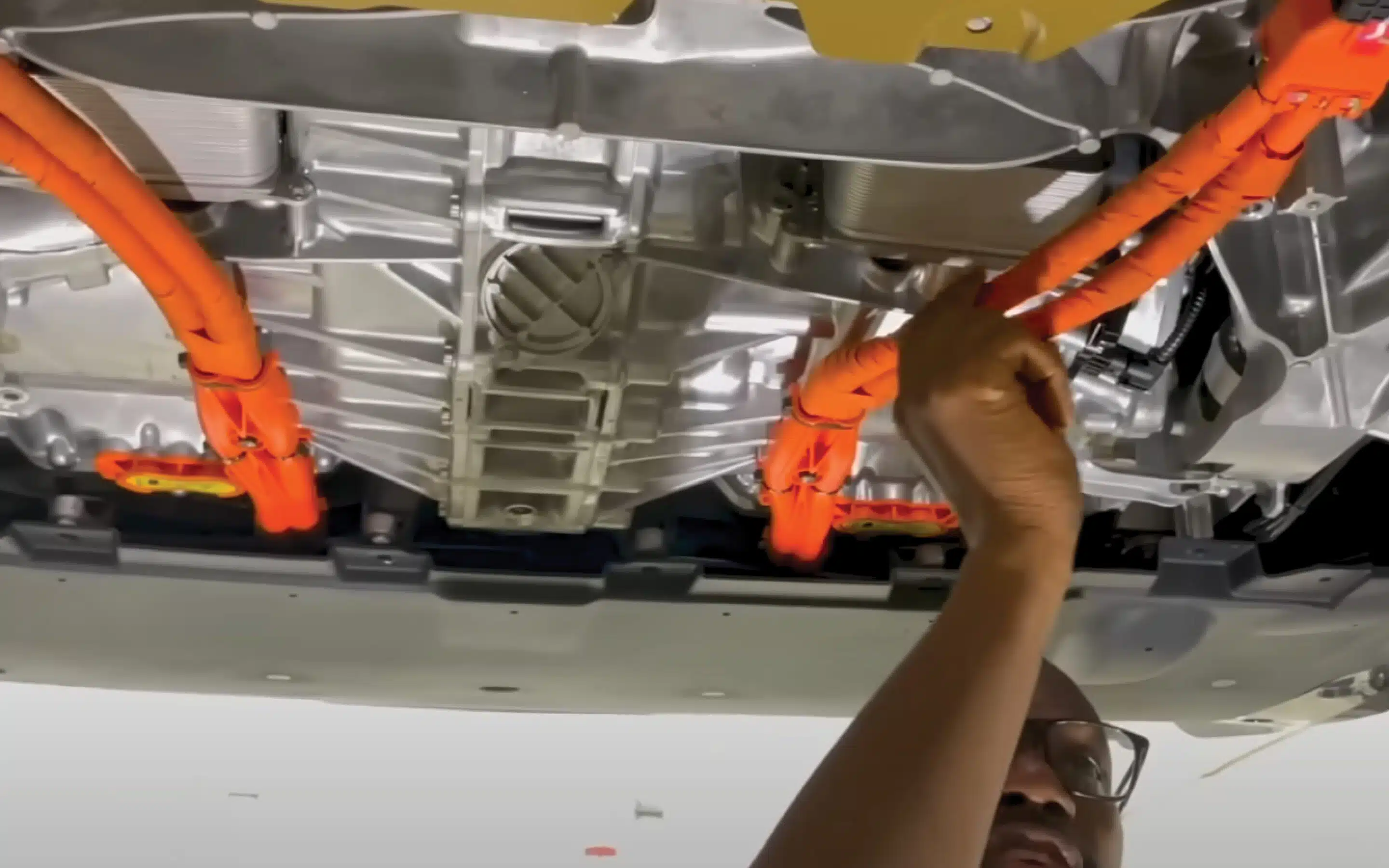
Some used Teslas remain within battery warranty, while others sit outside it.
That distinction can influence long-term ownership confidence and potential costs.
EV charging tends to shape ownership in quieter ways.
Public fast chargers attract early interest, but most owners rely far more on home charging.
How charging fits into daily routines matters more than how quickly the car charges on an occasional trip.
What living with one is actually like
Most owners end up charging at home.
In practise, that usually means plugging the car in overnight and not thinking much about it again until the next morning.
A standard household outlet often covers normal daily driving without any fuss.
Faster home charging helps in certain cases, especially when daily mileage increases or schedules tighten, but for many, it never becomes essential.
What matters is whether the setup matches how the car actually gets used, not how it looks on paper.
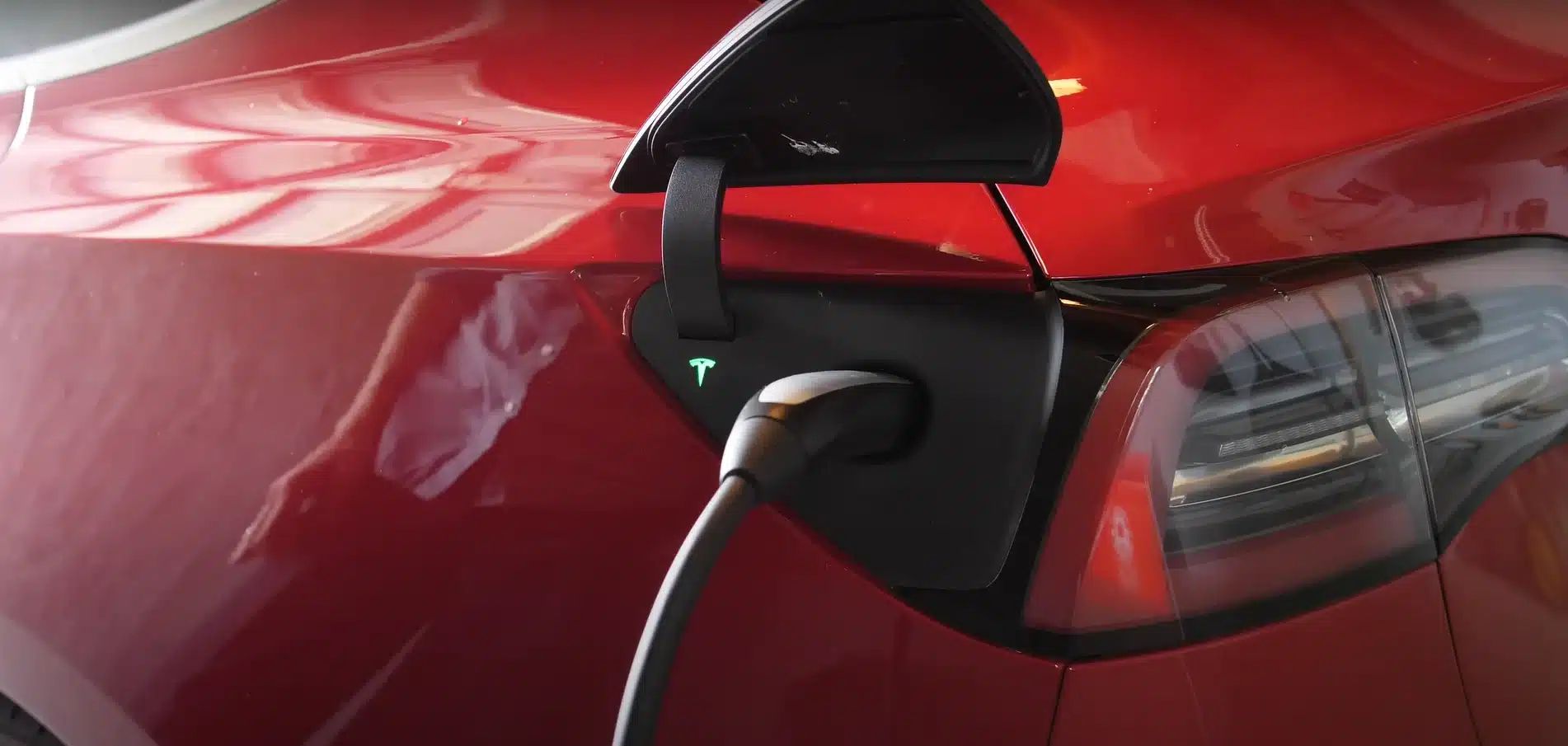
Wear and tear on a used Tesla feels familiar. Wheels pick up marks. Front bumpers collect stone chips.
These things rarely change how the car drives or behaves.
Battery replacement history carries more weight.
If a previous owner replaced the battery, knowing when and why helps set expectations.
Once those basics are sorted, the car becomes easy to live with.
Charging slots into a routine in much the same way refuelling once did.
At that point, the used Tesla feels familiar rather than novel, which is usually the sign that ownership is working as it should.
DISCOVER SBX CARS: The global premium car auction platform powered by Supercar Blondie