Man pushes his modified Volkswagen Up to its limit by driving in the -59.8°F temperature of the coldest city on Earth
Published on Jul 25, 2026 at 12:17 PM (UTC-4)
by Daisy Edwards
Last updated on Jul 25, 2026 at 12:17 PM (UTC-4)
Edited by
Mason Jones
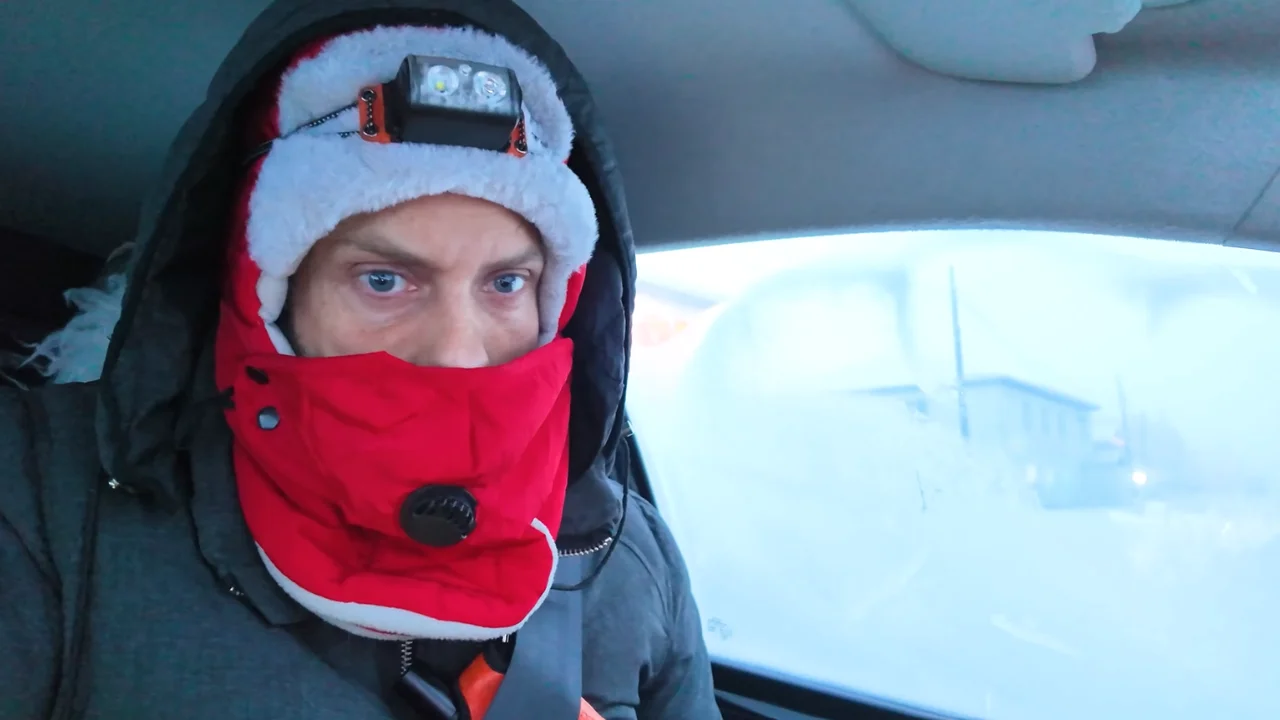

Most people wouldn’t dream of taking a tiny city car like a Volkswagen Up into one of the harshest environments on the planet, but this man decided to put one to the test in the coldest city on Earth.
A YouTuber decided to drive a Volkswagen Up across Siberia, but he would really be pushing the city car to its limits.
As temperatures plunged to -59.8°F (-51°C) on the road to Yakutsk, Russia, the little hatchback began showing signs that it had reached the edge of what it was designed to handle.
Despite frozen components, square tires, and an increasingly unhappy gearbox, the determined driver eventually made it to the coldest city on Earth.
How he pushed his modified Volkswagen Up to its limit
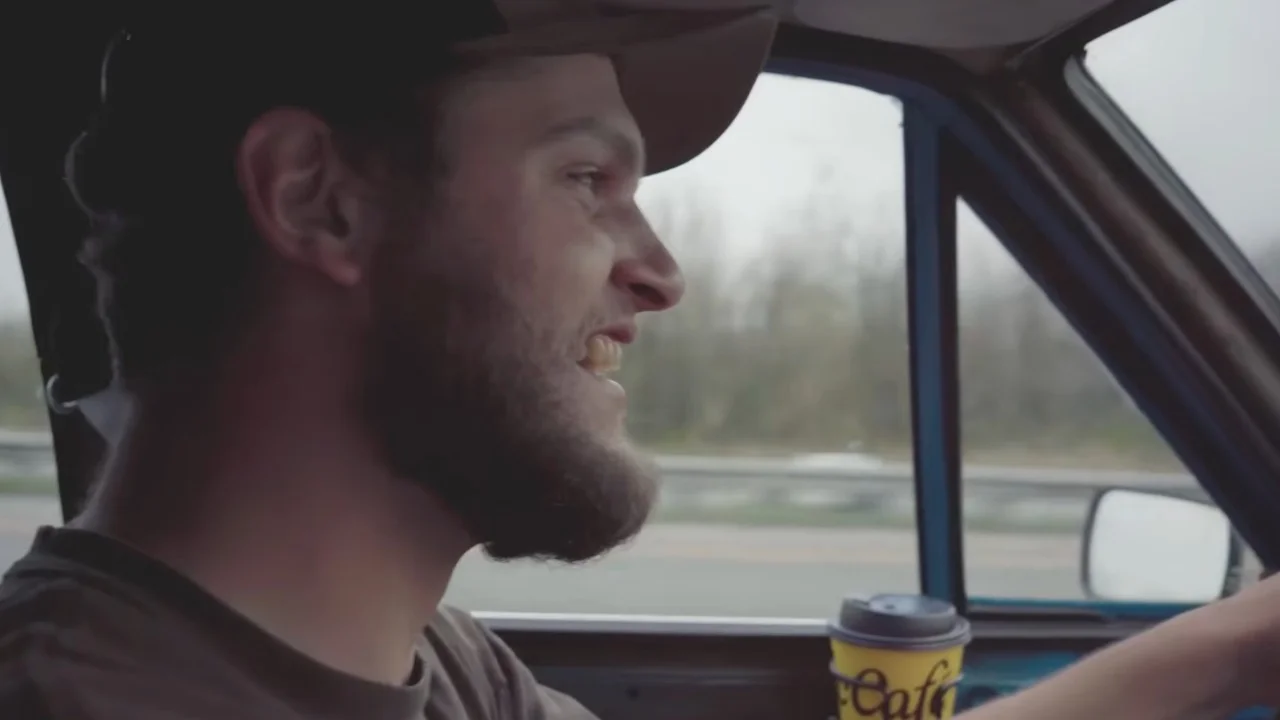
Dutch YouTuber Zoef has been documenting his epic road trip across Siberia in a modified Volkswagen Up car, but the journey became dramatically more difficult as he neared Yakutsk.
The city, often referred to as the coldest city on Earth, regularly experiences winter temperatures below -40°F (-40°C), with extreme cold snaps dropping even further.
While the Volkswagen’s onboard temperature display bottomed out at -49°F, weather records later showed that overnight temperatures in Tommot reached around -58°F, before the journey continued in temperatures as low as -59.8°F.
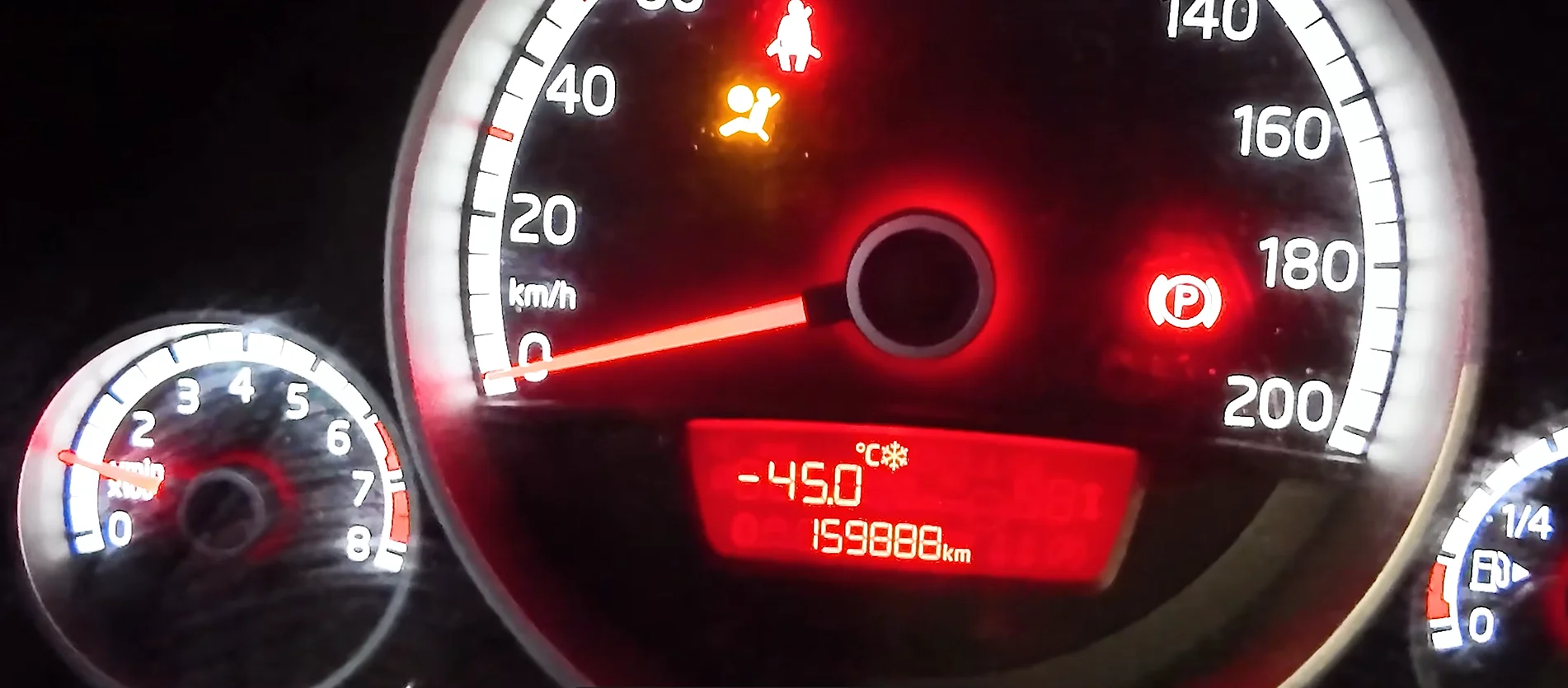
Almost immediately, the car began reacting to conditions beyond its design limit.
The clutch pedal became increasingly stiff, the gearbox felt like it was full of syrup, the steering grew heavy, and the engine struggled to stay warm enough to operate efficiently.
After spending the night parked in the freezing temperatures, another problem appeared.
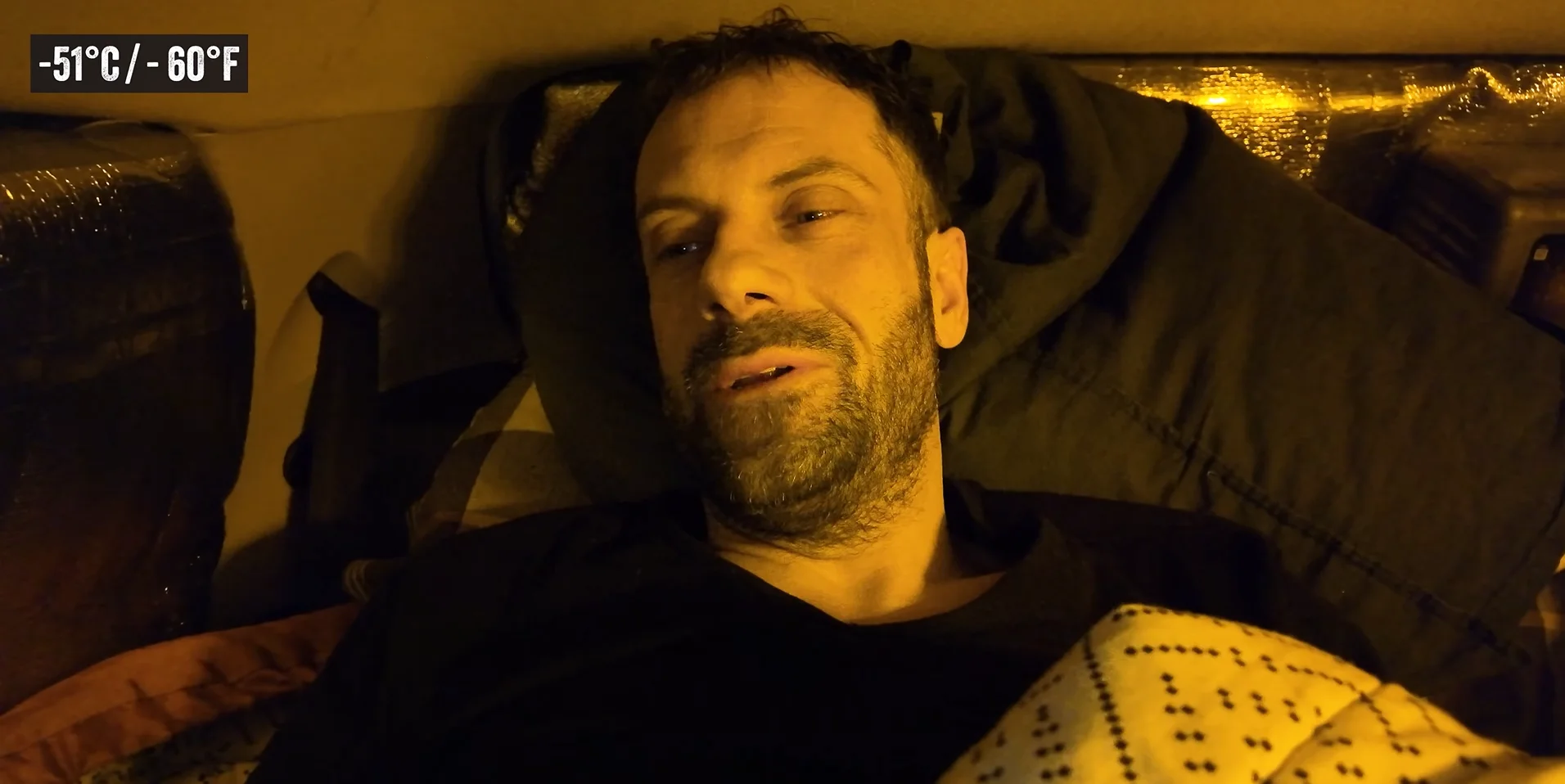

The tires had developed flat spots from sitting still in the cold, making the Volkswagen feel as though it was driving on square wheels.
“The car is like driving on bricks,” Zoef said.
“The wheels are not round anymore.”
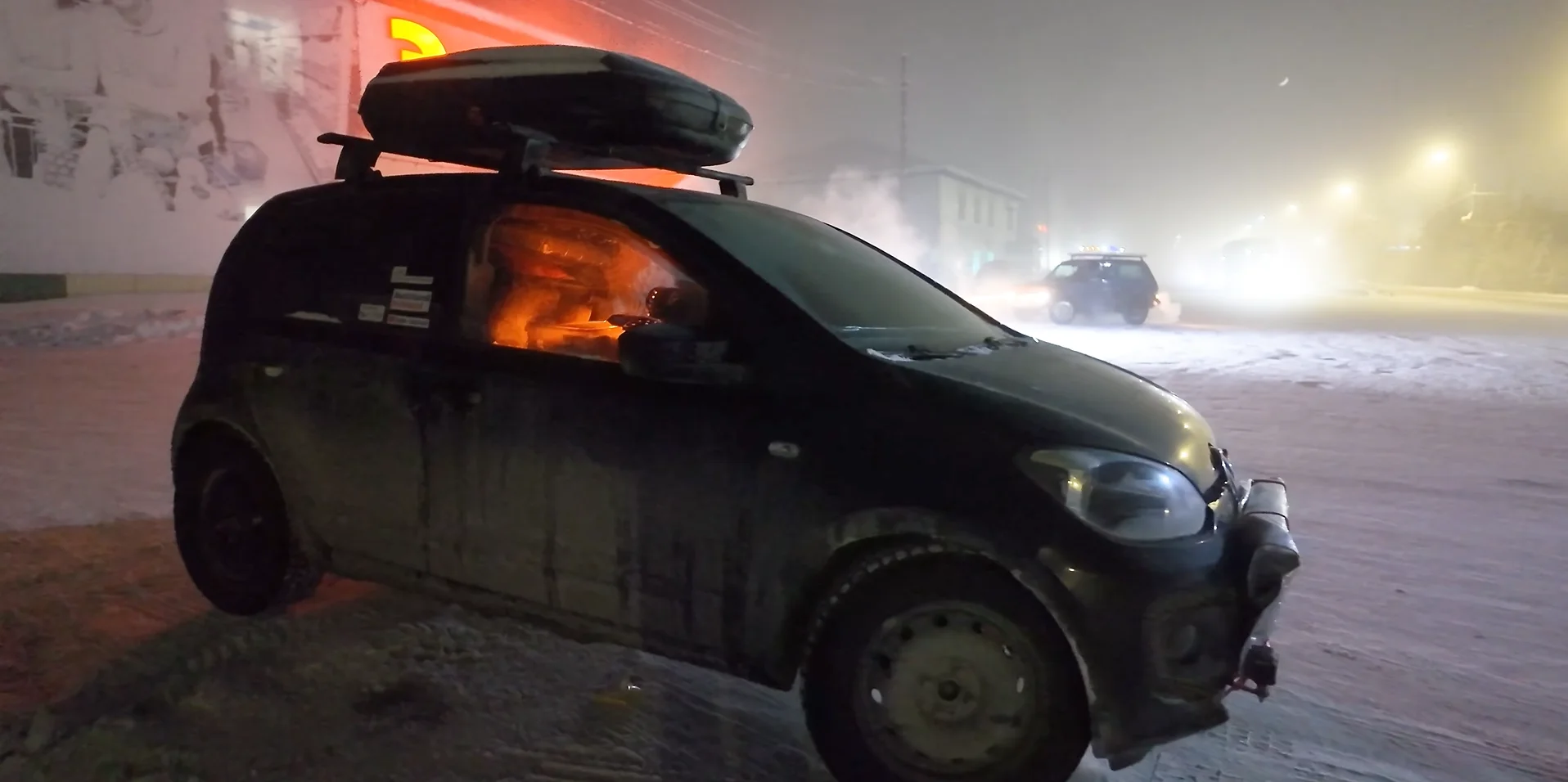
As temperatures climbed slightly during the drive, the tires gradually returned to their normal shape and many of the vibrations eased.
The extreme cold also affected other equipment.
His drone refused to fly despite showing 99 percent battery, water containers froze solid, and even the cabin windows iced up from the inside.
Related
How he modified the Volkswagen Up
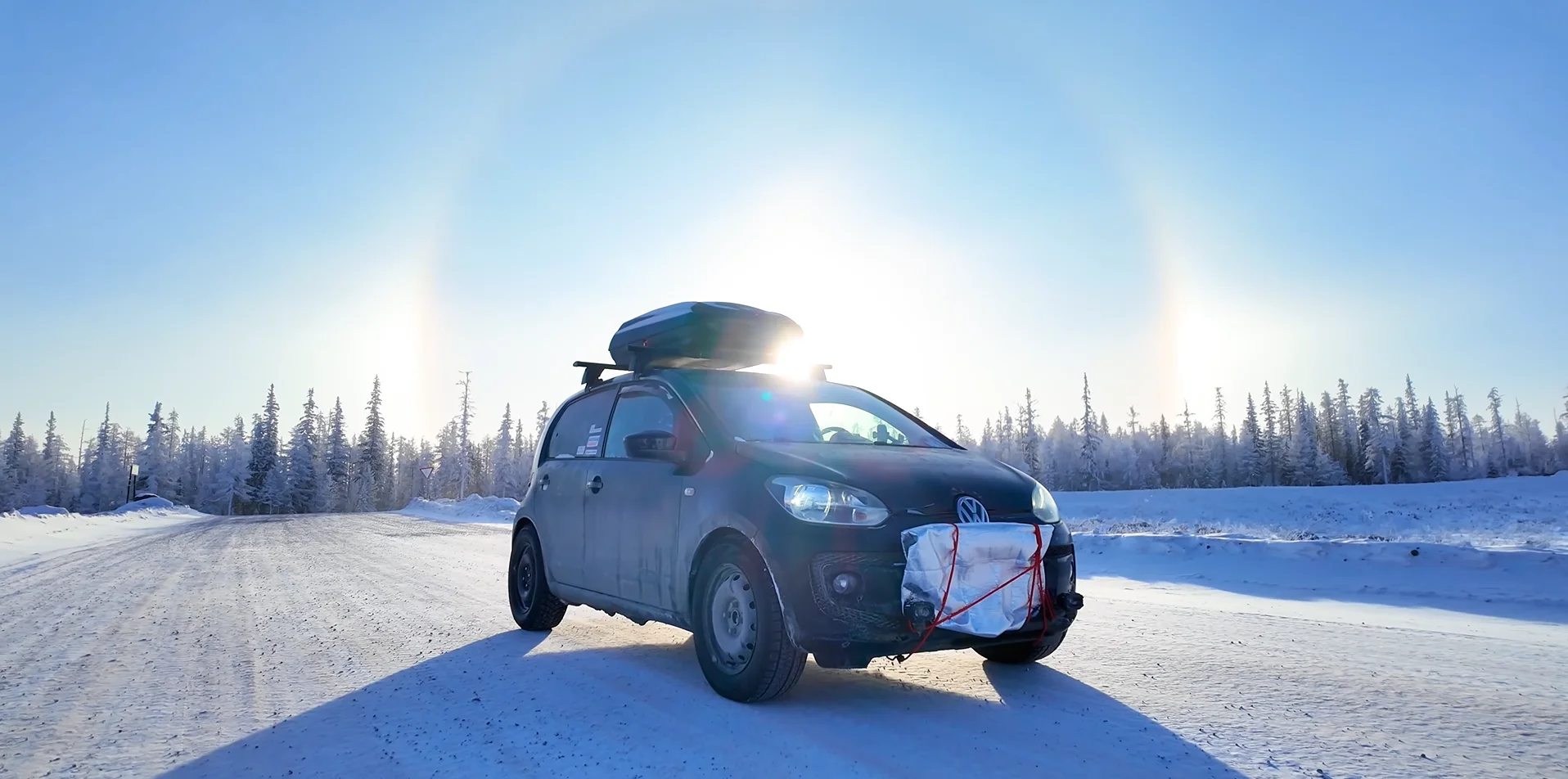
Knowing the risks of breaking down hundreds of miles from the nearest help, Zoef had prepared the Volkswagen Up with several modifications before setting off.
The car featured a Webasto diesel heater, auxiliary battery system, insulated window covers, heated insoles, extra fuel storage, and additional insulation around vulnerable components.
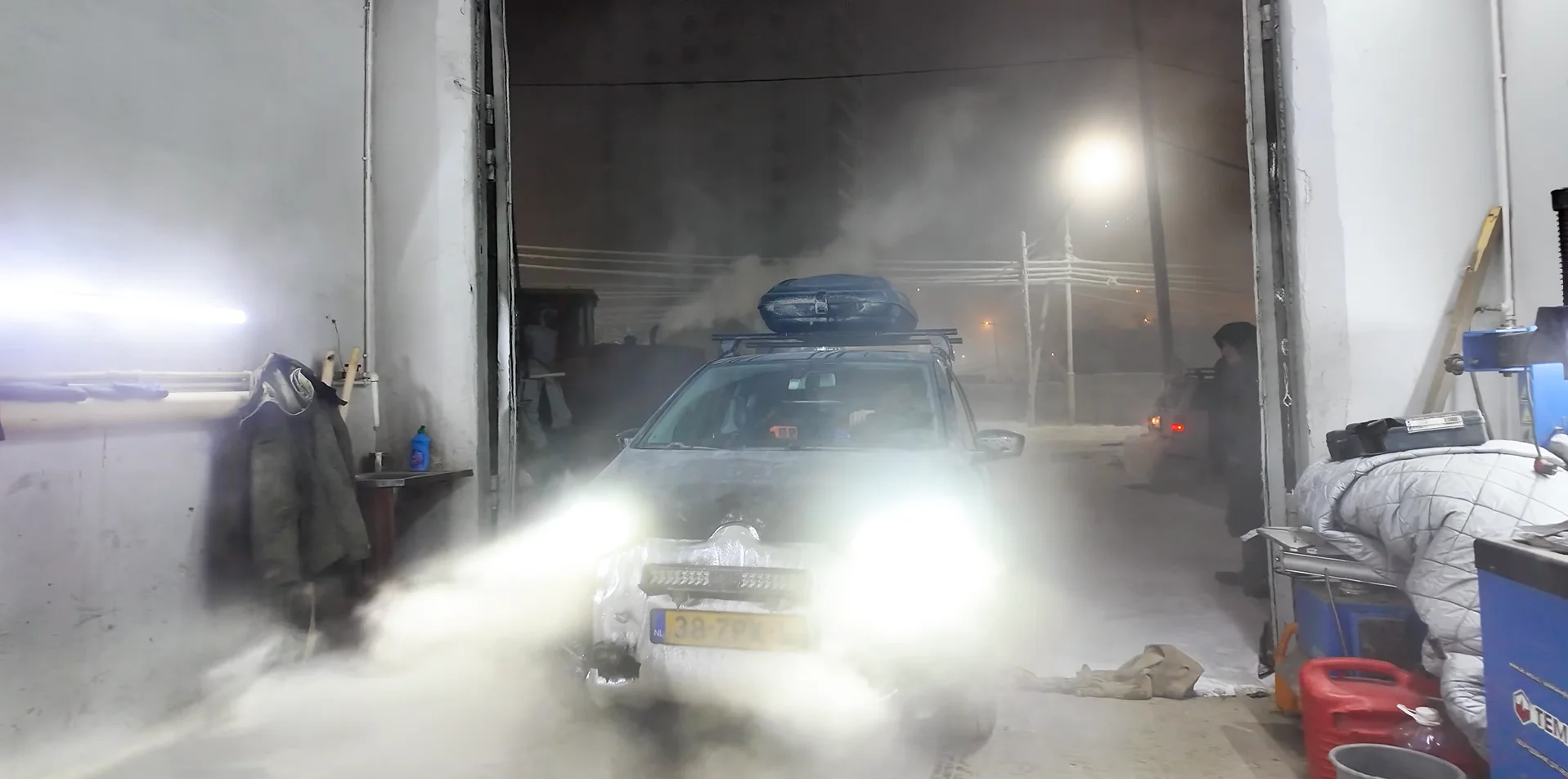
After arriving in Yakutsk, local mechanics showed him even more tricks used by Siberian drivers to survive the brutal winters.
They added a second insulating layer to the side windows to reduce frost buildup and explained how locals shield engines from icy air and reroute air intakes to help vehicles cope with the extreme temperatures.
The final obstacle before reaching Yakutsk was crossing the frozen Lena River, which stretches almost four kilometers (2.5 miles) across.
Sharing the ice crossing with heavy trucks and SUVs, the tiny Volkswagen successfully made it to the opposite bank despite continuing mechanical worries.

After finally reaching Yakutsk, Zoef admitted it was the first time during the expedition that he genuinely wondered whether the little Volkswagen would make it.
Fortunately, the modified city car fought through the extreme conditions and completed one of the toughest legs of its remarkable journey.
Daisy is a technology and automotive journalist covering artificial intelligence, consumer tech, Apple news, cryptocurrency, emerging technologies, and transportation innovation. Since joining the team in 2025, she has reported on everything from AI-powered startups and major iOS updates to viral car stories and the latest developments shaping transportation and the digital economy. Drawing on her background in automotive journalism and a degree in History and Journalism from Goldsmiths, University of London, Daisy specializes in breaking down complex topics into clear, engaging reporting for a global audience. Her work spans cutting-edge technology, innovative vehicles, and the people driving change across both industries. Daisy has gained first-hand access to some of the world's most talked-about technologies and innovators, including meeting Tesla's Optimus humanoid robot during its first European appearance in London. She has also discussed the future of space exploration with an astronaut, bringing unique insights and real-world perspectives to her coverage of emerging technology.