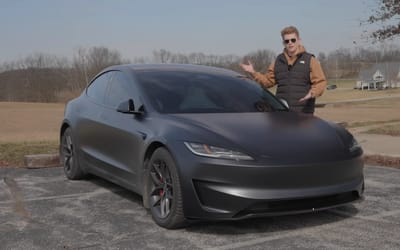
What actually happens if you decide to completely stop charging your plug-in hybrid car
Published on Feb 12, 2026 at 8:35 PM (UTC+4)
by Keelin McNamara
Last updated on Feb 12, 2026 at 8:35 PM (UTC+4)
Edited by
Amelia Jean Hershman-Jones

The plug-in hybrid car has been around since 2008, and its battery works by charging via a wall outlet or charging equipment, via the ICE engine, or through regenerative braking.
But what happens if you decide to completely stop charging it?
We have the answer.
And it’s not as straightforward as you’d think.
DISCOVER SBX CARS: The global premium car auction platform powered by Supercar Blondie
What happens if you don’t charge a plug-in hybrid?
Plug-in hybrid cars are unique within the wider car industry.
Despite being around for around 20 years, many consumers are still baffled by the blended concept.
Still, it is a market that has been steadily growing and developing for quite some time, with the most famous example of the plug-in hybrid electric vehicle (PHEV) being the Toyota Prius.
One question that has been cropping up with the plug-in hybrid is one you might have asked yourself: what happens if you decide to stop charging your PHEV?
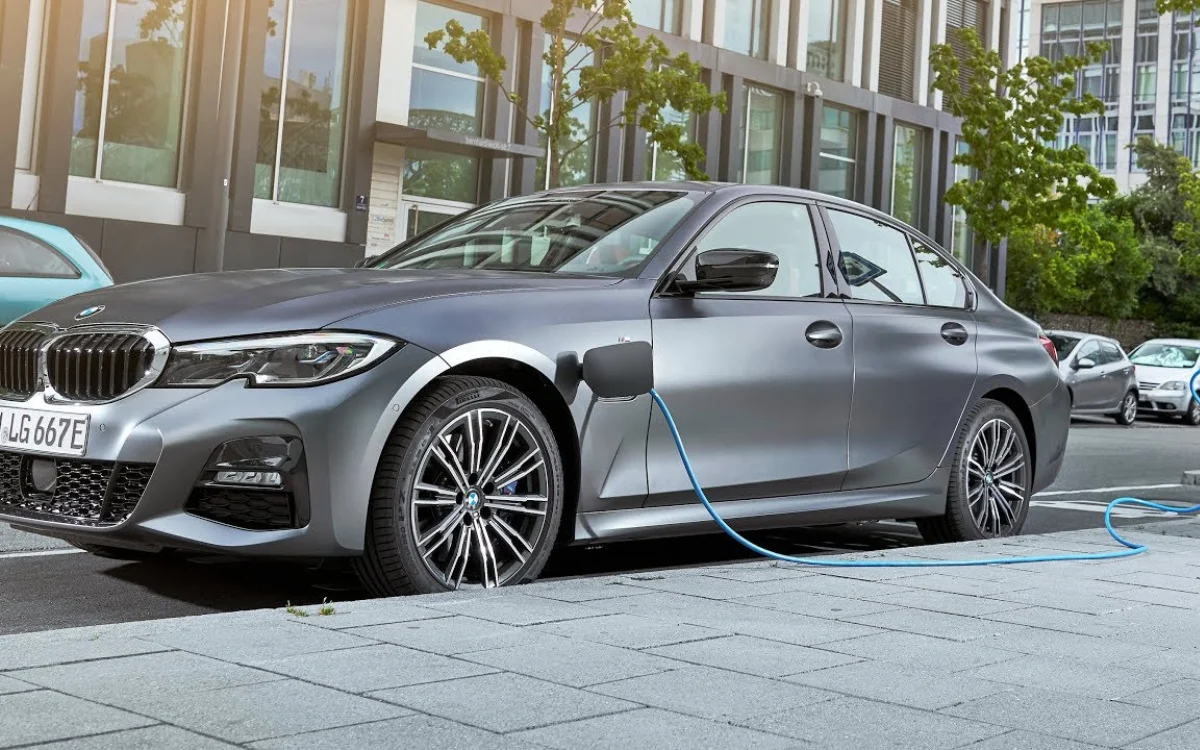
Some people believe that the car will simply not perform.
Others think that the performance will somehow be affected.
But what is the truth?
Well, to put it simply, the answer is… nothing.
Performance is not affected in any way whatsoever.
Click the star icon next to supercarblondie.com in Google Search to stay ahead of the curve on the latest and greatest supercars, hypercars, and ground-breaking technology
How does it all actually work?
To be specific, a plug-in hybrid that hasn’t been charged will still operate like normal.
Its larger battery does make it heavier, but you also might get more power and electric assistance as a trade-off.
Unlike traditional all-battery cars, a plug-in hybrid does not have to be plugged in to run.
But what about if the battery has been depleted, or the range has evaporated?
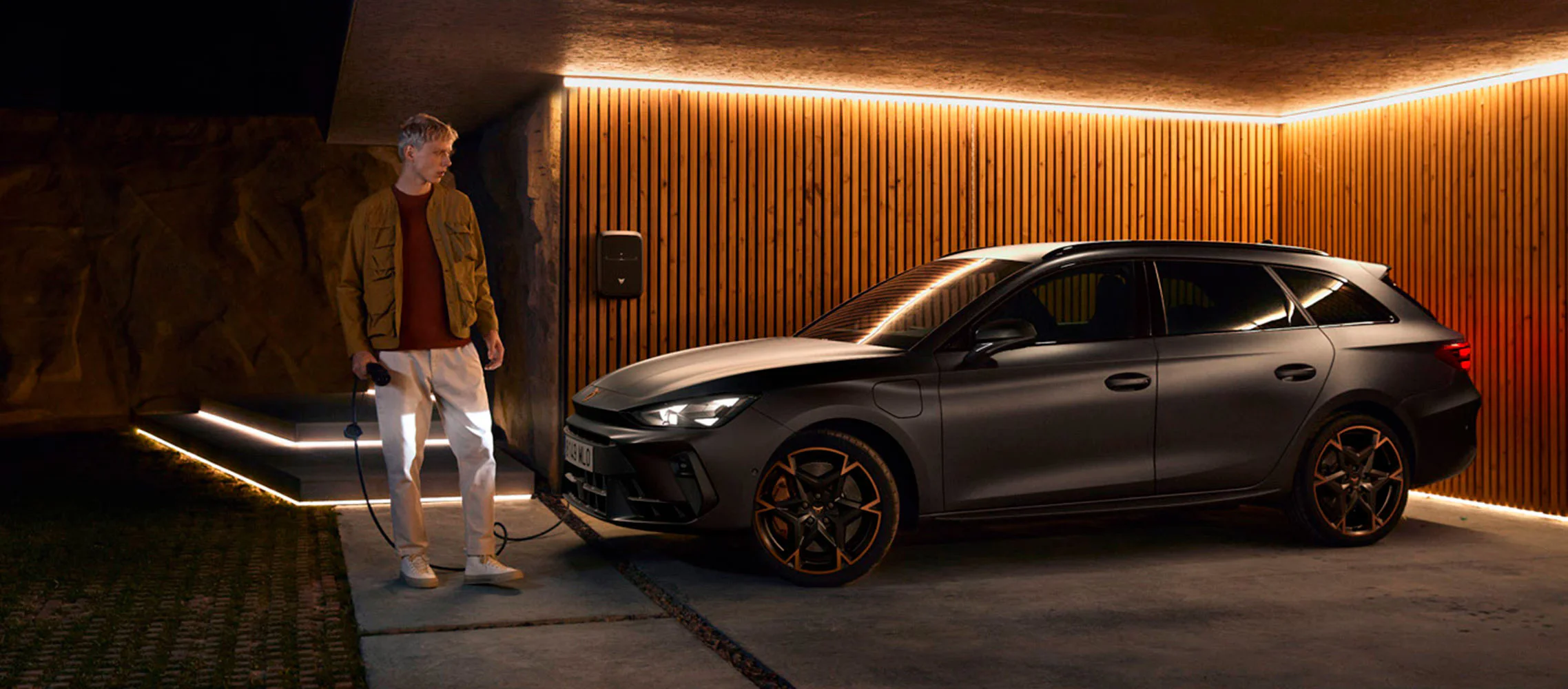
Well, a portion of the battery’s capacity is kept in reserve in order to keep acting as a regular hybrid battery.
This means that the engine can recharge the battery through regenerative braking or by siphoning engine power.
So, to sum it all up for you…A plug-in hybrid that hasn’t been charged will operate as normal.
It won’t be as efficient as if it were charged, but it will still likely offer far better gas mileage than an ICE-powered vehicle.