White traffic lights are being tested around the world as studies begin to recommend a fourth color being added
Published on Feb 09, 2026 at 3:43 PM (UTC+4)
by Jack Marsh
Last updated on Feb 09, 2026 at 3:43 PM (UTC+4)
Edited by
Mason Jones

In one of the more audacious attempts to change our driving habits, white traffic lights are being tested around the world, as autonomous vehicles become more prominent.
Few modern inventions have actually been able to change driving habits for road users, with change being a risky nut to crack, especially for more established drivers.
But with autonomous cars now being one of the more revolutionary swings the industry has seen yet, it’s time to adapt our roads for them.
That could mean white traffic lights being adopted worldwide, as North Carolina is being the guinea pig for an initiative born out of its university.
VISIT SBX CARS – View live supercar auctions powered by Supercar Blondie
Why are white traffic lights being added?
Although the red, amber, and green system has been largely adopted around the world for a century, with the exception of Japan, a new initiative is finally changing these stalwart signals.
North Carolina State University is trialing a new quad-colored system that will add white traffic lights intended to manage the shift towards a fully autonomous grid.
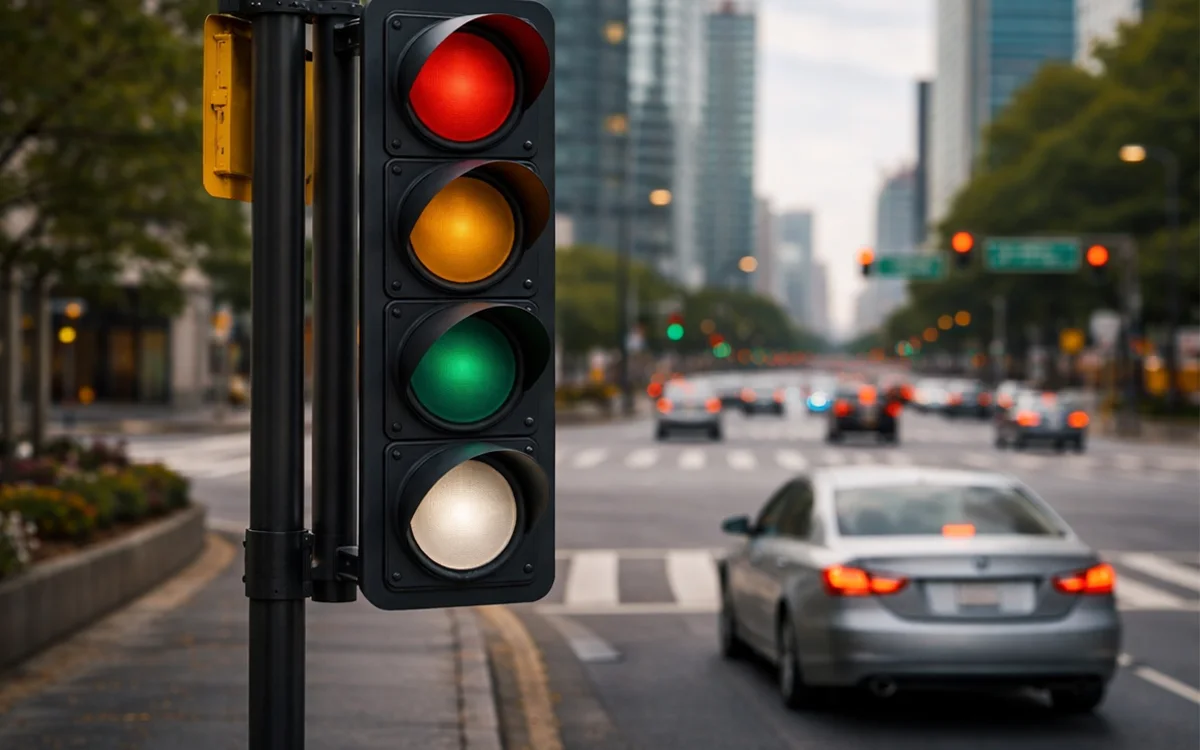
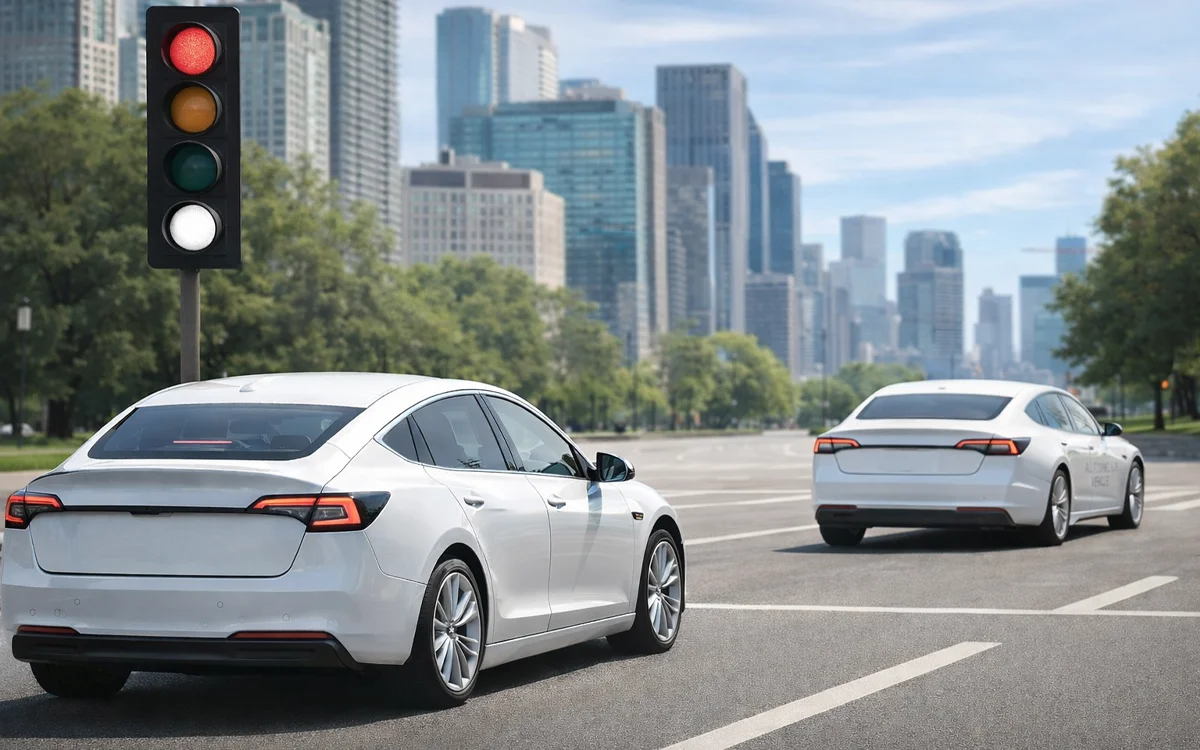
The white signal, placed underneath green, will communicate with self-driving cars to ensure that it’s safe for them to follow through busy lanes and intersections.
It intends to keep autonomous vehicles to file through traffic with ease, serving as a ‘follow-on’ signal.
Non-self-driving cars (the regular human-piloted kind) simply continue to follow traffic in the case of the white light.
The study suggests that it could reduce travel time by up to 10 percent and lower fuel use.
Click the star icon next to supercarblondie.com in Google Search to stay ahead of the curve on the latest and greatest supercars, hypercars, and ground-breaking technology
Where is this initiative being rolled out?
So far, only NC State has adopted this action, but if it’s successful, you can imagine cities with massive self-driving car influxes like Austin will be keen to deploy it too.
The trial is already being conducted in North Carolina with some controlled areas of autonomy hotspots, such as ports, where pedestrian activity is limited.
However, it might be some time before we see it on every street in the world.
For the system be effective, NC State suggests that at least 30-40 percent of cars would have be autonomous, which won’t happen for another generation.
Still, it’s solid future-proofing.
It’s not the first traffic signal overhaul
The traffic light system hasn’t always been tri-colored, though, as the precedent is already set to overhaul these key pieces of equipment.
While they existed in cities for decades before 1920, it was Detroit Police Officer William Potts who called for the amber signal to stop the abrupt confusion as green switched to red.
This system took the better part of 15 years to spread throughout the US, which might be a good case study for the timeline of seeing the NC State white traffic lights being adopted worldwide.
DISCOVER SBX CARS: The global premium car auction platform powered by Supercar Blondie
After beginning his career writing about all things gaming, Jack joined the Supercar Blondie team in November 2024 as a Content Writer. Since joining SB Media, in addition to a love for covering emerging tech, he has developed an admiration for vintage restorations, particularly old American brands like Dodge and Ford.