Man 3D-printing an entire F1 car is now installing a Mercedes Benz M120 V12 engine into it
Published on Apr 18, 2026 at 12:54 PM (UTC-4)
by Callum Tokody
Last updated on Apr 20, 2026 at 12:31 PM (UTC-4)
Edited by
Emma Matthews
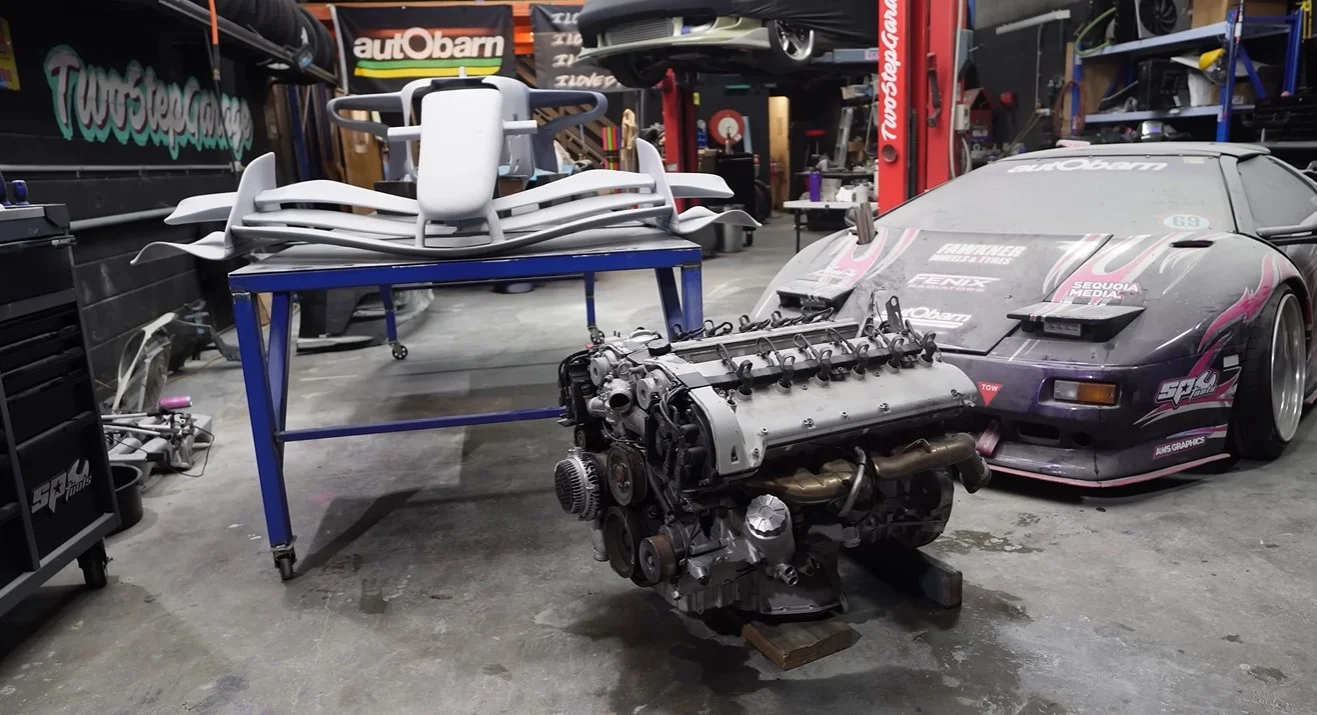

A groundbreaking Australian project used industrial 3D-printing to house a legendary Mercedes V12 within a custom-built Formula 1 car powered by a classic M120 engine.
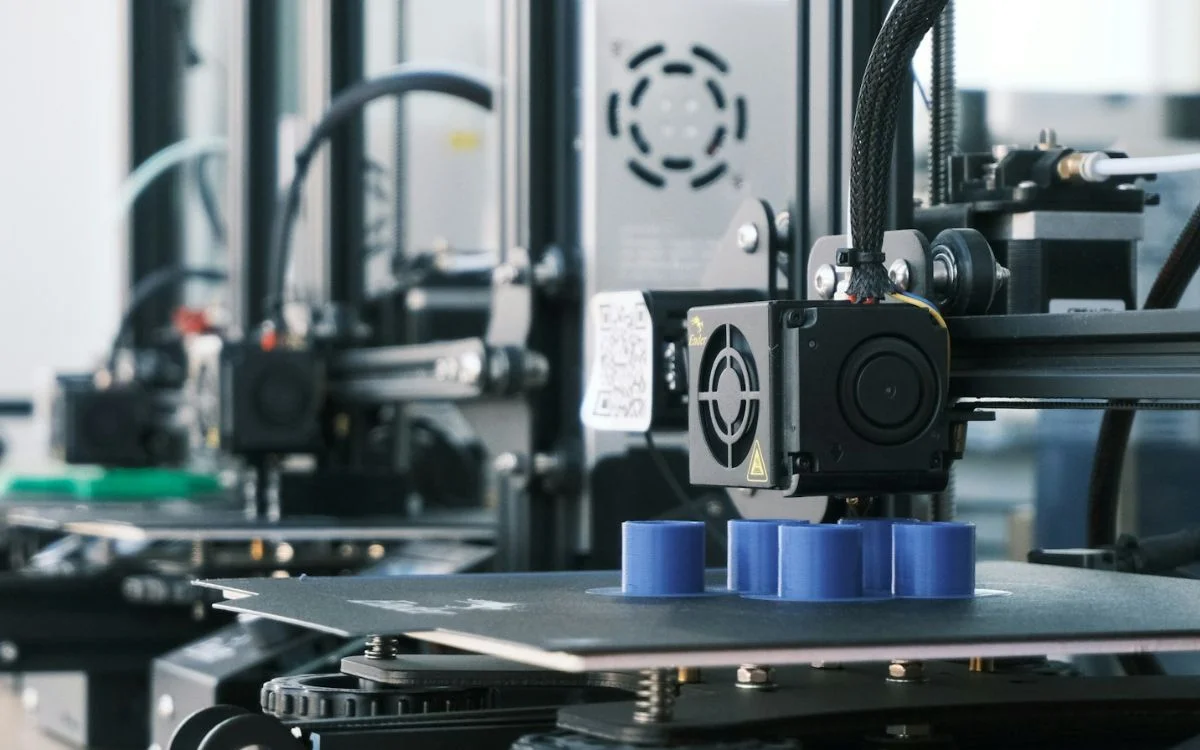
The creator has already logged over 500 hours of machine time to produce the bodywork and structural parts needed for the 2026-spec look.
This build skips the quiet hybrid tech of modern racing to bring back the high-pitched scream of ’90s motorsport.
Fitting a massive engine into a slim, 3D-printed frame was a serious challenge that shows just how far home-built projects can go.
3D-printing a Zonda-hearted monster
The build revolves around YouTuber Mike Lake and his ambitious use of a secondhand M120 engine for this project.
This Mercedes V12 is famous for powering the early Pagani Zonda and is known for being a reliable, naturally aspirated powerhouse.
Putting such a big engine into a narrow Formula 1 car means the team had to rethink the entire layout.
3D-printing made it possible to bridge the gap between this ’90s engine and a modern chassis design.
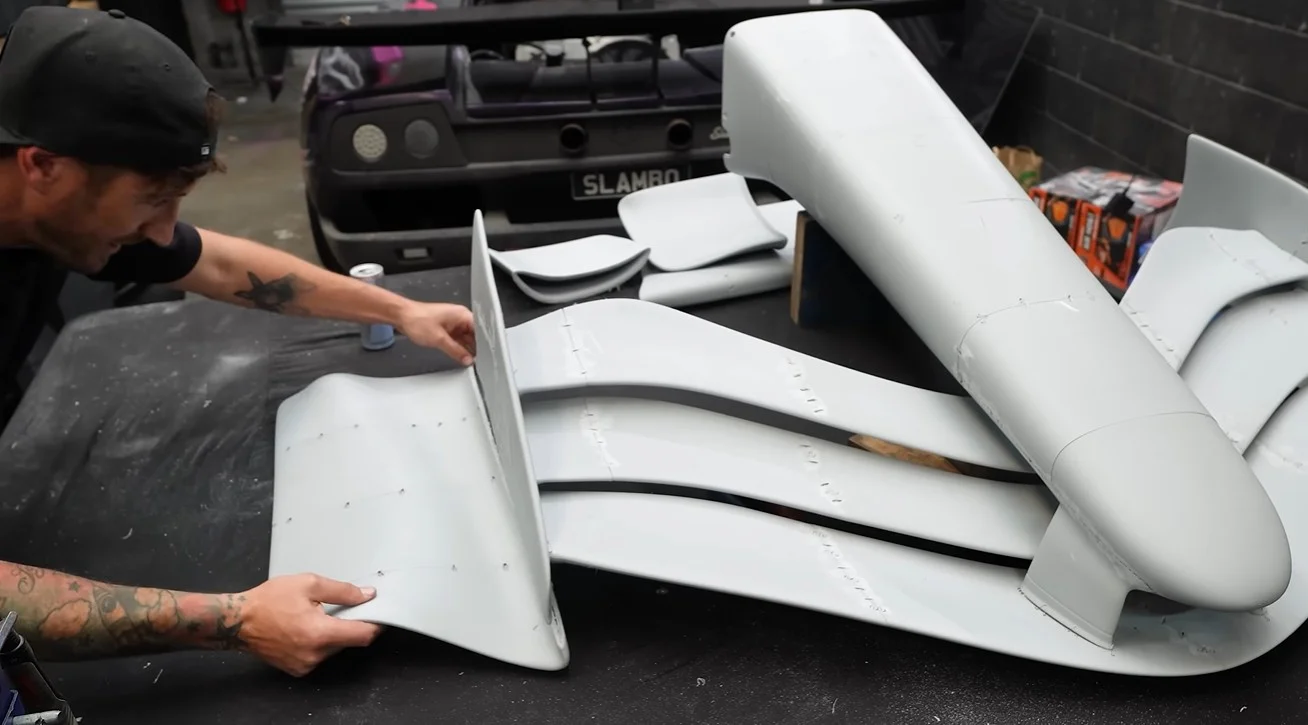
After a deep clean and a compression test, the team confirmed the engine is healthy and ready to run.
Using 3D-printing meant that custom mounts and cooling ducts fit the 2026 body style perfectly.
Eleanor Baillieu, an Australian automotive commentator and co-host of the Paddock 43 podcast, notes that the scale of the work is a significant achievement for an independent shop.
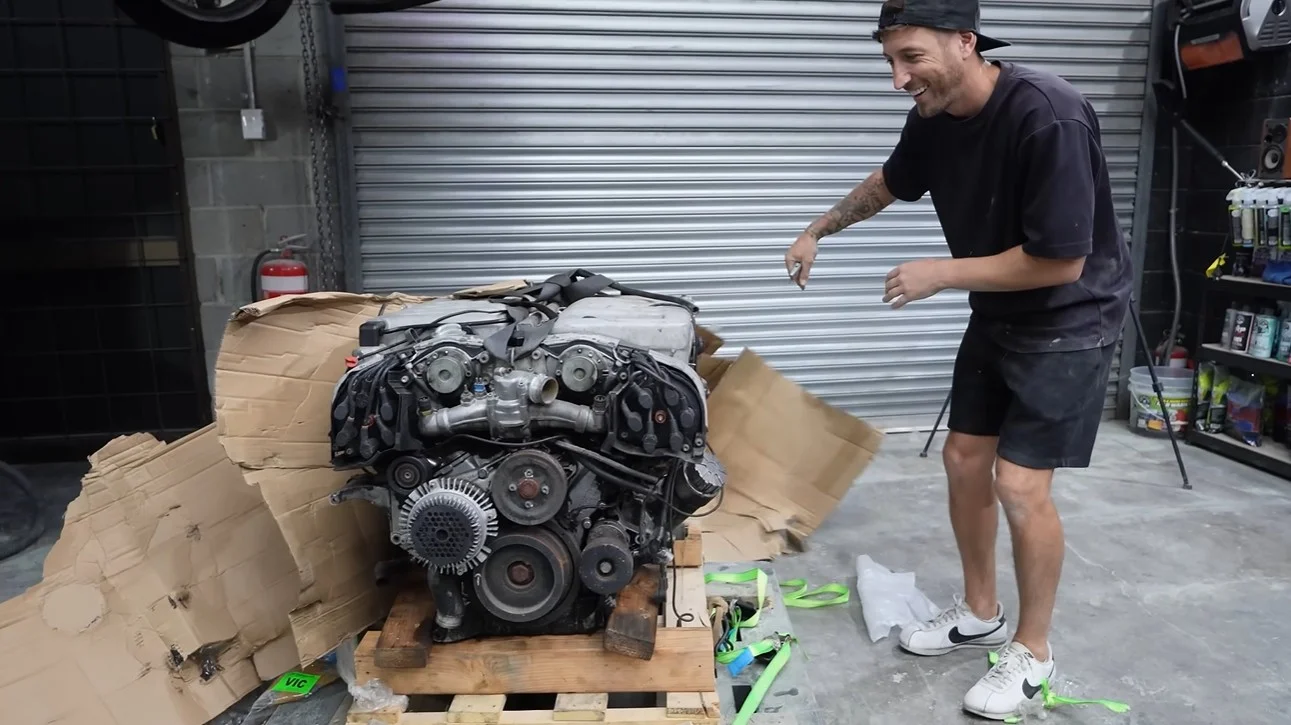
“Attempting to package a V12 of this size into a modern open-wheel silhouette is an immense task,” Baillieu says.
“Using 3D-printing to solve those clearance and mounting issues is a massive feat of engineering.”
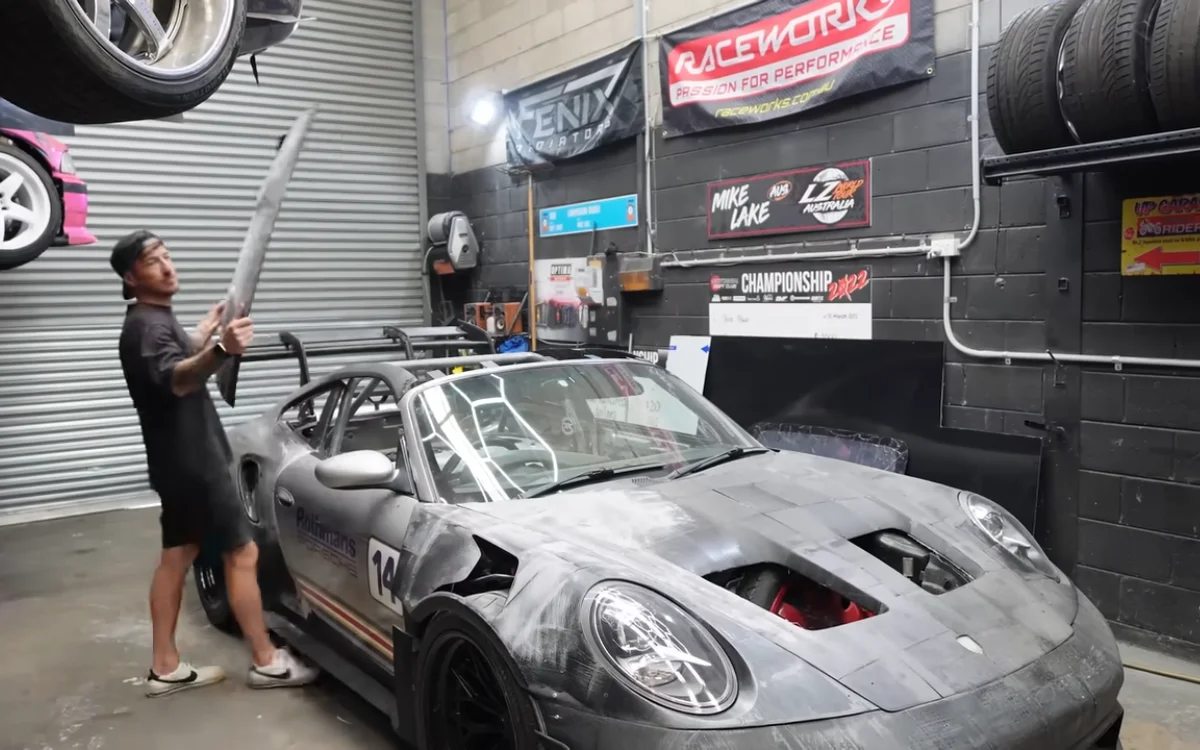
Since this car is actually meant for drifting, making sure the 3D-printed parts are strong enough is a major priority.
The team is currently fitting the printed panels onto a custom metal frame to handle the weight of the Mercedes V12.
Related

The future of DIY race cars
Mixing a Mercedes V12 with a chassis made through 3D-printing shows what is possible for independent builders today.
The team is currently working on a 12-to-1 exhaust system to get the best possible sound out of the M120 engine.
As the 3D-printing for the floor and aero parts wraps up, the car is getting closer to its first real test.
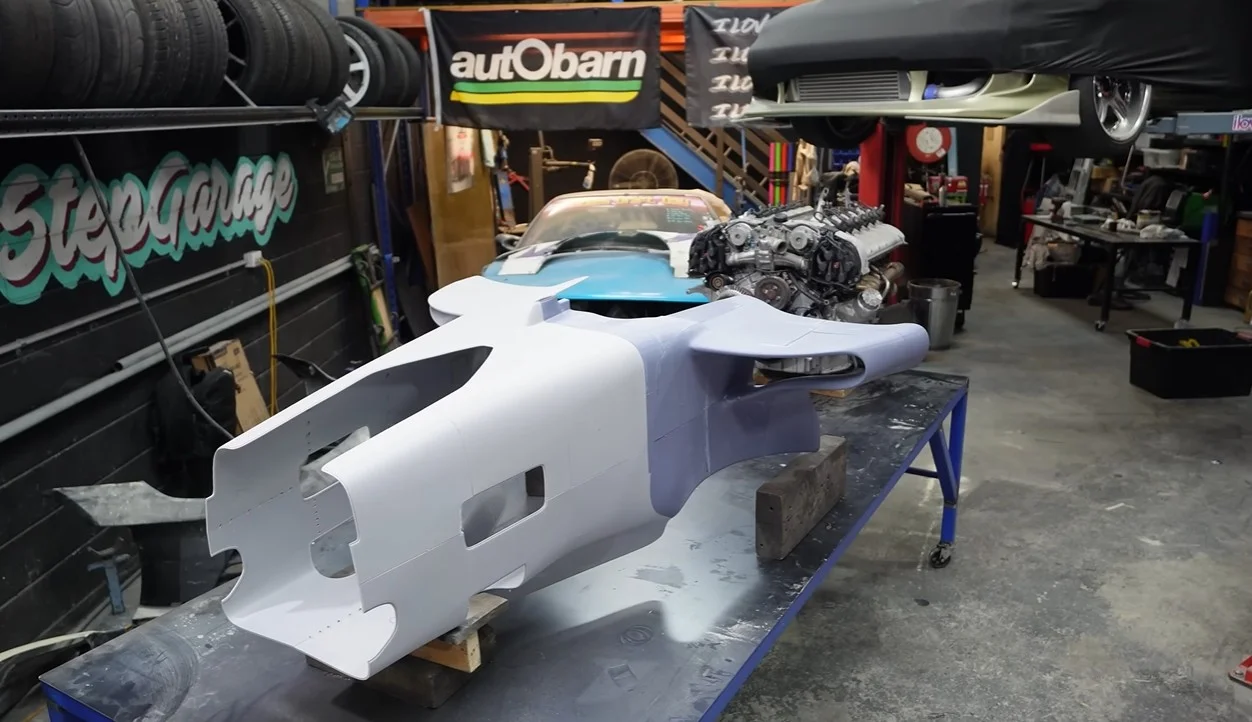
This project proves that you can combine old-school engines with new-school tech to build something unique.
Every part, from the nose cone to the rear gears, is being adjusted to make sure the car works as one solid unit.
Getting the M120 engine mounted is a huge step for the project.
The next stage involves the wiring and fuel systems needed to hear that V12 fire up for the first time.