Carbon fiber is being replaced in BMWs and this is the eco-friendly alternative that's taking its place
Published on Jul 27, 2026 at 1:11 AM (UTC-4)
by Alessandro Renesis
Last updated on Jul 27, 2026 at 1:11 AM (UTC-4)
Edited by
Mason Jones


BMW is quietly revolutionizing the car world by working on an alternative to carbon fiber.
Carbon fiber is an amazing material, but it comes with its cons.
The main reason automakers still use it is because of its unmatched stiffness and extreme lightweight properties, and no one has found a suitable alternative.
Now, BMW is working on that.
The reason why BMW wants to replace carbon fiber
‘Sustainable’ is the buzzword of this era, but as cliché as it sounds, the main reason why carbon fiber is being criticized is that it isn’t particularly sustainable.
It is very difficult and expensive to produce, and even more difficult to recycle.
Automakers use it because it looks cool and sounds good for marketing, obviously, but also because it is objectively a spectacular material.
It’s incredibly sturdy and resistant, and yet it’s lightweight.
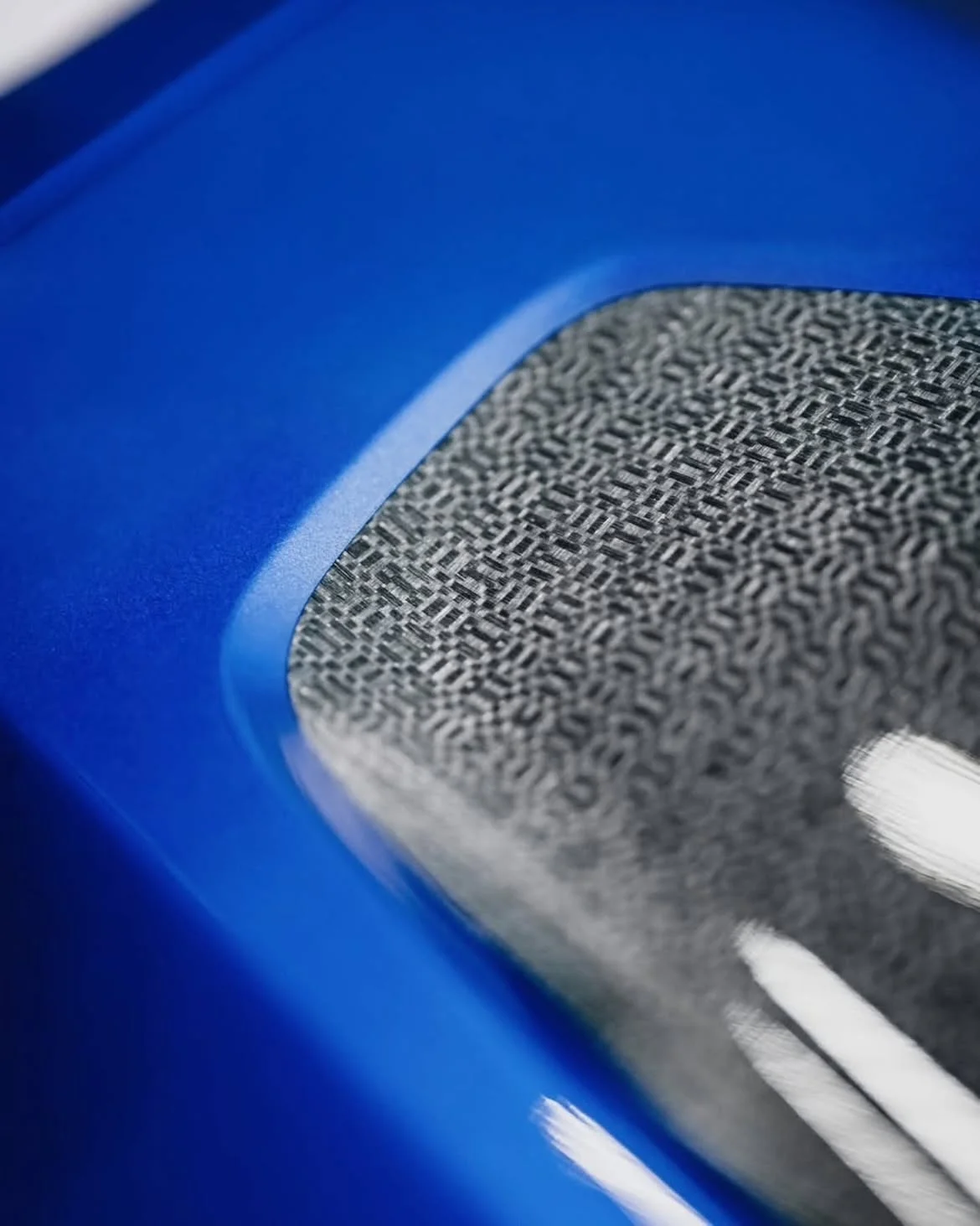
Most materials that automakers use are either one or the other: they’re either very tough but heavy, like steel, or very lightweight but brittle, like fiberglass.
Carbon fiber is the best of both worlds.
But in order to find an eco-friendly solution, BMW is working on something else.
Related



This is what BMW is working on
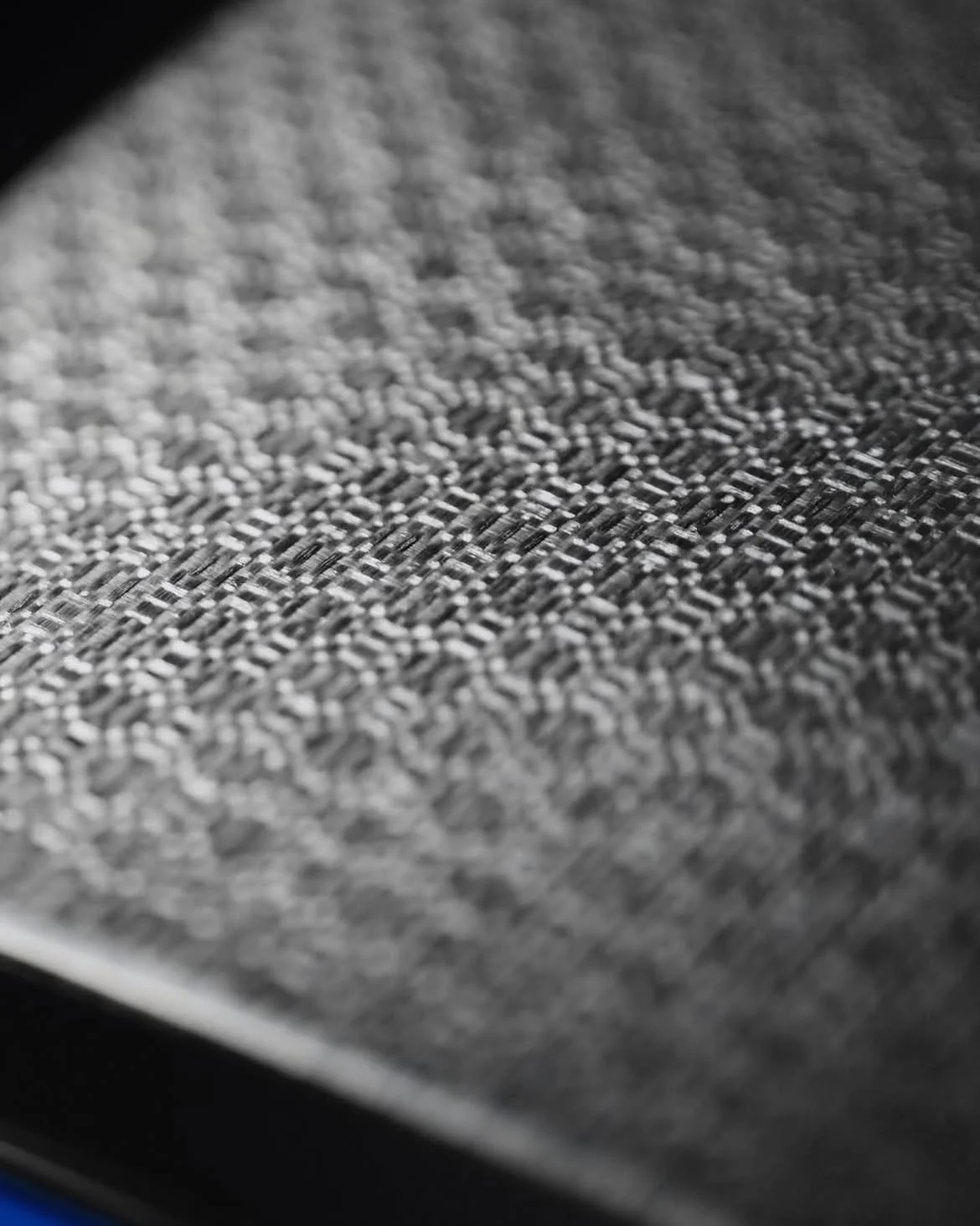
BMW’s M division is working on a new type of high-performance material to replace traditional carbon fiber with an innovative, plant-based flax fiber composite, which will eventually be used across future performance models.
Developed in partnership with Swiss cleantech specialists Bcomp, the lightweight composite is far more than a concept.
It is already being track-tested as we speak, and so far it’s going great.
The material is durable and lightweight.
The new material retains the weave appearance and rigid, high-performance characteristics expected from carbon fiber, but it is around 60 percent more efficient to produce.
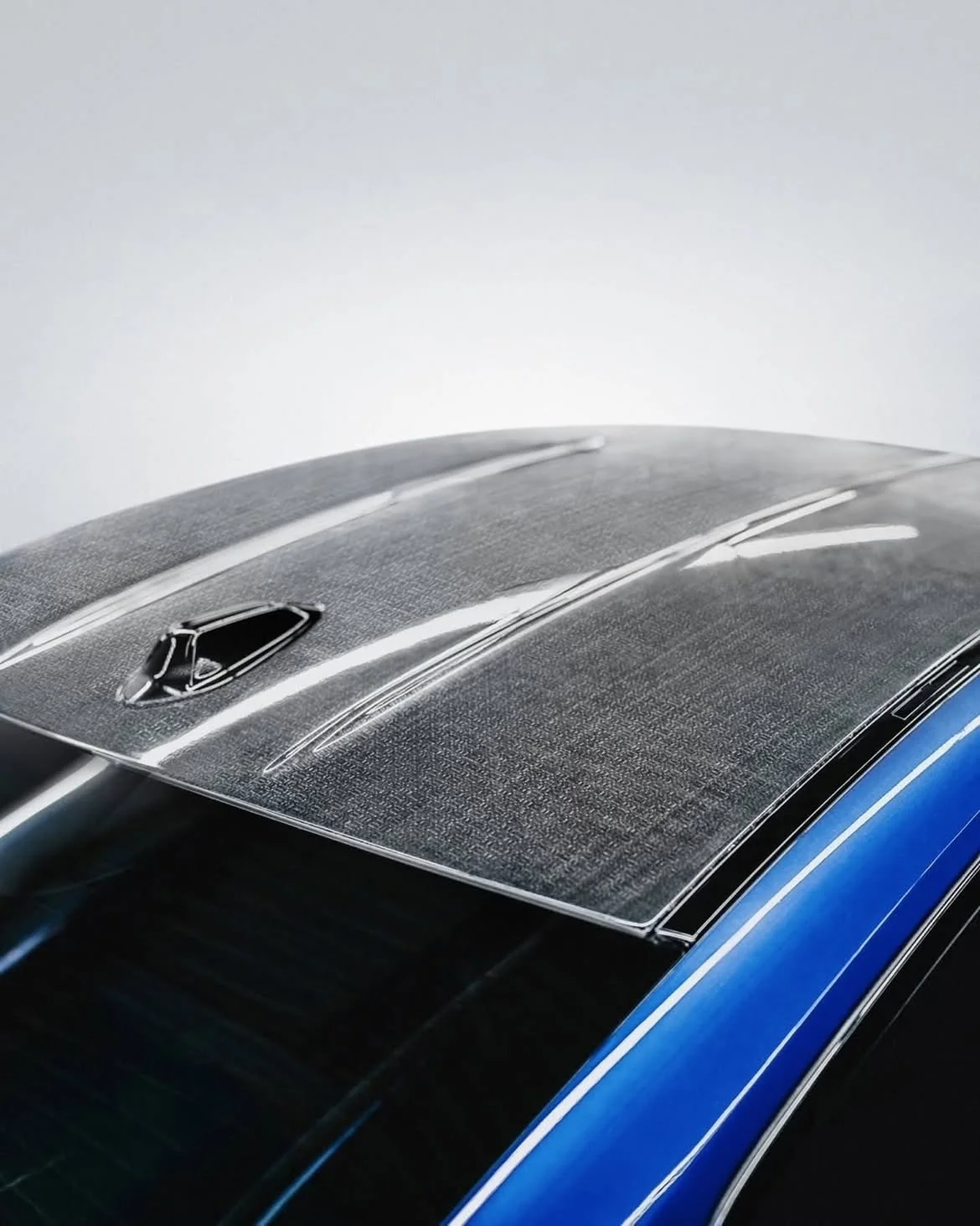
This is how the new material is made
Manufacturing flax fiber composites relies on turning natural crop stems into ultra-rigid, automotive-grade parts through four main steps.
Flax plants are harvested and the stems undergo ‘retting’ – which is a process that allows long fibers to be separated from the inner woody core.
In the second phase, the separated flax fibers are aligned and spun into yarns designed specifically for mechanical applications.
With the third phase, the yarns are woven into structural fabrics to match carbon fiber’s stiffness without added weight.
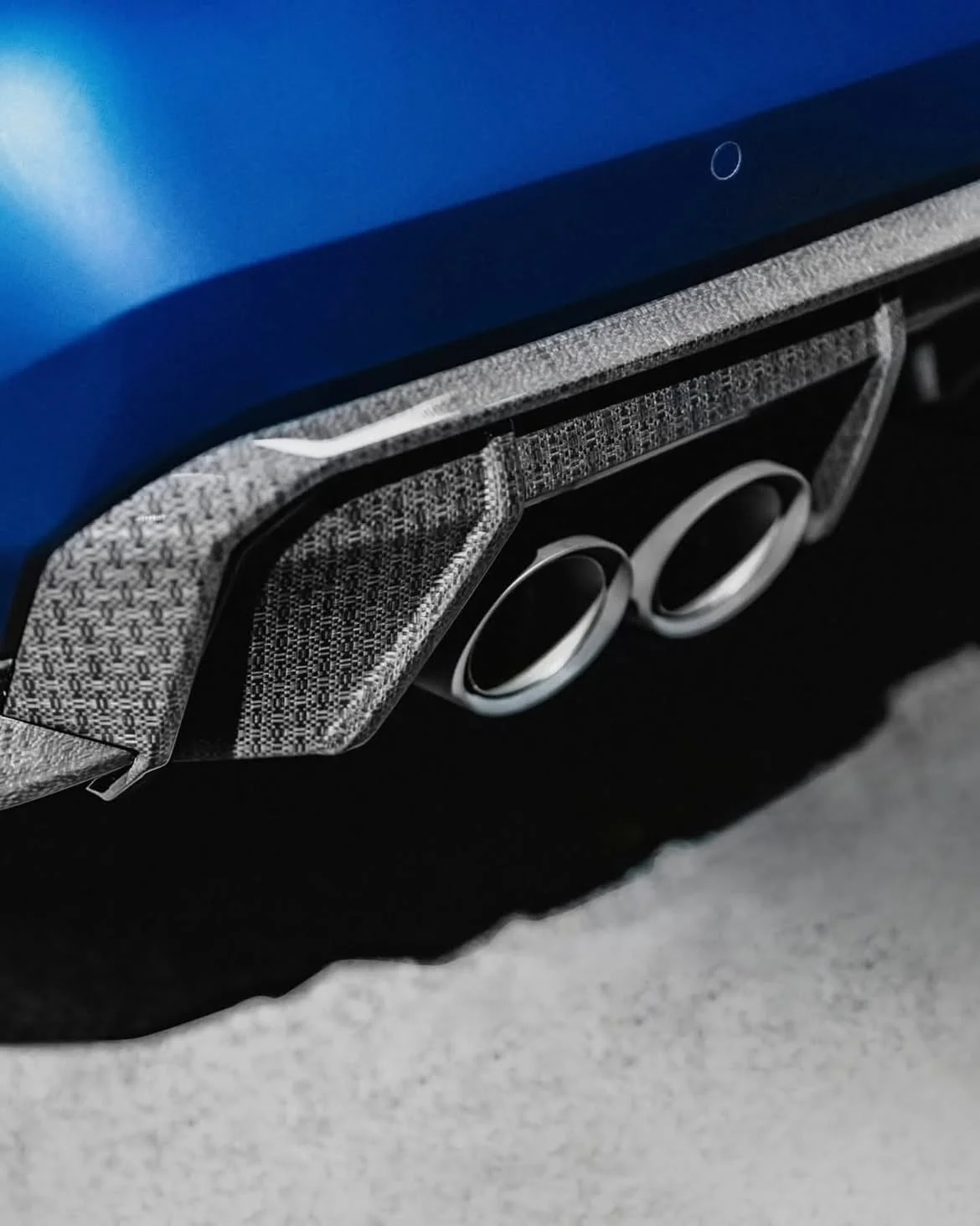
The fourth and final phase involves the use of bio-based (or standard) epoxy resin molded and infused into the fabric.
The result is a material that’s apparently just as stiff as carbon fiber, and just as lightweight.
But, interestingly, there’s a bonus safety advantage.
Carbon fiber shatters upon high-speed impact.
By contrast, flax composites bend, which theoretically makes it even safer.
Alessandro is an automotive journalist with 10 years of experience covering supercars, automotive history, emerging vehicle technology, and luxury transportation. He wrote the first article published on SupercarBlondie.com when the website launched in 2022 and has since built a reputation for insightful reporting across the automotive and transportation industries. His expertise is grounded in hands-on experience. Alessandro has driven every Tesla model ever produced, from the original Roadster to the Cybertruck, and regularly covers the latest developments in electric vehicles and automotive innovation. His passion for transportation extends beyond cars, he has even flown a Boeing 787 Dreamliner simulator in Addis Ababa, Ethiopia. His reporting spans everything from classic American muscle cars and rare automotive discoveries to luxury yachts, private aircraft, high-end watches, and cutting-edge vehicle technology. Known for his deep knowledge of automotive history and ability to uncover the stories behind iconic vehicles, Alessandro brings readers a blend of historical context, technical expertise, and first-hand experience.