BMW's Neue Klasse is introducing a huge range of innovative new safety features that are designed to prevent crashes well before they happen
Published on Sep 27, 2026 at 1:55 PM (UTC-4)
by Alessandro Renesis
Last updated on Sep 28, 2026 at 4:17 AM (UTC-4)
Edited by
Mason Jones
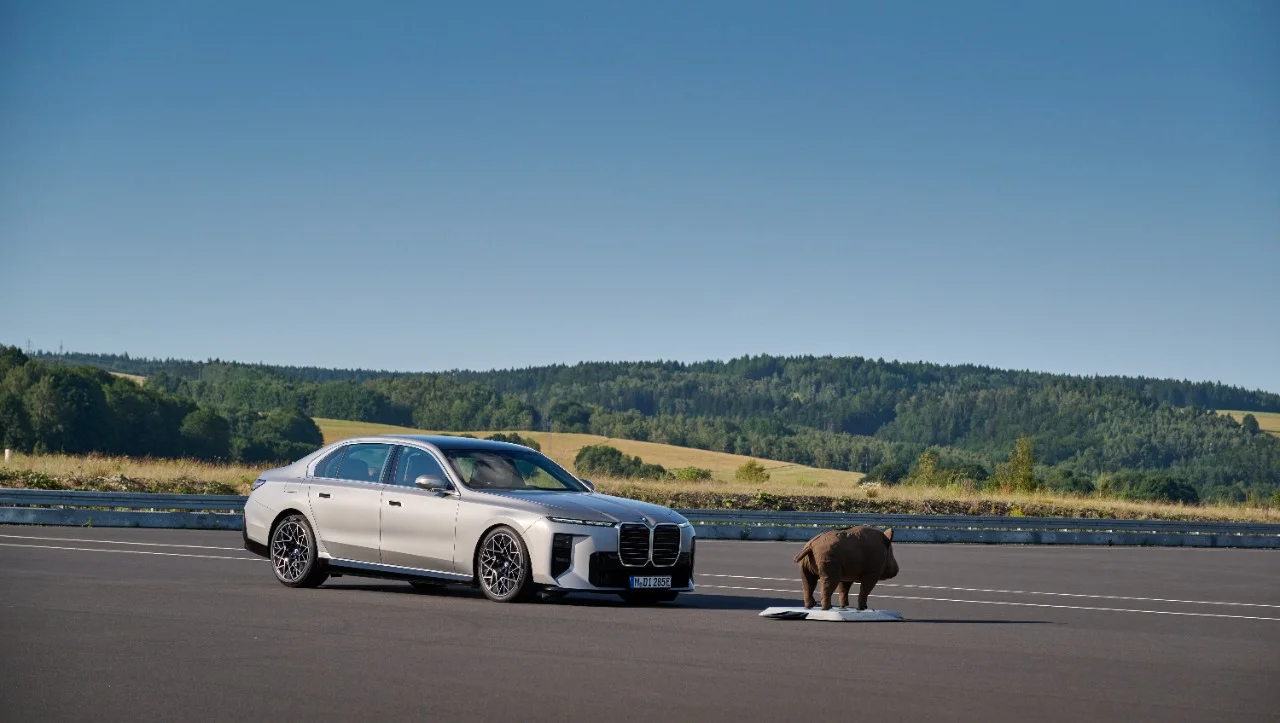

With Neue Klasse, BMW is reinventing the way safety features work in a car.
In addition to the usual array of ADAS, the new Neue Klasse BMWs will introduce new features that will make driving safer.
It’s unclear whether these features will be standard or optional extras.
The evolution of advanced driver-assistance systems
Advanced driver-assistance systems – or ADAS – have been around for a long time, but they are becoming the norm.
In fact, some of these ADAS are actually mandatory in certain markets.
We started with simple things like cruise control – although some might argue that power steering and ABS already fall under the ADAS category – and now there are so many more.
Lane assist, parking assist, alerts, warnings, cruise control – you name it.
It’s a long list, and it’s getting longer.
In fact, self-driving cars, in a way, are made possible by the evolution of these driver-assistance systems.
The auto industry has made fast progress.
After the introduction of the ABS, power steering and traction control, nothing much happened for almost a decade.
Then, around 10-15 years ago, things like rudimentary cruise control system and beeping parking sensors had already become quite common.
Now, we have 360-degree cameras, all kinds of sensors including LiDAR, and these systems are so good that, in some cases, cars can park themselves.
But BMW is going to the extra mile.
Related
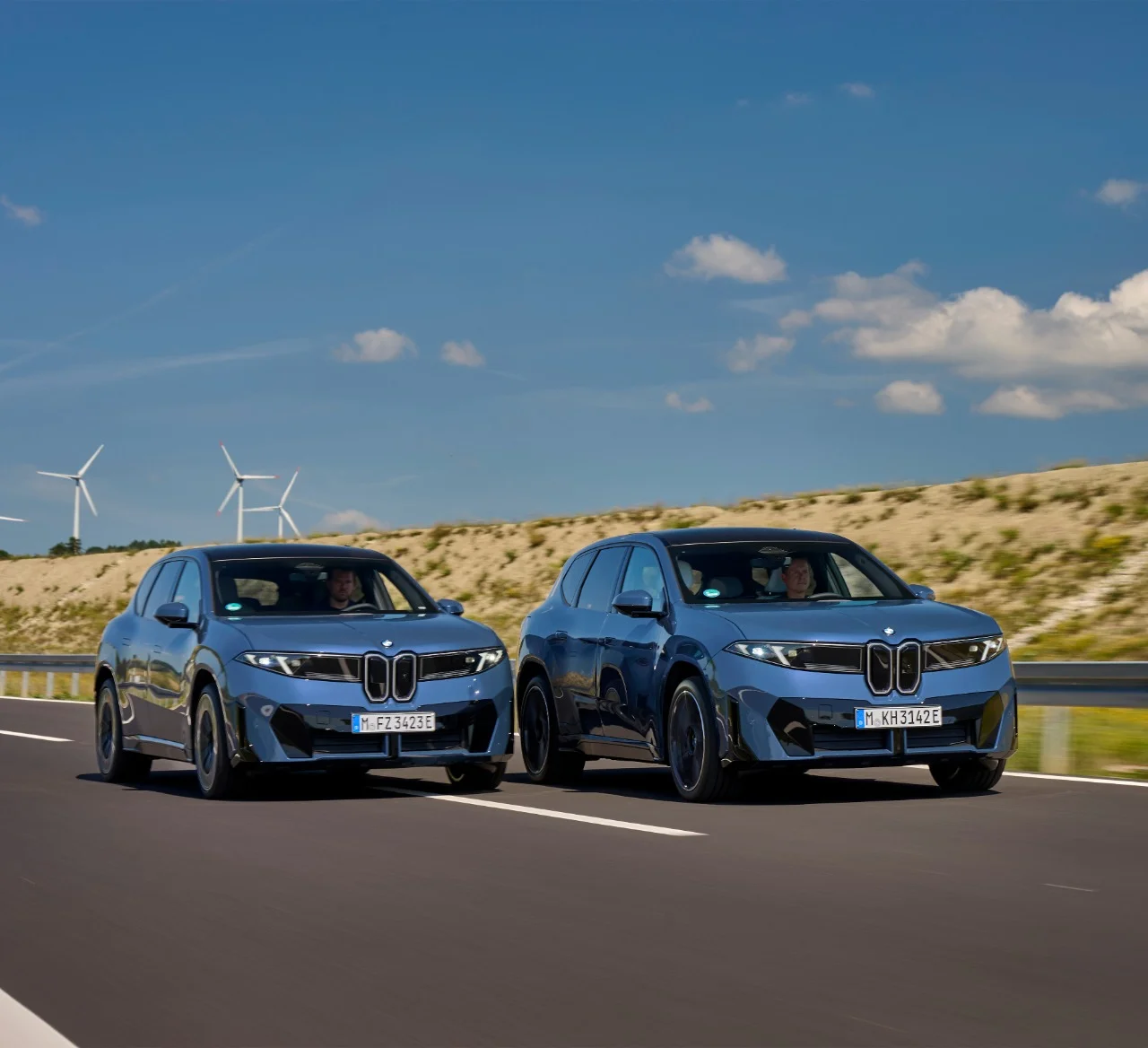
Neue Klasse is introducing more features
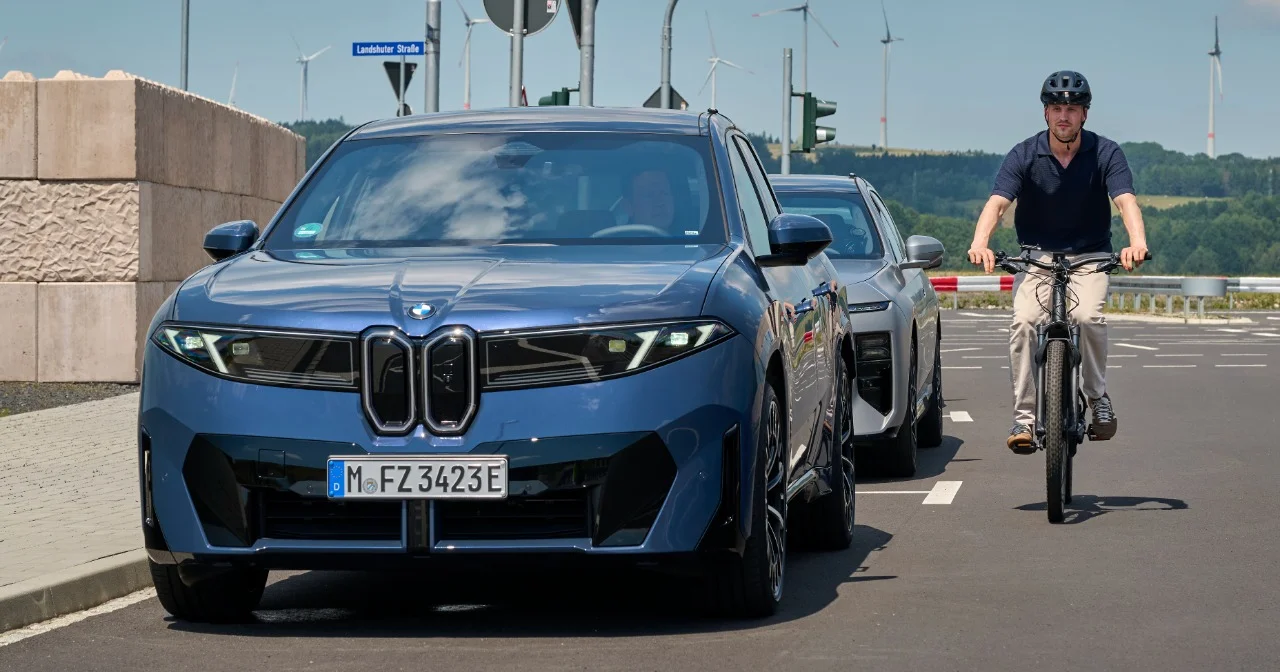
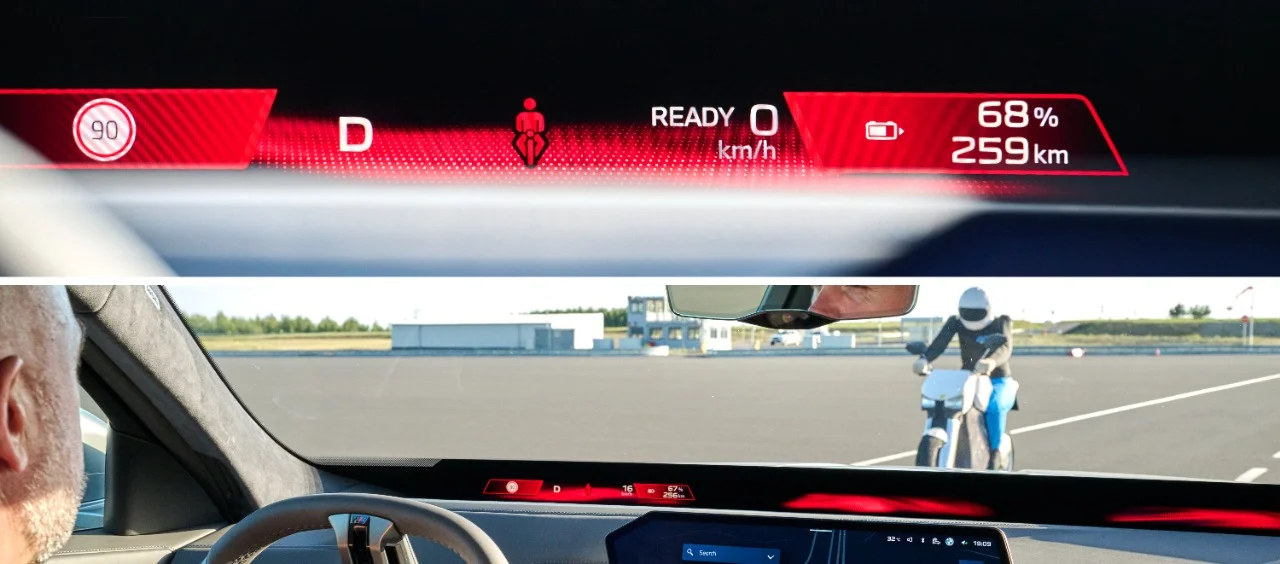
The upcoming Neue Klasse platform introduces new driver-assistance technology engineered to prevent collisions before they happen.
The idea is to protect drivers from unpredictable situations.
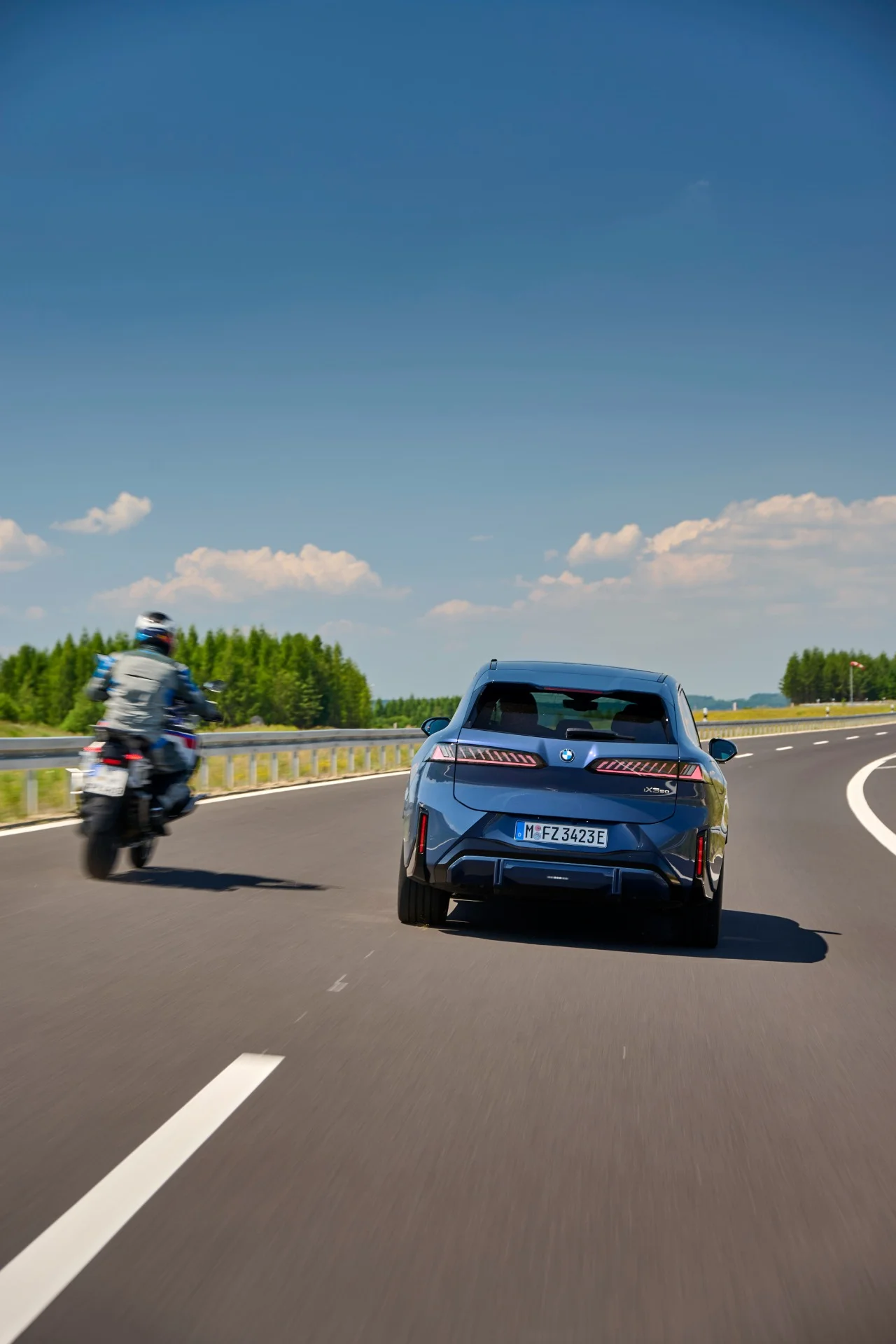
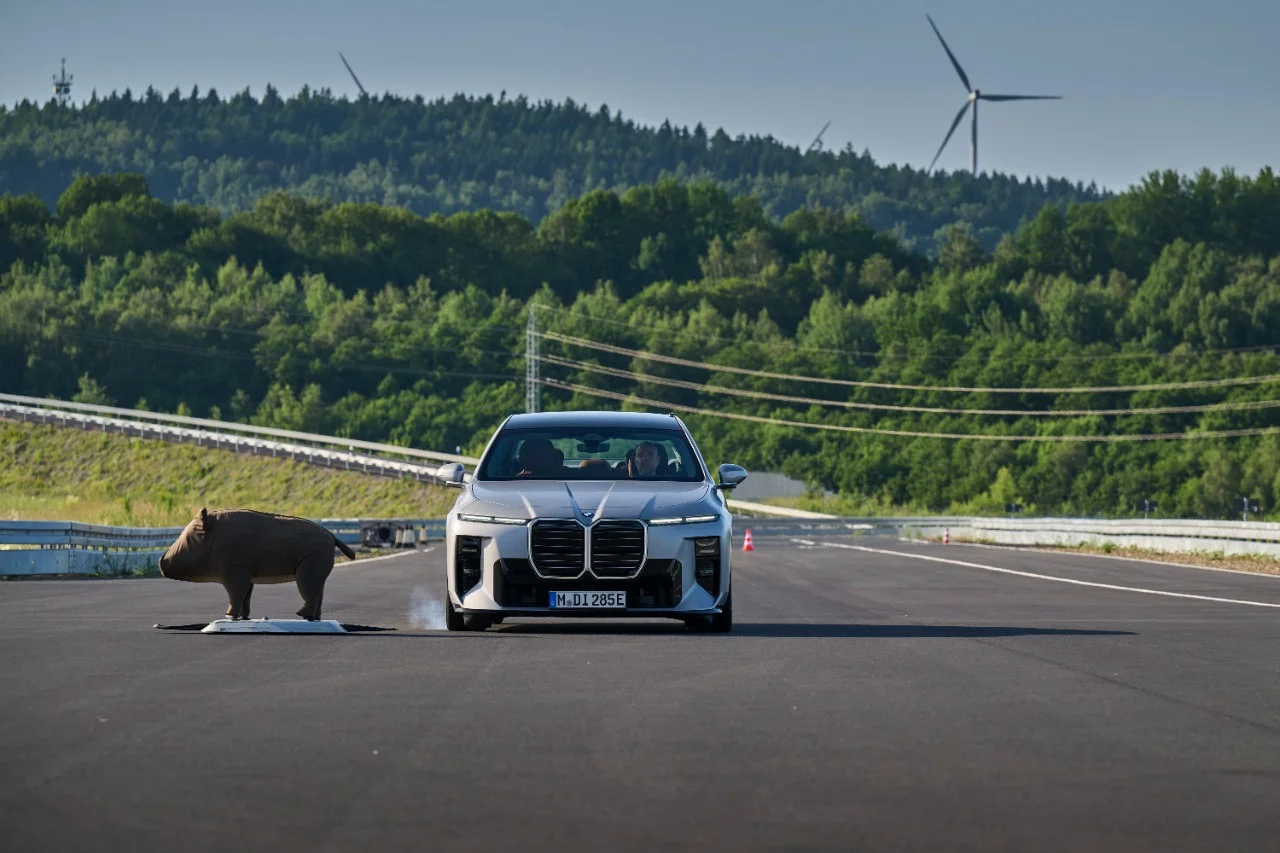
For example, there are various emergency steering systems that actively dodge merging motorcycles or sudden wildlife crossings.
And, of course, distracted pedestrians.
There are also low-speed sensors monitoring blind spots during reverse parking maneuvers and more sensors that prevent door-opening accidents when cyclists or pedestrians pass by.
It certainly makes driving safer, both statistically and in a real-world sense, but it also makes the car 100 percent dependent on technology.
Critics have long argued that there are at least two major drawbacks to this.
First, what if there’s a glitch?
It may not be an apples-to-apples example, but flush door handles – i.e., handles hidden in the doors that stick out automatically when you open the car – are now being quickly either phased out or outlawed.
And this is happen precisely because automakers discovered that they can glitch after a crash and trap owners inside.
No technology is fail-safe, and over-relying on it leaves us exposed.
Second, many argue that by relying too heavily on tech, we’re basically unlearning how to drive, and we’re also lowering our attention levels at the wheel.
In other words, people might get careless because ‘the car will fix it anyway’.
The big question everyone’s asking: what if the car won’t?
For now, the answer is in the numbers.

Total accident numbers look high today simply because there are far more drivers on the road than ever before.
However, when you look at crash rates per mile driven, the data shows that key ADAS features – like automatic braking – are measurably preventing collisions.
Alessandro is an automotive journalist with 10 years of experience covering supercars, automotive history, emerging vehicle technology, and luxury transportation. He wrote the first article published on SupercarBlondie.com when the website launched in 2022 and has since built a reputation for insightful reporting across the automotive and transportation industries. His expertise is grounded in hands-on experience. Alessandro has driven every Tesla model ever produced, from the original Roadster to the Cybertruck, and regularly covers the latest developments in electric vehicles and automotive innovation. His passion for transportation extends beyond cars, he has even flown a Boeing 787 Dreamliner simulator in Addis Ababa, Ethiopia. His reporting spans everything from classic American muscle cars and rare automotive discoveries to luxury yachts, private aircraft, high-end watches, and cutting-edge vehicle technology. Known for his deep knowledge of automotive history and ability to uncover the stories behind iconic vehicles, Alessandro brings readers a blend of historical context, technical expertise, and first-hand experience.