Guys get to witness the first BYD Flash Charging in Europe which sees EV go from 10% to 97% in 9 minutes and they explain how it works
Published on Apr 16, 2026 at 5:00 AM (UTC-4)
by Callum Tokody
Last updated on Apr 16, 2026 at 12:28 PM (UTC-4)
Edited by
Mason Jones
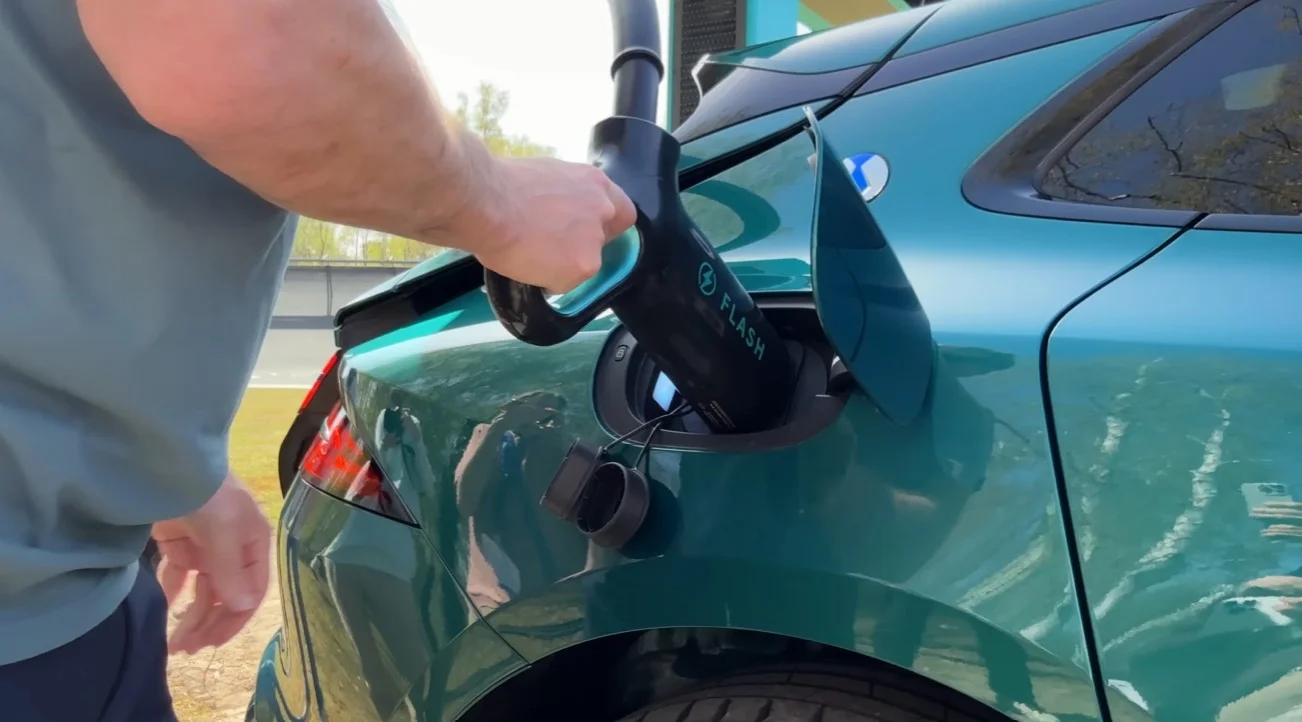

European transit just experienced a massive shift in EV technology as a 1.5 megawatt charger successfully executed the first BYD Flash Charging session on the continent.
This live demonstration proved that high-capacity batteries can now regain a huge amount of range in the time it takes to grab a coffee.
The setup used a specialized battery storage unit to push massive amounts of energy into a vehicle at speeds we haven’t seen before.
A closer look at the data from this session reveals exactly how close we are to ending the long-distance charging struggle.
Real world BYD Flash Charging speeds
A recent live session with the Denza Z9 GT showed how BYD Flash Charging actually works outside of a lab.
Out of Spec Roaming captured the car starting at 10 percent before hitting 20 percent in just 48 seconds.
By the two-minute mark, the battery had already climbed to 40 percent.
These results suggest that electric vehicles are finally catching up to petrol cars when it comes to how long you spend at a ‘pump’.
The hardware making this happen is a liquid-cooled megawatt charger that peaks at 1,500 kW.
To handle the heat from all that power, BYD built its own custom cables and connectors.
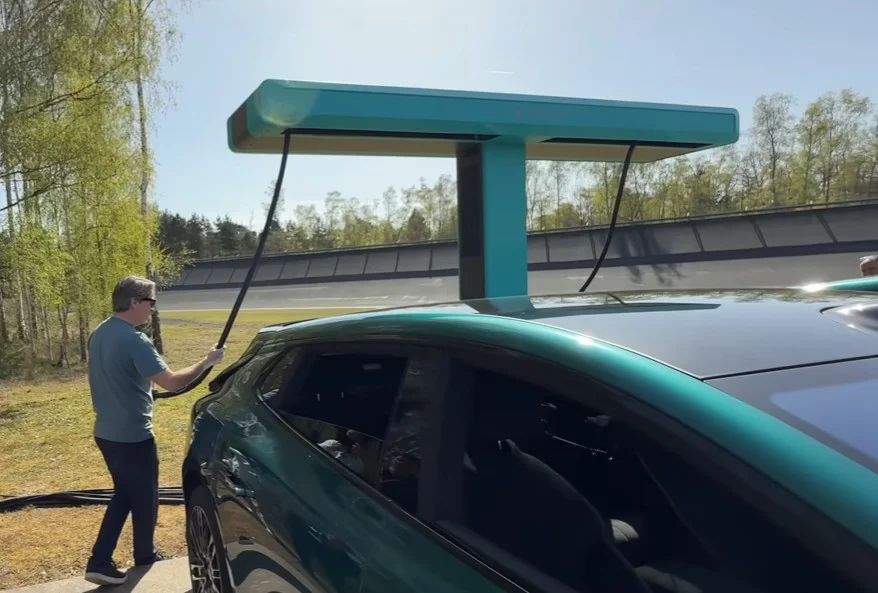
The charging station uses an overhead arm to keep these heavy cables suspended.
This keeps the gear off the ground and makes the connector much easier to lift and plug in.
Even as the battery got fuller, the charging speed stayed high.
The car hit 70 percent in five minutes and 20 seconds without slowing down much.
The whole session ended at 97 percent after exactly 9 minutes and 22 seconds of charging.
Data from this BYD Flash Charging test suggests that the megawatt charger infrastructure is ready for heavy use.
Automotive presenter and host of the Paddock 43 podcast, Eleanor Baillieu, notes that this level of speed is exactly what the industry needs to move forward.
“The biggest hurdle for EV adoption has always been that comparison to the convenience of a petrol car,” Eleanor says.
“We are used to refueling in minutes, or even seconds, and then getting straight back on the road.
“Seeing these charging speeds increase so dramatically is a game-changer.
“It bridges that gap between internal combustion and electric, making EVs a genuine, no-compromise alternative for those of us who spend a lot of time behind the wheel.”
Scaling the megawatt charger network
How useful this EV technology becomes depends on how many megawatt charger stations actually pop up.
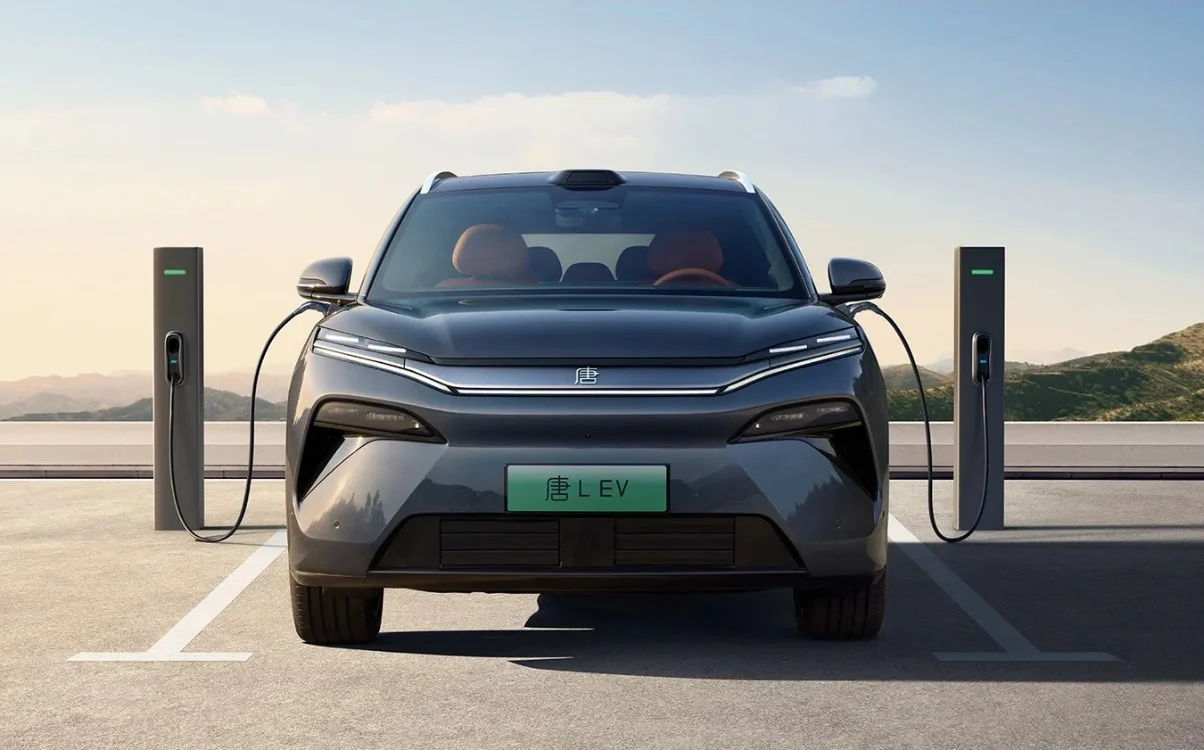
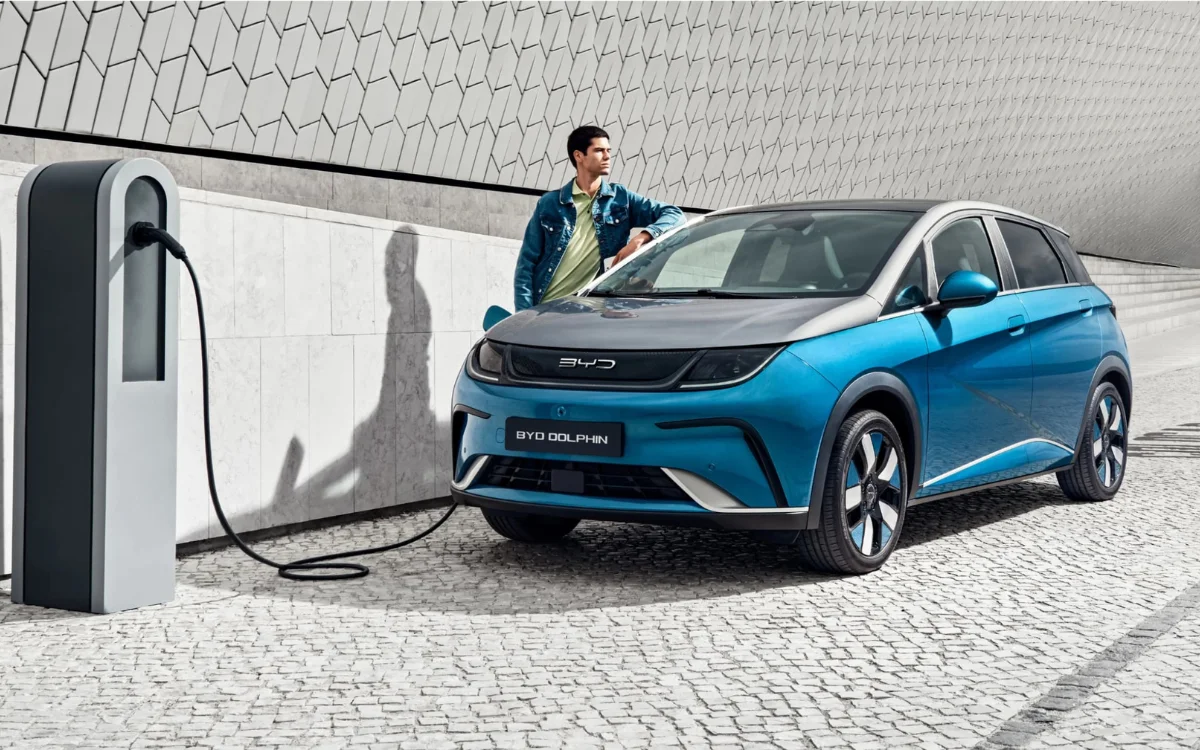
BYD wants to put these BYD Flash Charging hubs along major European motorways.
Moving these chargers away from dealerships and onto the actual highway is a necessary step to make them convenient.
The tech inside relies on the second-generation Blade Battery, which uses a new cell design for better stability.
This updated battery can handle massive amounts of power without getting too hot.

While this is only on high-end cars for now, the tech should eventually move into more affordable models.
The main goal for engineers is to stop drivers from sitting around in car parks for an hour.
As 1.5 megawatt charger stations become more common, the industry will focus on keeping these speeds consistent in all weather conditions.
Experts will be watching the rollout to see how the gear holds up with constant public use.
This evolution in EV technology marks a turning point for the industry.