Man travels to China to see how it became the world's biggest EV powerhouse and what he finds completely changes how he views the global car industry
Published on Jul 28, 2026 at 9:10 AM (UTC-4)
by Ben Thompson
Last updated on Jul 28, 2026 at 9:55 AM (UTC-4)
Edited by
Kate Bain
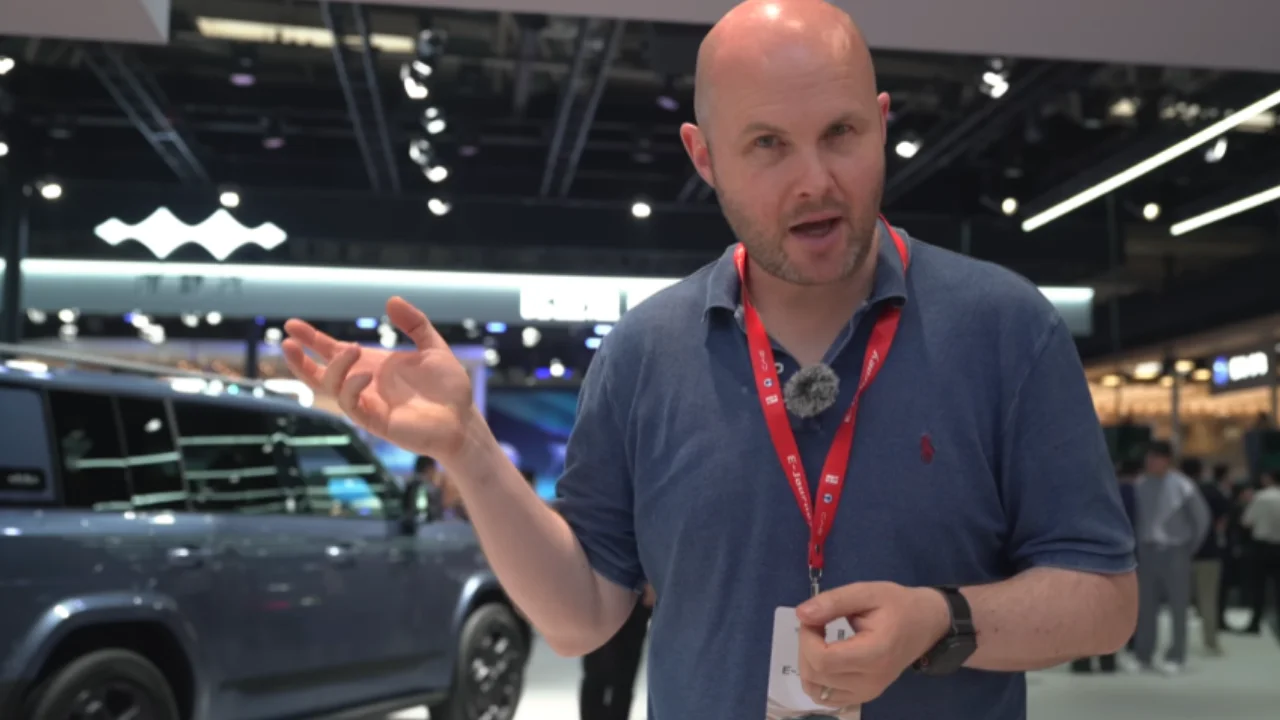

This man traveled to China to investigate just how it became the world’s biggest EV powerhouse, and what he learned along the way blew his mind.
It’s no secret that Chinese EVs have been enjoying an increased profile in recent years.
But what exactly is behind this astronomic rise?
One YouTuber decided to do his own investigation and said it changed his entire view on the global car industry.
Behind the rapid rise of Chinese EVs
Barely a week goes by without an extraordinary headline coming out about Chinese EVs.
And it’s no wonder, because the government takes an active interest in the industry, publishing a list of cars of the future every month.
Nowhere is China’s innovation more apparent than in its electric vehicle industry. At least right now.
With targets for EV domination and loopholes to meet said targets, the government is nothing but ambitious.
And at the head of that ever-growing market is BYD.
Why is the company continuing to dominate in markets around the world? That’s what YouTuber Nobby On Cars was committed to finding out.
Related
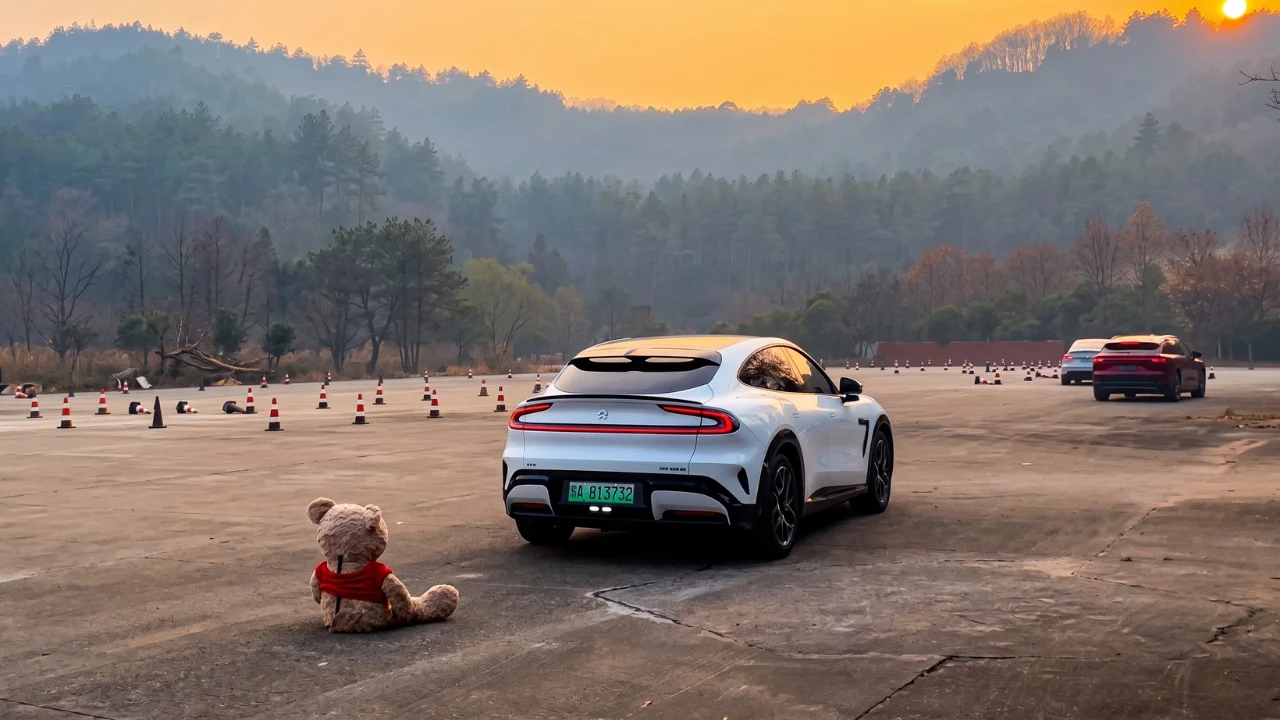
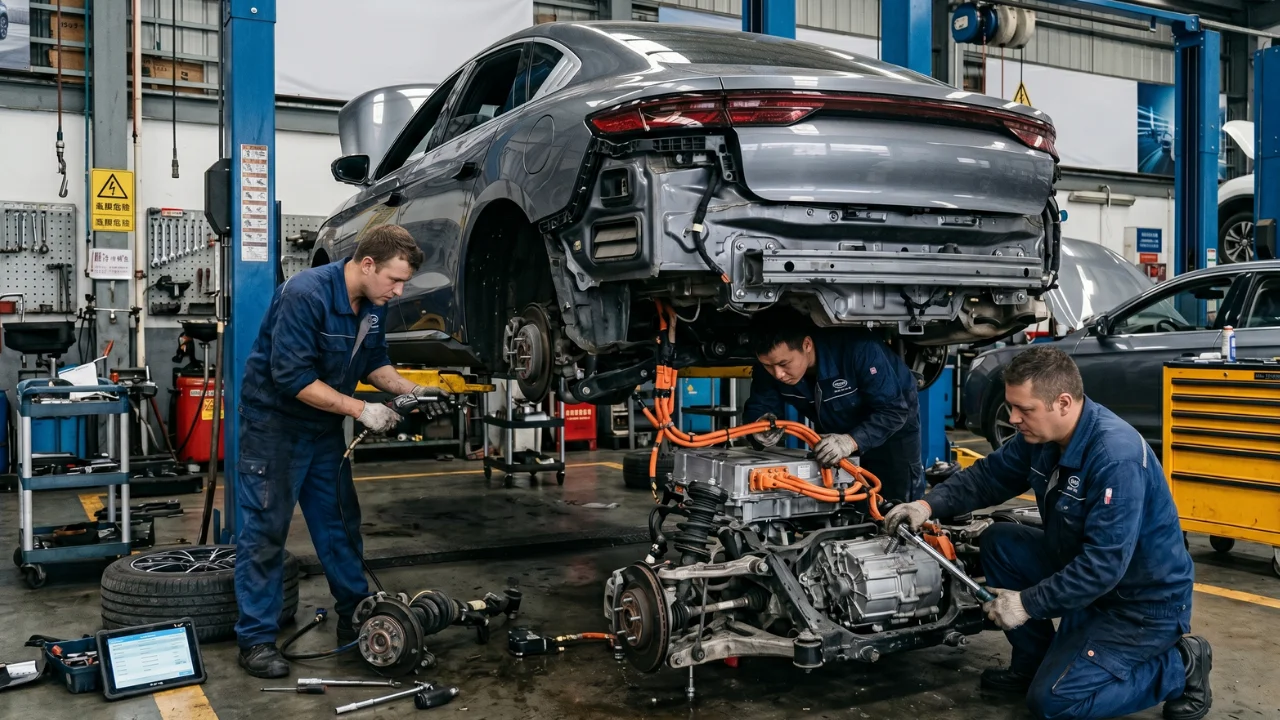
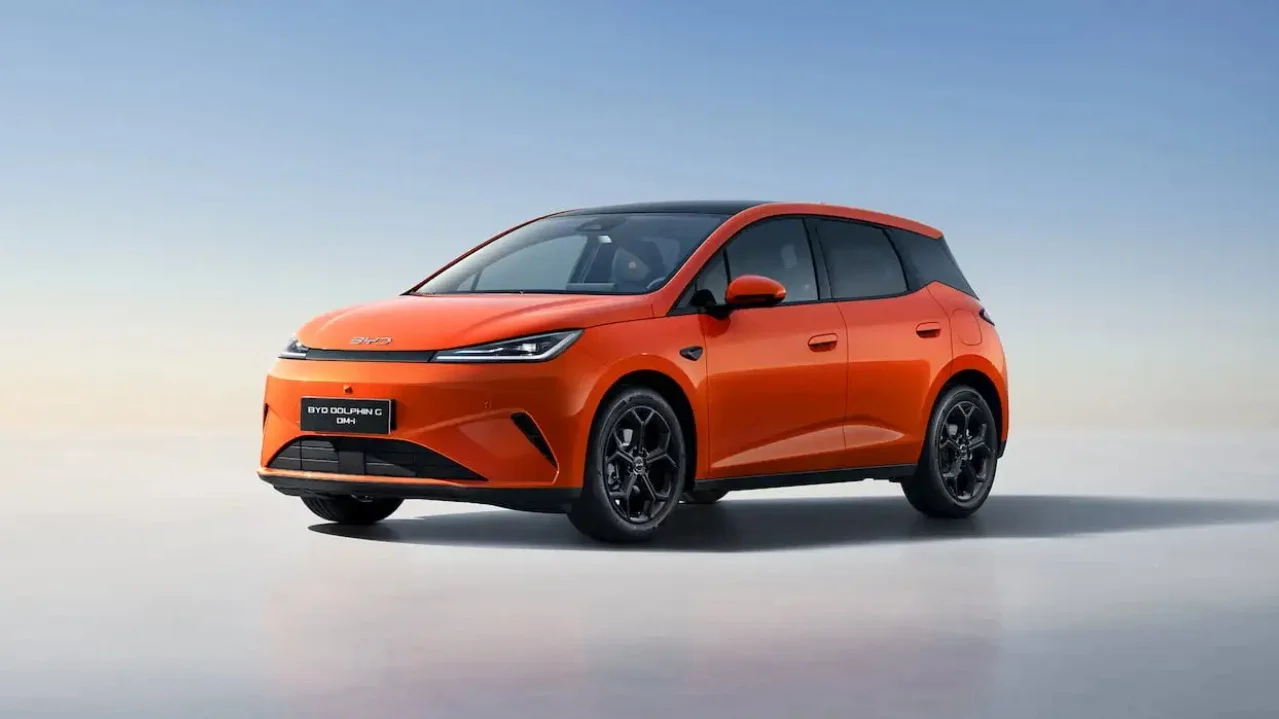
This YouTuber got a behind-the-scenes look at BYD, and what an EV powerhouse it was
During his trip to China, Mark Noble, the channel’s host, visited a BYD manufacturing plant.
He said two things set it apart from European factories right from the get-go.
“I’ve done many automotive factory tours from Škoda to Rolls-Royce, and BYD’s was certainly a little different,” he explained.
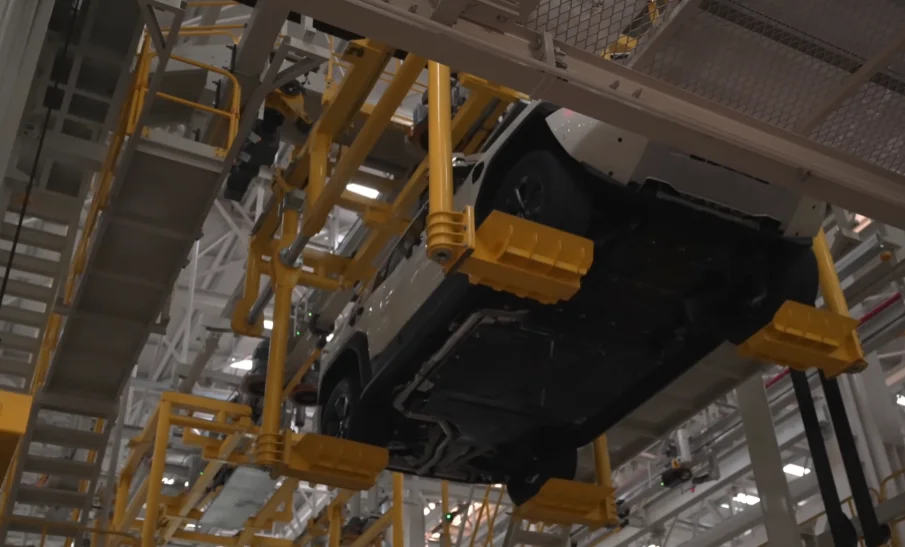
“Whilst the former are akin to walking through science labs, [at BYD] workers welded metal in front of us. Sparks flew over our heads and while I didn’t feel unsafe at any point, it was clear that working conditions in Europe were probably better overall for employees.”
So there was a noticeable difference in working conditions. What else?
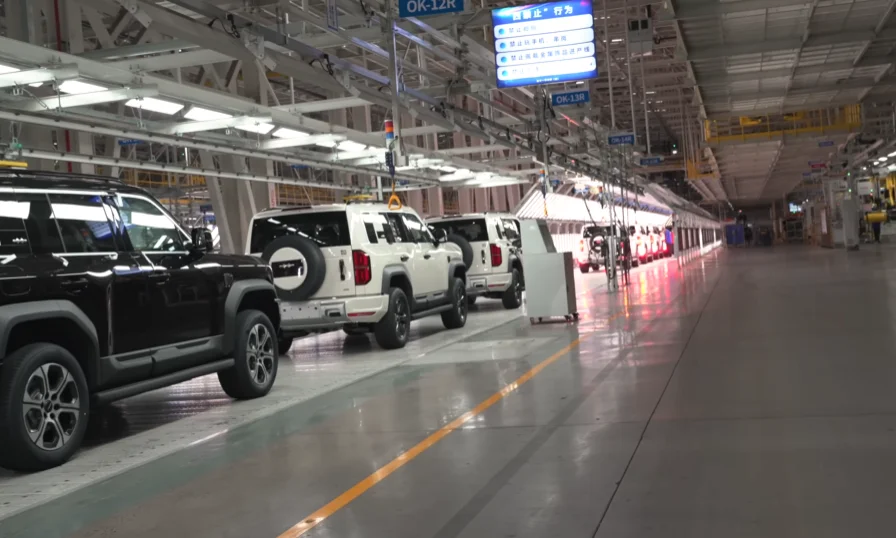
“Compared to those European factories that I visited, the degree of automation was a lot higher, and robots can obviously work all day and night producing parts for cars at a cost-effective price,” Noble said.
This should come as no surprise, as reports last indicated that China had built more robots in one year than the US had in 10 years.
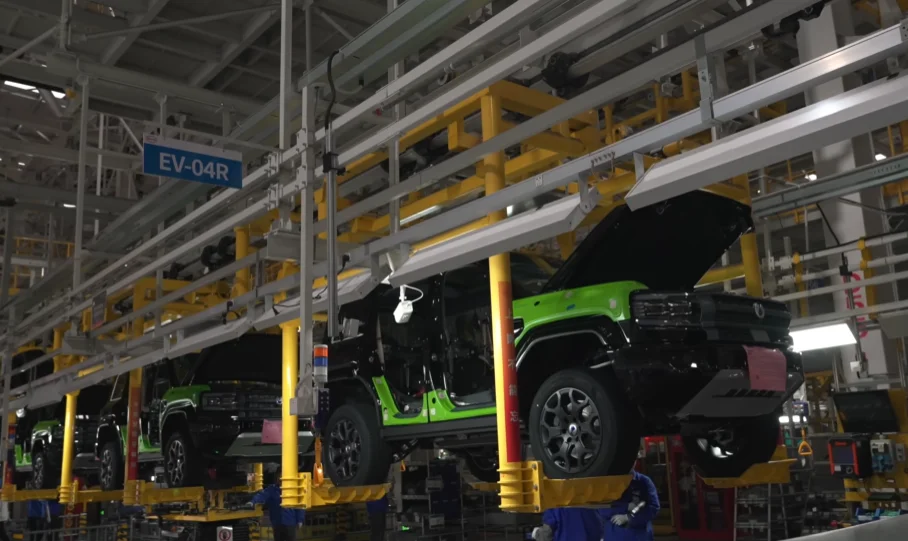
So the factories are where the EV powerhouse really comes alive.
But what do the cars look like on the finished end of the manufacturing line?
Nobby was pretty impressed with what he discovered.
What did he see at the Beijing Motor Show?
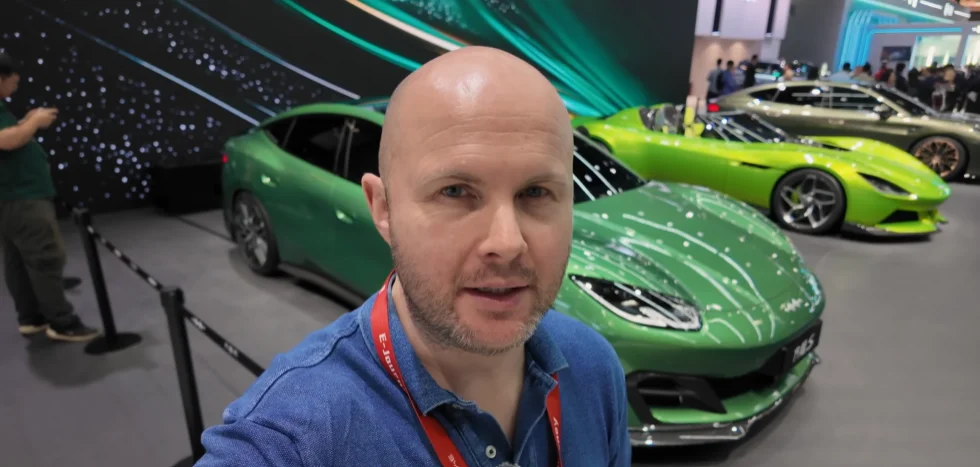
While in China, Noble visited the Beijing Motor Show to see what the offerings looked like.
With more than 350 EVs on display, he was spoilt for choice.
The Denza Roadster was there, capable of more than 1,000hp, a two-second 0-100km/h acceleration, and with high-end interiors.
Other cars on display included the YangWang U9, the FangChengBao series, and the BYD Shark.
A particular highlight, he said, was the YangWang U8, which was essentially a floating car.
In response to flash flooding in China, the U8 was designed to automatically seal its windows when it drove into deep water.
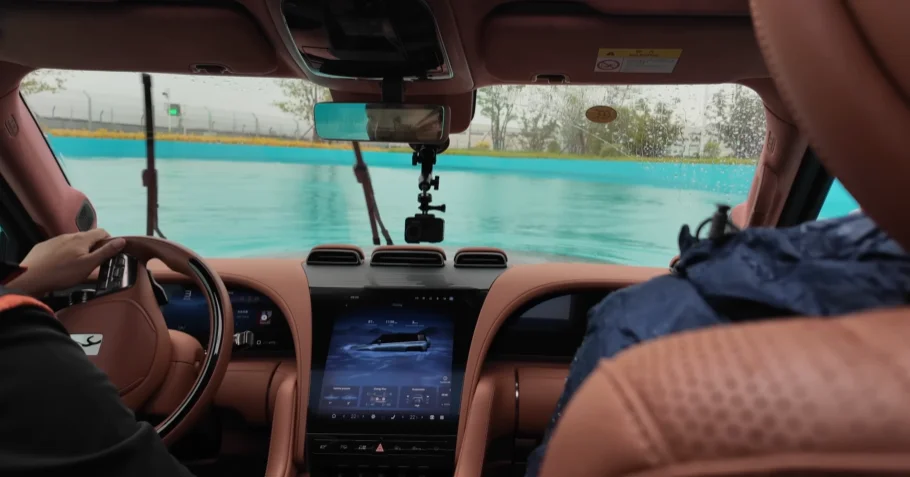
Not only that, but the sunroof would automatically open to allow for an escape, while the car would float safely for at least 30 minutes.
That’s impressive.

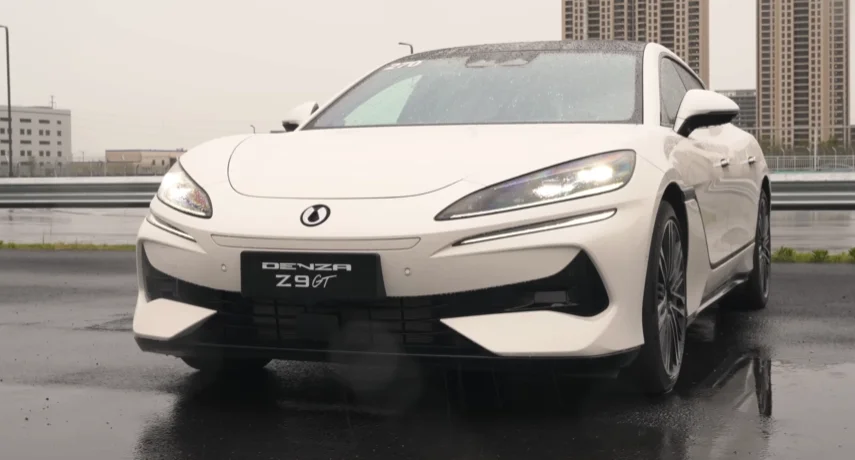
Then there was the crab-walking parking capabilities of the Denza Z9 GT, which has already enticed the internet before.
With this remarkable technology on display, he said it was no wonder that European manufacturers are feeling the pressure.
“We can certainly match the luxury end of the cars. We can certainly make prettier cars, but the technology involved, I’m not so sure right now,” Noble said.
When asked whether he thought Europe could catch up to China, he gave a nuanced answer.
“Europe will have to rework their way of producing cars drastically and that obviously has pros and cons,” he told Supercar Blondie.
“Our culture of work life balance here is better I believe, our wages are higher and there’s more jobs in the physical process of building cars.
“Automation will come at a cost of those jobs but seem to be key in the sheer volume of cars that China can produce.
“We can see that large markets are willing to embrace Chinese cars – look at Jaecoo and the UK for a prime example of that but if there’s a push from the likes of Germany and France to highlight the potential job losses that will occur, perhaps in theory Europeans will show some loyalty.
“In reality, I think they’ll still vote with their wallets and the most obvious way for the European brands to deal with this is to reduce head count and make building cars cheaper in the long run.”
The next few decades will be an interesting time for the world of cars.
Ben joined Supercar Blondie in February 2025 after being published by international organizations including LADbible, The Sun, the New York Post, and the Daily Mail. He covers supercars, rare and collectible vehicles, aviation, luxury assets, and the fascinating people behind them. His reporting has explored everything from seven-figure supercars and historic Ferrari collections to unusual aircraft adventures and extraordinary automotive discoveries from around the world. Ben has also gained first-hand insight into vehicle craftsmanship and customization, including visiting specialist workshops to see bespoke vehicles up close.