Commercial planes won't fly faster than 600mph despite there being technology that makes it possible and this is why
Published on Sep 05, 2026 at 5:54 AM (UTC-4)
by Alessandro Renesis
Last updated on Sep 05, 2026 at 5:54 AM (UTC-4)
Edited by
Mason Jones
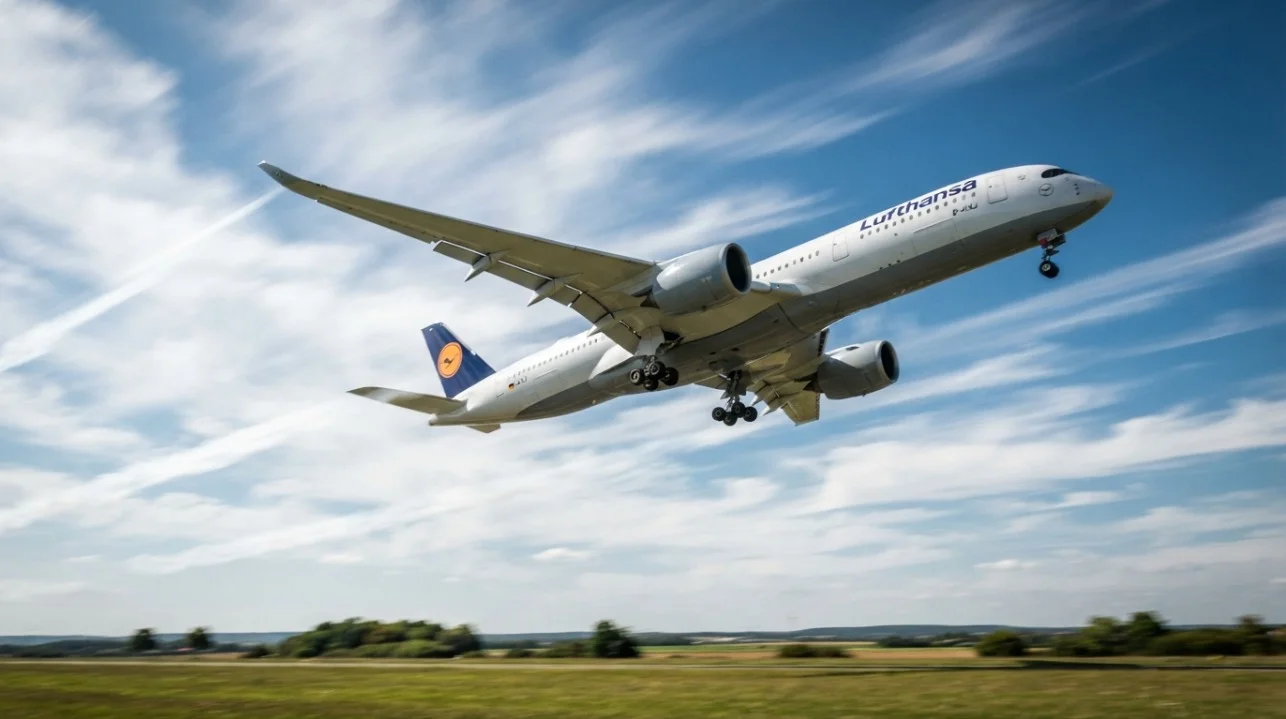

Theoretically, modern commercial planes are perfectly capable of flying much faster than 500 mph or 600 mph, but they never do.
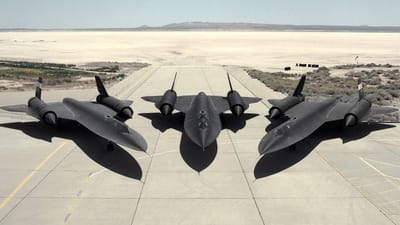
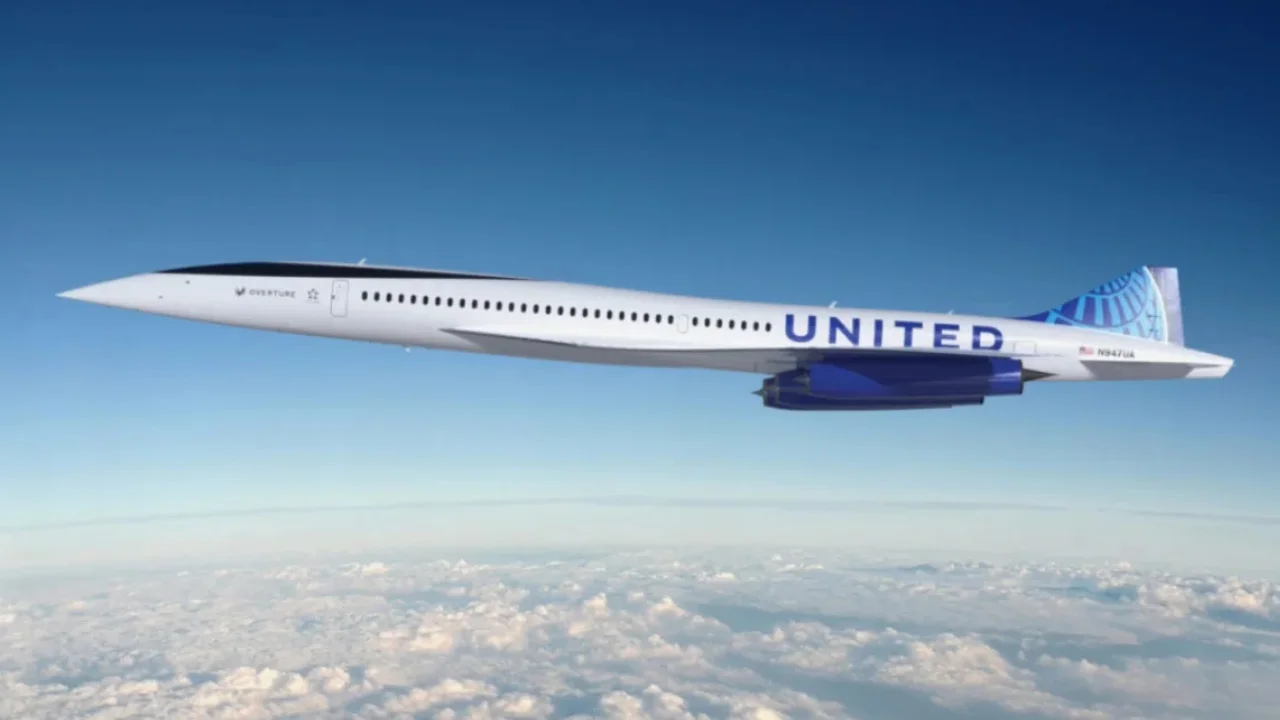
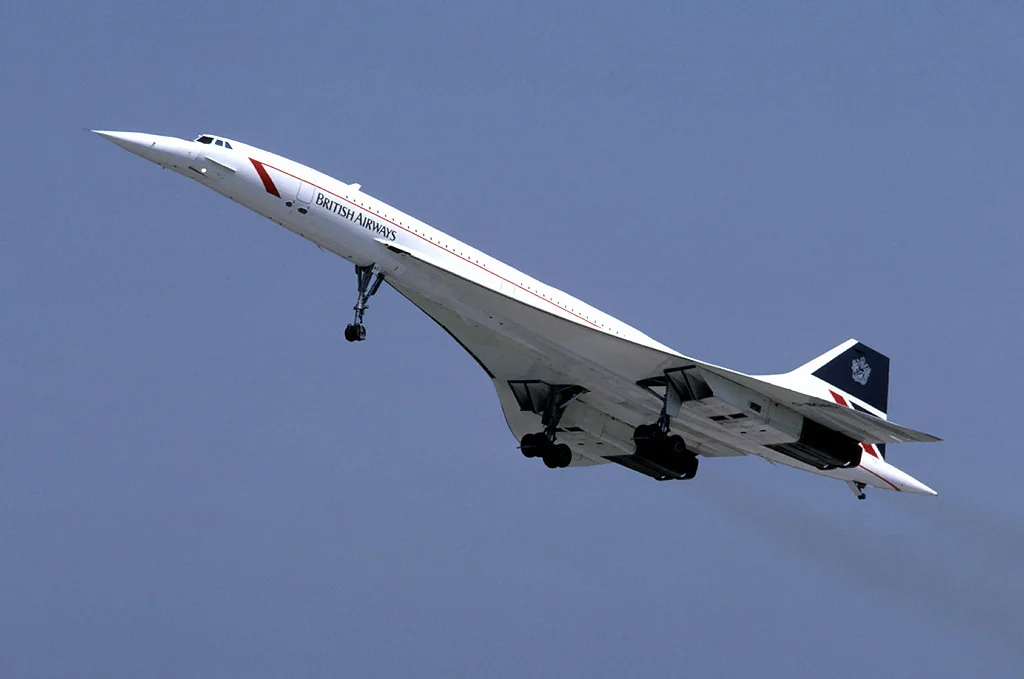
There have been plenty of incredibly fast jets in the history of the world, from the secret supersonic jet built by NASA and of course the iconic Concorde.
And yet, most commercial planes typically cruise around Mach 0.82 to 0.85, which is equivalent to roughly 630 to 650 mph or 1,014 to 1,046 km/h.
But there’s a few very good reasons why that’s the case.
Why planes won’t fly faster than 600mph
Their absolute theoretical speed limit without structural damage is around Mach 0.90 to 0.95.
It sounds like a potentially significant upgrade but for crucial reasons, no commercial plane ever reaches that speed.
The first and possibly most important reason is drag, which, among other things, leads to higher fuel consumption, and therefore higher ticket prices.
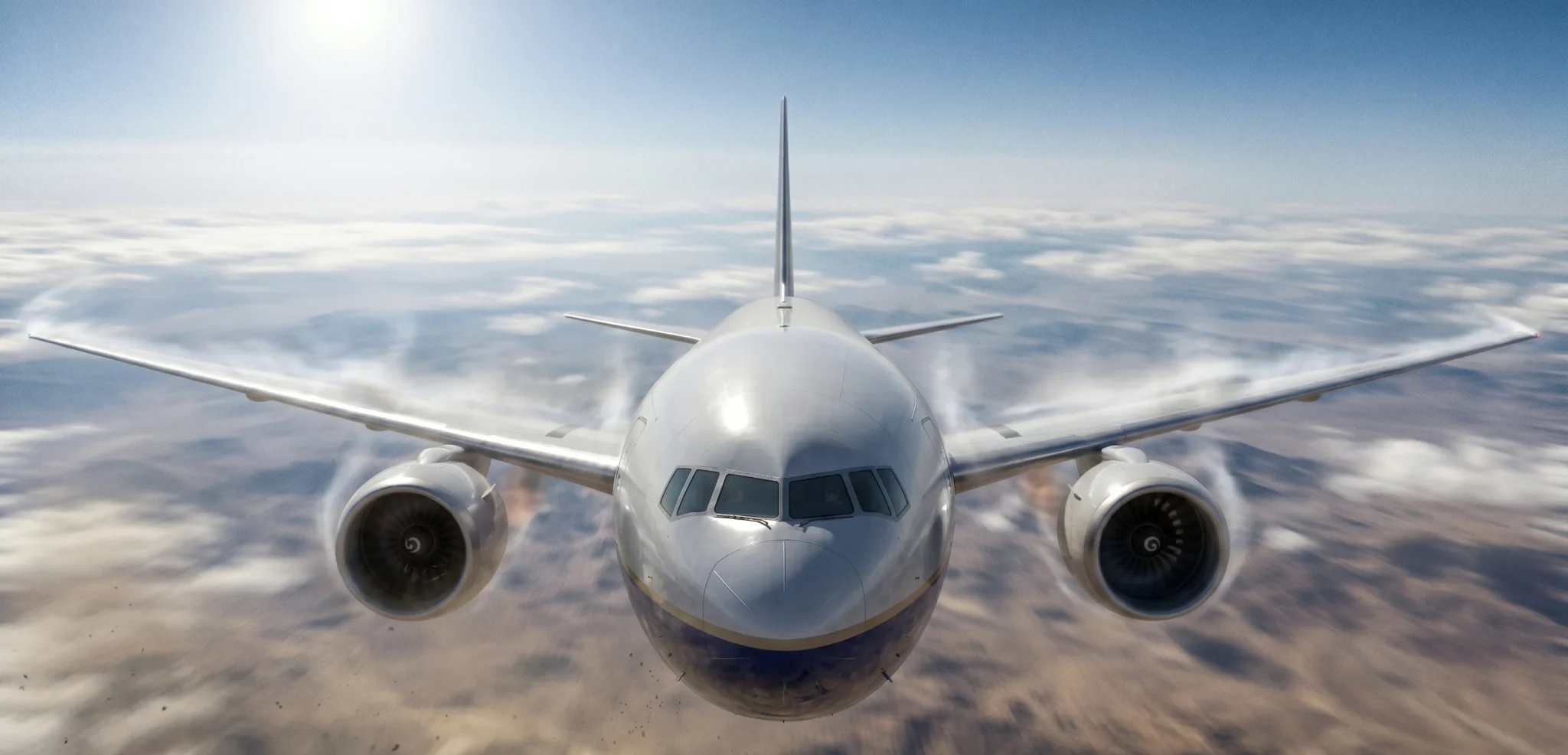
Air resistance, otherwise known as drag, plays a huge part in the speed of commercial planes.
The faster a plane goes, the higher the drag.
And it’s not a 1:1 ratio, either.
Doubling the speed of a plane, for example, actually quadruples the drag.
This means you need significantly more engine power, which translates to drastically higher fuel consumption.
In other words, you might double or triple your fuel burn, but you are not doubling or tripling your speed.
And would we rather spend, say, $700 to fly from London to New York in around seven or eight hours, or get there in maybe six hours while the ticket costs $2,000?
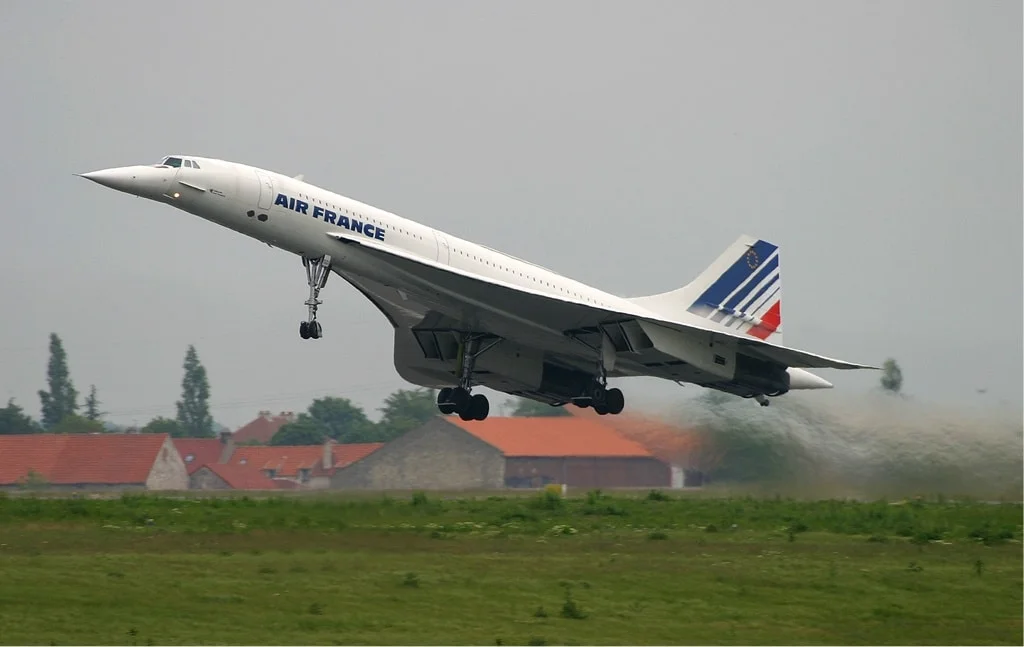
Concorde, among other reasons, was retired because it was just so expensive to run even though tickets weren’t cheap at all.
Structural thermal limits are also a problem.
Without getting too technical and boring, the plane would heat up too much and too quickly.
And that’s great if you want to heat up those amazing pre-packaged sandwiches that pass for food on planes slamming them against the fuselage – but maybe not so great for everything else.
Related


There’s another reason why commercial planes fly at ‘just’ 600 mph
Aside from fuel consumption – and therefore ticket prices – the other main reason why commercial planes don’t fly as fast as they could is comfort.
With current technology, 500-600 mph is the sweet spot because that’s where you get the best combination of fuel efficiency, comfort for passenger, profitability for the airline, and speed.
Increasing speed would increase aerodynamic vibration and it would make the ‘ride’ much rougher on passengers.
It’d be like being inside a washing machine and it’d make you spill your equally amazing airline coffee all over everyone’s lap.
It’s a bit like a Bentley Flying Spur or maybe a Rolls-Royce Phantom.
It can do 0-60 in around 5 seconds and can do 155 mph, but it’s much more comfortable at 75 or 85.
Alessandro is an automotive journalist with 10 years of experience covering supercars, automotive history, emerging vehicle technology, and luxury transportation. He wrote the first article published on SupercarBlondie.com when the website launched in 2022 and has since built a reputation for insightful reporting across the automotive and transportation industries. His expertise is grounded in hands-on experience. Alessandro has driven every Tesla model ever produced, from the original Roadster to the Cybertruck, and regularly covers the latest developments in electric vehicles and automotive innovation. His passion for transportation extends beyond cars, he has even flown a Boeing 787 Dreamliner simulator in Addis Ababa, Ethiopia. His reporting spans everything from classic American muscle cars and rare automotive discoveries to luxury yachts, private aircraft, high-end watches, and cutting-edge vehicle technology. Known for his deep knowledge of automotive history and ability to uncover the stories behind iconic vehicles, Alessandro brings readers a blend of historical context, technical expertise, and first-hand experience.