1,000 WWII planes still sit frozen in time in an American aircraft graveyard all these decades later
Published on May 09, 2026 at 3:55 PM (UTC-4)
by Alessandro Renesis
Last updated on May 09, 2026 at 3:55 PM (UTC-4)
Edited by
Alessandro Renesis
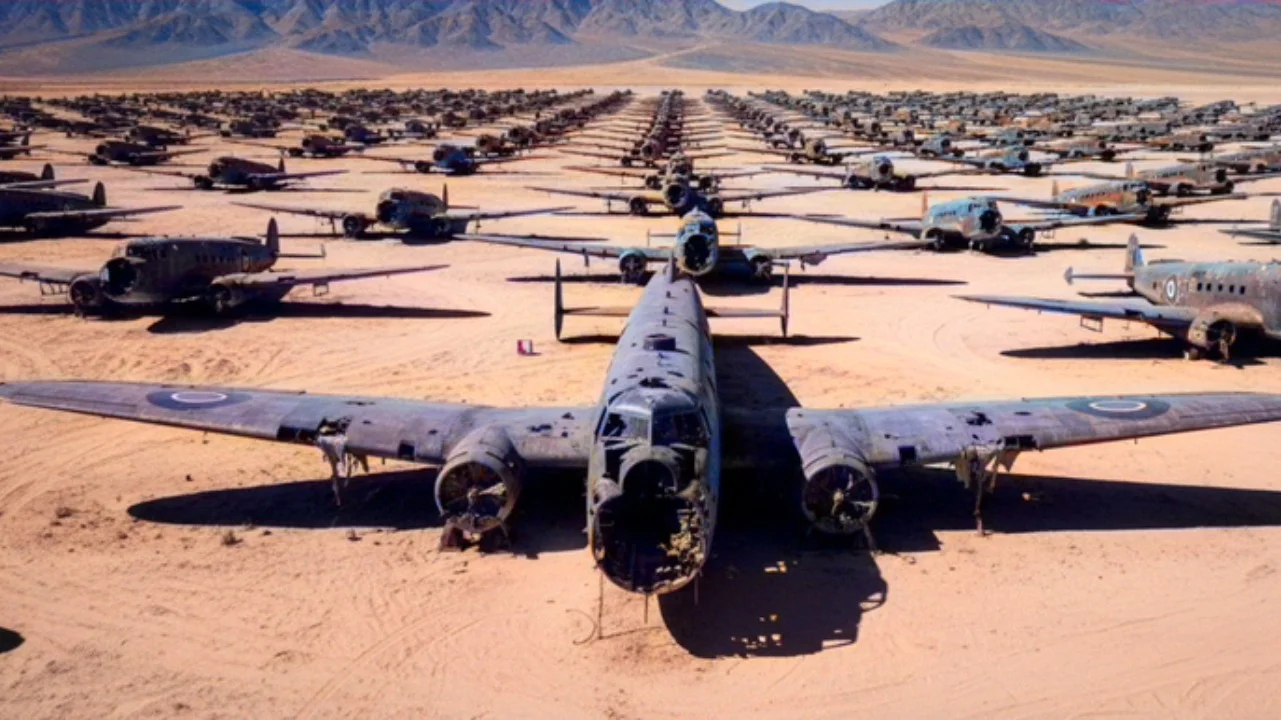

Davis-Monthan Air Force Base in Tucson, Arizona, is the largest graveyard for American aircraft in the world.
It’s home to more than 4,000 aircraft, including 1,000 vintage planes from WWII through the Vietnam era.
Some of these aircraft will never fly again – they’re just museum relics.
But there’s something about this base that often goes unnoticed.
The base is still operational today
There are still around 4,000 aircraft and $34 billion worth of airplane parts stored and parked at the facility, which spans more than 2,600 acres.
Some people think it’s just a graveyard where airplanes go to die, but Davis-Monthan Air Force Base in Tucson, Arizona, also employs around 800 staff members who repair, restore, and maintain the planes and, of course, the facility itself.
The workforce is a mix of nearly 700–800 federal civilians and a smaller number of active-duty military personnel.
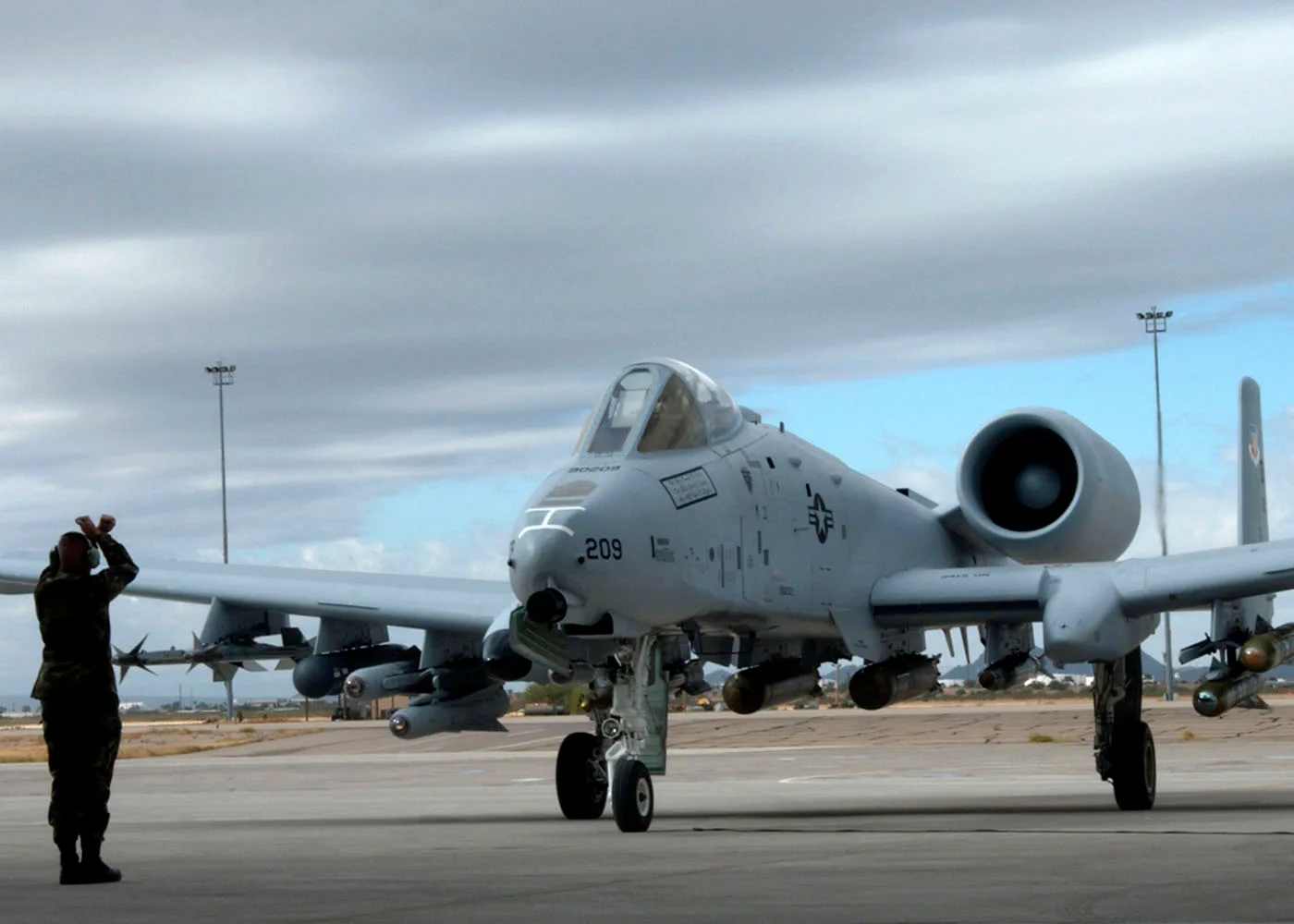
Together, they work year-round doing essentially two things.
First, they preserve old planes that’ll never fly again; and second, they maintain the active fleet.
While most of these planes aren’t airworthy anymore, the staff can still ‘harvest’ them for parts and, occasionally, restore planes that might fly again.
This is basically a giant, organized hardware store for the Air Force.
And it’s paying off.
Through parts reclamation, the military reportedly saves an estimated $500 million every year.
Related
So many of these aircraft were built for WWII
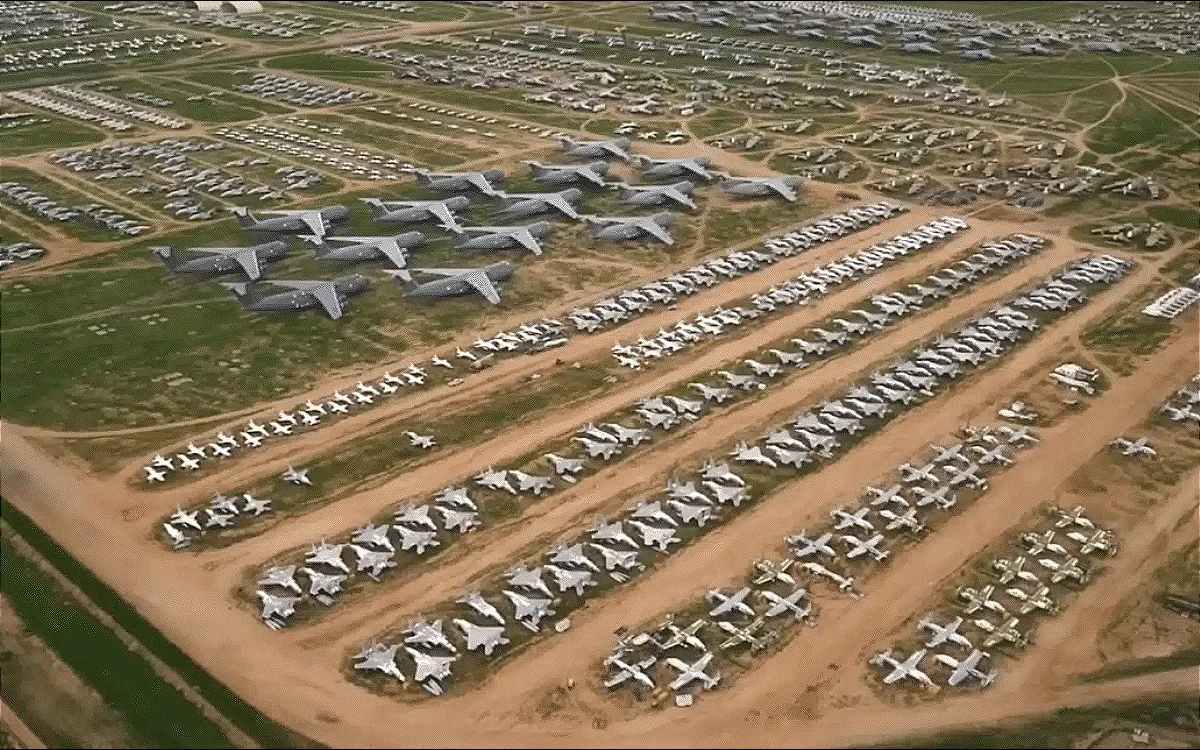
The facility, managed by the 309th Aerospace Maintenance and Regeneration Group, is home to around 4,000 aircraft, around 1,000 of which are pre-Cold War.
The dry desert climate and dense soil make it ideal for long-term storage, because they both help to prevent the corrosion and rust that would destroy these planes in more humid environments.
Having said that, the 309th still uses meticulous processes to keep the aircraft in good condition.
Lest we forget, some of these aircraft were built around 60 or 70 years ago.

Alessandro is an automotive journalist with 10 years of experience covering supercars, automotive history, emerging vehicle technology, and luxury transportation. He wrote the first article published on SupercarBlondie.com when the website launched in 2022 and has since built a reputation for insightful reporting across the automotive and transportation industries. His expertise is grounded in hands-on experience. Alessandro has driven every Tesla model ever produced, from the original Roadster to the Cybertruck, and regularly covers the latest developments in electric vehicles and automotive innovation. His passion for transportation extends beyond cars, he has even flown a Boeing 787 Dreamliner simulator in Addis Ababa, Ethiopia. His reporting spans everything from classic American muscle cars and rare automotive discoveries to luxury yachts, private aircraft, high-end watches, and cutting-edge vehicle technology. Known for his deep knowledge of automotive history and ability to uncover the stories behind iconic vehicles, Alessandro brings readers a blend of historical context, technical expertise, and first-hand experience.